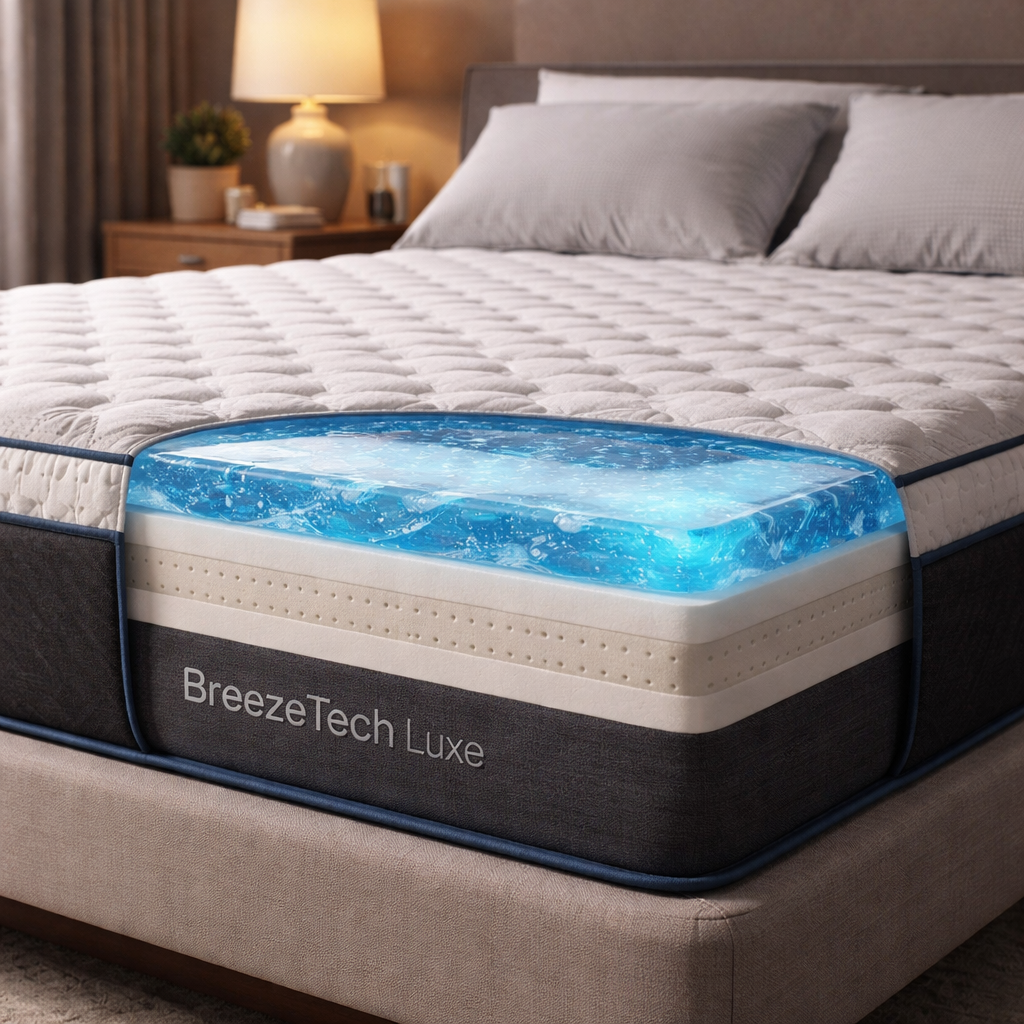
Sleeping hot is fixable, but only if you understand how different products move heat. This guide explains how a cooling mattress actually cools, covering passive approaches like gel infused foam, ventilated latex and hybrid builds, and active water or air climate systems with AI-driven temperature control, plus the real tradeoffs that show up in bedrooms. You will learn which technologies work for different sleepers, how smart beds personalize cooling, and simple tests to validate claims during a trial.
How body temperature shapes sleep quality and timing
Core point: your body’s temperature cycle is the biological signal that times sleep onset and depth. Around the evening transition the brain triggers a core temperature drop and increased skin blood flow so heat can leave the body; if that drop is blunted by a hot sleep surface or humid room, falling asleep takes longer and awakenings increase. See the sleep science summary at Sleep Foundation and basic reviews on PubMed for the physiology.
Why the mattress matters: mattresses change how quickly you dump heat from skin to air. A breathable, ventilated or phase-change layer lets skin cool; a dense, poorly ventilated memory foam traps heat and slows the normal temperature decline. That difference shows up not as a single temperature number but in sleep latency and wake-after-sleep-onset.
Practical interactions and trade-offs
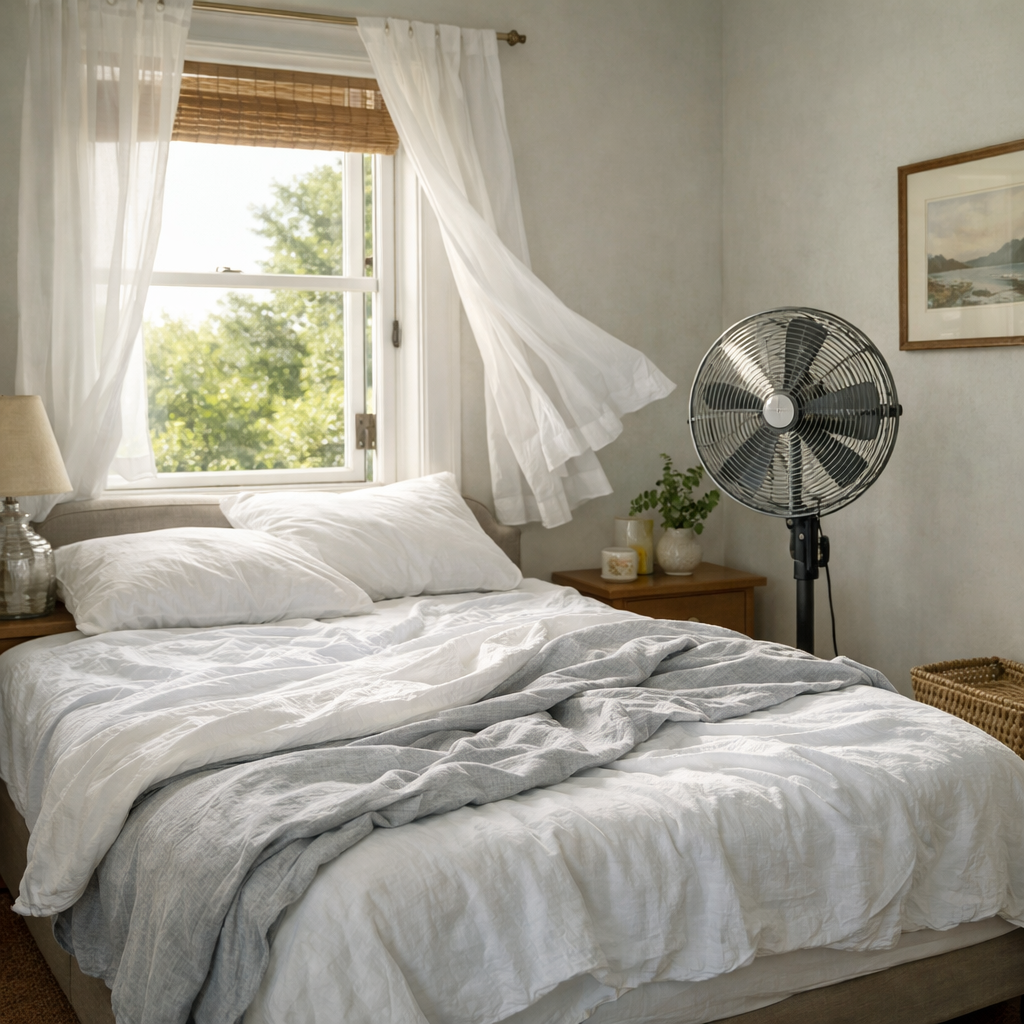
- Surface versus core: A cooling mattress can lower skin temperature quickly, but it cannot force a core temperature drop if the room is hot or humidity is high. Combine mattress selection with room ventilation or AC for meaningful improvement.
- Passive limits: gel-infused foams and ventilated foams provide immediate surface comfort but saturate over hours — they help initial sleep onset more than sustained night sweats.
- Active systems: hydronic or air-based climate systems keep a stable microclimate but add cost, complexity and small ongoing energy use; they are the right choice when passive options fail night-after-night.
Concrete example: A solo hot sleeper I tested switched from a standard memory foam to a hybrid cooling mattress with a ventilated top layer. Sleep latency fell by about 20 minutes on cooler nights and subjective wakefulness improved, but on humid summer nights the mattress alone didn’t stop sweating — adding a dehumidifier and breathable sheets closed the gap. This shows one real-world limit: mattress improvements are necessary but rarely sufficient alone.
Common misread: many shoppers equate the phrase cooling gel with long-term relief. In practice, gel-infused memory foams give a cooler feel for an hour or two; if you have persistent night sweats, expect to need either active climate tech or a mattress built around airflow and latex.
Key takeaway: prioritize the cooling mechanism to match the problem. If you fall asleep hot but stay mostly comfortable overnight, a breathable or phase-change mattress or a cooling mattress topper or pad is high value. If you wake up sweating repeatedly, budget for an active climate system or zoned solution and plan for installation and energy use.
What to consider next: check how a mattress alters skin temperature under a real sleep load (two people, pajamas, and typical bedding). If you see only transient surface cooling in reviews or in-person tests, assume the effect will fade overnight and plan either a mattress with sustained airflow or an active system. For more on pairing cooling mattresses with smart features, see our AI mattress guide.
If you only test feel in-store, expect surprises: real cooling performance is a night-by-night interaction between mattress, bedding, room conditions and physiology.
Frequently Asked Questions
Straight answer first: cooling mattresses help with comfort and surface temperature but they are not a one-size-fits-all cure. The right choice depends on whether you need short-term surface relief, sustained overnight cooling, partner zoning, or a tech-enabled climate system.
Will a cooling mattress stop medically significant night sweats?
Short version: a cooling mattress can reduce discomfort and fewer awakenings, but it does not treat underlying medical causes such as hormonal shifts or hyperhidrosis. If night sweats are frequent and severe, see a clinician; meanwhile use a mattress or cooling mattress topper alongside medical advice to improve sleep quality.
How much cooler will an active system be versus passive materials?
Practical judgment: active climate systems generally deliver larger and sustained surface temperature drops than passive layers because they move heat out of the microclimate continuously. Passive options like gel infused memory foam or ventilated latex give immediate comfort but tend to approach equilibrium with body heat after an hour or two.
Do active systems make noise or disturb a partner?
Reality check: modern pumps and fans are quiet at typical operating levels, but low-frequency hums exist. Read user reviews for real-world noise reports and compare decibel specs if you are sensitive to low-level sounds.
Can I use mattress protectors, regular sheets, and fitted covers with climate pods or hoses?
Yes with caveats: use breathable, moisture-wicking sheets and follow manufacturer guidance about pod interfaces. Bulky waterproof protectors can trap heat and defeat cooling features; choose protectors designed for airflow or use a thin, breathable protector beneath the fitted sheet.
Will an active cooling system add a lot to my electricity bill?
Estimate to plan: active units are not free to run, but consumption is moderate. For planning, check the reported wattage on the manufacturer page – many units run in the low hundreds of watts peak and far less on average. Compare that to HVAC runtime to decide if a pod is cost effective for year-round use. See Consumer Reports for buying context and manufacturer pages for model-specific watts.
How long before I notice a difference?
What to expect: surface feeling cooler is immediate for most passive and active systems. Meaningful changes in sleep continuity or fewer night wakings usually require a few nights to a couple of weeks while your body and sleep habits stabilize.
Are automated AI adjustments reliable or do I need to manage them manually?
Practical view: smart bed automation learns preferences and can reduce manual fiddling, but it is not flawless. Expect to set initial schedules or temperature bands and use manual overrides during transition nights. For tech details see our guide to AI mattresses.
Do cooling features change mattress support or durability?
Tradeoff to watch: some cooling layers, especially ventilated foams and latex, preserve support and longevity well. Gel-infused memory foams may still sag over years like standard memory foam. Hybrid cooling mattresses with quality coils tend to balance support and breathability, but verify warranty coverage for heat-related complaints and electronics.
Concrete example: a couple where one partner overheats and the other sleeps cold installed a zoned hydronic system with per-side controls. The hot partner reduced night awakenings and the cold partner kept a warmer side without changing firmness. Installation required a mattress-compatible cover and minor bed frame adjustment, but the practical result was fewer disturbances and better individual comfort.
Before you buy: answer these three questions – Do you need sustained overnight cooling or just easier sleep onset? Is partner zoning required? Are you willing to manage installation and minor energy costs? Use those answers to narrow options from a cooling mattress pad to a full active smart bed.
Common misstep: shoppers test feel in-store and assume that initial coolness equals all-night performance. Do an at-home trial with your bedding and sleep partner to validate real-world results.
Next actions: run a short checklist during any trial: measure perceived sleep latency and night wakings for 7 to 14 nights, test with your usual sheets, and confirm warranty terms for electronics or pump components. If you are comparing active systems, compare wattage and read user threads for noise and condensation reports before committing.