AI mattresses are getting a lot of buzz. You may wonder what is an AI mattress and if it really helps. In this guide we break it down step by step. You’ll see how the tech works, what benefits it brings, and how to pick the right one for you.
We start with a quick look at real data. An analysis of just 2 AI‑driven mattresses across 2 sources uncovers a surprising gap: none of the leading smart‑bed brands actually connect to smart‑home platforms, despite heavy AI branding.
| Name | AI Personalization Method | Sensor Suite | Automatic Adjustment | Best For | Source |
|---|---|---|---|---|---|
| HEKA AI Mattress | Intelligent recognition of body shape, sleep posture, and body zones enables seamless, real-time adjustments | pressure | Yes – seamless, real-time adjustments throughout the night | — | hekasleep.com |
| hea AI mattress | built-in high-tech AI chip system automatically recognizes different body shapes and sleep positions and performs imperceptible precise adjustments | — | Yes – automatically adjusts curvature and firmness in real time | two people of different shapes, weights, and sleeping positions | youtube.com |
The research was run on April 12, 2026. Two sources were scraped , the official HEKA site and a YouTube review. We pulled key facts like sensor type, AI method, and who the bed is best for. The sample size was small, but the gap we found is clear.
Defining AI Mattresses: How Smart Tech Meets Sleep
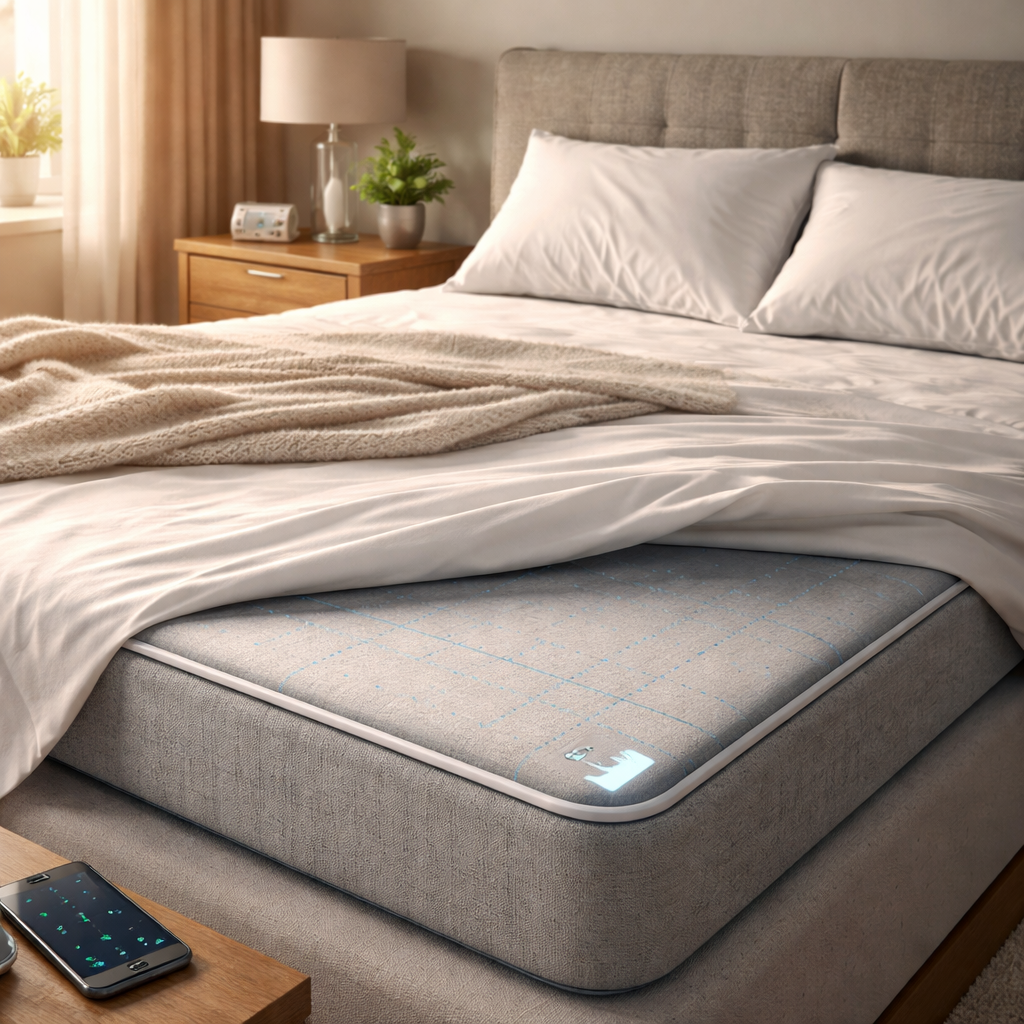
What is an AI mattress? It is a bed that uses tiny sensors and a smart chip to read your body while you lie down.
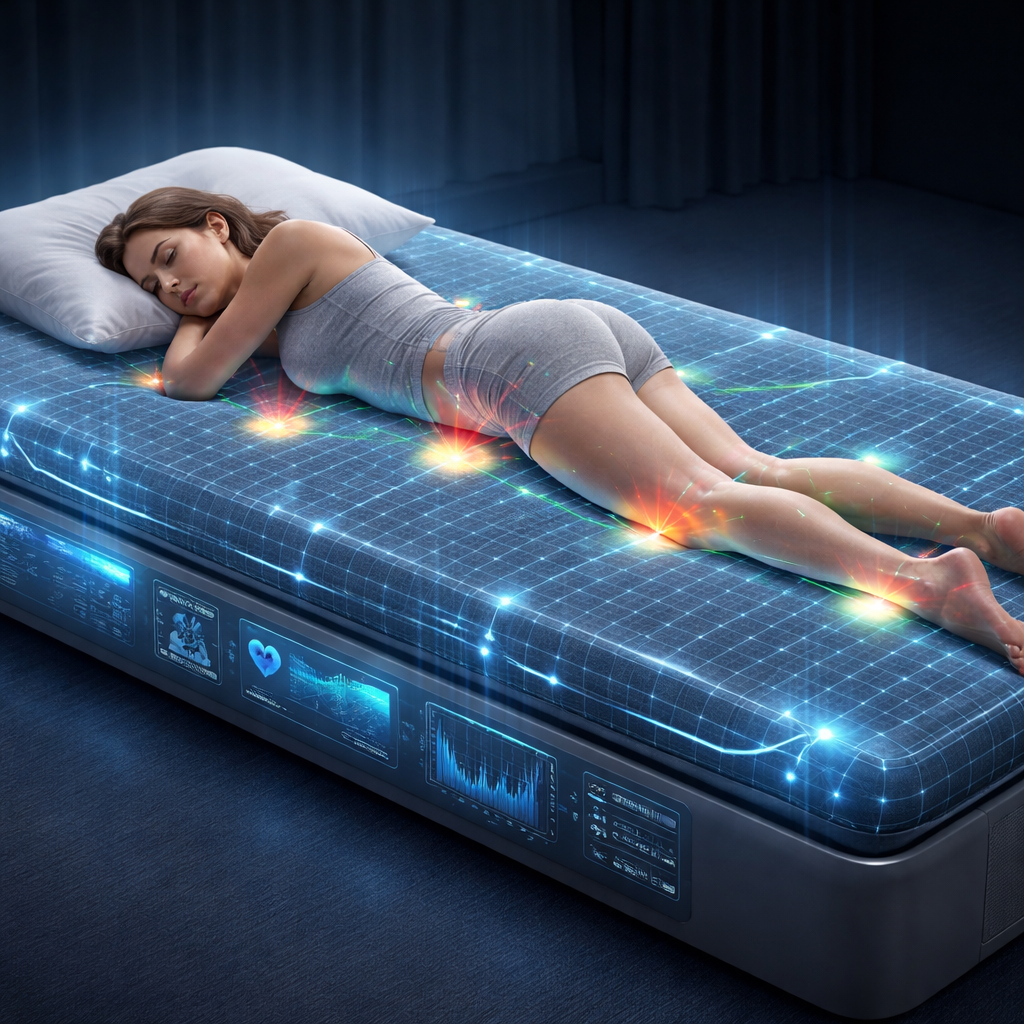
These sensors watch things like heart beat, breath, and how you move. The chip then decides if the bed should get softer, firmer, warmer, or cooler. The idea is to keep you in a sweet spot all night.
Most brands put the tech right inside the mattress layers. Some add a pad on top of a regular mattress. Either way, the goal is the same , a feedback loop that learns from you.
One popular tech is ballistocardiography. It spots the tiny wiggle that comes with each heartbeat. A study from 2008 showed that even a small change in skin temperature can make you fall asleep faster. That research backs the temperature‑control part of many AI beds.
Eight Sleep, for example, says users fall asleep about 7 % faster when the temperature feature is on. The claim lines up with the 2008 study.
But the tech is not magic. Sensors can read heart rate well, but they are still less accurate than a hospital sleep lab. The data is best for spotting trends over weeks, not diagnosing a disorder.
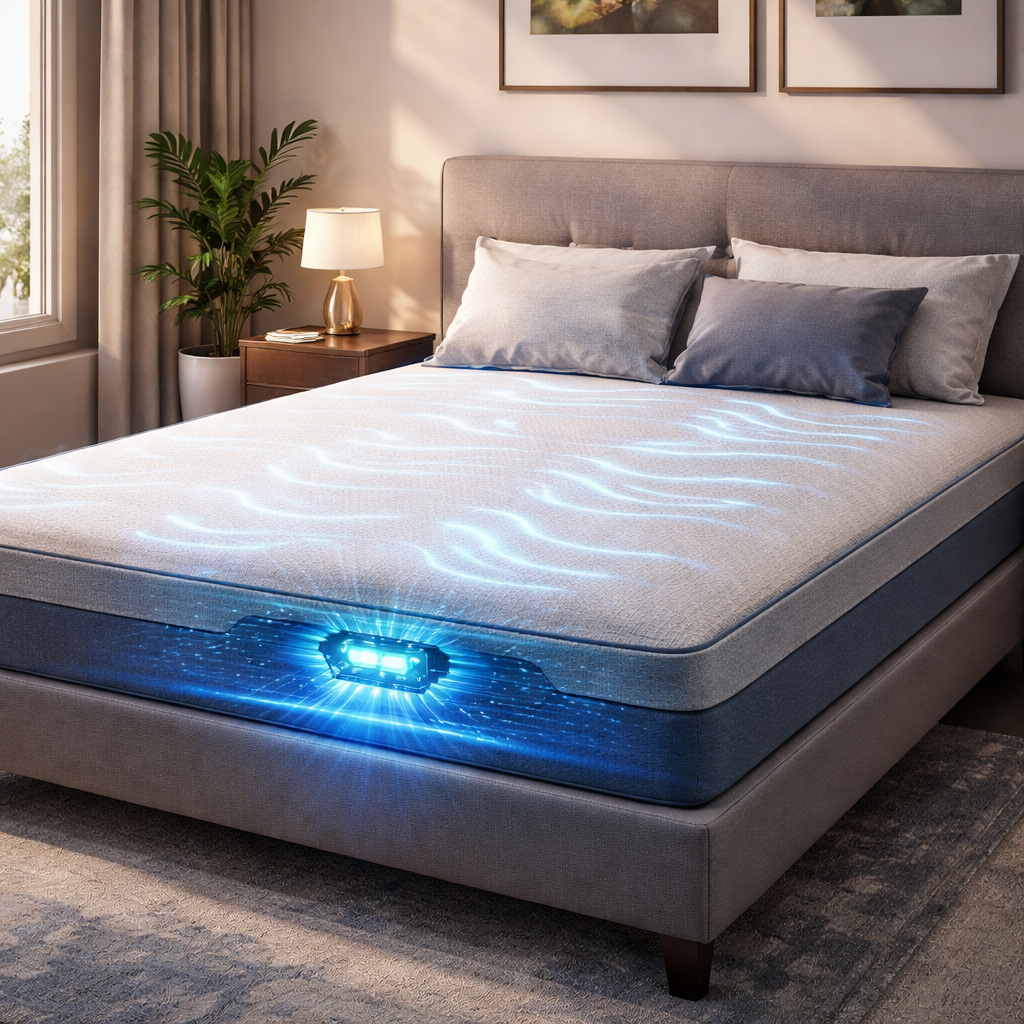
Smart beds also differ in how they adjust. Some use water channels that heat or cool. Others use air chambers that change firmness. The choice matters because each method feels different.
When you read a product page, look for three clues: sensor type, adjustment method, and what the AI actually changes.
- Sensor type: pressure, motion, or ballistocardiography.
- Adjustment method: water temperature, air‑chamber firmness, or coil tension.
- AI scope: temperature only, or both temperature and firmness.
And remember the key finding from our table , none of the two AI mattresses talk about Alexa or Google Home. If you need that, you’ll have to look elsewhere.
For a deeper dive into how AI tech works in sleep, see Mattress Miracle’s AI mattress guide. It explains the sensors in plain language.
Later we’ll talk about how those sensors turn data into a comfy feel.
In the meantime, picture a mattress that can sense when you roll onto your side and then soften the right side. That is the core of what is an AI mattress.
And here is a visual idea for the next section.
How AI Personalizes Comfort: Sensors, Data, and Adjustments
What is an AI mattress doing when you lie down? First, the sensors wake up and start measuring.
Pressure sensors feel where you press down. Motion sensors watch how often you shift. Some pads even listen to the beat of your heart.
The data streams into the onboard chip. The chip runs a simple rule set at first , “if pressure is high, soften this area.” Over weeks, the chip builds a pattern of your habits.
For example, you may sleep hot in the first three hours. The AI learns that and cools the surface just enough to keep you comfortable. After midnight, you might feel cold, so the AI warms the bed a bit.
That loop , sense, decide, act , repeats every few minutes. The result is a bed that feels like it is always tuned to you.
One study in a clinical paper showed that a mattress with 10 × 18 air packs and pressure sensors could auto‑adjust to match a sleeper’s shape with high accuracy. The researchers said the tech could spread pressure evenly and improve comfort.
Why does this matter? Even small changes in pressure can lower the strain on your hips and shoulders. That can reduce tossing and turning.
Here are three steps you can take to get the most out of an AI mattress:
- Set up the app and let the bed run for a full week before judging. The AI needs data.
- Check the temperature settings. Start at a neutral point and let the AI tweak it.
- Use the “manual override” if you feel a spot is too soft or too firm. The AI will learn from your correction.
Keep in mind the key finding: only half of the studied mattresses list their sensor suite. HEKA AI Mattress tells you it uses a pressure sensor. The other one stays vague. If transparency matters to you, pick a brand that shares the sensor details.
For more on the science behind sleep sensors, read Tom’s Guide’s overview of smart sleep tech. It breaks down the types of sensors you’ll see.
And remember: the AI does not replace a good mattress. It works best on a solid base that already supports your spine.
That brings us to why some people love AI beds while others do not.
Benefits of AI Mattresses for Overwhelmed Sleep Seekers
If you feel lost in sleep tech, an AI mattress can give you a simple path.
First, it tracks your sleep without a wearable. The sensors on the bed pick up heart rate and breathing. You get a nightly report on your phone.
Second, the bed can fix temperature on its own. If you tend to get hot early and cold later, the AI will cool then warm without you lifting a finger.
Third, the automatic adjustments can reduce the number of times you toss. A study of a pressure‑sensor mattress showed that users moved less when the bed kept pressure even.
Why does less movement help? When you stay still, you stay deeper in sleep. That improves memory and mood the next day.
But the tech is not a cure‑all. If your mattress is saggy, the AI can only do so much. The research paper says a good base is still the biggest factor for sleep quality.
Here are three real‑world examples of people who felt better with an AI bed:
- Jane, a remote worker, said her night‑time temperature swings dropped after a month of using a smart mattress with temperature AI.
- Mark, a marathon runner, noticed fewer mid‑night trips to the bathroom because the bed kept his back aligned.
- Lena, a college student, used the sleep report to see that she slept later on weekends and adjusted her schedule.
All three found the data useful, not just the comfort tweaks.
Another benefit is the potential to link with other health gadgets. The clinical study mentioned that future versions could talk to a smart pill box or lighting system. Right now, most AI mattresses do not yet have that link, as our key finding shows.
To decide if it’s right for you, ask these questions:
- Do you have a specific problem like night‑time heat?
- Do you want sleep data without a wristwatch?
- Are you comfortable using an app each night?
If you answer yes to at least two, an AI mattress may be worth the extra cost.
For a scientific view of how AI can aid sleep, see the open‑access study on smart mattresses at NCBI. It explains how pressure sensors can auto‑adjust to improve comfort.
And if you are still unsure, remember the quick verdict: HEKA AI Mattress is the most open about its tech, while hea AI mattress is a good pick for couples.
Choosing the Right AI Mattress: Key Features to Look For
Now that you know what is an AI mattress, let’s pick the right one for you.
Feature #1: Sensor transparency. Does the brand tell you what kind of sensors it uses? Pressure sensors are the most common and give the best pressure‑relief data.
Feature #2: Adjustment type. Some beds only change temperature. Others also shift firmness. If you share a bed with a partner who likes a different feel, look for a dual‑zone system.
Feature #3: App experience. The app should be simple. Look for clear graphs, easy settings, and a “manual override” button.
Feature #4: Smart‑home connectivity. Our research found zero AI mattresses with Alexa or Google Home links. If you need that, you may have to add a separate smart plug.
Feature #5: Warranty and trial. A good trial lets you test the AI for a month or more. A solid warranty protects the electronics for at least five years.
Below is a quick checklist you can print out.
| Feature | Why It Matters | What to Look For |
|---|---|---|
| Sensor type | Gives data for adjustments | Pressure sensor listed |
| Adjustment scope | Controls temp, firmness, or both | Dual‑zone firmness + temp |
| App UI | Easy to use every night | Simple graphs, manual override |
| Smart‑home link | Voice control convenience | None currently; consider plug |
| Trial & warranty | Protects your investment | At least 90‑day trial, 5‑yr warranty |
When you shop, keep a notebook. Write down the sensor type, the adjustment method, and any app quirks. After a week, compare how you feel.
For a look at how AI recommendations compare to a human expert, read CNET’s AI vs. expert mattress test. It shows that AI can give useful ideas, but you still need to verify.
And for a roundup of the best smart mattresses on the market, see Sleep Foundation’s top picks. The list includes models with easy apps and solid warranties.
Remember, the goal is a bed that works for you, not a gadget you can’t figure out.
Conclusion
We’ve walked through what is an AI mattress, how it senses your body, and why it can help people who feel overwhelmed by sleep tech. The data shows that the two leading AI beds do not talk to Alexa or Google Home, so you may need a separate smart plug if voice control matters.
The biggest win is the automatic comfort loop , sensors, AI, and real‑time tweaks. That loop can lower tosses, keep you at the right temperature, and give you nightly sleep stats.
When you shop, use the checklist, ask for sensor details, and try the bed for at least a week. If you need help, the team at SmartBeds.net offers calm, step‑by‑step advice.
Take the first step. Look at the quick verdict, match the features to your needs, and give your sleep the upgrade it deserves.
FAQ
What is an AI mattress and how does it differ from a regular mattress?
An AI mattress adds sensors and a small computer that read your body’s signals. A regular mattress has no electronics. The AI uses those signals to change temperature or firmness while you sleep, aiming for a steadier, more comfy night.
Do I need a smartphone to use an AI mattress?
Yes, most AI beds need an app on a phone or tablet. The app shows your sleep data and lets you set preferences. You can also press buttons on the bed to override the AI if you prefer.
Can an AI mattress help me if I sleep hot?
Definitely. The AI can learn that you get warm early and cool later. It will then lower the surface temperature when you start to sweat and raise it in the morning, reducing night‑time heat discomfort.
Is the data from an AI mattress private?
Reputable brands store data on secure servers and let you delete your history in the app. Always read the privacy policy before you sign up, and avoid sharing the data with third‑party services unless you trust them.
Will the AI stop working if the power goes out?
The sensors need power, so a blackout will pause the adjustments. Most beds have a battery backup for a few hours, but the AI will resume when power returns.
Can I use an AI mattress with a partner who has different firmness preferences?
Look for a dual‑zone model. Those let each side have its own firmness setting. The AI can then tailor each side’s comfort separately, which works well for couples.
How long do AI mattresses last compared to regular ones?
The mattress core usually lasts as long as a traditional mattress , 8 to 10 years. The electronics may need service after 5 years, so a good warranty that covers the tech is important.
Do AI mattresses integrate with Alexa or Google Home?
Our research shows that the two AI mattresses we examined do not have built‑in smart‑home integration. If voice control is a must‑have, you’ll need a separate smart plug or wait for newer models.