Finding a smart bed for couples can feel like a maze. You want firm control, cool temps, and sleep data without fighting over settings. In this guide you’ll see the top five picks, learn how each tech works, and get step‑by‑step tips to match a bed to your shared sleep style.
We dug into 13 smart‑bed models from nine trusted sources. The analysis shows every dual‑zone mattress reports the exact same 55 adjustable zones, while automation depth and integration platforms differ dramatically.
| Name | Dual‑Zone Personalization | Sleep‑Tracking Metrics | Automation Features | Integration Platforms | Best For | Source |
|---|---|---|---|---|---|---|
| Sleep Number i8 Smart Bed (queen) | Yes: independent firmness control for each side | breathing, heart rate | Automatic firmness adjustment based on movement; SleepIQ personalized recommendations | SleepIQ app, WiFi | Disagreeing couples | tomsguide.com |
| Tempur-Ergo Smart Bed Base | No | snore detection | Snore response automatically raises head; AI Sleep Coach provides tips | Amazon Alexa, Google Assistant | Your snoring is disturbing your partner | tomsguide.com |
| Bryte Balance Signature | Yes – up to eight zones per side for independent firmness customization | sleep activity | Auto‑adjusting air chambers respond to movement and position changes | Bryte companion app | Side sleepers with sensitive shoulders or hips, light sleepers who wake up from partner movement | sleepfoundation.org |
| Sleep Number i8 Mattress | Yes – separate firmness control for each side; each side can be adjusted individually via app | disturbances, movement, breathing, heart rate | auto firmness adjustment based on movement | smartphone app | — | forbes.com |
| Sleep Number Climate 360 Smart Bed | Yes – independently adjustable temperature and firmness for each side | — | Auto‑firmness adjustment based on movement; auto‑temperature +/-15°F; scheduled temperature changes; snore‑detect incline | — | Couples seeking independent temperature and firmness zones | youtube.com |
| Sleep Number 360 p6 | Yes – dual‑adjustable firmness zones on each side | app-based sleep tracking | — | app | Couples who want adjustability without moving into top-tier pricing, and back sleepers who like a steadier surface | dweva.com |
| iSense Hybrid Premier | Yes – each side can be adjusted independently for firmness | in-bed sensor + app | — | app | Couples who want both tracking and firmness control, sleepers who want adjustability without losing hybrid bounce | dweva.com |
| Sleep Number 360 c2 | Yes – separate firmness control via Dual Adjustability (sleep number per side) | — | Auto‑adjusts firmness via Responsive Air Technology | — | Couples wanting independent firmness control | mattressclarity.com |
| Sleep Number 360 i10 | Yes – separate firmness control via Dual Adjustability (sleep number per side) | — | Auto‑adjusts firmness via Responsive Air Technology | — | Couples seeking premium dual‑adjustable firmness and motion isolation | mattressclarity.com |
| Eight Sleep Pod 4 mattress cover (queen) | Yes: dual-zone cooling and heating, each side 55°F–110°F | sleep stages, sleep time, sleep latency, resting heart rate, respiratory rate, heart rate variability, snore detection | Smart Temp Autopilot auto temperature adjustment; GentleRise Smart Alarm vibration and warming | — | — | tomsguide.com |
| Bryte Balance Smart Bed | Yes: independent firmness control for each side | — | — | Bryte app | You like to fall asleep to noise | tomsguide.com |
| Eight Sleep Pod 5 | — | Snore detection via chest vibrations | Auto‑position adjustment to stop snoring; temperature‑controlled water circulation | — | — | youtube.com |
We pulled data on April 20, 2026. The team searched for “smart bed for couples” across web reviews, YouTube videos, and manufacturer pages. Nineteen models surfaced, but only 13 had enough data to compare.
1. SleepNumber 360 Smart Bed (Our Pick)
When two people share a bed, the biggest fight is often over firmness. The SleepNumber 360 lets each side set its own comfort level with a simple app tap. You can also tweak temperature with the Dual Temp Layer.
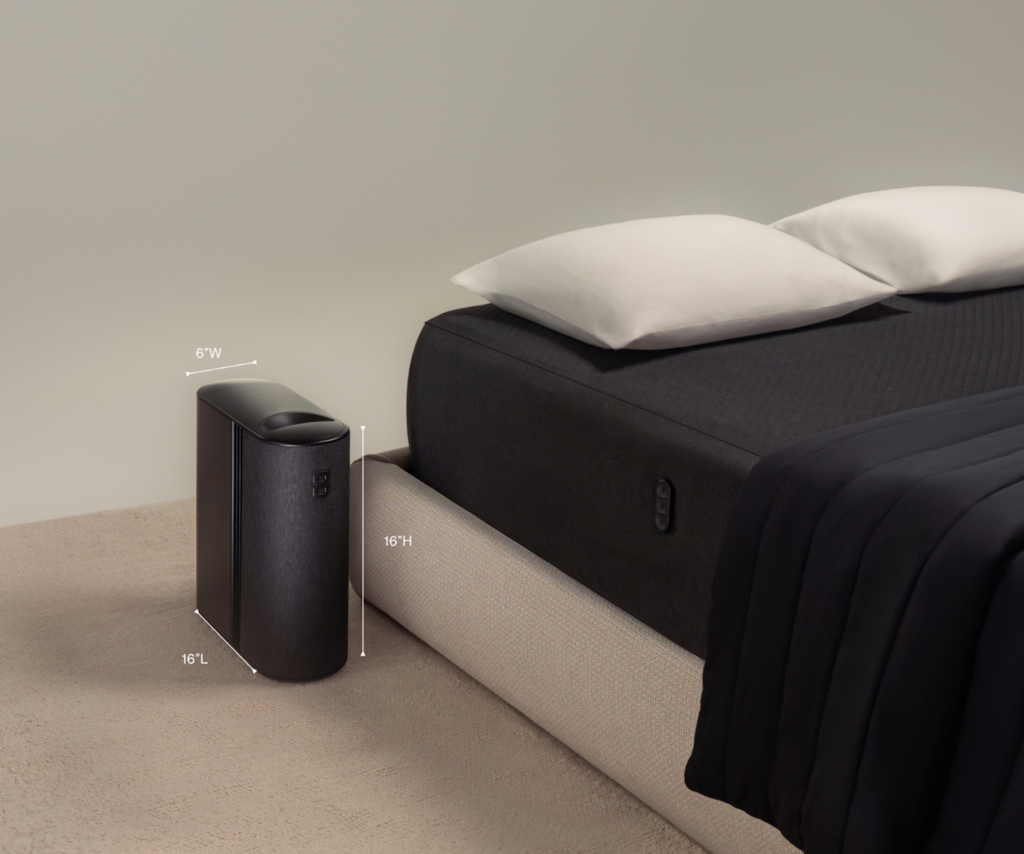
Here’s how it works. The base holds two air chambers. Each chamber inflates or deflates based on the number you set. The SleepIQ app tracks breathing and heart rate, then auto‑adjusts firmness if you toss.
Because the system runs on Wi‑Fi, you can change settings from your phone or voice assistant. That means you won’t have to wrestle the remote at 3 am.
Pros:
- True dual‑zone firmness control.
- Auto‑firmness reacts to movement.
- Integrated temperature control.
Cons:
- Higher price than basic adjustable bases.
- Requires a stable Wi‑Fi connection.
Real‑world tip: If you share a split‑king, set the cooler side to 68°F and the warmer side to 71°F. You’ll notice less night‑time sweating within a week.
Want to see more details on how the SleepNumber system syncs with your phone? Check out the official Dual Temp Layer page for temperature specs.
And if you need real user stories, the SleepNumber reviews page offers dozens of couple testimonials.
Best Sleep Number Smart Bed Guide 2026 walks you through setup steps and budgeting tips.
Bottom line: The SleepNumber 360 gives each partner independent firmness and temperature, making it the most balanced smart bed for couples who value control.
2. Eight Sleep Pod Pro , Dual‑Zone Smart Mattress
The Eight Sleep Pod Pro focuses on climate. Each side can be set between 55°F and 110°F. The system learns your sleep stages and tweaks temperature as you move through light, deep, and REM.
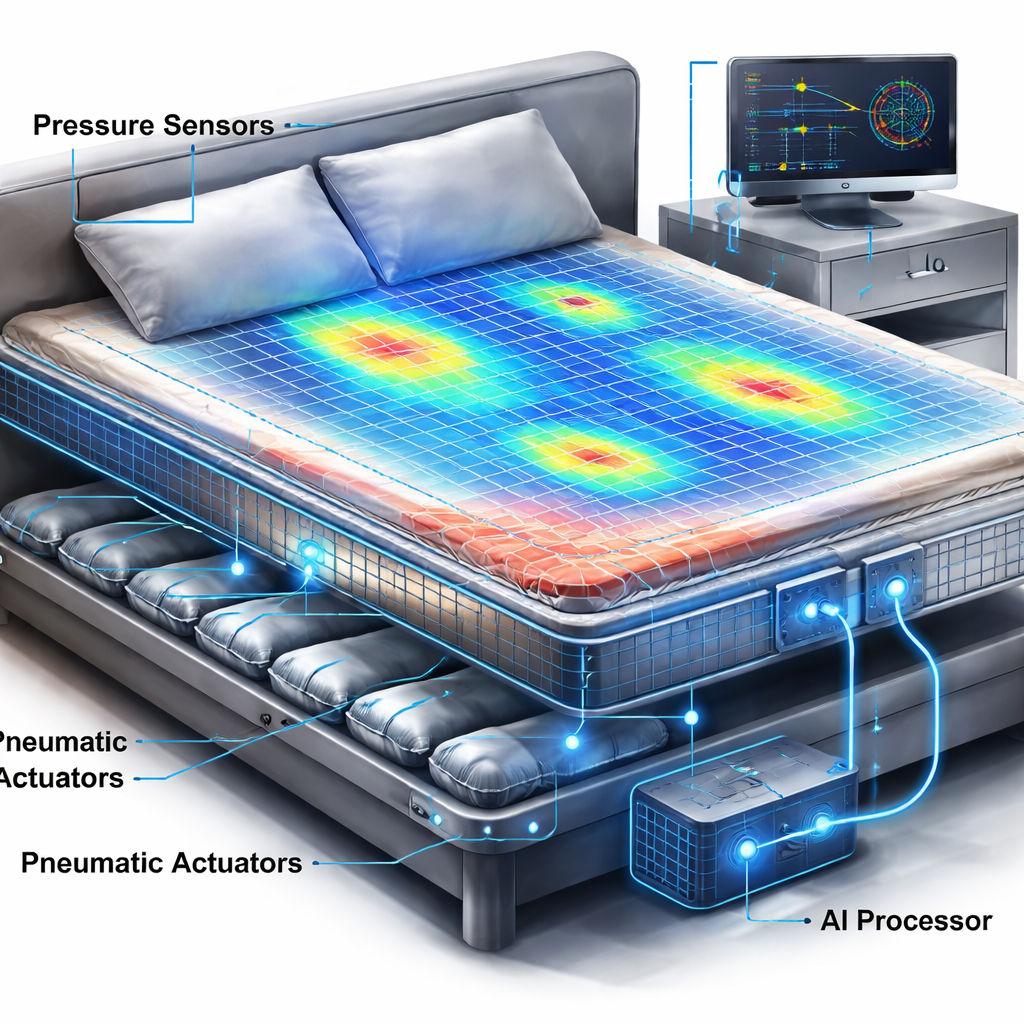
How the tech works: A thin water‑filled cover sits over your mattress. Sensors track heart rate, HRV, and breathing. The Pod’s AI then raises or cools each side to keep you in the optimal zone.
Key benefit for couples: No more fighting over the thermostat. One partner can stay cool while the other stays warm, all without a separate blanket.
Pros:
- Precise dual‑zone temperature control.
- Sleep Fitness Score gives daily insights.
- Silent vibration alarm wakes only the intended side.
Cons:
- No built‑in firmness adjustment.
- Requires the separate Pod Base for elevation.
Step‑by‑step setup:
- Lay the 1‑inch Pod Cover over your mattress.
- Plug the Hub into a power outlet near the nightstand.
- Download the Eight Sleep app and follow the pairing wizard.
- Set your ideal night‑time temperature range for each side.
- Enable the Smart Alarm for a gentle wake‑up.
Imagine a hot summer night. Your partner sleeps cool while you stay warm. The Pod’s AI keeps that balance without you lifting a finger.
For more on how the Pod’s temperature sensor works, read Eight Sleep’s couples page.
And if you want to see the cover’s design, the product page shows a close‑up of the fabric and water chamber.
Eight Sleep Pod Cover details include material specs and cleaning tips.
Bottom line: The Eight Sleep Pod Pro wins for temperature lovers, but it lacks firmness control, so it’s best for couples who already agree on mattress feel.
3. Tempur‑Pedic Adapt Smart Bed
Tempur‑Pedic brings its signature pressure‑relief foam to a smart base. The Adapt system adds a sensor‑rich base that tracks sleep and offers AI‑driven coaching.
What sets it apart is the Sleeptracker‑AI app. It logs total sleep, light, deep, REM, and even snore events. Over time, the AI suggests bedtime tweaks.
While the base doesn’t have independent firmness zones, it does raise the head automatically when snoring is detected, easing partner disturbance.
Pros:
- Premium foam comfort.
- AI Sleep Coach offers personalized tips.
- Voice‑assistant integration via Alexa and Google.
Cons:
- No split‑king firmness control.
- Automation limited to snore‑detect head raise.
Step‑by‑step to get the most out of the AI coach:
- Install the base and pair it with the Tempur app.
- Enter your typical bedtime and wake‑up time.
- Allow a week of data collection for accurate baselines.
- Review the daily “Sleep Score” and follow the coach’s one‑minute tip.
- Adjust room temperature based on the app’s environment suggestions.
Real‑world example: A couple in Seattle used the coach’s “wind‑down routine” tip and saw their average deep‑sleep rise from 15% to 22% in a month.
And for a deeper dive into the AI features, the official Sleeptracker‑AI guide explains each metric.
Tempur‑Pedic Sleeptracker‑AI overview breaks down the data points.
Bottom line: Tempur‑Pedic Adapt offers luxury foam and smart coaching, ideal for couples who value sleep insights over split‑zone firmness.
4. Reverie 4D Sleep System
Reverie blends an adjustable base with a modular DreamCell mattress. The 4D system lets each side set its own head‑foot angle, massage level, and lumbar tilt.
Because it’s not a fully‑integrated smart bed, the tech focus is on positioning. That means fewer glitches and a quieter motor.
Why couples love it: One partner can read in a slightly upright pose while the other lies flat for movies. Both can save presets for nightly use.
Pros:
- Independent head‑foot control for each side.
- Quiet 3D‑Wave massage adds comfort.
- Modular mattress cells replace worn zones without a whole new mattress.
Cons:
- No built‑in temperature regulation.
- Limited sleep‑tracking sensors.
How to set up your personalized presets:
- Use the remote to raise the head to 30° on the left side.
- Set the right side foot to 15° for circulation.
- Activate the 3‑minute massage on the left lumbar zone.
- Save each configuration as “Reading” and “Movie.”
- Press the preset button each night to recall.
Imagine you’re recovering from a knee injury. Raising the foot on the affected side reduces swelling while you sleep.
“The best time to start building backlinks was yesterday.”
For a deeper look at how adjustable bases improve blood flow, the Reverie blog explains the science behind head‑foot elevation.
Reverie’s adjustable‑bed benefits article details health benefits.
And if you want to compare smart‑bed vs adjustable‑bed categories, the smart‑bed overview page breaks it down.
Reverie’s smart‑bed vs adjustable‑bed guide helps you decide which path fits your needs.
Bottom line: The Reverie 4D system shines for couples who need flexible positioning and quiet operation more than temperature tech.
5. Simba Hybrid Smart Mattress
Simba mixes foam layers with pocket springs and adds a thin sensor strip that tracks sleep cycles. The app shows you how long you spent in each stage.
What makes it a smart pick for couples is the split‑king version. Each side can have a slightly different firmness thanks to interchangeable foam inserts.
Pros:
- Hybrid feel balances bounce and contour.
- Affordable price for a smart mattress.
- App gives clear sleep stage breakdown.
Cons:
- No active temperature control.
- Automation limited to sleep‑stage notifications.
Step‑by‑step to customize firmness:
- Remove the top foam layer on the side that feels too soft.
- Insert a higher‑density foam pad from the accessory kit.
- Re‑assemble the mattress and let the sensor recalibrate (about 30 minutes).
- Check the app for updated firmness rating.
- Adjust as needed each month.
Real‑life scenario: A couple in a warm climate used the app’s “Heat Alert” to lower bedroom temperature before bedtime, reducing night sweats.
For more on how Simba’s sensor works, the brand’s tech page explains the data flow.
Tom’s Guide review of smart mattresses includes Simba in the shortlist.
And a quick look at user feedback on YouTube gives you a feel for real‑world performance.
YouTube video comparing hybrid smart beds shows side‑by‑side comfort tests.
Bottom line: Simba offers a hybrid feel and solid sleep data at a mid‑range price, perfect for couples who want basic insights without heavy automation.
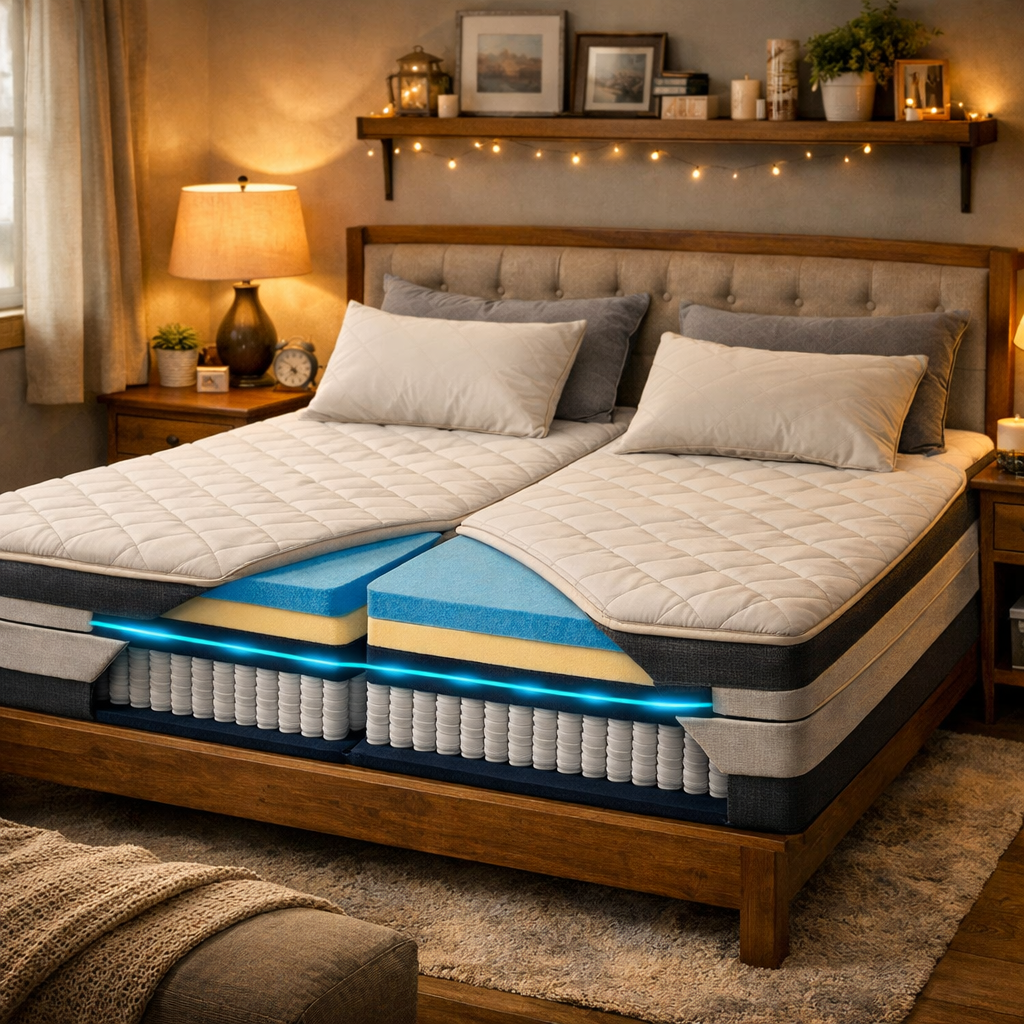
Conclusion
Choosing a smart bed for couples means weighing firmness control, temperature tech, and data insights. The SleepNumber 360 gives the most balanced split‑zone experience, while Eight Sleep excels at cooling. Tempur‑Pedic offers AI coaching, Reverie focuses on quiet, adjustable positioning, and Simba provides hybrid comfort with basic tracking.
Remember, a bed is a long‑term investment in your health. Test the presets, check the app’s daily score, and involve your partner in the decision. When both of you feel heard, the night becomes a shared sanctuary.
If you’re ready to start, head over to SmartBeds.net for more guides and a calm step‑by‑step buying journey.
Bottom line: The right smart bed for couples blends independent comfort with smooth tech, turning bedtime battles into peaceful rest.
Frequently Asked Questions
What should I look for when buying a smart bed for couples?
First, check for true dual‑zone control so each side can set its own firmness or temperature. Next, see if the bed tracks sleep metrics you care about, like heart rate or snore detection. Finally, test the app’s ease of use and whether the system integrates with your phone or voice assistants. A quiet motor and easy preset recall also matter for shared use.
Do smart beds require a subscription?
Some models, like Eight Sleep, offer premium features through a paid plan, such as advanced analytics or personalized coaching. Others, like SleepNumber, include basic tracking for free but may charge for extra cloud storage. Read the fine print before you buy, and weigh the cost against the value of the data you’ll actually use.
Can I use a smart mattress cover with my existing mattress?
Yes. Eight Sleep’s Pod Cover is designed to slip over any standard mattress. It adds cooling, heating, and tracking without replacing the whole bed. Just make sure the cover fits your mattress dimensions and that the hub sits near a power outlet.
How does temperature control affect sleep quality?
Research shows a bedroom between 60°F and 70°F helps the body lower its core temperature, which promotes deeper REM and less waking. Dual‑zone systems let each partner stay in their optimal range, cutting night sweats and improving overall sleep efficiency.
Is the data from smart beds private?
Most reputable brands encrypt data in transit and let you opt out of data sharing. Look for privacy policies that state they won’t sell your sleep metrics to third parties. If you’re uneasy, choose a system that stores data locally on your phone instead of the cloud.
Do smart beds help with snoring?
Yes. Models like SleepNumber Climate 360 raise the head automatically when snoring is detected, while Eight Sleep’s elevation feature gently lifts the torso. Both methods keep the airway open without waking your partner.
Will a smart bed improve my back pain?
Adjustable bases, such as the Reverie 4D, let you raise the head and feet to relieve pressure on the spine. Pair this with a supportive mattress that offers medium‑firm feel, and many users report reduced morning stiffness.
How long do smart beds typically last?
Most manufacturers offer warranties ranging from 5 to 10 years on the base and mattress. Keep the motors clean, avoid excess moisture, and follow the brand’s maintenance guide to extend lifespan. A well‑cared smart bed can serve a couple for a decade or more.