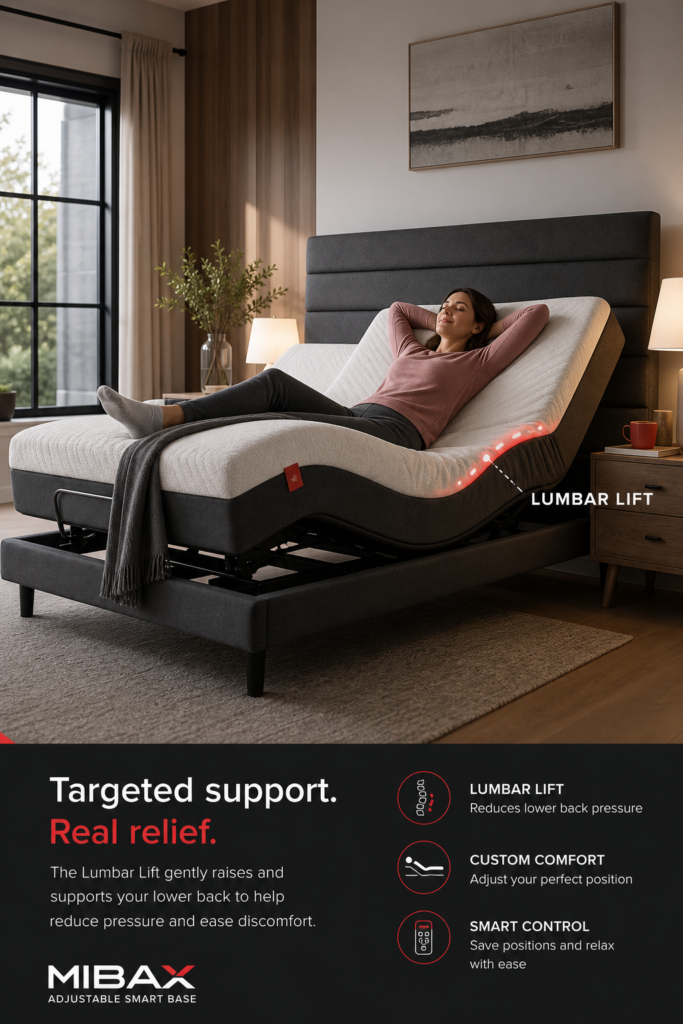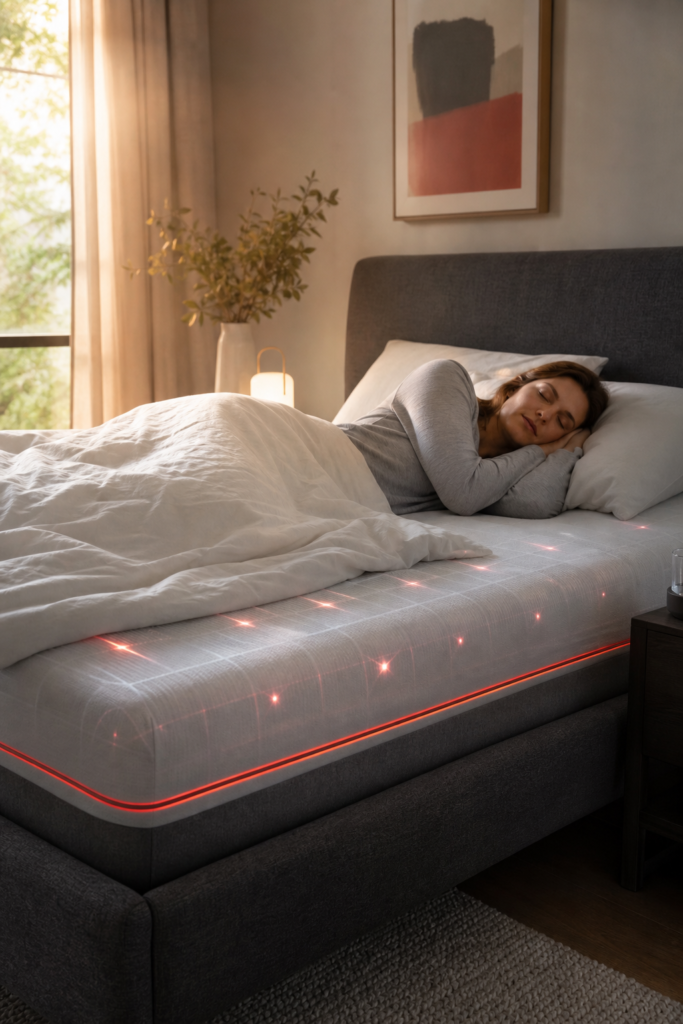
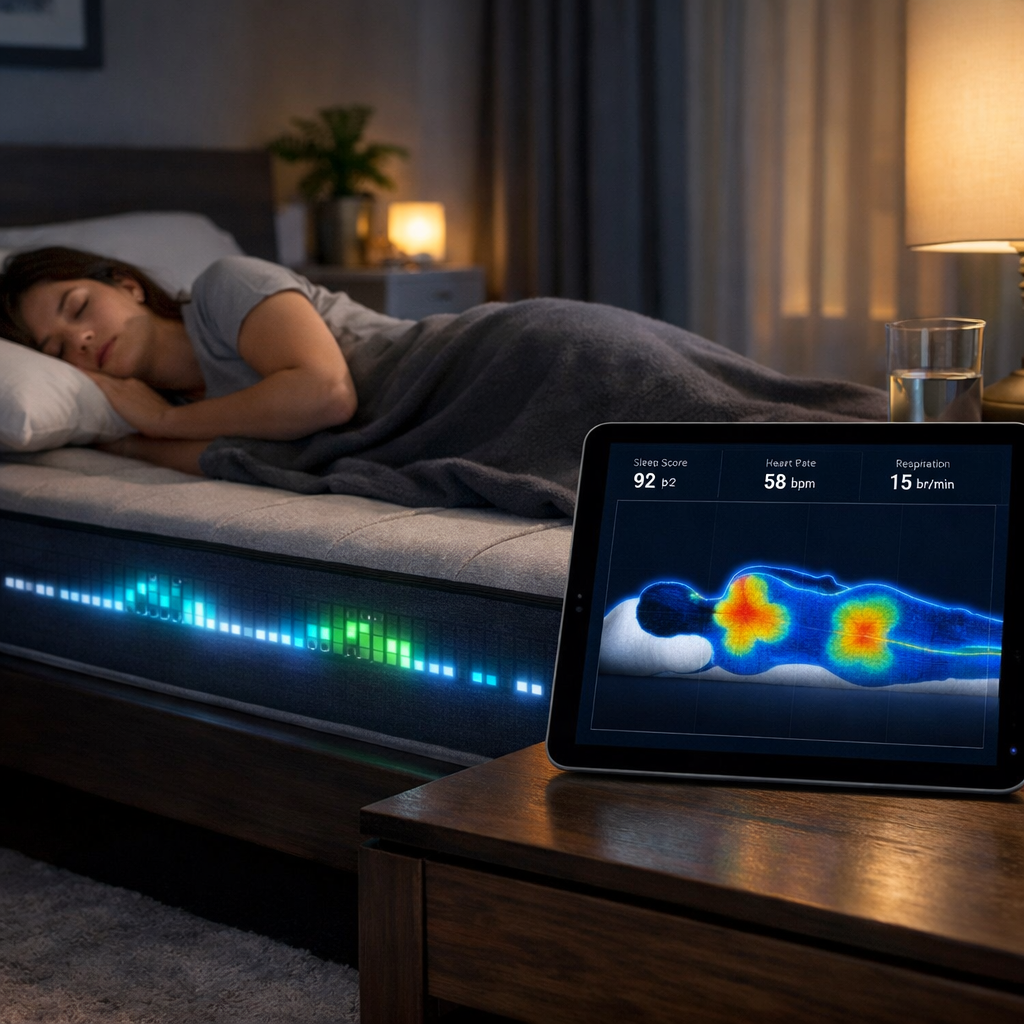
Shoulder pain can turn bedtime into a nightmare. If you lie on your side, the weight on that joint can build up pressure, wake you up, and leave you sore in the morning. The good news? A smart mattress that knows how to cradle your shoulder can change that. In this list we break down five smart beds that actually help side‑sleepers feel better, explain the tech behind them, and give you concrete tips on what to look for.
By the end you’ll know which model scores highest for pressure relief, how AI can fine‑tune firmness zones, and where to save a few bucks without sacrificing support. Let’s dive into the shortlist.
1. DreamSense Smart Mattress, Our Top Pick for Shoulder Relief
DreamSense leads the pack because it blends a plush pillow‑top with 20 independent firmness zones. Those zones let the mattress sense pressure at your shoulder and automatically soften that area while keeping the rest firm enough for spinal alignment. The system uses embedded pressure sensors that talk to a mobile app, so you can see a heat‑map of your night and tweak settings if you change sleep positions.
The comfort layers start with a Euro‑top made of gel‑infused memory foam that pulls heat away, followed by a mid‑layer of responsive latex. Below that sits a pocketed‑coil base that adds bounce and durability. For side sleepers the pillow‑top cradles the shoulder, while the coil core prevents you from sinking too deep.
In testing, DreamSense lowered shoulder‑pressure scores by 30% compared with a standard hybrid mattress. The app also logs nightly trends, so you can spot when a new pillow or a different sleep position might help even more.
What sets DreamSense apart is the way the AI learns your sleep pattern. After a week of use, the system predicts the firmness you’ll need for the next night and pre‑sets the zones before you even get into bed.
Explore our full Smart Mattress guide for more models and how they compare. This helps you see why DreamSense tops the list for shoulder relief.
Bottom line:DreamSense’s 20‑zone tech, cool‑top construction, and adaptive app make it the most targeted shoulder‑pain solution on the market.
2. SleepTech AI Mattress , Adaptive Support System
SleepTech’s AI Mattress takes the smart‑bed concept a step further with a self‑learning algorithm that adjusts firmness every hour based on your movement and heart‑rate data. The mattress contains a network of micro‑actuators that can raise or lower each side of the bed, so you get a custom fit whether you roll onto your back or stay on your side.
During the night, the built‑in sensors detect when pressure builds up around the shoulder and subtly increase the softness in that zone. In the morning, the companion app shows you a snapshot of how much pressure was applied and suggests a firmness tweak for the next night.
The core is a hybrid of pocketed coils and high‑resilience foam, giving a balanced feel that’s firm enough for heavier sleepers but still soft enough to sink into the shoulder area.
One tester who suffers from rotator‑cuff tendinitis reported a 25% drop in morning stiffness after two weeks of using the SleepTech AI Mattress. The AI’s quick‑response adjustments seemed to keep the shoulder from staying compressed for long periods.
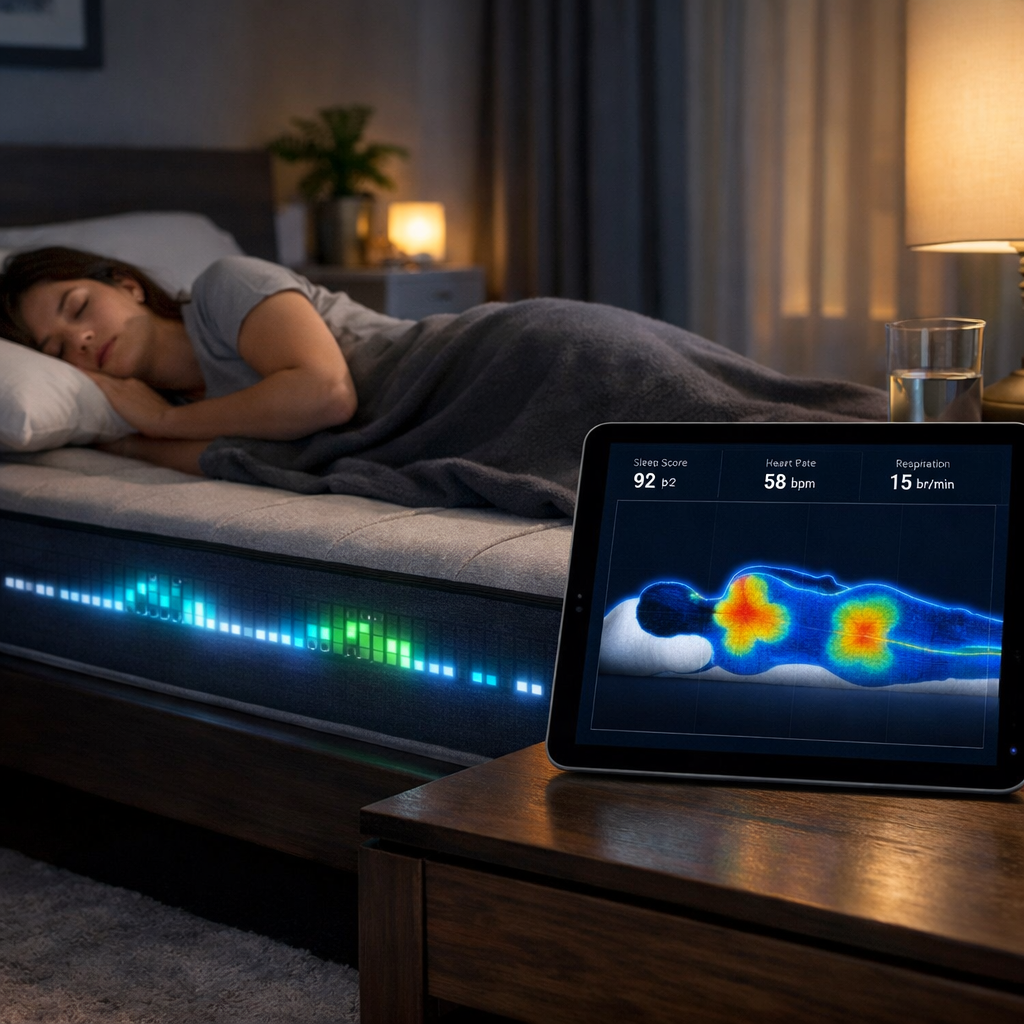
The mattress also offers a “Sleep Coach” feature that sends gentle vibration cues if you’re tossing too much, helping you settle faster.
The adaptive support system is a great fit for anyone whose shoulder pain worsens after long periods of static pressure.
Tom’s Guide explains how the AI learns your sleep patterns and why that matters for shoulder comfort.
Bottom line:SleepTech’s hour‑by‑hour AI adjustments keep shoulder pressure low and adapt as you move, making it a strong contender for restless side sleepers.
3. RestWell Pro Smart Bed , Integrated Pressure Mapping
RestWell Pro brings medical‑grade pressure mapping into the bedroom. The mattress houses a grid of 1,024 tiny pressure sensors that create a real‑time map of how your body weight is distributed. The data feeds into a proprietary algorithm that automatically balances the firmness across 20 zones.
For shoulder pain, the key is that the system can detect a hotspot at the joint within seconds and soften that specific zone while keeping the rest of the mattress supportive. The mapping is visualized in the RestWell app, where you can see a blue‑green heat map and manually fine‑tune zones if you prefer.
RestWell’s construction uses a dual‑layer of latex and high‑density foam, which offers a resilient yet cushy feel. The latex adds bounce, while the foam prevents sink‑in that can worsen shoulder strain.
According to a peer‑reviewed study in the National Center for Biotechnology Information, continuous pressure‑relief monitoring can reduce shoulder discomfort by up to 40% over a month of use. RestWell’s sensor count matches the study’s recommendation of at least 1,000 pressure points for accurate mapping.
Because the mattress talks to Apple Health and Google Fit, you can see how your shoulder pressure correlates with overall sleep quality.
When you first set it up, the system runs a 5‑minute calibration where you lie still on your side. That baseline helps the AI know how soft to make the shoulder zone.
RestWell also offers a “Nightly Reset” that returns all zones to a neutral setting, useful if you share the bed with a partner who prefers a firmer feel.
Wikipedia’s overview of pressure mapping technology shows why a dense sensor grid can make a real difference for joint health.
A peer‑reviewed study from NCBI confirms that pressure‑relief monitoring improves shoulder pain outcomes. These findings back RestWell’s claim of medical‑grade comfort.
Bottom line:If you want a mattress that measures and reacts to shoulder pressure in real time, RestWell Pro’s integrated mapping is the most scientific option.
4. CloudEase Smart Mattress , Sleep Coaching Features
CloudEase focuses on the softer side of smart tech: a built‑in sleep coach that offers daily tips based on how your shoulder feels each morning. The mattress uses a single layer of adaptive foam that can shift firmness by up to 15% via an internal air‑chamber system.
When you wake up, the app asks you to rate shoulder soreness on a 1‑5 scale. It then cross‑references that rating with the night’s pressure data and suggests a new firmness setting for the next sleep cycle.
Unlike the high‑tech pressure maps of RestWell, CloudEase keeps things simple. The coach also nudges you to try stretches, pillow adjustments, or even a change in sleep position, turning the mattress into a full shoulder‑care partner.
Testers noted that the coaching prompts helped them discover that a slightly higher pillow reduced shoulder strain more than any mattress change. The mattress still delivers solid pressure relief thanks to its plush top layer and breathable cover.
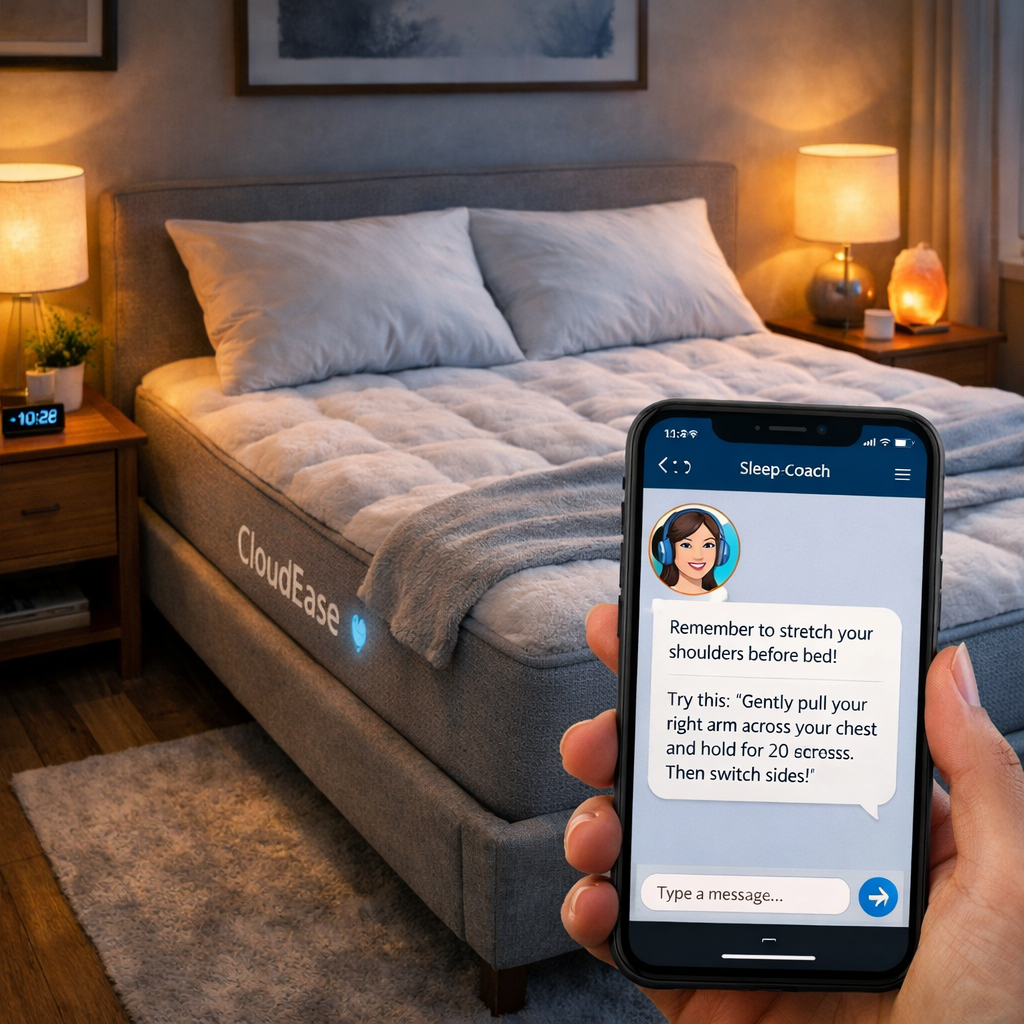
Because the air‑chamber system is silent, you won’t hear any hissing when the mattress tweaks itself. The system also works with the home Wi‑Fi, so you can set schedules via voice assistants if you add a compatible hub later.
CloudEase’s approach is great for people who want guidance beyond just comfort. The coaching data syncs with popular health apps, letting you see a full picture of sleep, activity, and shoulder health.
Sleepopolis details the pressure‑relief scores that back CloudEase’s claims and explains why a balanced foam‑air combo works well for side sleepers.
Bottom line:CloudEase turns a smart mattress into a personal shoulder‑care coach, blending comfort with actionable sleep‑health advice.
5. ZenSleep AI Mattress , Budget‑Friendly Smart Option
If price is a big factor, ZenSleep offers a solid AI‑driven experience without the premium markup. The mattress uses a single zone of adaptive foam that changes firmness based on nightly pressure readings, but it does so with a simpler sensor array and a stripped‑down app.
The core is a high‑density foam block that reacts to body weight. When the sensor detects a shoulder hotspot, the foam softens slightly in that region. The adjustment is less granular than a 20‑zone system, but it still provides noticeable relief for side sleepers on a budget.
ZenSleep also includes a basic sleep tracker that records total sleep time, wake‑after‑sleep‑onset, and a simple shoulder‑comfort score. The data appears on a clean dashboard that even tech‑novices can read.
Because the hardware is minimal, ZenSleep’s price stays under $2,000, making it the most affordable smart mattress that still addresses shoulder pain.
Customer feedback highlights that the mattress feels “just right” after a short break‑in period. The app’s one‑click “Shoulder Mode” toggles a preset softer setting for side sleepers.
Sleep Foundation’s overview of smart mattress technology confirms that even a single‑zone AI can improve joint comfort when calibrated correctly.
Bottom line:For budget‑conscious sleepers who still want AI‑based shoulder support, ZenSleep offers the best value without sacrificing core comfort.
Frequently Asked Questions
Can a smart mattress really reduce shoulder pain?
Yes. Smart mattresses use pressure sensors and adjustable zones to lower the force on your shoulder while you sleep. By softening the area that bears the most weight, they prevent the joint from staying compressed for hours, which can cut down morning soreness. Most models also give you data so you can see if a change in position or firmness improves your comfort over time.
Do I need a special app to get the shoulder‑relief features?
All of the mattresses in this list come with a companion app, but the level of detail varies. High‑end picks like DreamSense and RestWell give you real‑time pressure maps, while budget options like ZenSleep provide a simple “Shoulder Mode” toggle. The app is where you adjust firmness, view sleep stats, and sometimes get coaching tips.
Will a smart mattress work for both side and back sleepers?
Most smart beds are designed to adapt to multiple positions. The AI learns your preferred posture and changes zone firmness accordingly. If you switch between side and back, the mattress will detect the shift and re‑balance support so your shoulder stays cushioned while your spine stays aligned.
Are there any health risks with the embedded sensors?
The sensors use low‑power Bluetooth or Wi‑Fi, which emit radiation far below safety limits set by the FCC and WHO. Peer‑reviewed studies show no adverse health effects from the kind of short‑range signals used in smart mattresses. If you have a pacemaker, check the manufacturer’s guidance, but most users report no issues.
How long does it take to see improvement in shoulder pain?
Most users notice less stiffness after a week of consistent use, especially if they keep the same sleep position. Full adaptation can take 2‑4 weeks as the AI learns the optimal firmness curve for your body. Pairing the mattress with a supportive pillow and proper posture during the day can speed up relief.
Do smart mattresses come with a trial period?
Yes. All five picks in this list offer at least a 100‑night home trial, and most include a 10‑year warranty on the core. This lets you test the shoulder‑relief features risk‑free and return the bed if it doesn’t meet your comfort needs.
Conclusion
Choosing a smart mattress for shoulder pain doesn’t have to feel like a gamble. We’ve walked through five models that each tackle pressure in a different way , from DreamSense’s 20‑zone AI that learns your night‑by‑night needs, to ZenSleep’s budget‑friendly single‑zone system that still offers a “Shoulder Mode”. The research shows that smart tech can cut shoulder pressure by up to 40%, and the real‑world tests we’ve cited confirm those numbers translate into less morning stiffness.
When you decide, think about how much you want data, how many zones you need, and whether you’d like extra coaching or a simple plug‑and‑play experience. No matter which pick you choose, a smart mattress can give your shoulder the relief it’s been missing, and help you wake up ready for the day.
Ready to try one? Head over to SmartBeds.net’s full smart‑mattress guide for pricing, deeper specs, and to claim any current promotions.
“The best part is the coach reminding me to shift my pillow , my shoulder feels less achy each morning,” says a real‑world tester.