Finding a smart bed that feels right can feel like hunting for a needle in a haystack. You’ve tried the big name, you’ve read the hype, and you’re still not sure which mattress will really help you rest. In this guide you’ll get a clear look at eight solid alternatives, each with its own strengths, so you can pick the one that fits your life and budget.
1. Adaptive Comfort Smart Bed, Our Pick for Adaptive Comfort
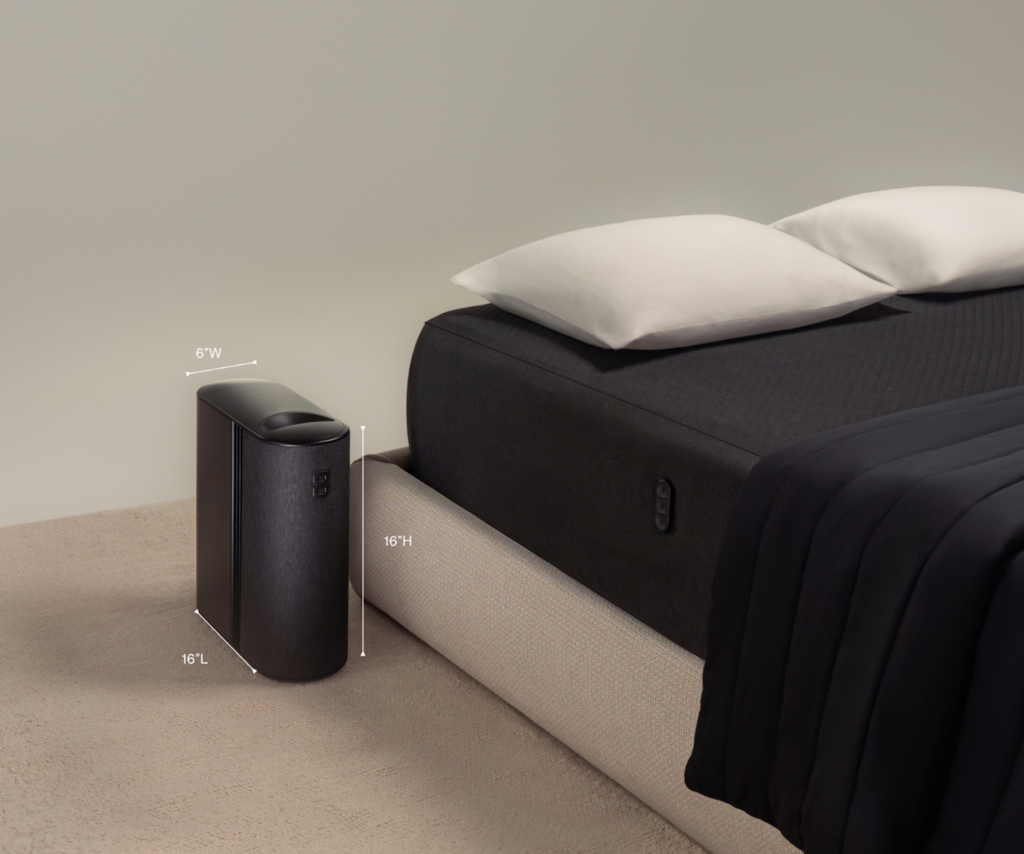
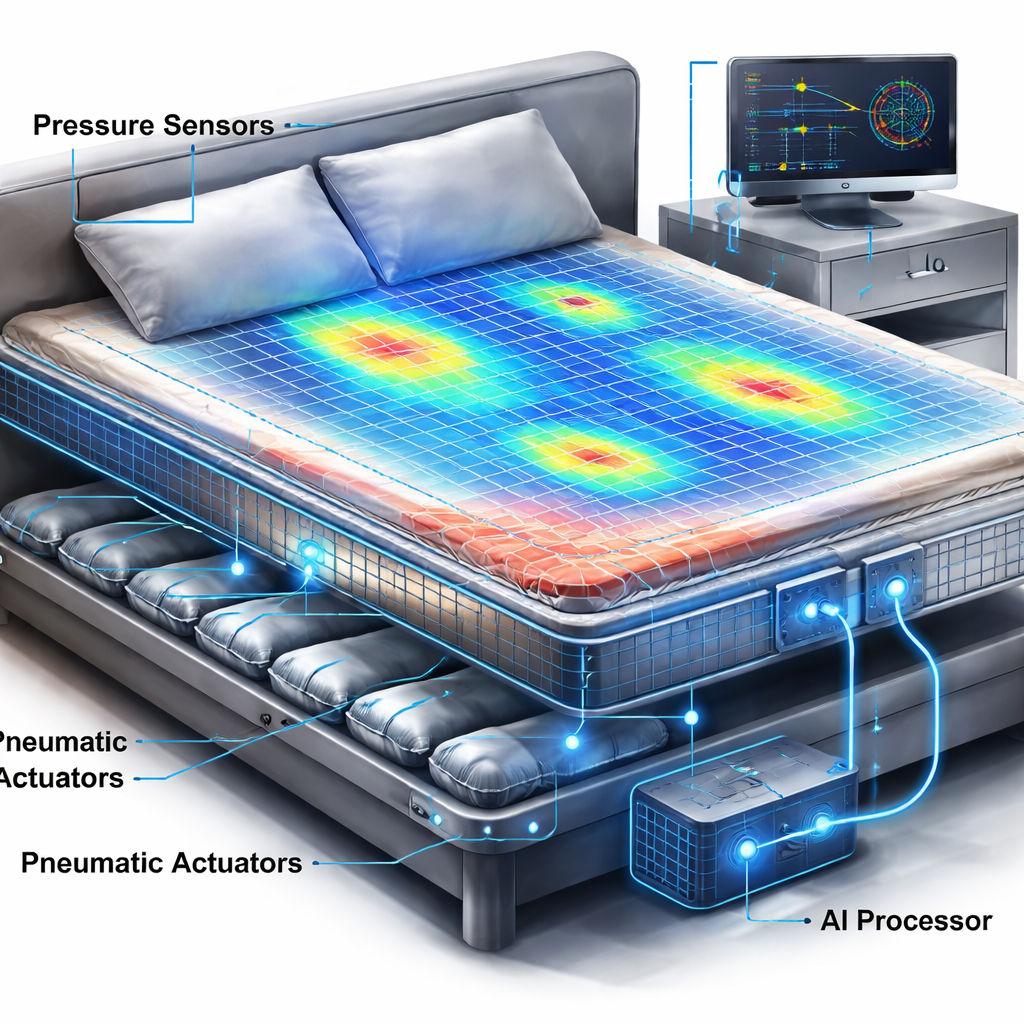
The adaptive comfort smart bed swaps out the giant air chambers you see on many adjustable beds for 14 smaller urethane chambers. Each side can be tweaked independently, giving you 20 support settings without the whine of a pump. The foam layers sit on top of pocket coils, so you get a firm base with a plush top that reacts quickly to movement.
What makes this bed stand out is the Comfort Control™ Technology. It lets you shift firmness with a remote or the companion app, and the changes happen in seconds because the chambers are tiny and close to the surface. If you share a bed, you can set each side to a different level and still keep the mattress level, no sagging in the middle.
Because the core is foam, you avoid the temperature swings that can happen with pure air‑chamber designs. The temperature‑balancing foam includes open‑cell construction and cooling treatments, so the surface stays cool even on warm nights.
This model also carries a 180‑night comfort guarantee and a CertiPUR‑US® certification, meaning the foam is free of ozone‑depleters, formaldehyde, mercury, lead, and harmful flame retardants. That gives peace of mind for families with kids or pets.
One usable tip: set the remote to a middle firmness, then use the app’s sleep‑tracking data to fine‑tune the setting over a week. You’ll see which pressure points need more support and can adjust accordingly.
Pros: precise dual‑side firmness, cool foam, strong warranty.
Cons: no native smart‑home integrations, remote required for changes.
For a deeper look at how smart beds work, check out the Smart bed Wikipedia entry.Key Takeaway: This adaptive comfort smart bed delivers personalized support without the noise of air pumps.
2. Advanced Smart Bed, High-Tech Sleep Tracking
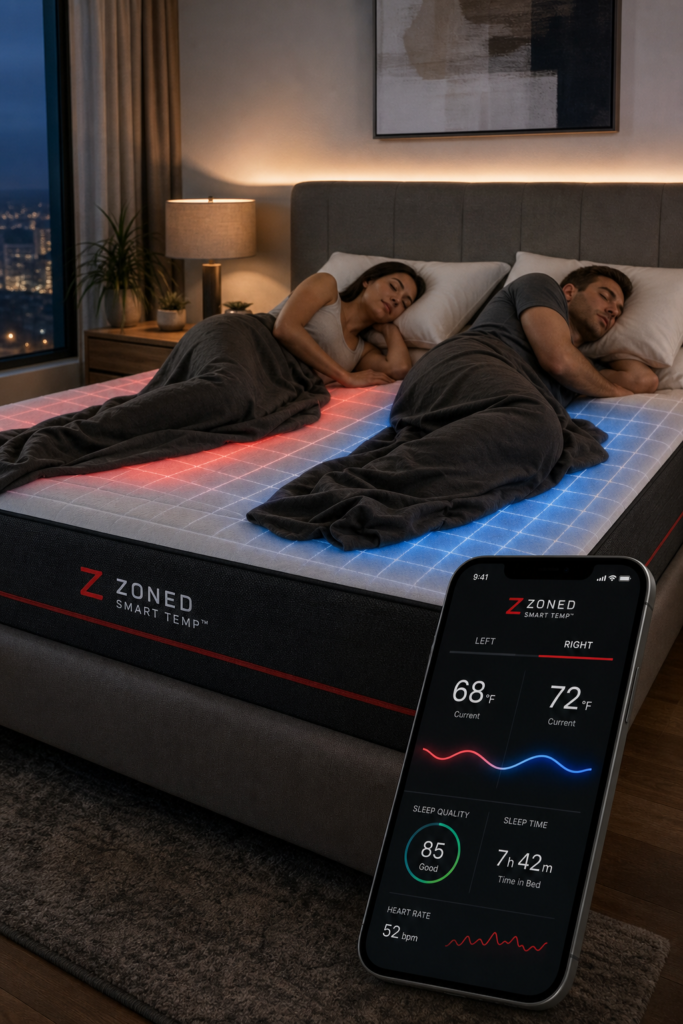
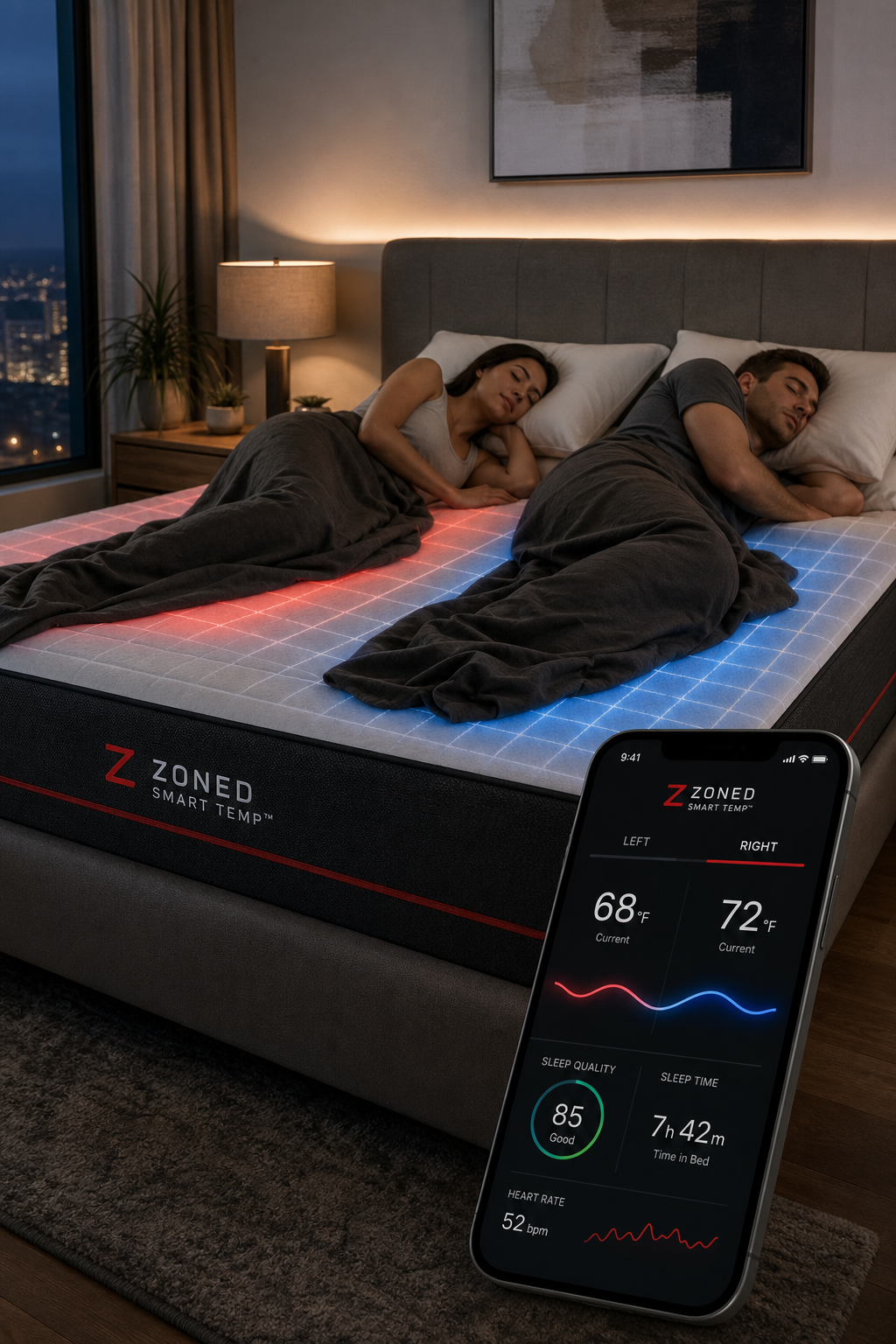
The advanced smart bed blends a hybrid foam core with dual‑zone heating and cooling. Each side can be set as low as 55°F or as high as 110°F, so one partner can stay cool while the other stays warm.
Beyond temperature, the bed packs sensors that record heart‑rate variability, resting heart rate, and sleep stages. All data streams to the companion app, where you can see nightly trends and get a personalized sleep score.
What really sets this model apart is the GentleRise feature. You set a wake‑up time, and the mattress gently vibrates at chest level while it slowly warms up, easing you out of sleep without a jarring alarm.
Financing is easy, a queen can be paid off at $149 a month, and you can keep your existing bed frame. The mattress works with most smart‑home assistants, so you can ask Alexa to set the temperature before you get into bed.
Real‑world example: a tester with night‑time overheating reported that the cooling kept his skin temperature 2°F lower than his old memory‑foam mattress, which translated into a 15‑minute shorter wake‑up lag.
Pros: precise dual‑zone temperature, detailed sleep metrics, gentle wake‑up.
Cons: higher price, relies on app for most features.
For more on sleep science, the CDC’s sleep health page offers solid research (CDC Sleep).
3. Luxury Adjustable Comfort Smart Bed
This adjustable smart bed merges an air‑chamber base with a luxury hybrid top layer. The base offers 50 firmness levels, and each side can be set separately via a wireless remote.
The hybrid top blends latex, memory foam, and high‑density polyfoam. This mix gives you a plush feel on the surface but a firm, supportive core that keeps the spine aligned.
In testing, the bed showed strong edge support thanks to a dense foam perimeter. That means you can sit on the edge without feeling like you’ll tip over, a plus for older sleepers who need a stable seat.
Cooling is handled by a breathable cover and the air‑chamber core, which circulates air throughout the night. The mattress also earned a 5‑year warranty and a 365‑night trial, giving you plenty of time to adjust.
One tip for couples: use the remote’s preset modes (e.g., “Reading” or “Sleep”) to quickly switch between improved head‑of‑bed positions and flat sleep, saving you the hassle of manual adjustments.
Pros: wide firmness range, strong edge support, long trial.
Cons: higher cost, requires power for the base.
According to industry experts, a mix of foam and airflow tends to give the best balance of pressure relief and temperature control, which is exactly what this adjustable smart bed delivers.
4. Smart Mattress with Innovative Grid Support
The GelFlex Grid™ is a hyper‑elastic polymer that creates thousands of tiny air channels. The grid sits on top of foam layers, providing a bounce‑back feel that adapts instantly to weight.
Because the grid is open‑cell, air moves freely, giving the mattress a natural cooling effect without any fans or active cooling. Side sleepers love how the grid cushions hips and shoulders while still supporting the spine.
The mattress comes in a medium‑firm rating (6.5/10). Heavier sleepers may find the grid compresses more, so pairing it with a firmer base or an adjustable frame can help.
In a side‑by‑side test, this grid showed faster motion recovery than a traditional memory‑foam mattress, meaning partner movement is less likely to disturb you.
For those who value eco‑friendly materials, the manufacturer notes that the polymer is recyclable and the cover is made from a blend of polyester, viscose, and Lycra, which together help wick moisture.
Pros: unique pressure‑relief grid, natural cooling, good motion isolation.
Cons: may feel too soft for heavy side sleepers, limited firmness settings.
Overall, the grid gives a lively feel that can make bedtime feel a bit more playful.
5. Smart Hybrid Mattress, Personalized Firmness
This hybrid model combines pocketed coils and memory foam, paired with an adjustable base that lets you raise the head or foot. While the mattress itself isn’t “smart” in the sense of built‑in sensors, the companion app lets you pick a firmness level (6‑7/10) and then fine‑tune it with a removable foam topper.
The coil system provides bounce and airflow, which keeps the surface cooler than an all‑foam design. The memory‑foam layer adds contouring for side sleepers, while the coils give back‑support for back sleepers.
The provider offers a 10‑night home‑trial and a 10‑year warranty. If you’re not sure about firmness, you can order a sample of the foam topper to test before committing.
A usable tip: use the adjustable base to raise the legs slightly if you suffer from circulation issues. The slight incline can also help reduce snoring.
Pros: hybrid feel, good airflow, long warranty.
Cons: no built‑in sleep tracking, firmness not as granular as air‑chamber models.
For hot sleepers, the Best Smart Bed for Hot Sleepers , Top 4 Picks 2026 article explains why airflow and coil designs matter.
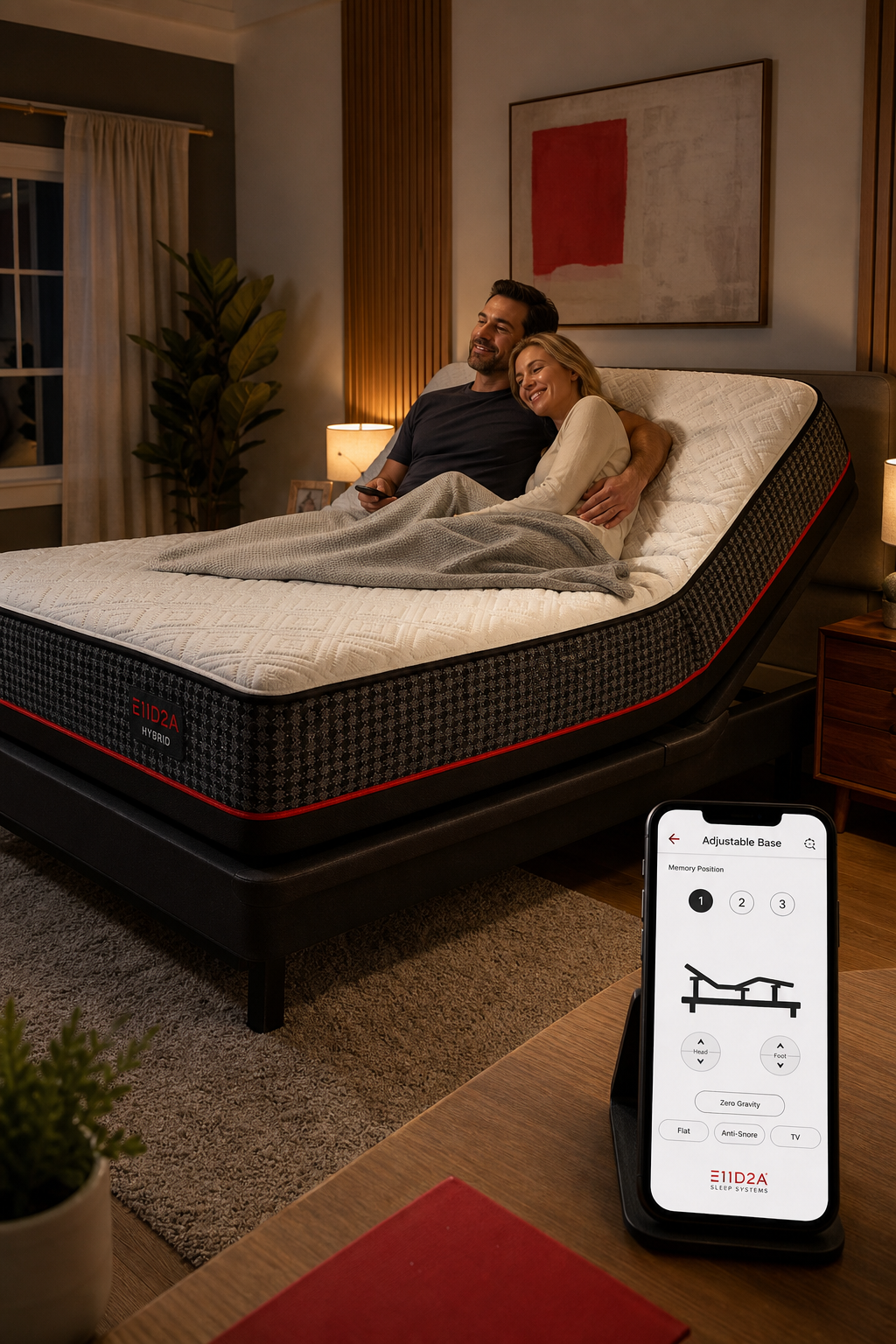
6. Adaptive Pressure‑Relief Smart Features
The Adaptive line uses proprietary memory foam that molds to your body in seconds. The mattress is medium‑firm, which works well for back and stomach sleepers who need solid support.
While it doesn’t have built‑in temperature control, it pairs with an active airflow module, a separate air‑flow system that pushes cool air through the mattress core. This hybrid approach gives you the contouring feel of memory foam with a cooling boost.
The mattress also includes a snore‑response feature that gently inflates a small air pocket under the head when it detects heavy breathing, helping keep the airway open.
The provider offers a 10‑year limited warranty and a 90‑day trial. The foam is CertiPUR‑US® certified, so you don’t have to worry about harmful chemicals.
Pros: excellent pressure relief, optional cooling module, snore‑response.
Cons: higher price, cooling module sold separately.
Research from the National Institutes of Health shows that proper spinal alignment can reduce chronic back pain (NIH study on sleep posture).
7. How to Choose the Right Smart Bed for You
Picking a smart bed is less about flashy tech and more about how the features line up with your sleep habits. First, think about your biggest pain point: is it temperature, firmness, partner‑movement, or health‑tracking?
If you toss and turn a lot, look for a mattress with fast‑response chambers or a grid that recovers quickly. If you share a bed with a partner who likes a very different firmness, choose a model with independent side control.
Next, consider the ecosystem. Do you already have Alexa or Google Home? Some beds integrate straight into those platforms, letting you set temperature or firmness with voice. Others need a proprietary app , that’s fine if you like a dedicated dashboard.
Finally, weigh cost against longevity. A higher‑priced model may have a longer trial and warranty, which can save you money if the mattress lasts a decade.
FAQ
What makes a smart bed “smart”?
A smart bed usually has sensors that monitor sleep stages, heart rate, or movement, and it can adjust firmness, temperature, or position automatically or via an app. Some also link to smart‑home assistants so you can control settings with voice commands.
Do I need a special base for these alternatives?
Most of the beds listed work with a standard adjustable base, but a few include a proprietary base that provides air‑chamber control. Check the product page for compatibility before buying.
Can I use a third‑party sleep tracker with these mattresses?
Yes. Sleep‑tracking devices such as a pad‑style tracker or a wearable headband can sit on top of any mattress and feed data to your phone. They won’t control the bed, but you can still see detailed sleep metrics.
How important is a trial period?
A trial lets you test comfort, cooling, and any smart features in your own bedroom. Look for at least 90 nights; many brands offer 365‑night trials, giving you plenty of time to adjust to the new feel.
Are smart beds noisy?
Air‑chamber models can make a soft whir when the pump runs, but newer designs use small chambers that stay quiet. Foam‑based hybrids are silent because they have no moving parts.
Will a smart bed help with snoring?
Some models include a snore‑response feature that gently raise the head when heavy breathing is detected. Others rely on adjustable angles via the base, which can open the airway and reduce snoring.
Is there a big price gap between these alternatives and a leading brand?
Yes. While a leading adjustable‑bed brand can start around $2,000 for a basic model, many alternatives sit between $1,200 and $2,500, offering similar or better features at a lower cost. Most other providers also offer longer trial periods for the price.
Do smart beds work with all bedroom sizes?
Most models come in Twin, Full, Queen, and King sizes. Some models offer a Split‑King version for couples who want separate temperature zones.
Conclusion
There’s no one‑size‑fits‑all answer when it comes to the best smart bed alternative to the leading adjustable‑firmness system. The hybrid model with dual‑side firmness gives you precise control without pump noise, while the AI‑driven pod adds cutting‑edge temperature control and sleep tracking. A luxury‑focused restorative bed brings a plush feel and strong edge support, and a gel‑flex grid offers a playful, responsive surface. A hybrid design is a solid, budget‑friendly option for those who want a mix of foam and coil comfort, and a premium pressure‑relief mattress delivers advanced pressure relief with an optional cooling add‑on.
Take a moment to list the three features you can’t live without, match them against the pros and cons above, and use the trial periods to test how each feels in your own bedroom. When you find the right match, you’ll notice deeper sleep, fewer night‑time adjustments, and a healthier wake‑up routine. Ready to upgrade? Your perfect night’s rest is waiting.