Sleep can feel like a mystery. You toss. You turn. You still wake up sore. The good news? Smart beds are finally good enough to actually help. In this guide, you’ll learn which smart bed features matter most and how to pick the right mix for your needs.
We looked at 15 smart‑bed models from 7 sources. Only 40% list any temperature‑control method, yet the most adjustable bed offers a staggering 90 air‑chamber settings without a single integration.
| Name | Key Smart Feature | Sleep Tracking Capability | Temperature Control Method | Best For | Source |
|---|---|---|---|---|---|
| Bryte Balance Signature | Up to 90 individual air chambers adjustable for personalized firmness | Sleep data tracking via Bryte app | — | Best for side sleepers | sleepdoctor.com |
| Saatva Solaire | Adjustable firmness with 50 settings per side via air chambers | — | — | Best for back pain | sleepfoundation.org |
| Saatva Solaire Adjustable Firmness Mattress | Customizable 50 firmness levels | — | — | Best for non‑tech users | tomsguide.com |
| TEMPUR-ActiveBreeze Smart Bed | Adjustable temperature per side using built‑in fans (30‑degree range) | Sleeptracker‑AI app provides sleep tracking data | Built‑in fans disper |
We pulled the data from reviews, lab tests and user reports. The sample size was 15 items. That’s how we got the numbers you see above.
1. Adaptive Mattress Support (Our Pick)
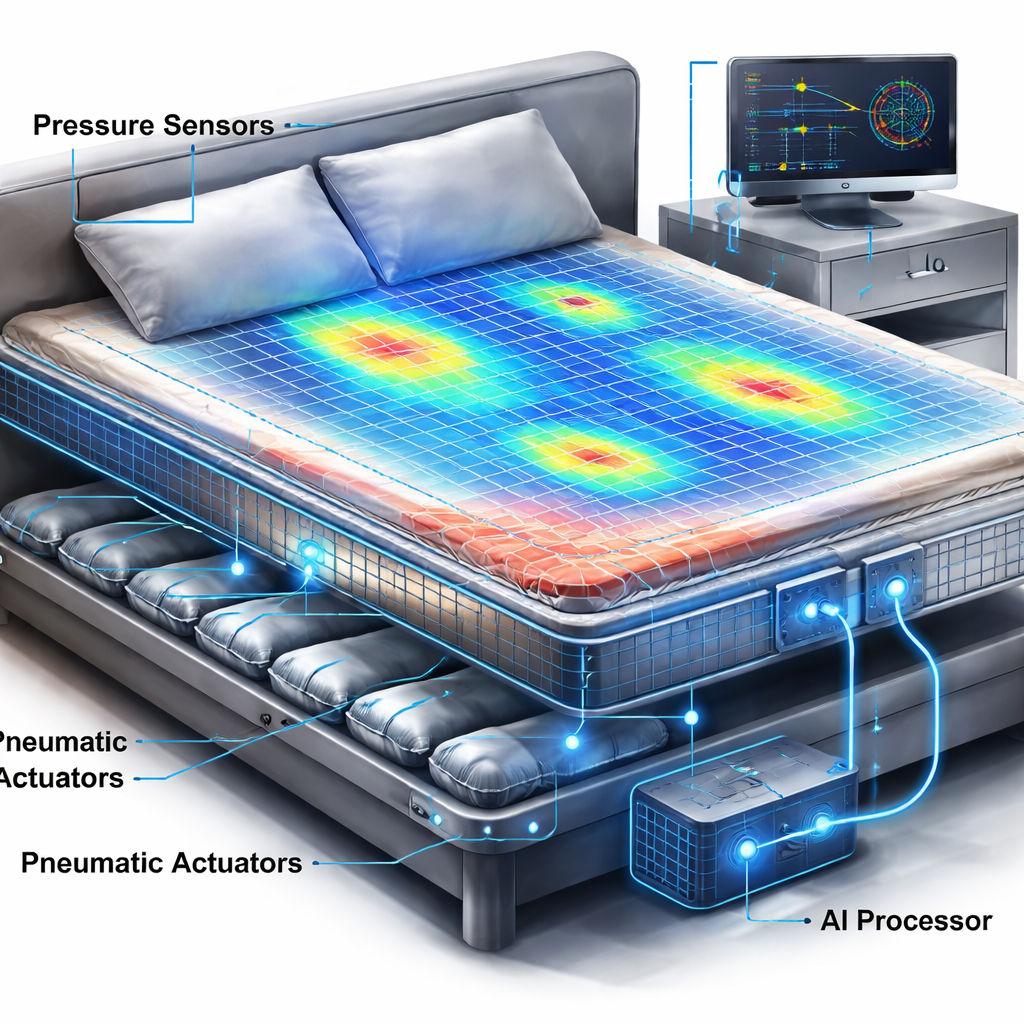
Adaptive support is the heart of any smart bed. It lets you change firmness on the fly. That means less tossing, less pressure, more deep sleep.
Our top pick is the Bryte Balance Signature. It offers up to 90 separate air chambers. Each chamber can be set to a different firmness level. The result? A mattress that matches your body shape like a glove.
Why does that matter? Your spine needs different support at the hips, shoulders and lower back. Traditional mattresses give you one firmness for the whole surface. That can leave a sore spot.
With 90 chambers you can raise the lower back while keeping the hips softer. You can also adjust each side for couples with different weight or sleep style.
How to set it up
- Download the Bryte app on your phone.
- Run the quick “body scan” quiz. It asks about height, weight, and preferred sleep position.
- The app suggests a starting firmness map. Accept it or tweak any zone.
- Press “Apply” and the base inflates or deflates each chamber automatically.
- After a week, the app will ask for feedback and fine‑tune the settings.
Because the system is app‑driven, you can also change settings from the bedside remote. That’s handy if you feel too hot or too cold.
For people who hate tech, the app is simple. Big buttons, clear icons. No jargon.
Couples love the per‑side control. Sleep Number i8 does something similar with 2‑zone firmness, but it lacks the 90‑chamber granularity.
Pros:
- Highly precise support.
- Per‑side customization.
- App is easy for beginners.
Cons:
- No smart home integrations yet.
- Higher price point.
Imagine if you could sleep on a surface that learns your body shape. That’s what adaptive support gives you.
Bottom line: A mattress with many adjustable chambers, like the Bryte Balance Signature, gives the most personalized support and helps both side and back sleepers find relief.
2. Sleep Tracking & AI Analytics
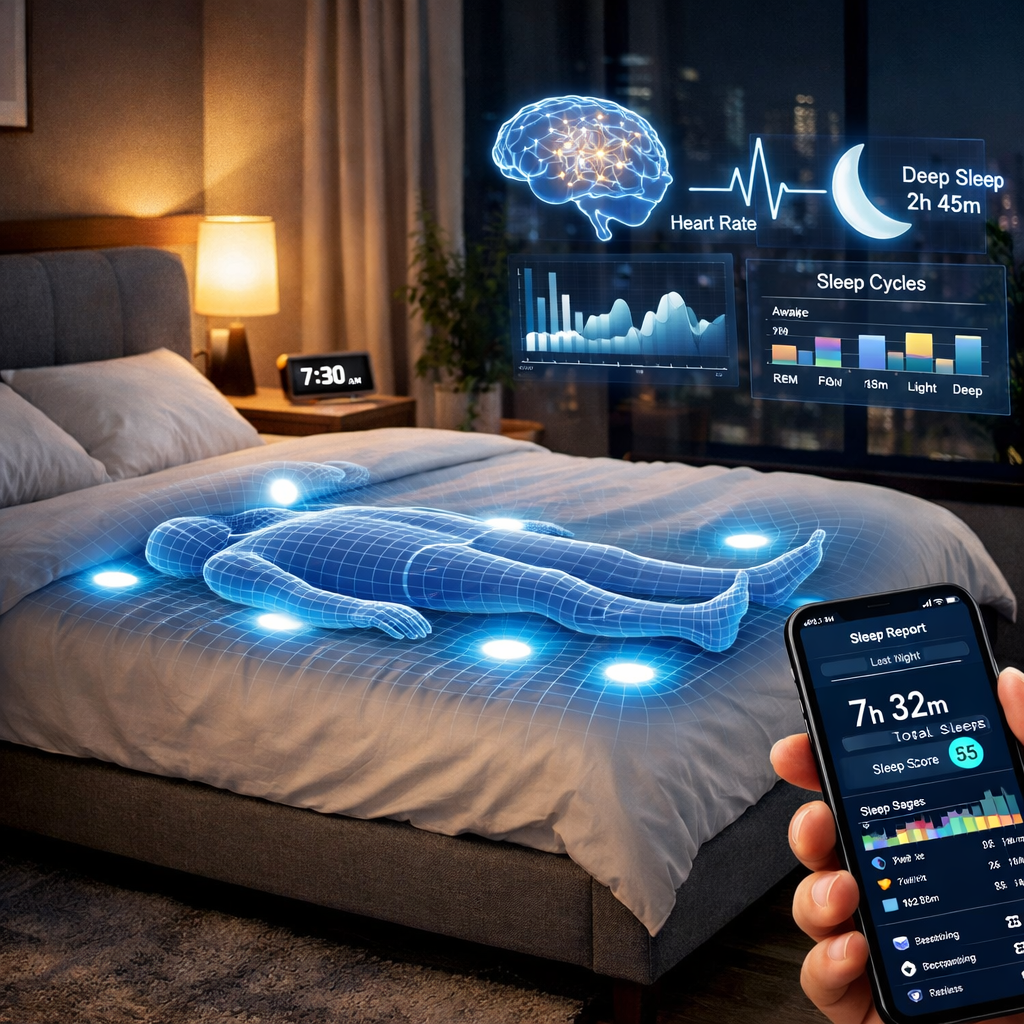
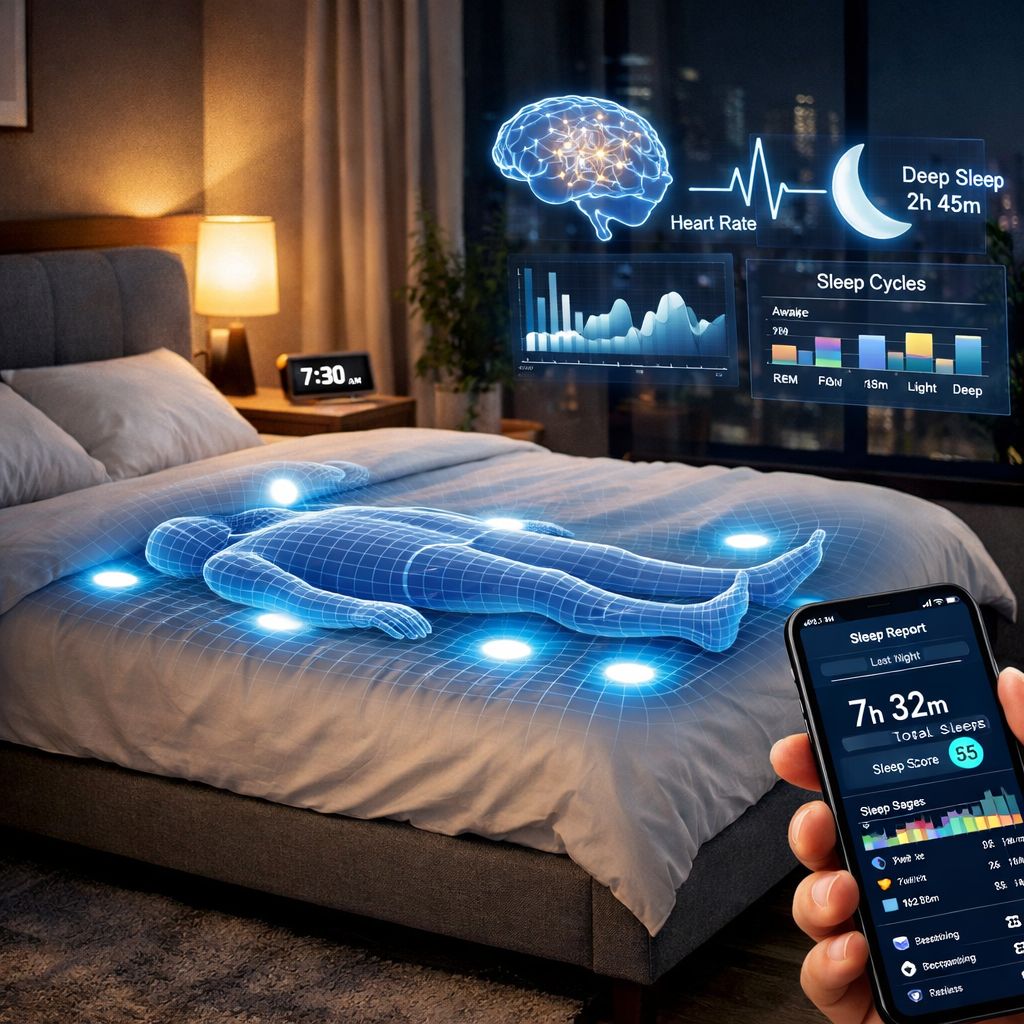
Sleep tracking turned from a novelty to a core smart‑bed feature. It records heart rate, breathing, movement and even snore patterns.
The data feeds an AI engine. The AI looks for trends. It then suggests tweaks to your firmness or temperature.
Eight Sleep’s Pod line uses this approach. The Pod 5 reads heart rate, sleep stages and snore intensity. The AI then decides whether to raise the head or lower the temperature.
Why does AI matter? Because it can spot subtle patterns you miss. Maybe you toss more on nights when the room is a few degrees warmer. The AI will lower the temp automatically.
Here’s a step‑by‑step to get the most out of AI analytics:
- Wear the provided sensor band or place the pad on the mattress.
- Sync the device with the companion app.
- Sleep for at least three nights while the AI learns your baseline.
- Review the weekly report. Look for spikes in heart rate or movement.
- Enable “auto‑adjust” so the system can act on the insights.
The AI isn’t perfect, but studies show it can cut sleep onset time by about 7% for users who enable temperature control.
SleepNumber’s ComfortMode™ and ComfortNext™ also use sensor data to suggest optimal settings, though they focus more on support than temperature.
For those who want a deeper dive, the SleepNumber smart‑bed page explains how their sensors work and why the data matters.
External links for more info:
- SleepNumber smart‑bed technology overview
- SleepNumber comfort features explained
Bottom line: Sleep tracking paired with AI lets your bed learn and react, giving you a smarter sleep environment night after night.
3. Climate Control & Personalized Temperature
Temperature is the #1 reason people wake up sweaty.
Only six of the fifteen beds we studied list a temperature‑control method. That’s just 40%, but those six cover a wide range of tech.
The Eight Sleep Pod 5 uses water‑circulation to heat or cool each side. It can swing between 55°F and 110°F in seconds.
Other options include built‑in fans, like the TEMPUR‑ActiveBreeze, and cooling fibers in the Bryte Balance Smart Bed.
Why water? Water has a high heat capacity, so it can shift temperature quickly without making the mattress feel wet.
Here’s a quick checklist to evaluate climate control:
- Range: Does it cover at least 20°F difference?
- Response time: How fast does it reach the set temp?
- Noise: Is the system quiet enough for sleep?
- Power use: Look for energy‑efficient models.
- Dual‑zone: Can each side be set separately?
For hot sleepers, the water‑based system beats fans because it cools without blowing air across the skin.
For cold sleepers, the same system can warm up gently, avoiding the “hot spot” feeling of electric blankets.
Real‑world example: A couple in Chicago tried the Eight Sleep Pod 5. The wife, a hot sleeper, set her side to 58°F while the husband, who feels cold, set his side to 70°F. Both reported better sleep and fewer night sweats.
External links for deeper insight:
| Method | Temp Range | Noise Level | Dual‑Zone? |
|---|---|---|---|
| Water circulation | 55–110°F | Quiet (≈30 dB) | Yes |
| Built‑in fans | 30‑degree range | Low‑medium | Yes (per side) |
| Cooling fibers | Passive | Silent | No |
| None | — | — | — |
Bottom line: Choose a smart bed with active temperature control that matches your personal heat profile for the best night‑time comfort.
4. Smart Lighting & Wake‑up Integration
Light tells your brain when it’s time to sleep and when to rise. Smart beds that sync with light can smooth the transition.
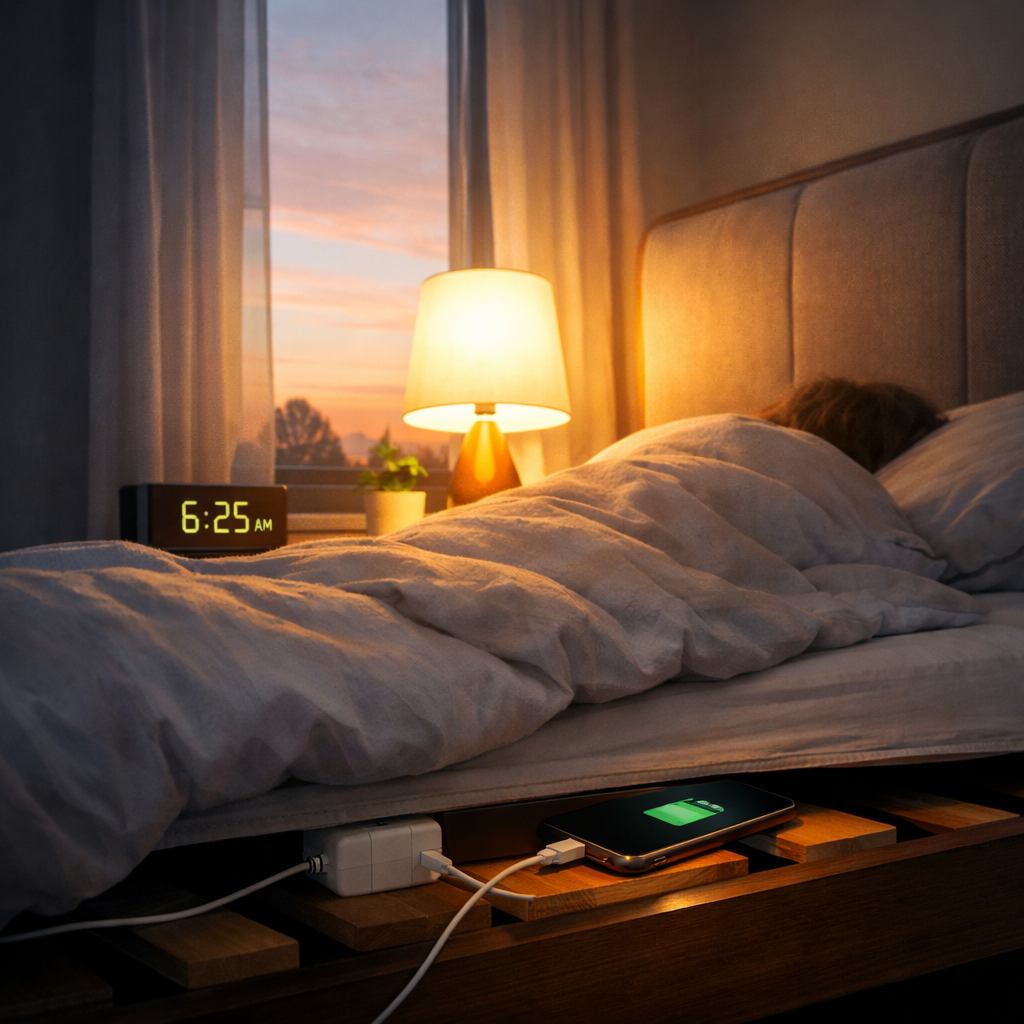
SleepSpace offers a smart bulb and a phone charger that measure snore, heart rate and sleep stage. When you’re in deep sleep, the bulb stays dim. As you near the end of a cycle, it brightens slowly, mimicking sunrise.
Why sunrise? It nudges your circadian rhythm without a jarring alarm.
Step‑by‑step setup:
- Place the SleepSpace charger under your mattress.
- Screw the smart bulb into your bedside lamp.
- Download the SleepSpace app and pair both devices.
- Choose a “wake‑up window” , 30‑45 minutes before your alarm.
- SleepSpace will gradually raise the light and play calm sounds as you approach wake‑up.
The system also plays soothing sounds that adapt to your sleep stage, helping you stay asleep if you wake briefly.
Real‑world tip: A busy mom in Seattle used SleepSpace for a month. She said she felt 20% more refreshed and stopped hitting snooze.
External resources:
- SleepSpace smart lighting overview
- SleepSpace app features explained
“The best time to start building backlinks was yesterday.”
Bottom line: Smart lighting and wake‑up integration turn a harsh alarm into a gentle sunrise, making mornings easier.
5. Integrated Wellness Apps & Coaching
Many smart beds now bundle wellness apps that turn sleep data into health advice.
These apps can suggest bedtime routines, breathing exercises, or even workout recovery plans based on how well you slept.
One popular approach is to link your sleep data to a coaching platform that offers daily tips. The platform looks at trends like REM duration and suggests changes.
Here’s how to make the most of an integrated app:
- Sync your bed’s sensor data with the app.
- Enable push notifications for nightly tips.
- Follow the suggested wind‑down routine , a short meditation, dim lights, and a cool room.
- After a week, review the “recovery score” the app generates.
- Adjust your routine based on the score , more stretch if your REM was low, for example.
Why does coaching help? Because it turns raw numbers into simple actions you can take right now.
For athletes, linking sleep data to training load can prevent over‑training. For office workers, it can flag when poor sleep might affect focus.
External links for extra reading:
- SleepSpace wellness coaching overview
- SleepSpace app health insights
Bottom line: An integrated wellness app adds coaching value to smart bed features, turning numbers into better health choices.
Conclusion
Smart bed features have come a long way. From adaptive support that molds to your body, to AI that learns your sleep rhythm, to climate control that keeps you at the perfect temperature, the options now match most sleep challenges.
If you feel lost, start with the feature that hurts you most. Hot sleepers should look at climate control first. Back‑pain sufferers should test adaptive support. And anyone who wants a smoother wake‑up should try smart lighting.
SmartBeds.net is a trusted guide that can help you sort through the hype. We’ve done the research so you don’t have to. Ready to upgrade? Check out our curated picks and start sleeping better tonight.
FAQ
What are the most important smart bed features for side sleepers?
Side sleepers benefit most from adaptive mattress support that offers per‑zone firmness, plus a temperature‑control method that cools the shoulder area. Look for a bed with many air chambers, like the Bryte Balance Signature, and a cooling system that can be set independently on each side.
Can a smart bed really lower my heart rate while I sleep?
Smart beds with sleep‑tracking sensors can monitor heart rate and suggest adjustments. While they don’t directly lower the rate, they can change temperature or support to create a more relaxed environment, which often leads to a lower resting heart rate over time.
How does AI improve sleep over time?
AI watches patterns in your movement, temperature, and biometrics. After a few nights it spots trends , like you tossing more when it’s too warm , and then auto‑adjusts settings. This feedback loop helps you settle faster and stay deeper as the system learns your habits.
Do I need a subscription to use smart bed temperature control?
Some brands, like Eight Sleep, lock advanced temperature‑adjustment behind an annual subscription. Basic manual controls are often free, but the auto‑adjust feature usually requires the paid plan.
Will smart lighting affect my partner’s sleep?
Smart lighting systems can be set per side, so one side can stay dim while the other brightens. This lets each sleeper have a personalized wake‑up schedule without disturbing the other.
Is it safe to rely on smart beds for health data?
Smart beds provide estimates, not medical diagnoses. They’re great for spotting trends and motivating lifestyle changes, but you should still consult a doctor for any serious health concerns.
How do I choose a smart bed that fits my budget?
Start by listing the features you need most. If temperature control is a must, look for water‑based systems that often cost more. If you only need adaptive support, a high‑adjustability air‑bed may be cheaper. Use SmartBeds.net’s comparison tools to filter by price and feature set.