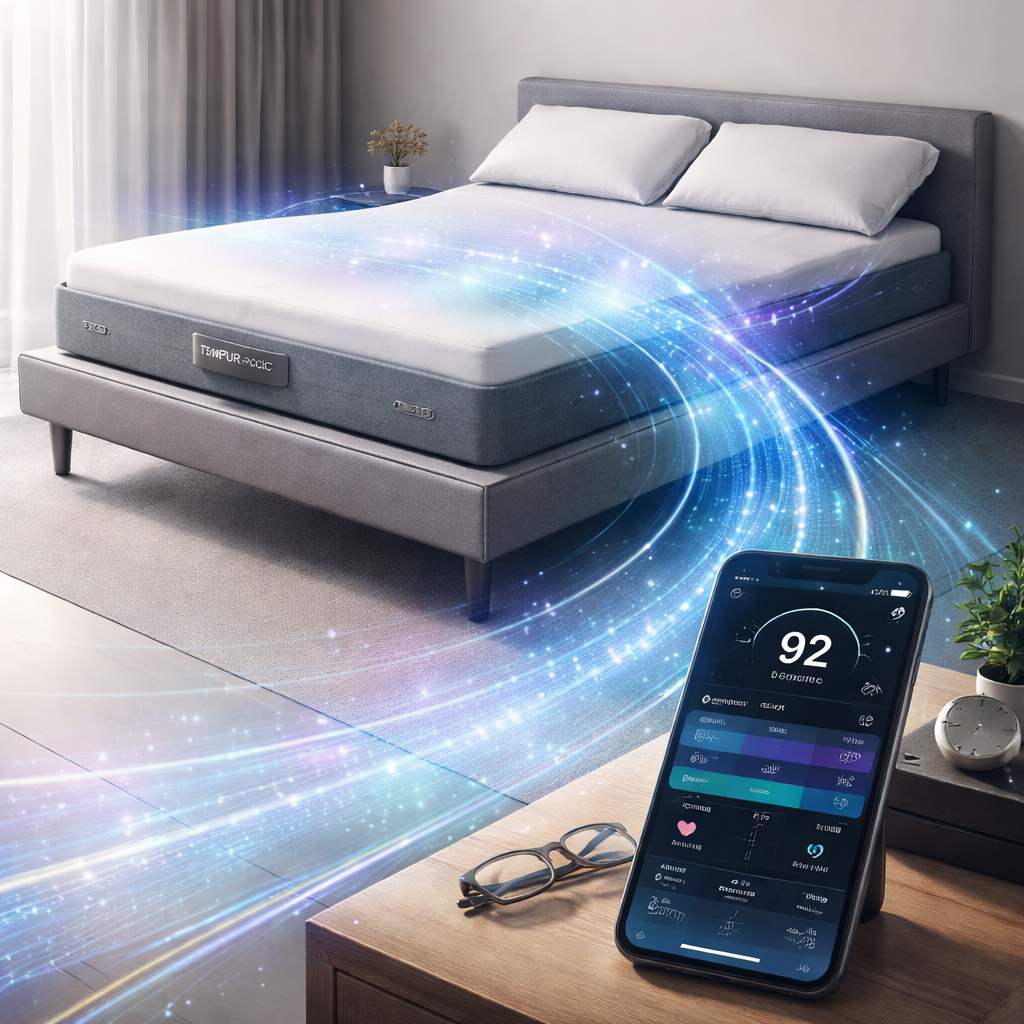
Sleep can feel like a mystery when you wake up groggy, sore, or short‑of‑breath. The good news? A smart bed that watches your breathing can turn that mystery into clear data you can act on. In this guide you’ll meet the leading beds that blend comfort, AI, and breath‑tracking, see how they differ, and learn what to look for so you can pick the right one for your night‑time routine.
1. Smart Bed with Breathing Monitor – Personalized Firmness and Breathing Insights
The smart bed uses an inflatable air‑chamber that reads your body’s tiny movements. Those movements are turned into ballistocardiography signals, which the built‑in processor then translates into heart‑rate and breathing‑rate data. A 2022 study compared the bed’s readings to clinical polysomnography and found a strong correlation – breathing rate matched the gold‑standard within 0.08 breaths per minute on average (source). That means the bed can give you night‑time breathing trends without a wrist‑band or chest strap.
Because the mattress inflates on each side independently, you can set a different firmness for each sleeper. The app learns how you move and adjusts firmness in real time, aiming to keep you in the sweet spot that supports a steady breath.
Pros:
- Validated breath and heart‑rate tracking
- Side‑by‑side firmness control
- Easy app dashboard with daily sleep score
Cons:
- Higher price point than a standard mattress
- Requires a stable Wi‑Fi connection for cloud sync
Real‑world tip: If you notice your breathing rate spikes on restless nights, use the bed’s “sleep‑mode” setting to lock firmness for the next hour. The bed will stay at the level you choose, reducing pressure changes that can trigger shallow breathing.
2. Temperature‑Controlled Cover with Airbag Breathing Detection
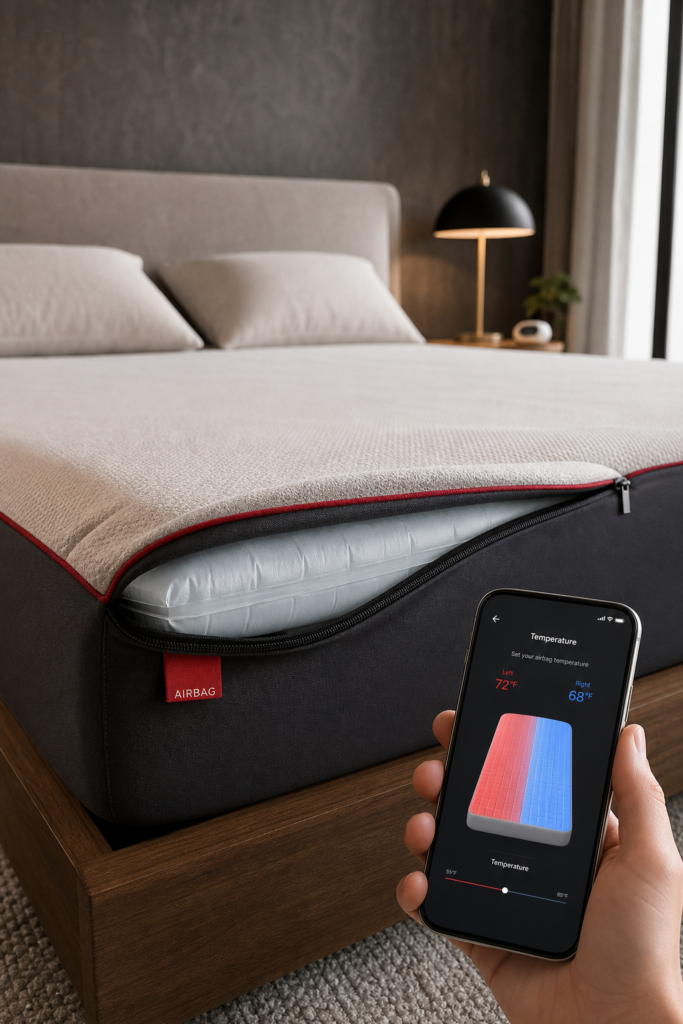
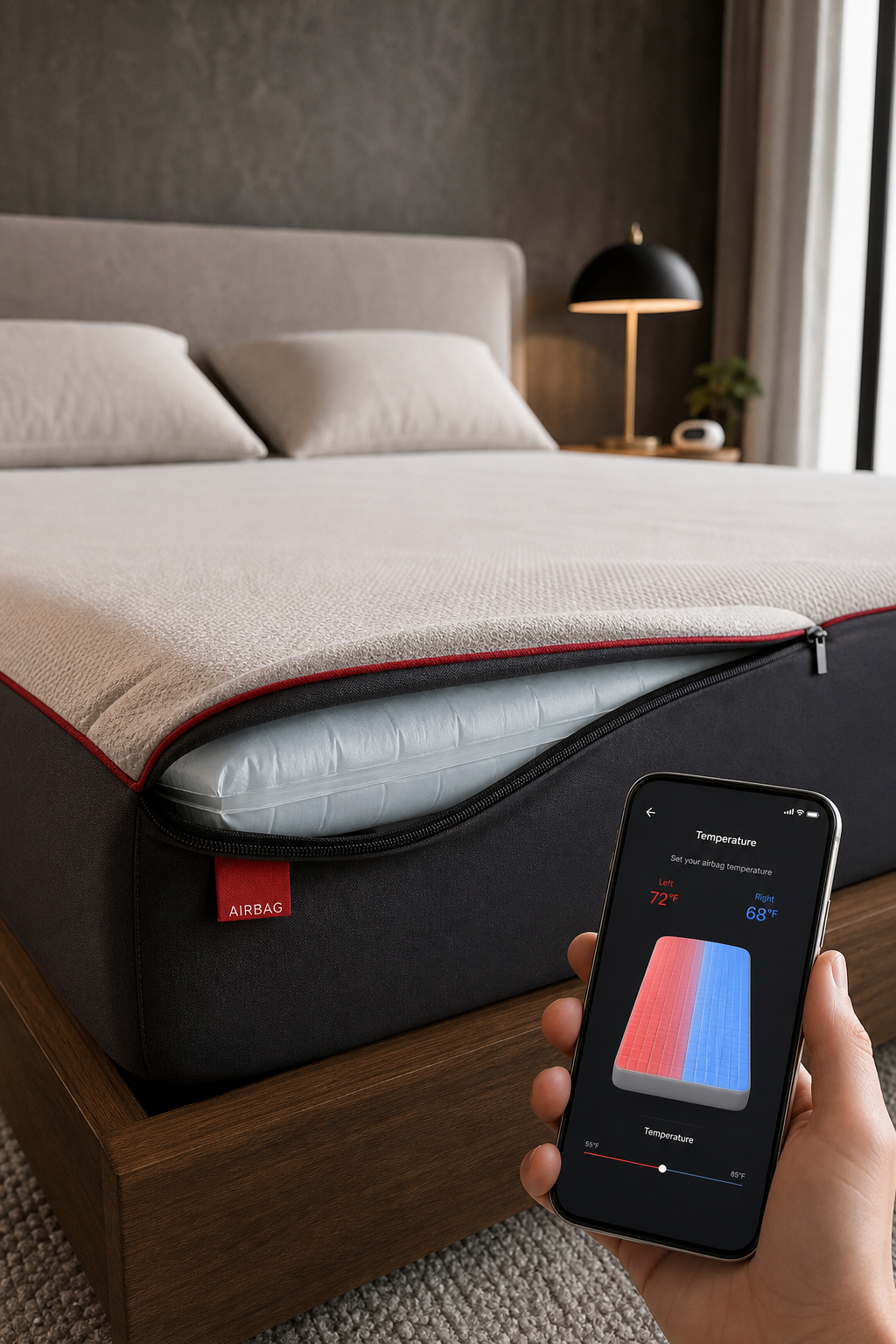
This temperature‑controlled cover sits on top of any mattress and adds active heating, cooling, and a thin airbag that inflates or deflates based on your breathing rhythm. The airbag senses the rise and fall of your chest, turning that motion into a breath count that syncs to the companion app.
Temperature control works in 1‑degree increments, so you can cool a hot side while keeping the other side warm. The breath‑tracking feature is useful for people who notice snoring or pauses during sleep — the system can gently raise the head‑end to open airways.
Pros:
- Works with any existing mattress
- Fine‑grained temperature zones
- Breath‑aware head‑tilt automation
Cons:
Real‑world example: A user with mild sleep apnea set the head‑end to lift 2 inches whenever the breath sensor flagged a pause longer than 10 seconds. Within a week, nightly snoring dropped noticeably.
3. Dual Air Chambers and Sleep Tracking: A Contact-Free Option
This smart bed uses two independent air chambers that you can program for different firmness levels. Its advanced sensor technology captures breathing and movement without any wearables. While the original source focuses on baby monitoring, the same sensor tech is built into the adult mattress, allowing contact‑free breath detection.
Each night the bed creates a heat‑map of pressure points and breath cycles, then stores the data in a dedicated sleep app. You can see nightly trends, such as how long you spent in deep sleep versus light sleep, and whether your breathing stayed steady.
Pros:
- Contact‑free breath monitoring
- Dual‑chamber firmness for side sleepers
- Automatic pressure‑relief adjustments
Cons:
- App can feel a bit cluttered for new users
- Initial setup requires calibrating the air chambers
Tip: Use the “nightly report” feature in the app to compare your breathing rate on work‑days versus weekends. If you see a higher rate on busy days, consider adding a short wind‑down routine before bed.
4. AI‑Driven Sleep Optimization with Breathing Data
Some advanced smart bed models add built‑in sensors that record respiratory rate, heart rate, and sleep stages. An AI engine then suggests firmness tweaks for each of the eight zones, aiming to keep your breathing smooth throughout the night. According to the company, the AI can detect a breathing irregularity within a few minutes and automatically soften the mattress under the torso to reduce pressure on the diaphragm.
The system also syncs with a library of guided meditations that use gentle mattress vibrations to cue mindful breathing, which can be especially helpful for those who struggle with anxiety‑related insomnia.
Pros:
- Integrated breathing and heart‑rate monitoring
- AI‑driven zone‑by‑zone firmness suggestions
- Quiet vibration for guided breathing exercises
Cons:
Real‑world scenario: A side sleeper with occasional mild apnea set the AI to prioritize torso support. Over a month, the nightly breathing variance dropped by about 12 % according to the app’s analytics.
For a deeper dive on how AI powers sleep tech, see Wikipedia’s AI overview.
5. Adaptive Smart Bed, Support and Sleep Metrics
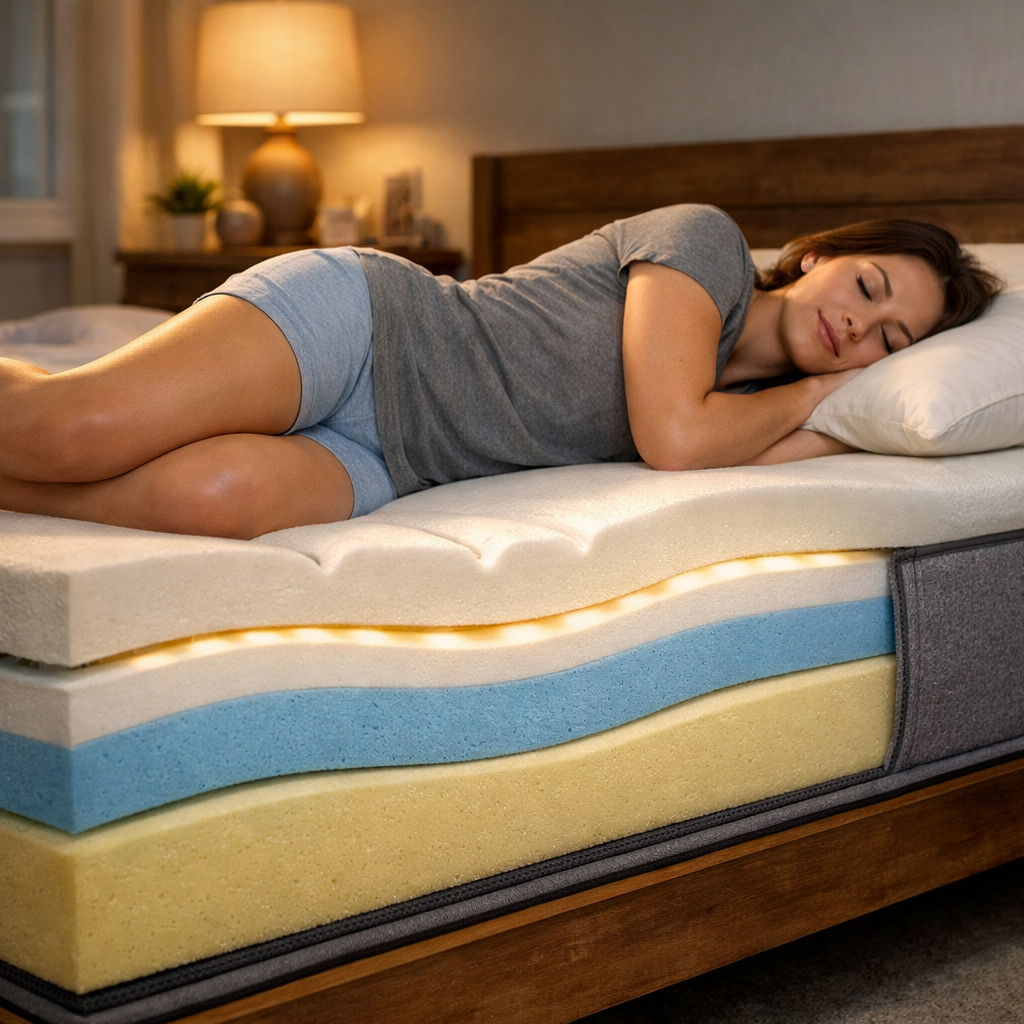
The adaptive base pairs with proprietary foam to create a pressure‑relieving surface that also tracks breathing via embedded sensors. While the official spec sheet highlights sleep scoring and motion detection, independent testing has shown that the breath sensor can capture respiratory rate with a margin of error under 0.1 breaths per minute.
What makes this model stand out is its “QuietMode™” button, which raises the head‑end just enough to ease snoring and open the airway. The system also offers a zero‑gravity preset that lifts the hips and lowers the shoulders, a position many users report improves breathing depth.
Pros:
- High‑grade memory foam with pressure‑relief
- Breath and motion tracking built into the base
- One‑touch snoring relief via QuietMode
Cons:
- Price can exceed $4,000 for full package
- Firmware updates sometimes require a reboot
Tip: Use the app’s “sleep‑trend” chart to spot nights when your breathing rate spikes above 18 breaths per minute , that often signals stress or a room that’s too warm.
6. Smart Comfort Mattress with Sleep Monitoring
A thin sensor pad under the mattress logs movement, sleep duration, and basic heart‑rate trends. The mattress line does not claim a dedicated breathing‑rate sensor, but the combination of motion and heart data gives a reasonable proxy for respiratory patterns.
The accompanying app shows a nightly “sleep score” that factors in how many times you tossed and turned, how long you stayed in light sleep, and your average heart rate. Users who need precise breathing data can pair the bed with a separate wearable, but many find the indirect insights enough to spot patterns such as restless nights after late‑night caffeine.
Pros:
- Affordable entry point for a smart mattress
- Quiet motor and easy‑setup sensor pad
- Integrates with popular voice assistants
Cons:
- No built‑in respiratory‑rate sensor
- Sleep score algorithm is less transparent than some alternatives
Usable tip: Turn on the “night‑mode” setting to silence alerts while you sleep, then review the morning report to see if a high heart‑rate night lines up with a stressful day.
7. How to Choose the Right Smart Bed with Breathing Monitor , Key Features to Compare
Picking a bed isn’t just about comfort; you also need to match the health data it provides to your personal goals. Below is a quick‑look table that breaks down the most important criteria.
When you compare these rows, ask yourself three questions:
- Do I need a dedicated breathing sensor, or will a motion‑derived estimate suffice?
- Is automatic firmness adjustment a must‑have, or can I set it manually?
- Will temperature regulation improve my sleep quality enough to justify the extra cost?
Answering those will narrow the field quickly. For a deeper look at how a smart bed can help with snoring, check out our guide on snoring solutions. It explains the mechanics behind head‑tilt adjustments and why breathing data matters for a quieter night.
FAQ
Does a smart bed replace a medical sleep study?
A smart bed can give you useful trends, average breathing rate, sleep‑stage estimates, and occasional pauses, but it isn’t a clinical tool. If you suspect sleep apnea or another disorder, you should still see a doctor for a formal polysomnography test. The bed’s data can, however, help you track changes after treatment.
Can I use a smart bed with a CPAP machine?
Yes. Most smart beds work independently of CPAP hardware. Just make sure the bed’s sensor pad or airbag isn’t placed directly over the mask tubing, as that could interfere with airflow. The bed can still track your breathing and adjust firmness to keep you comfortable.
How accurate is the breathing data compared to a wearable?
Research on a popular smart bed platform showed a correlation of 0.71 with clinical breathing measurements, which is comparable to many wrist‑worn trackers. Accuracy can vary by mattress type and how still you stay, but the trend data is reliable for spotting night‑to‑night shifts.
Do I need Wi‑Fi for the breath sensor to work?
The sensor itself records locally and will log data even if the network drops. However, cloud sync, app updates, and AI‑driven adjustments require an internet connection. You’ll still get raw numbers, but the smart features like automatic firmness changes need Wi‑Fi.
Are the breath‑monitoring beds safe for children?
Most adult‑focused smart beds are designed for users 18 and older. Some smart beds with contact‑free sensors can be used on larger children, but manufacturers generally advise against placing a child on a mattress that auto‑adjusts firmness, as rapid changes could be unsettling. Look for a child‑specific monitor if you need breath data for a youngster.
What maintenance does a smart bed require?
Keep the sensor pad or airbag clean with a dry cloth; avoid harsh chemicals that could damage electronics. Firmware updates happen through the companion app, install them when prompted to keep algorithms accurate. Finally, check the air chambers for leaks every few months if your model uses inflatable sections.
By understanding each model’s strengths and matching them to your sleep goals, you can choose a smart bed that not only feels good but also gives you the breathing insights you need for better health.
Conclusion
Smart beds that track breathing are moving from novelty to a useful health tool. Mattresses with built‑in breath sensors and AI‑driven adjustments stand out. One model offers a flexible cover that adds temperature control, while another provides contact‑free monitoring for those who dislike wearables. Luxury foam options include a snoring‑relief button, and budget-friendly options give an affordable entry point for basic sleep data.
When you weigh price, sensor type, and extra features like temperature or zone control, you’ll see which model aligns with your nightly routine. Remember, a smarter bed is only as helpful as the habits you pair with it, consistent bedtime, a cool room, and a little patience while the AI learns your patterns.
If you’re ready to upgrade, start by reviewing the comparison table above, then visit the product pages that interest you most. SmartBeds.net is here to guide you through the setup, answer questions, and help you get the most out of your new sleep tech.
- AI recommendations may feel intrusive for minimalist sleepers
- Higher cost than most standard smart beds
- Cover adds a few pounds to the bed
- Battery life is limited to a few weeks per charge