
🛏️ A Simple Guide to Smart Beds and AI Mattresses
(What They Are, Who They Help, and Whether They’re Worth It)
If you’ve ever found yourself wondering…
- Is there a mattress that adjusts while you sleep?
- Can a bed change firmness automatically?
- Is there a bed that tracks your sleep automatically?
…you’re not alone.
More and more people are asking whether a smart bed that learns how you sleep actually exists—and the answer is yes.
There are now mattresses that adapt to your sleeping position, respond to movement at night, and even act like a bed that changes firmness automatically.
🧠 So… what is all of this, exactly?
A smart bed (sometimes called an AI mattress) is essentially a mattress that adapts to your body while you sleep.
Some people describe it as:
- a mattress that moves when you snore
- or a bed that adjusts to your body while sleeping
Others just ask:
Does a mattress exist that adjusts itself?
It does.
🌡️ If you sleep hot… this is where things get interesting
One of the biggest reasons people start looking into this is temperature.
Questions like:
- Why do I wake up sweating every night?
- Is there a mattress that cools you down at night automatically?
- Does a cooling mattress actually work for night sweats?
…are incredibly common.
That’s why you’ll see people searching for:
- best smart bed for hot sleepers
- temperature controlled smart mattress review
- bed that stays cool all night long
Especially in warmer places, people even look for:
a smart bed for hot climates like Florida or Panama
😴 Can these beds actually improve your sleep?
This is where curiosity turns into skepticism.
People start asking:
- Does a smart mattress improve sleep?
- Can a smart bed detect sleep problems?
- Does an AI mattress help with insomnia?
Some models act like a bed that tracks sleep and improves it, while others adjust support for things like:
- spinal alignment
- tossing and turning
- staying asleep longer
Which is why people also search for:
- smart bed benefits for sleep tracking accuracy
- mattress that helps you sleep deeper at night
😮💨 What about snoring?
This surprises a lot of people.
There are beds designed as:
- smart beds that stop snoring automatically
- or a mattress that raises your head when you snore
So naturally, people ask:
- Does a smart bed help with snoring problems?
- Can a mattress improve breathing during sleep?
And for many, that’s the moment they realize:
This isn’t just comfort—it’s functionality.
🛏️ If you share a bed…
This is one of the most practical use cases.
People often search things like:
- smart bed for couples with different firmness needs
- mattress that adjusts separately on each side
- how to stop partner from waking me up moving
Because a dual comfort smart mattress can let each person have their own setup.
Which leads to questions like:
Is a dual comfort smart mattress worth it?
💸 Are smart beds actually worth the money?
Eventually, everyone gets here.
You’ll see questions like:
- Are smart beds worth the money?
- Is a smart bed better than a regular mattress?
- AI mattress vs memory foam—which is better?
And more practical ones like:
- best smart mattress under $3000
- how much does a smart mattress cost monthly subscription
- where to buy a smart bed near me
Some people also compare:
smart bed vs adjustable bed differences
And of course:
Which smart mattress brand is best for beginners?
🌙 So… should you get one?
Here’s the grounded truth:
- If you’re sleeping well already → probably unnecessary
- If you struggle with temperature, comfort, or sleep quality → could be helpful
- If you love tech and personalization → you’ll likely enjoy it
🛏️ Why You Might Be Sleeping Wrong (And What’s Starting to Change)
Most people don’t wake up thinking:
“I need a smarter mattress.”
They wake up thinking:
- Why am I so hot at night?
- Why do I keep waking up?
- Why does my bed feel fine… but I don’t feel rested?
And for a long time, the answer has been:
Try a different pillow.
Try a different mattress.
Try harder to sleep better.
But something quietly shifted in the last few years.
🌙 The small frustration most people live with
You might not even notice it at first.
Maybe:
- your side of the bed feels different than your partner’s
- you wake up slightly uncomfortable, but not enough to fix it
- you’re too warm… or sometimes too cold
Nothing dramatic. Just… not quite right.
And over time, that “not quite right” becomes your normal.
🧠 A different idea is starting to appear
Instead of asking:
“Which mattress should I adapt to?”
Some companies started asking:
“What if the mattress adapted to you?”
That’s where things like smart beds (sometimes called AI mattresses) come in.
🛏️ So what is a smart bed, really?
At its simplest, it’s a bed that can:
- adjust firmness
- respond to your position
- regulate temperature
- track how you sleep
Some even make subtle changes during the night—without you noticing.
So instead of lying on something static…
…it becomes something a little more responsive.
🌡️ The biggest reason people look into this
If you’ve ever woken up too warm (or even slightly overheated), you’ll understand this immediately.
A lot of people start searching for things like:
- “best mattress for hot sleepers”
- “how to stay cool at night”
- “why do I wake up sweating”
And eventually they discover that some newer beds can actually:
👉 cool you down while you sleep
Not with a fan. Not with guesswork.
But with built-in temperature control.
😴 It’s not just about comfort
Some people explore this because of:
- light, broken sleep
- tossing and turning
- snoring (their own or someone else’s)
There are even beds that can gently adjust your position if you start snoring.
Not dramatically. Just enough.
🛏️ And then there’s the “two people, one bed” problem
This one is surprisingly common.
One person wants:
- soft
The other wants:
- firm
One sleeps hot.
The other doesn’t.
Some smart beds solve this by letting each side adjust independently.
So you’re not negotiating your comfort every night.
💡 Is this overkill… or actually helpful?
That’s the honest question.
For some people, it’s absolutely unnecessary.
But for others—especially if sleep has been slightly “off” for a long time—it can feel like a quiet upgrade to daily life.
Not dramatic. Just… easier.
🌿 A gentle way to explore it
If you’re curious, you don’t have to commit to anything right away.
One simple place to start is just looking at what’s out there and noticing your reaction.
For example:
- Sleep Number → more traditional, adjustable firmness
- Eight Sleep → focuses heavily on cooling and sleep tracking
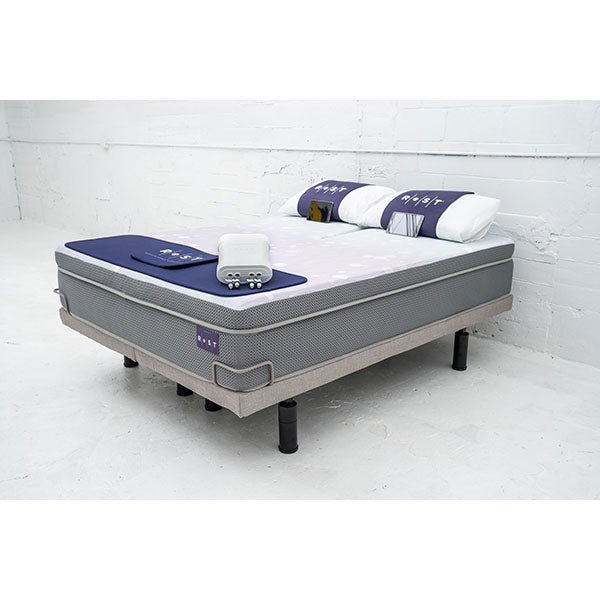
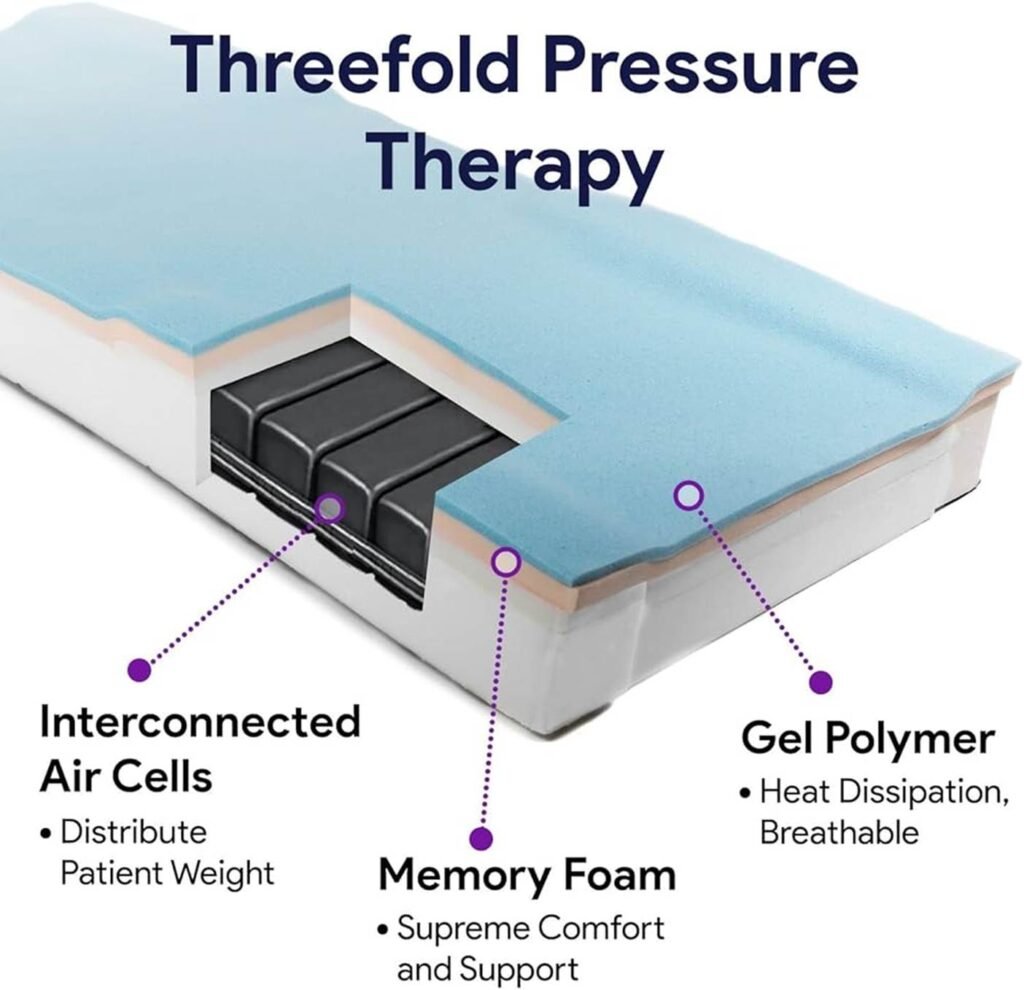
- ReST Performance → more advanced pressure-adjusting systems
Some are full mattresses.
Some are just covers that go on top of what you already have.
🌙 The quiet shift
This isn’t really about technology.
It’s about something simpler:
👉 Your environment supporting you… instead of you constantly adjusting to it.
And sleep is one of the most natural places for that shift to begin.
✨ Final thought
If your sleep already feels good, you probably don’t need to change anything.
But if there’s a small voice that keeps saying:
“Something’s just a little off…”
It might be worth exploring what’s possible now.
No pressure. No rush.
Just… awareness.
🛏️ The Main Types of Smart Beds (What’s Actually Out There)
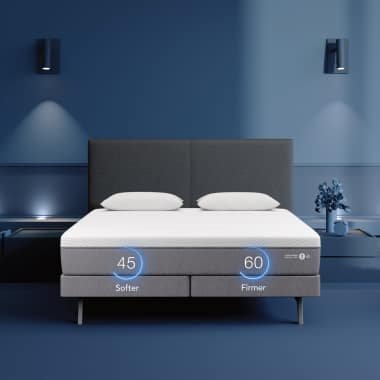
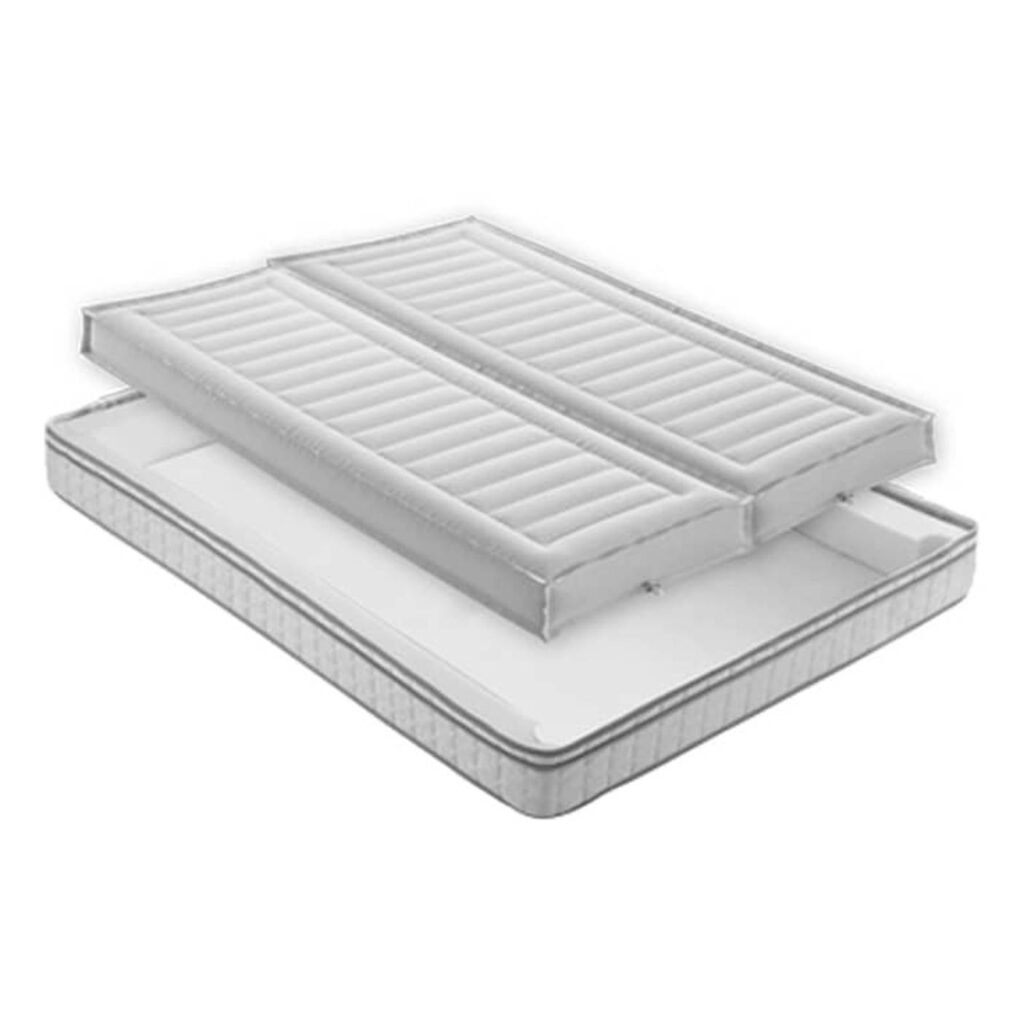
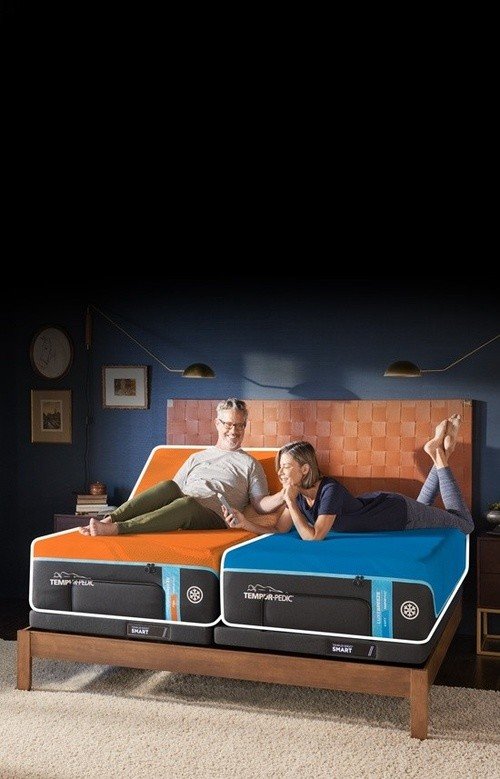
1. 🧠 Adjustable Firmness Beds (the “classic” smart bed)
4
What they do:
- Let you change how soft or firm the mattress feels
- Often different on each side (great for couples)
How they work:
- Use air chambers inside the mattress
- You adjust firmness with a remote or app
Key example:
- Sleep Number
👉 These beds can even adjust automatically while you sleep based on movement and pressure
Best for:
- Couples with different preferences
- Back pain / support issues
- People who want control over firmness
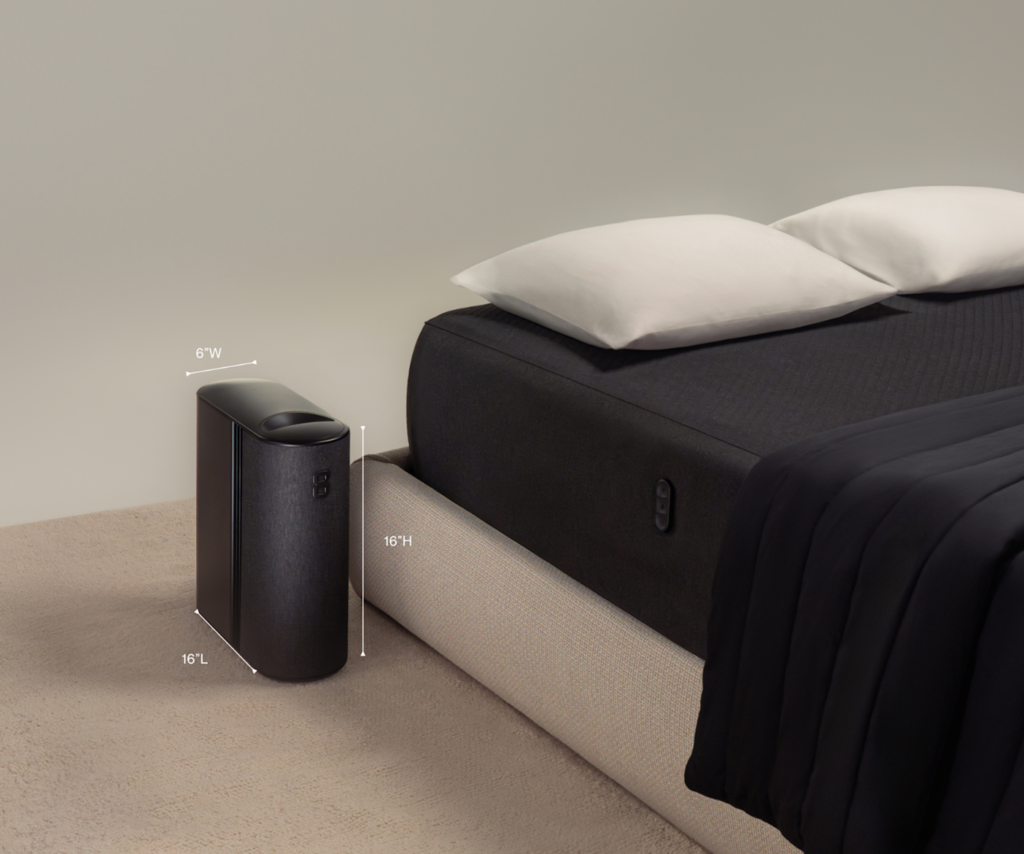
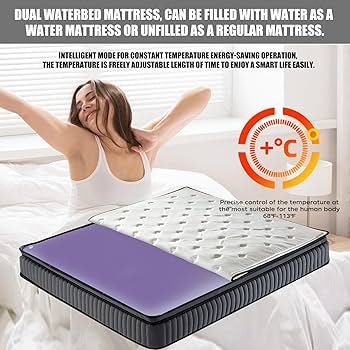
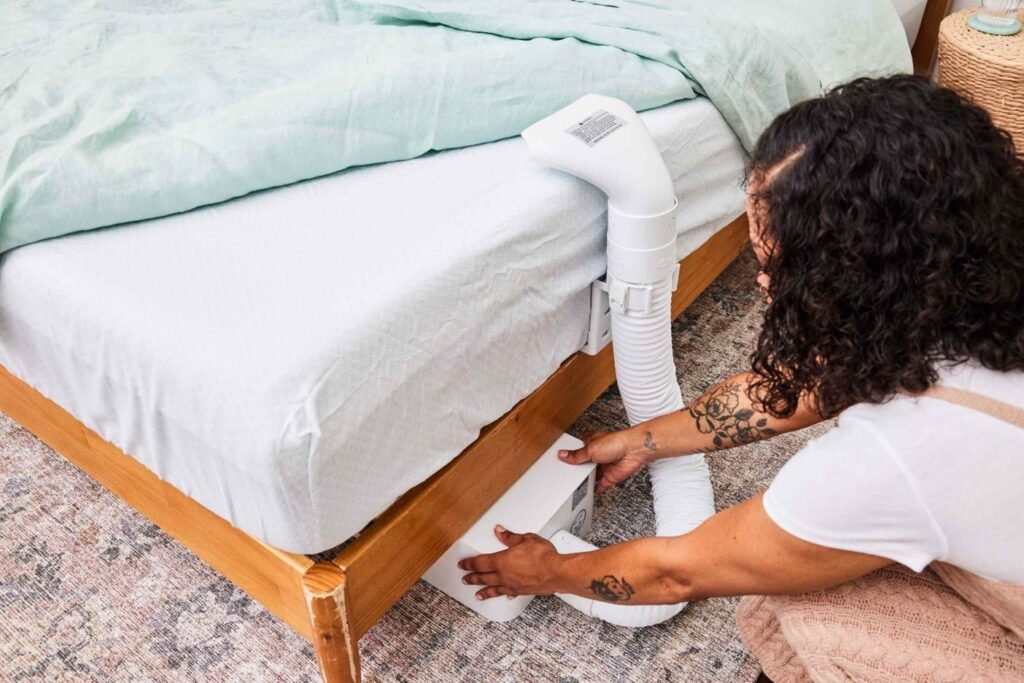
2. 🌡️ Temperature-Control Smart Beds (cooling/heating focus)
4
What they do:
- Actively cool or heat your bed all night
- Adjust temperature automatically while you sleep
How they work:
- Use water or air systems running through a cover
- Sensors adjust temperature based on your body
Key example:
- Eight Sleep
👉 Some systems can cool down to very low temperatures and continuously adjust overnight
Best for:
- Hot sleepers
- Night sweats
- People in warm climates (hello Panama 👀)
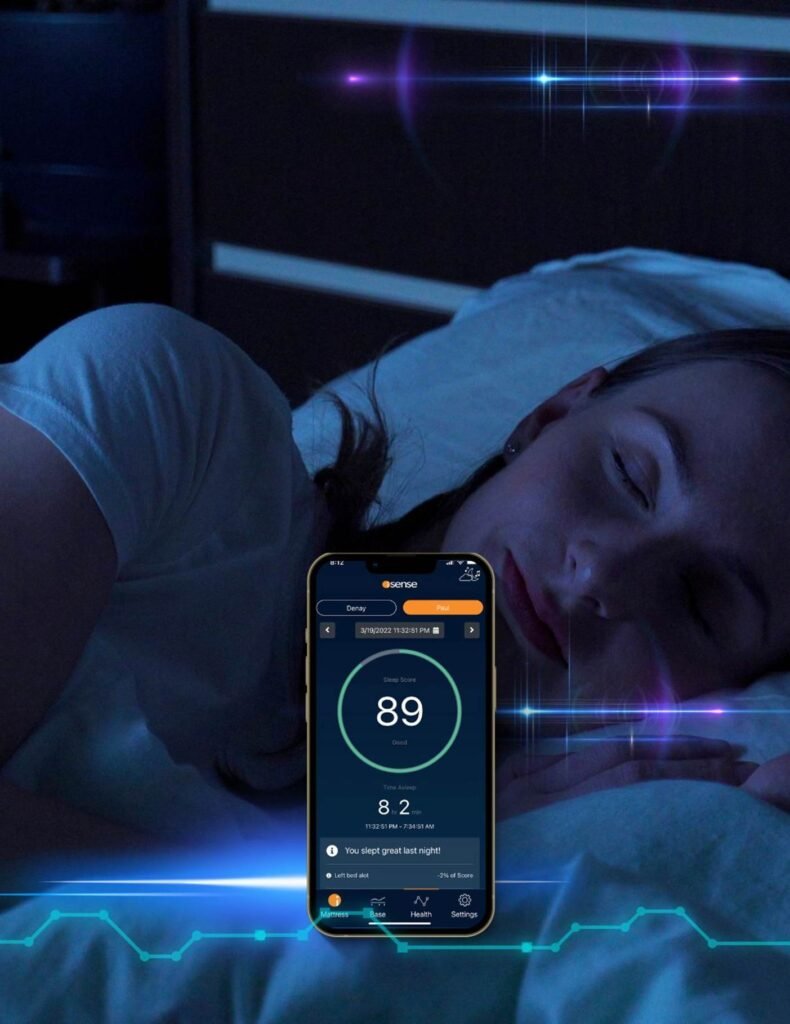
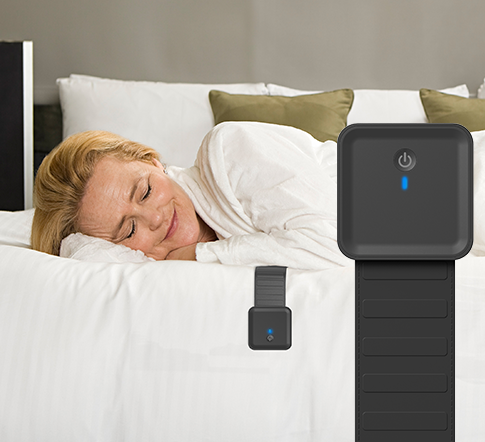
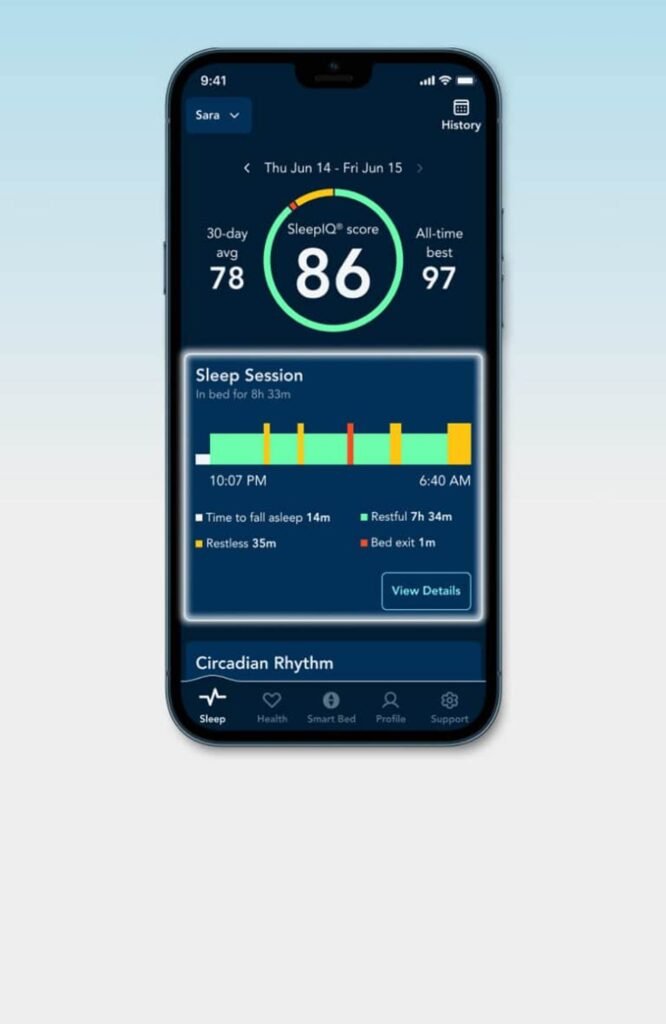
3. 📊 Sleep-Tracking Smart Beds (data-focused)
4
What they do:
- Track:
- sleep stages
- heart rate
- breathing
- movement
How they work:
- Built-in sensors (no wearable needed)
- Send reports to an app
👉 Many smart beds include this, like Sleep Number’s SleepIQ system
Best for:
- Curious, data-driven people
- Sleep optimization / biohacking
- Understanding sleep patterns
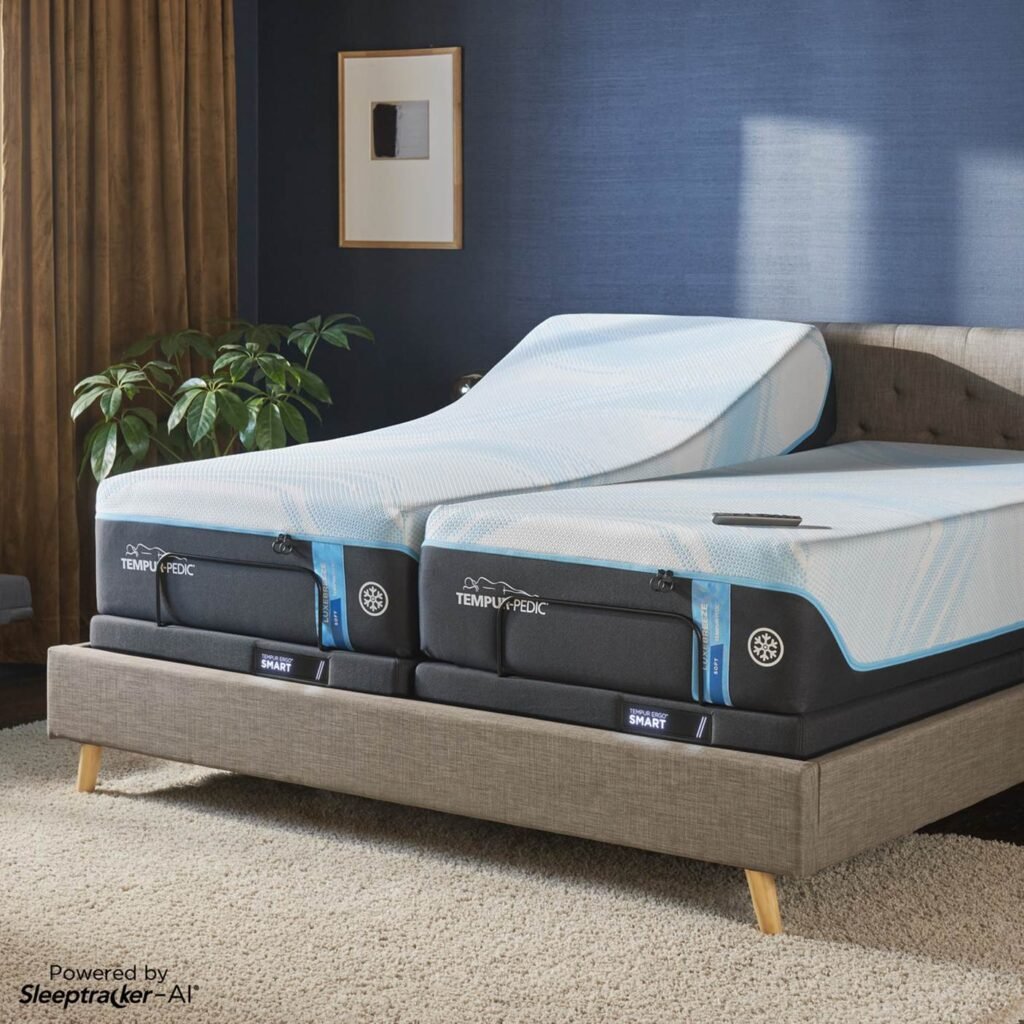
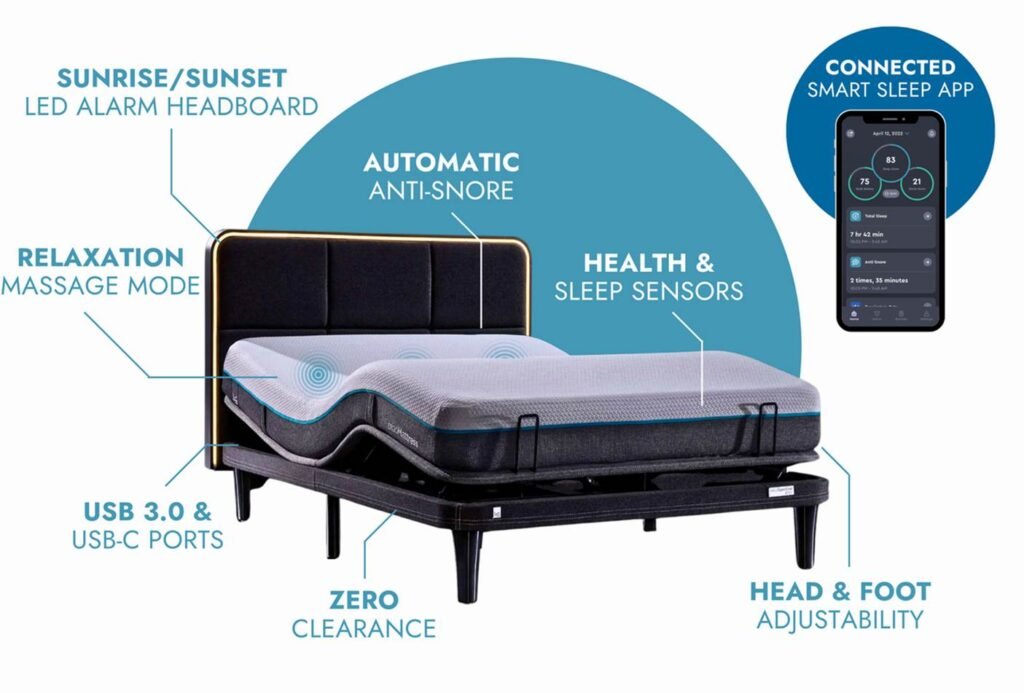
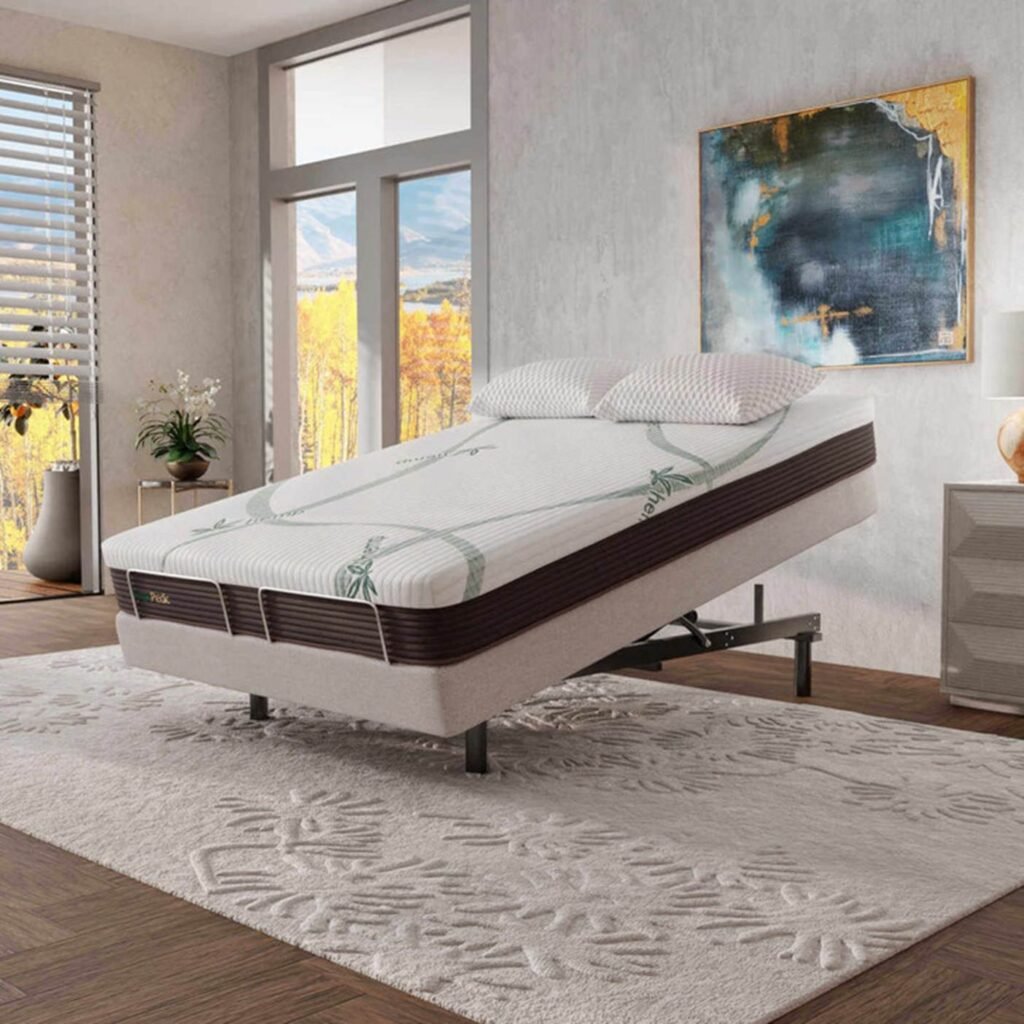
4. 😮💨 Anti-Snore & Responsive Beds
4
What they do:
- Detect snoring
- Gently raise your head to improve breathing
👉 Some systems automatically respond in real time to snoring events
Best for:
- Snorers
- Couples dealing with disrupted sleep
- Light sleepers
5. 🤖 Fully Adaptive “AI” Beds (next-level systems)
4
What they do:
- Continuously adjust:
- firmness
- pressure points
- position
👉 Some even:
- rock you gently to sleep
- respond dynamically to your body
Example:
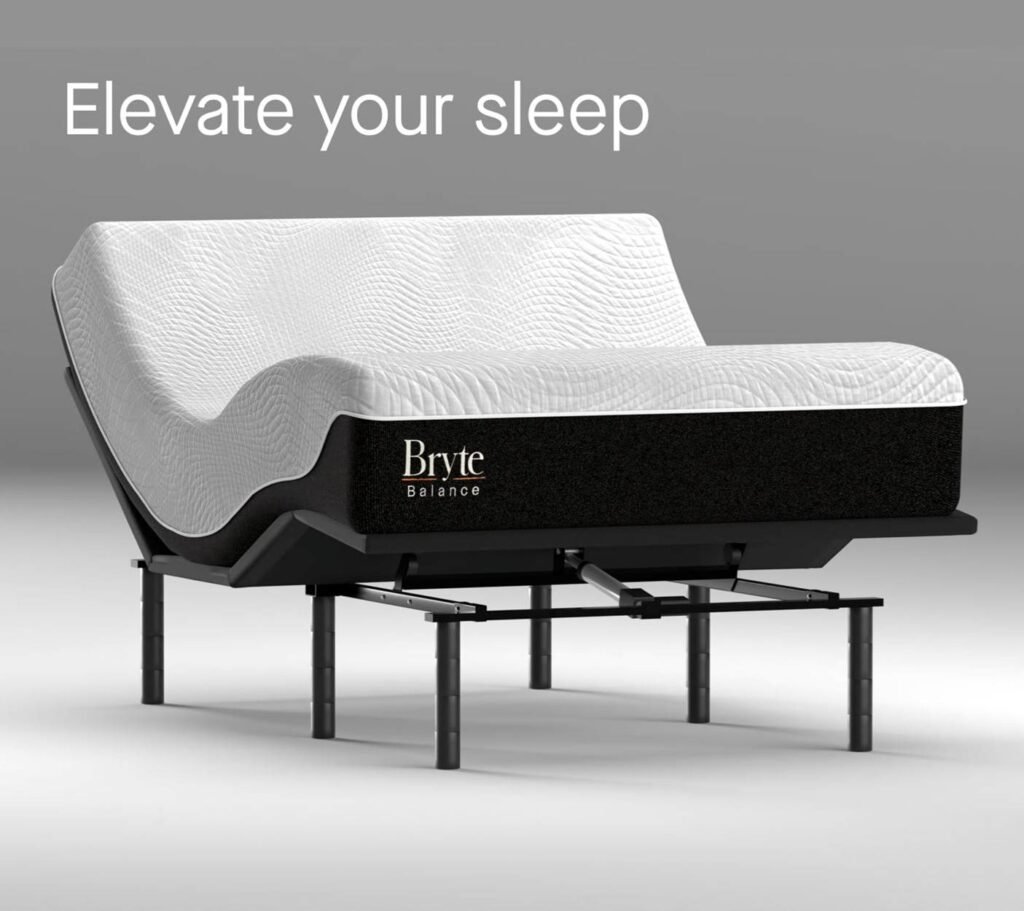
- Bryte
👉 These systems use AI to adapt in real time to your sleep patterns
Best for:
- Tech enthusiasts
- People with chronic sleep issues
- Those who want the “full experience”
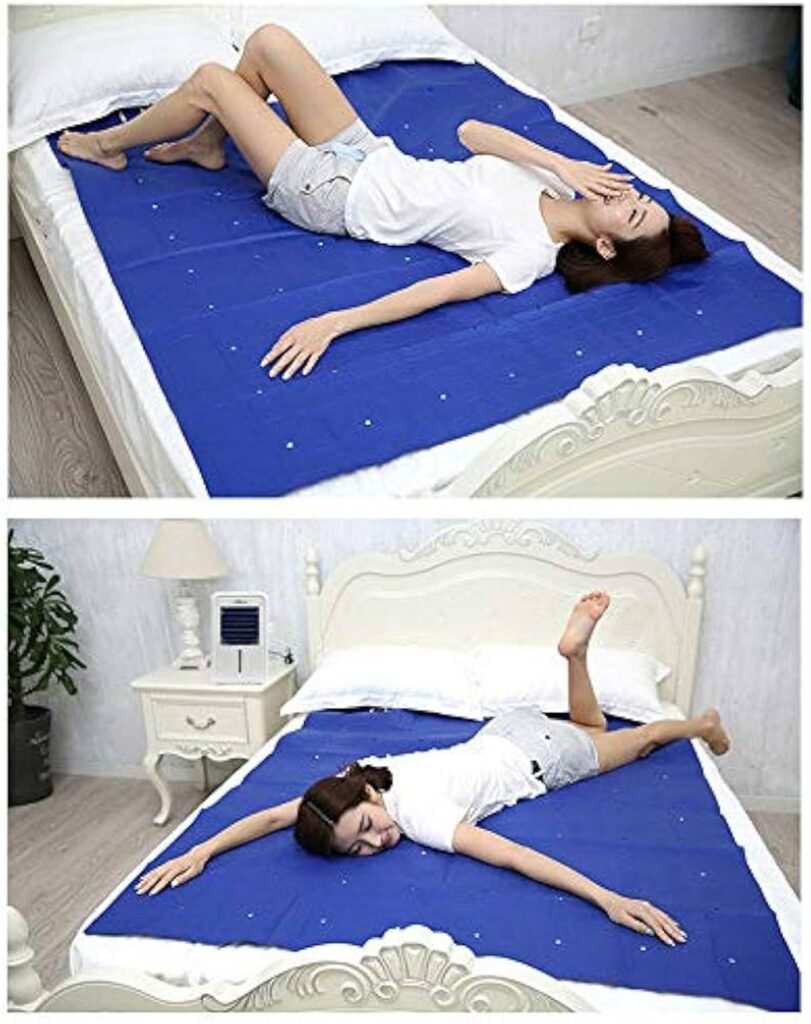
6. 🧩 Add-On Smart Systems (not a full mattress)

4
What they do:
- Turn your existing mattress into a smart bed
Examples:
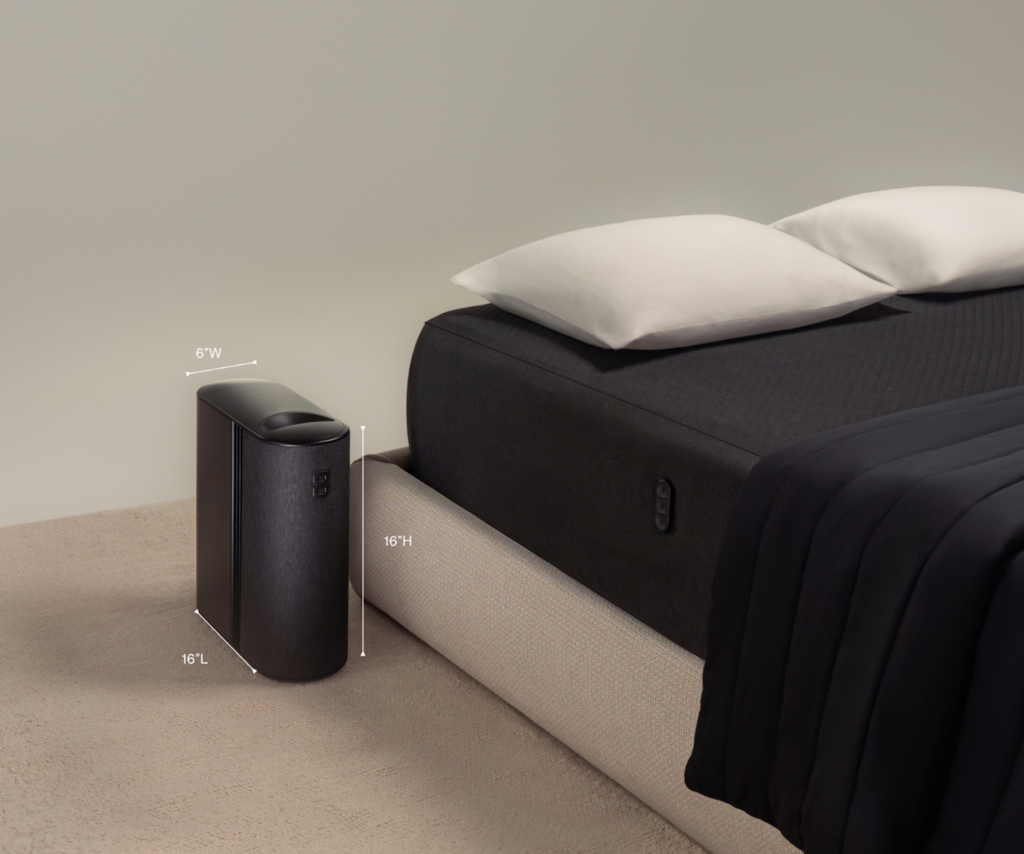
- Sleepme (Chilipad-style systems)
- Eight Sleep covers
👉 These systems use external units + mattress toppers to control temperature
Best for:
- Lower cost entry
- People who already like their mattress
- Testing the concept before upgrading
🧭 The Big Picture (this is the part that matters)
Most people think:
“AI mattress = one thing”
But it’s actually:
👉 A spectrum of solutions
From:
- simple firmness adjustment
To:
- full-body, real-time adaptive sleep systems
🌙 A grounded takeaway for you
If I were to simplify everything:
- Want control → adjustable firmness beds
- Want comfort (temperature) → cooling systems
- Want insight → sleep tracking
- Want “wow” → full AI adaptive beds
And the interesting part?
👉 Most people don’t need the most advanced version
👉 They just need the right category for their problem
1. 🌡️
“Why do I wake up hot every night even with AC?”
👉 Why this is powerful:
- Very human, very specific
- People feel confused and frustrated
- Low competition compared to “cooling mattress”
👉 Natural bridge:
- explain causes
- introduce cooling solutions
- gently mention smart beds
2. 🛏️
“Why does my side of the bed feel different than my partner’s?”
👉 Why this works:
- Almost no one targets this directly
- Extremely relatable
- Emotional + practical
👉 Natural bridge:
- body weight differences
- mattress wear
- dual-zone smart beds
3. 😴
“Is there a bed that adjusts while you sleep?”
👉 Why this is GOLD:
- Pure curiosity
- Very low competition
- People don’t know the term “smart bed”
👉 Natural bridge:
- introduce concept
- explain simply
- show options without pushing
4. ❄️
“How to stay cool at night without turning the AC down”
👉 Why this is strong:
- Broad but still specific enough
- High relevance globally
- Less competitive than “cooling mattress”
👉 Natural bridge:
- sheets, airflow
- THEN: temperature-controlled beds
5. 😮💨
“Can a bed help with snoring?”
👉 Why this works:
- Curiosity + problem combined
- Very underserved phrasing
- Not overly medical
👉 Natural bridge:
- positioning
- adjustable bases
- smart beds that respond to snoring
Why Do I Wake Up Hot Every Night (Even With AC On)?
You set the temperature just right.
You fall asleep comfortably.
And then… sometime in the night, you wake up feeling too warm.
Not necessarily drenched.
Not dramatic.
Just… uncomfortable enough that your sleep is broken.
If this sounds familiar, you’re not alone. A lot of people quietly wonder:
Why do I wake up hot every night even with the AC running?
Let’s walk through what might actually be happening—and what you can do about it.
🌙 1. Your Body Temperature Naturally Changes at Night
Even if your room stays the same temperature, your body doesn’t.
As you fall asleep, your core temperature drops.
Later in the night, it begins to rise again.
That shift can make you feel warm—even if nothing in your environment changed.
So sometimes, it’s not the room…
It’s your body cycling through its natural rhythm.
🛏️ 2. Your Mattress May Be Holding Heat
This is one of the most overlooked causes.
Some mattresses—especially memory foam—tend to trap body heat.
So even if your room is cool:
- your mattress can stay warm
- that warmth builds slowly
- and you feel it hours later
Which leads many people to search for things like:
- “best mattress for hot sleepers”
- “why does my bed feel hot at night”
Because the issue isn’t always the air around you…
It’s the surface you’re sleeping on.
🌡️ 3. Air Conditioning Doesn’t Cool Everything Equally
AC cools the air—but not necessarily:
- your bedding
- your mattress
- your body heat buildup
So you can have:
👉 cool air
👉 but a warm sleep environment
That disconnect is subtle—but real.
😴 4. Small Disruptions Add Up
Sometimes it’s not one big issue—it’s several small ones:
- sheets that don’t breathe well
- limited airflow around your body
- sleeping positions that trap heat
Individually, they don’t seem like much.
Together, they create that feeling of:
“Why am I waking up like this every night?”
🌿 So… what actually helps?
You don’t need to overhaul everything.
Start simple.
✔️ Breathable materials
Look for:
- cotton or bamboo sheets
- lighter bedding
These allow heat to escape more easily.
✔️ Improve airflow
Even a small fan can:
- move heat away from your body
- reduce that “stuck warmth” feeling
✔️ Consider what you’re sleeping on
If your mattress holds heat, no amount of AC will fully fix that.
Some people switch to:
- hybrid mattresses
- cooling mattress toppers
Others begin looking into something a little different…
🧠 A newer option people are exploring
You may not have heard of this before.
But there are now beds designed to:
- regulate temperature throughout the night
- cool or warm the surface automatically
- adjust as your body changes
They’re often called smart beds or temperature-controlled sleep systems.
Instead of trying to control the whole room…
👉 they focus on you.
🌙 A gentle way to explore further
If this is something you’ve been dealing with for a while, it might be worth simply seeing what’s out there.
Some people start by looking at systems like:
- Eight Sleep (focused on temperature regulation and sleep tracking)
- Sleep Number (adjustable beds with some cooling features)
You don’t need to decide anything.
Just noticing what exists can sometimes bring a sense of:
“Oh… that’s an option.”
✨ Final thought
If you’re waking up warm at night, it doesn’t mean anything is “wrong.”
It usually means:
👉 your environment isn’t quite supporting your body the way it could
And sometimes, small adjustments are enough.
Other times… it’s simply about realizing that there are now solutions that didn’t exist before.
No pressure. No urgency.
Just… awareness—and the possibility of a more comfortable night’s sleep.
🛏️ Why Does My Side of the Bed Feel Different Than My Partner’s?
You’re both sleeping in the same bed.
Same mattress. Same room. Same everything.
And yet…
Your side feels different.
Maybe:
- theirs feels more comfortable
- yours feels slightly off
- or you wake up wondering why they slept fine… and you didn’t
It’s subtle. Easy to dismiss.
But if you’ve ever thought:
“Why does my side of the bed feel different than my partner’s?”
There are actually a few very real reasons behind it.
🌙 1. Bodies Shape the Mattress Over Time
Even if you bought the mattress together, it doesn’t stay perfectly even forever.
Over time:
- each side responds to the person sleeping on it
- pressure builds differently
- materials compress in unique ways
So your side may start to feel:
- softer
- firmer
- or just… different
Not because anything is wrong—
but because the mattress is slowly adapting to each of you.
⚖️ 2. Weight Distribution Matters More Than You Think
Even small differences in body weight or shape can affect how a mattress feels.
For example:
- one person may sink in slightly more
- the other stays more supported
Which changes:
- alignment
- pressure points
- overall comfort
So even on the same mattress, you can be having two completely different experiences.
😴 3. Sleeping Style Changes Everything
This one is often overlooked.
If one person sleeps:
- on their side
…and the other:
- on their back or stomach
The mattress is responding to very different needs.
That can make one side feel:
- just right
…and the other:
- not quite supportive enough
🌡️ 4. Heat Can Be Different on Each Side
This one surprises people.
Body temperature, airflow, and even proximity to vents can create subtle differences.
So you might feel:
- slightly warmer
- or less comfortable
…even if everything else seems identical.
🧠 5. Awareness Changes the Experience
Sometimes, once you notice the difference… you can’t un-notice it.
You start paying attention:
- how you fall asleep
- how you wake up
- how your body feels
And what was once “fine” becomes:
“Hmm… something’s not quite right here.”
🌿 So… what can you do?
You don’t necessarily need to replace your mattress.
A few simple things can help:
✔️ Rotate the mattress (if possible)
Switching sides occasionally can:
- balance wear
- even out pressure
✔️ Check your foundation
Sometimes the issue isn’t the mattress at all—it’s:
- the base
- the frame
- or uneven support underneath
✔️ Adjust bedding and airflow
Small changes can make a surprising difference in comfort.
🧠 A newer solution some people are exploring
If this is something you’ve been dealing with for a while, you may have already wondered:
“Is there a bed where each side feels different on purpose?”
There is.
Some newer beds allow:
- each side to adjust independently
- different firmness levels
- even different positions
So instead of compromising every night…
👉 each person can have what feels right for them
🌙 A gentle place to start looking
If you’re curious, you might explore options like:
- Sleep Number (known for dual firmness and adjustable comfort)
- ReST Performance (more advanced pressure-adjusting systems)
Some people love the idea right away.
Others simply find it interesting.
Either is perfectly fine.
Final thought
If your side of the bed feels different, you’re not imagining it.
It’s usually a combination of:
- your body
- your habits
- and how the mattress has responded over time
And sometimes, just understanding that is enough.
Other times… it opens the door to something new.
Not because you have to change anything.
But because now you know:
you don’t necessarily have to settle, either.
Terms you may not know…
Core “Smart Bed / AI Mattress” Terms
These are the ones people stumble over first:
- AI mattress → What does “AI” even mean here?
- Smart bed → often confused with adjustable beds
- Sleep tracking bed
- Dual-zone / dual comfort → each side adjusts separately
- Adaptive mattress → adjusts automatically
🌡️ Temperature & Cooling Tech (BIG confusion area)
- PCM (Phase Change Material)
→ absorbs/releases heat to regulate temperature - Active cooling vs passive cooling
→ passive = breathable materials
→ active = powered cooling systems - Thermoregulation
→ your body + environment managing temperature - Cooling gel / gel-infused foam
→ often misunderstood (not always truly “cooling”)
😴 Sleep Tracking & Health Metrics
This is where it starts to feel “techy”:
- HR (Heart Rate)
- HRV (Heart Rate Variability)
→ a big one—people don’t understand it - Respiratory rate
- Sleep stages
- REM
- Deep sleep
- Light sleep
- Sleep score
→ often confusing or misleading to users
👉 These terms show up in apps and dashboards and leave people wondering:
“Is this good or bad?”
🧠 Mattress Construction Terms (VERY misunderstood)
People run into these when researching:
- Memory foam vs hybrid
- Air chambers (used in adjustable firmness beds)
- Zoned support
→ different firmness areas for different body parts - Pressure mapping / pressure relief
- Edge support
👉 These are ripe for explanation content
⚙️ Smart Bed Features & Mechanics
These sound technical but people don’t fully get them:
- Adjustable base
→ raises head/feet - Anti-snore mode
→ automatically elevates head - Automatic adjustment
→ based on movement or pressure - Sleep sensing technology
→ often vague marketing term
📱 Tech + Subscription Language
This one frustrates people:
- Subscription required / premium features
- App-controlled bed
- Firmware updates (yes… for beds 😄)
👉 People often search:
“Do I have to pay monthly for a smart bed?”
Here are the kinds of queries tied to these terms:
- “what is HRV in sleep tracking”
- “what does REM sleep mean”
- “what is dual zone mattress”
- “what is PCM in mattress”
- “does cooling gel mattress actually work”
- “what is sleep score and is it accurate”
Instead of:
❌ “Best Smart Mattress 2026”
Ask:
✔️ “What Does ‘Cooling Mattress’ Actually Mean?”
✔️ “What Is HRV (And Should You Care?)”
✔️ “What ‘Dual Comfort’ Really Means in a Bed”