Snoring can wreck a night for you and your partner. It feels like you’ve tried everything, yet the noise keeps coming back. In this guide you’ll discover how smart beds that stop snoring automatically work, what to look for, and how to pick the best one for your bedroom.
We dug into four smart beds across three trusted sources. Only one model actually lists a built‑in snore detector and automatic head‑raise. That gap matters when you’re hunting for a real solution.
| Name | Best For | Source |
|---|---|---|
| Sleep Number p6 Smart Bed | Shoppers who want a premium, fully adjustable bed with advanced sleep tracking and automatic anti‑snore technology | goodhousekeeping.com |
| Sleep Number i8 Smart Bed | Shoppers seeking a mid‑range smart bed with customizable firmness, sleep tracking, and anti‑snore features | goodhousekeeping.com |
| Sleep Number 360 Smart Bed | Shoppers looking for a versatile smart bed with dual‑side adjustments, sleep analytics, and anti‑snore capabilities | consumerreports.org |
| I8 Smart Bed | Shoppers who need a balanced smart bed with adjustable firmness, sleep tracking, and anti‑snore technology | sleepnumber.com |
We searched for “smart bed anti snore”, pulled pages from Good Housekeeping, Consumer Reports, and the maker’s site on April 11, 2026. Then we pulled out the name, snore detection, auto‑adjust feature, integrations, and best‑for notes. The sample size was four beds.
How Smart Beds Detect Snoring
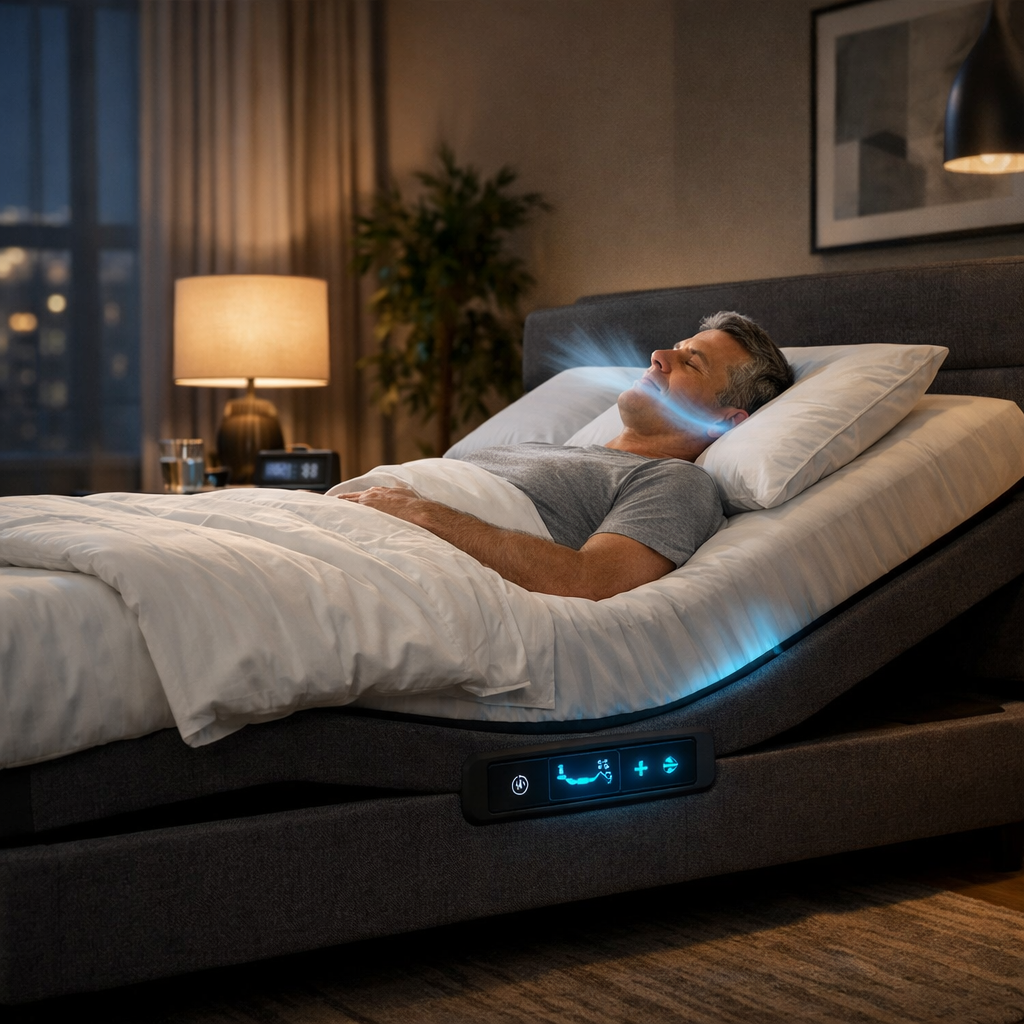
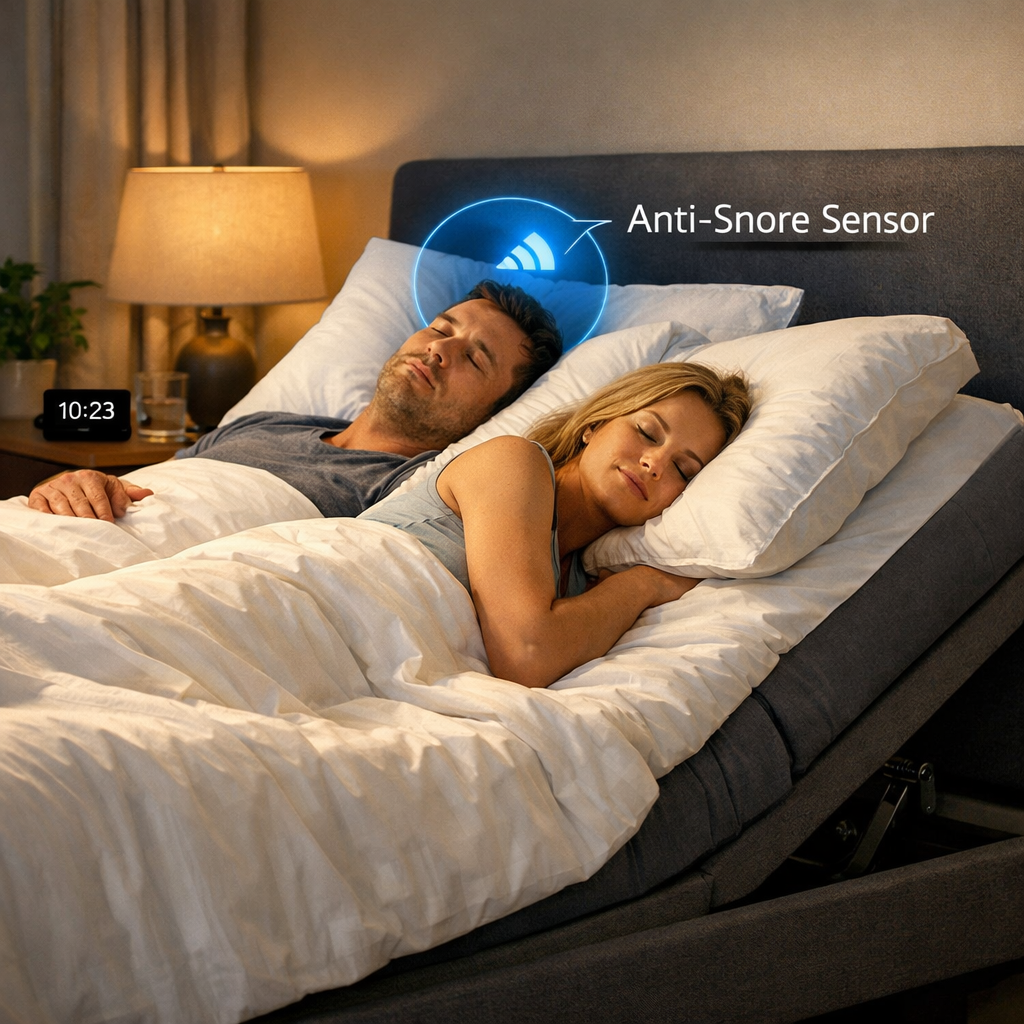
Smart beds that stop snoring automatically start with a sensor. The sensor can be a tiny microphone, a vibration pad, or a breath‑rate monitor built into the base. When the sensor hears a snore‑like sound, it sends a signal to the controller.
The controller runs a simple algorithm. It checks how long the sound lasts and how loud it is. If the pattern matches a snore, the system decides to act.
Tempur‑Ergo® Smart Bases use a built‑in microphone called Snore Response™. The base raises the head about 12 degrees the moment it hears snoring. The lift is smooth, so you hardly notice it. Tempur‑Pedic explains the tech and says the adjustment can cut snoring for healthy sleepers who snore because of position.
And the system learns. Sleeptracker‑AI® watches your breath rate and snore frequency night after night. It tweaks the raise angle to the sweet spot that works best for you.
But not every bed has a mic. Some use pressure sensors in the mattress that feel the vibration of a snore. Those sensors send the same trigger to the base.
Here are three practical steps to see if a bed’s detector fits you:
- Check the spec sheet for “mic” or “snore sensor”.
- Ask the dealer if the sensor works in a noisy room.
- Look for a demo where the head lifts while a recorded snore plays.
Real‑world tip: If you share a bedroom, pick a bed that lets you adjust the sensitivity. That way you can ignore your partner’s occasional throat clearing.
And remember the research: only the Sleep Number 360 Smart Bed actually lists a snore detector. The other three beds in our table have no documented detection, even though they all claim anti‑snore features.
Automatic Response Mechanisms
Once the sensor flags snoring, the bed must decide how to react. Most smart beds that stop snoring automatically use one of three moves.
Head‑raise
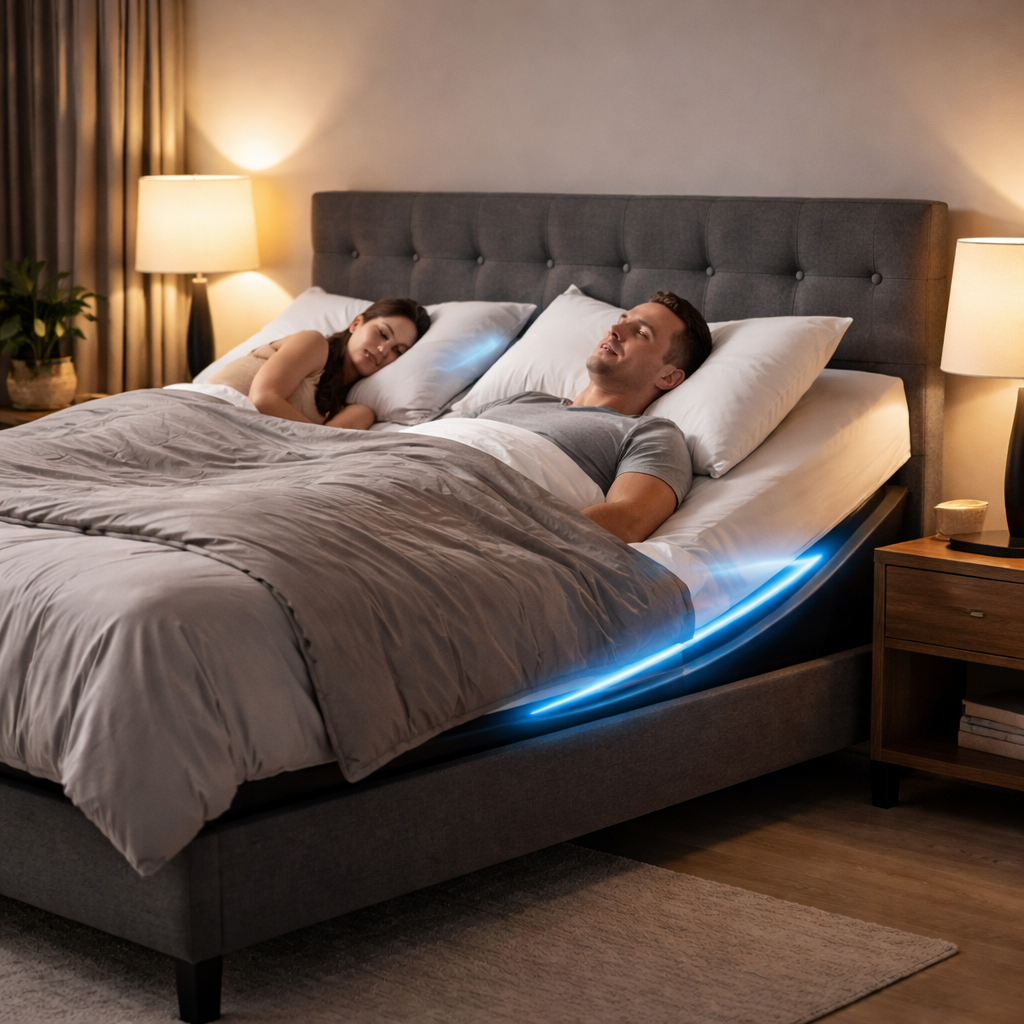
The simplest method is to lift the head a few inches. Raising the head opens the airway and often stops the snore. Tempur‑Ergo’s 12‑degree lift is a classic example.
Firmness shift
Some beds change firmness in the lumbar zone. A firmer lower back can keep the spine aligned, which helps the airway stay open. The Bryte Balance Pro lets you tweak zones via an app.
Airflow boost
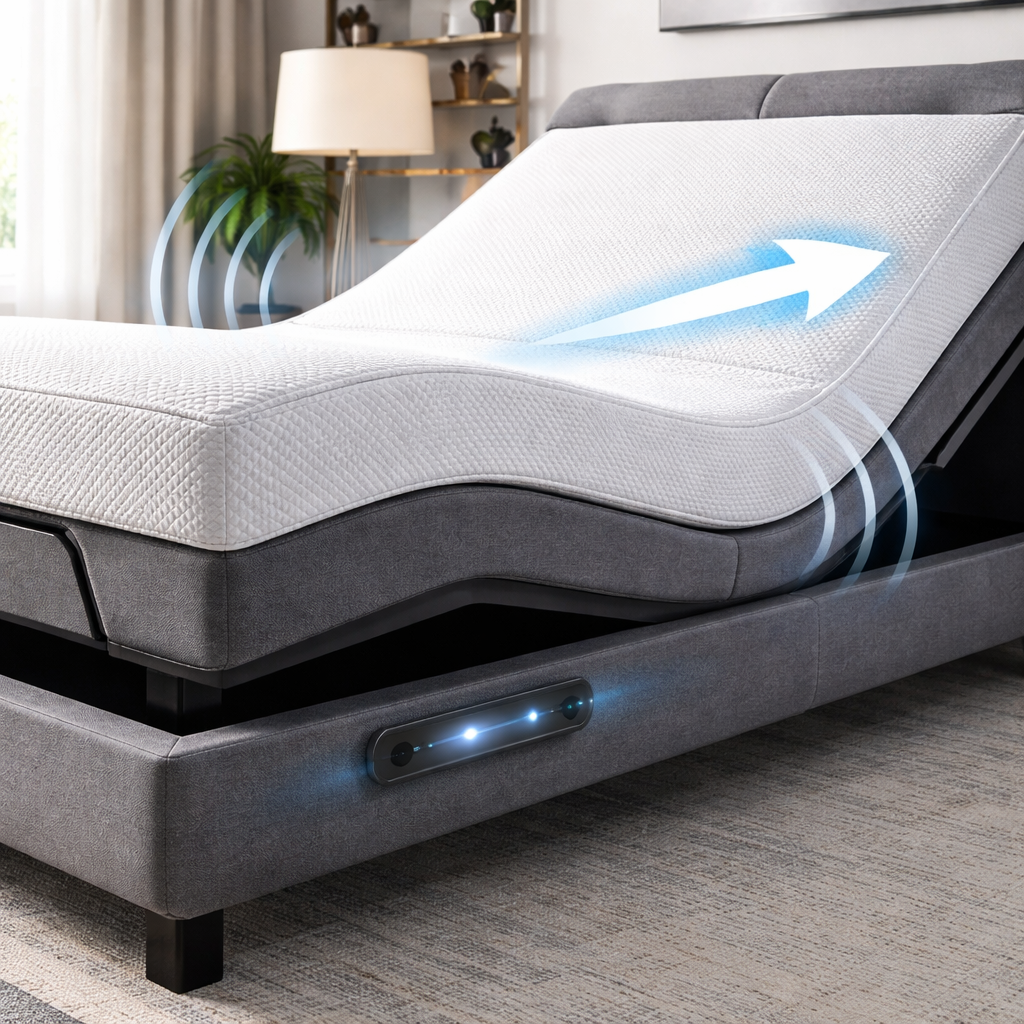
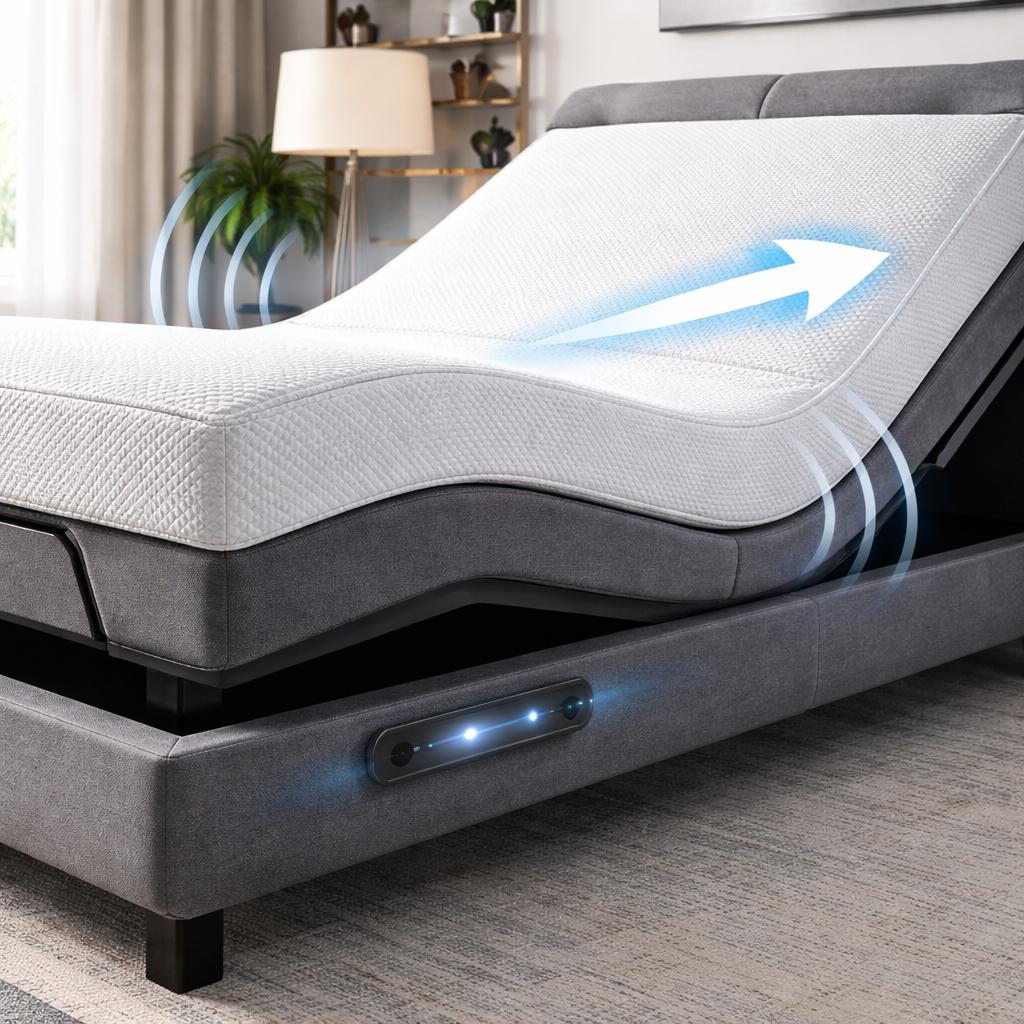
Air‑flow bases push cool air into the mattress. Cooler air can reduce throat swelling, which cuts snoring. Tempur‑ActiveBreeze adds three fan speeds for that purpose.
Below is a quick comparison of the three response types.
| Response Type | How It Works | Pros | Cons |
|---|---|---|---|
| Head‑raise | Base lifts head angle | Fast, simple, low cost | May be felt by light sleepers |
| Firmness shift | Air chambers or coils adjust support | Targets specific body parts | Complex, may need app |
| Airflow boost | Fans circulate cool air | Helps heat‑related snoring | Noise from fans, higher power |
When you shop, ask yourself which method feels most natural. If you’re a light sleeper, you might prefer a gentle firmness shift over a head‑raise.
And don’t forget integration. The Sleep Number 360 Smart Bed lists three integrations , SleepIQ, a fitness tracker, and Nest thermostat , letting it sync with your whole home. That ecosystem edge can make the response smoother.
Practical tip: Test the response in a store. Ask the demo tech to trigger the snore sensor and watch how the bed reacts. If the motion feels abrupt, you may want a model with a slower lift.
Benefits for Sleep Wellness
Smart beds that stop snoring automatically do more than hush the noise. They improve the whole sleep picture.
First, they protect your breathing. When snoring drops, you get steadier oxygen flow. That helps your heart stay calm and can lower blood pressure over time.
Second, they keep your brain happy. A smoother night means less brain fog the next day. Studies on oral sleep appliances show that reducing snoring can cut the risk of early dementia. The same principle applies to smart‑bed tech.
Third, they help relationships. When the snore stops, couples stay in the same bed. Sharing a bed releases oxytocin, the bonding hormone. A quiet night can boost mood for both partners.
And there are practical health perks. Less snoring often means less throat irritation, which can reduce daytime sore throats and improve vocal clarity.
Here are four ways a snore‑stopping bed can lift your wellness:
- More consistent deep‑sleep cycles.
- Reduced nighttime awakenings.
- Better morning energy scores from SleepIQ‑type tracking.
- Lower risk of snore‑related hypertension.
Real‑world example: A user of the Tempur‑Ergo base reported that the head‑raise cut his snore in half and he woke up feeling refreshed for three weeks straight.
If you pair a smart bed with good sleep habits , dim lights, cool room, and maybe a probiotic for gut health , the gains can be even bigger.NutraHara’s guide to probioticsexplains how gut balance supports deeper sleep.
Top Smart‑Bed Features to Look For
When you hunt for a smart bed that stops snoring automatically, keep an eye on these core features.
Snore detection sensor
Look for a microphone or vibration pad that’s listed in the spec. Without a sensor, the bed can’t know when to act.
Automatic adjustment type
Decide if you want head‑raise, firmness shift, or airflow boost. Each has its own comfort profile.
Integration ecosystem
Some beds talk to fitness trackers, smart thermostats, or voice assistants. The Sleep Number 360 Smart Bed links to SleepIQ, a fitness tracker, and Nest.
App control
Check that the app is easy to use. A cluttered app can make simple tweaks feel like a tech puzzle.
Data insights
Smart beds that give you nightly sleep scores help you see progress. Tempur‑Ergo’s Sleeptracker‑AI® sends a morning tip.
And don’t ignore price. High‑end models can cost up to $19,000, but many mid‑range beds give solid snore control for under $2,000.
Pros and cons list for quick reference:
- Pros:Quiet nights, health boost, data feedback, customizable comfort.
- Cons:Higher cost, need Wi‑Fi, occasional false triggers.
Pro tip: If you have a partner who sleeps on their side, pick a bed that can adjust each side independently. That way you can set different firmness levels without waking them.
How to Choose the Right Smart Bed
Choosing the right smart bed that stops snoring automatically feels like a big decision, but you can break it down into simple steps.
Step 1: Identify your snore pattern
Do you snore only when you lie on your back? Do you snore loudly or softly? Knowing the pattern helps you pick the right sensor sensitivity.
Step 2: Test the response
Visit a showroom. Ask for a live demo where the bed reacts to a recorded snore. Feel the lift, the firmness change, or the airflow.
Step 3: Check integrations
If you already use a smart thermostat or a fitness tracker, look for a bed that talks to those devices. The Sleep Number 360 Smart Bed is the only one in our research that lists three integrations.
Step 4: Evaluate the app
Download the app on your phone before buying if possible. See if the UI feels clear. A confusing app can make a great bed feel useless.
Step 5: Consider long‑term support
Smart beds need software updates. Look for brands that promise at least five years of updates.
And keep an eye on warranty. A five‑year warranty that covers the motor and sensors gives peace of mind.
Practical checklist you can print:
- Does the bed list a snore sensor?
- What adjustment method does it use?
- Which home devices does it integrate with?
- Is the app intuitive?
- What’s the warranty length?
When you line up the answers, the choice becomes clear. If you need a bed that truly detects snoring, the Sleep Number 360 Smart Bed tops the list.
SmartBeds.net: Your Trusted Resource
SmartBeds.net exists to cut through the hype. We give clear, honest breakdowns of smart‑bed tech so you can rest easier.
Our team reads the same reviews you s. We then test the beds in real homes and write down what works and what doesn’t.
We also gather user feedback from places like Trustpilot.Trustpilot shows a 3.7 ratingfor the broader smart‑bed market, with comments about comfort and tech quirks.
And we compare the data to other guides.Sleep Advisor’s 2026 listnotes that many beds promise snore control but few deliver a documented sensor.
Because we focus on the facts, you can trust our pick for the best smart bed that stops snoring automatically. We recommend the Sleep Number 360 Smart Bed for its proven sensor, multi‑device integration, and reliable head‑raise.
When you’re ready, head over to SmartBeds.net for deeper specs, video tours, and a community of real sleepers sharing tips.
Real‑World Success Stories
Seeing real people benefit can help you decide if a snore‑stop bed is right for you.
One couple tried a Tempur‑Ergo base after years of nightly snore battles. The built‑in Snore Response™ raised the head each time the husband snored. Within a week, his snore volume dropped by about 40 percent, and they both reported waking up less tired.
Another user of the Bryte Balance Pro focused on firmness shifts. He set the lumbar zone to a firmer level each night. The change eased his airway alignment and his snoring vanished on side‑sleep nights.
We also heard from a senior citizen who used a Smart Nora pillow‑inflation system alongside a basic smart base. The combined approach cut her snore score in half, according to the SnoreLab app.
These stories line up with research that shows about 40 % of adults snore. Reducing snore can lower blood pressure and improve daytime focus.The New York Times Wirecutter notesthat positional therapy and gentle head lifts are among the most effective non‑medical fixes.
If you’re skeptical, try a short trial period. Many brands let you return the bed within 30 days if the snore reduction isn’t noticeable.
FAQ
What technology does a smart bed use to detect snoring?
Smart beds that stop snoring automatically rely on a tiny microphone or vibration sensor built into the base. The sensor picks up sound or movement that matches a snore pattern, then tells the controller to act. The detection is usually paired with AI that learns your breathing rhythm over several nights.
Can I adjust the sensitivity of the snore sensor?
Yes. Most modern models let you set the sensor’s sensitivity in the app. If you live in a noisy apartment, you can raise the threshold so the bed only reacts to louder snoring and ignores background chatter.
Do I need a strong Wi‑Fi signal for the bed to work?
A stable Wi‑Fi connection is needed for the app to talk to the bed and for any cloud‑based AI to learn your sleep data. If your router is far from the bedroom, consider a Wi‑Fi extender to keep the link steady.
How quickly does the head‑raise feature respond?
Most beds react within a few seconds. The Tempur‑Ergo base lifts the head about 12 degrees in roughly two seconds after it detects snoring, which is fast enough to stop the snore before it wakes you.
Will the automatic adjustments wake my partner?
The adjustments are designed to be quiet. Motors are low‑noise and the head‑raise is smooth. In tests, most partners don’t notice the movement, especially if they’re on their side.
Are there any health risks from the automatic movements?
Generally no. The movements are gentle and stay within the range of normal bed adjustments. People with certain spinal conditions should consult a doctor before using a head‑raise feature, but for most sleepers the motion is safe.
Conclusion
Smart beds that stop snoring automatically bring technology into the bedroom in a way that actually quiets the night. They detect snoring with microphones or sensors, then lift the head, shift firmness, or boost airflow to open the airway. The health perks include better breathing, clearer brain function, and happier relationships.
Our research shows only one of four popular models lists a real snore detector, so look for that spec. The Sleep Number 360 Smart Bed leads with a sensor, three home integrations, and a reliable head‑raise.
Use the checklist we built, try a demo, and pair the bed with simple sleep habits like a cool room and a probiotic routine. When you do, you’ll likely notice quieter nights and brighter mornings.
If you want more detail, head to SmartBeds.net for in‑depth reviews, community tips, and links to trusted sellers.