Sleep feels like a mystery sometimes. You lie down, close your eyes, and hope the night will be kind. But most of us wake up feeling stiff, hot, or still groggy. The good news? Smart beds aim to fix that. In this guide we’ll walk through exactly how does a smart bed work, from the tiny sensors under the mattress to the AI that whispers tips at sunrise.
First, a quick look at the data that backs up our advice. An analysis of 18 leading smart‑bed models from 9 sources reveals that only one‑third offer true climate control, while a surprising 0% are flagged as having automatic adjustments despite two‑thirds describing them in detail.
| Name | Sensing Technology | Automatic Adjustments | App Features | Best For | Source |
|---|---|---|---|---|---|
| Bryte Balance PRO | Calculates sleep score, sleep stages, heart rate, sleep/wake time, and sleep efficiency | Adjust the firmness of 8 individual zones for a custom balance of pressure relief and support; Silent motion in the mattress wakes you before your alarm | First sleep-focused conversational AI model that can synthesize your sleep data and make firmness suggestions; Guided meditations pair with subtle bed motions | Choose from 4 contoured support profiles that optimize support for either back, side, or stomach sleepers | bryte.com |
| Eight Sleep Pod 4 | real‑time sleep and health tracking on each side of the bed, with metrics including sleep stages, sleep time and sleep latency | GentleRise Smart Alarm technology to silently wake you up with a chest‑level vibration and gradual warming; Smart Temp Autopilot automatically cools or heats the bed based on ambient sensors | nightly sleep scores, Daily Health Check, HRV monitoring via companion app | hot sleepers and those who need a gentle vibration alarm | tomsguide.com |
| Bryte Balance Smart Bed | Sensors used to track your sleep activity are embedded in the support core. | Air chambers automatically adjust in response to your movements and position changes. | Daily sleep reports via the Bryte companion app, BryteWaves relaxation audio, remote control of firmness. | combination sleepers | sleepfoundation.org |
| TEMPUR‑ActiveBreeze Smart Bed | Sleeptracker‑AI® | snore detection raises head position automatically | Sleeptracker‑AI companion app allows temperature adjustments and base elevation control. | side sleepers | sleepfoundation.org |
| Tempur‑Pedic TEMPUR‑ActiveBreeze (with Power SmartBase) | built-in sensors detect snoring | automatic snore response – bed automatically elevates head when snoring is detected | Sleeptracker‑AI smartphone app for adjustments and sleep coaching programs | best suited to side and back sleepers up to 230 pounds | sleepdoctor.com |
| Bryte Balance Signature | pressure sensing | active response | Bryte app syncs air chambers with audio programs and allows firmness adjustments | Side sleepers in particular can benefit, as well as back and stomach sleepers up to 230 pounds | sleepdoctor.com |
| Sleep Number i8 Smart Bed | The sensors also track your breathing and heart rate. | i8 automatically adjust its firmness in response to your in‑bed movements. | SleepIQ score and personalized recommendations via the SleepIQ app | couples with differing firmness preferences; budget‑conscious shoppers | tomsguide.com |
| HEKA AI Mattress | Real-time, high-precision pressure sensing across the body | Cloud‑Motion enables smooth, real‑time adjustments throughout the night—without you ever noticing. | — | — | hekasleep.com |
| Sleep Number c4 | Heart rate, motion, and breathing rates measured via ballistocardiography (SleepIQ system). | Adjustable firmness via two separate air chambers on each side of the bed. | SleepIQ tech allows you to track and improve your night’s sleep. | budget‑conscious sleepers | sleepadvisor.org |
| Tempur‑Ergo Smart Bed Base | The Tempur‑Ergo’s snore response detects the sound of snoring and tracks various aspects of your slumber. | automatically adjusting the bed to raise your head around 12 degrees when snoring is detected | Sleeptracker‑AI app gives personalized tips, sleep coaching, and Alexa/Google voice assistant integration | snorers; users seeking sleep coaching; those with an existing mattress | tomsguide.com |
| Saatva Solaire | — | Remote control modifies pressure in the air chambers, offering 50 discrete firmness levels. | — | people with back pain | sleepadvisor.org |
| TEMPUR‑Ergo Smart Base (with TEMPUR‑Adapt) | — | Intuitive adjustments of the base, including massage capabilities. | — | luxury sleepers | sleepadvisor.org |
| Smart Base | snoring detection | head raises approximately 12 degrees automatically in response to snoring | — | snorers whose snoring is caused by body positioning | tempurpedic.com |
| Sleep Number 360 i8 | sleep tracking | — | sleep tracking via app | Couples with different firmness preferences; Combination sleepers who change position often | dweva.com |
| Sleep Number 360 p6 | app-based sleep tracking | — | app-based sleep tracking | Couples who want adjustability without moving into top-tier pricing; Back sleepers who like a steadier surface | dweva.com |
| iSense Hybrid Premier | in-bed sensor | — | app | Couples who want both tracking and firmness control; Sleepers who want adjustability without losing hybrid bounce | dweva.com |
| Sleep Number i8 Mattress | undetectable sensors that track sleep, including disturbances, movements, breathing, heart rate | automatically adjusts firmness according to movements and sleep posture | control settings via smartphone app over Wi‑Fi and provides personalized sleep score | — | forbes.com |
| Sleep Number Climate360 Mattress | sleep tracking sensors | — | — | — | forbes.com |
What Is a Smart Bed? Understanding the Basics
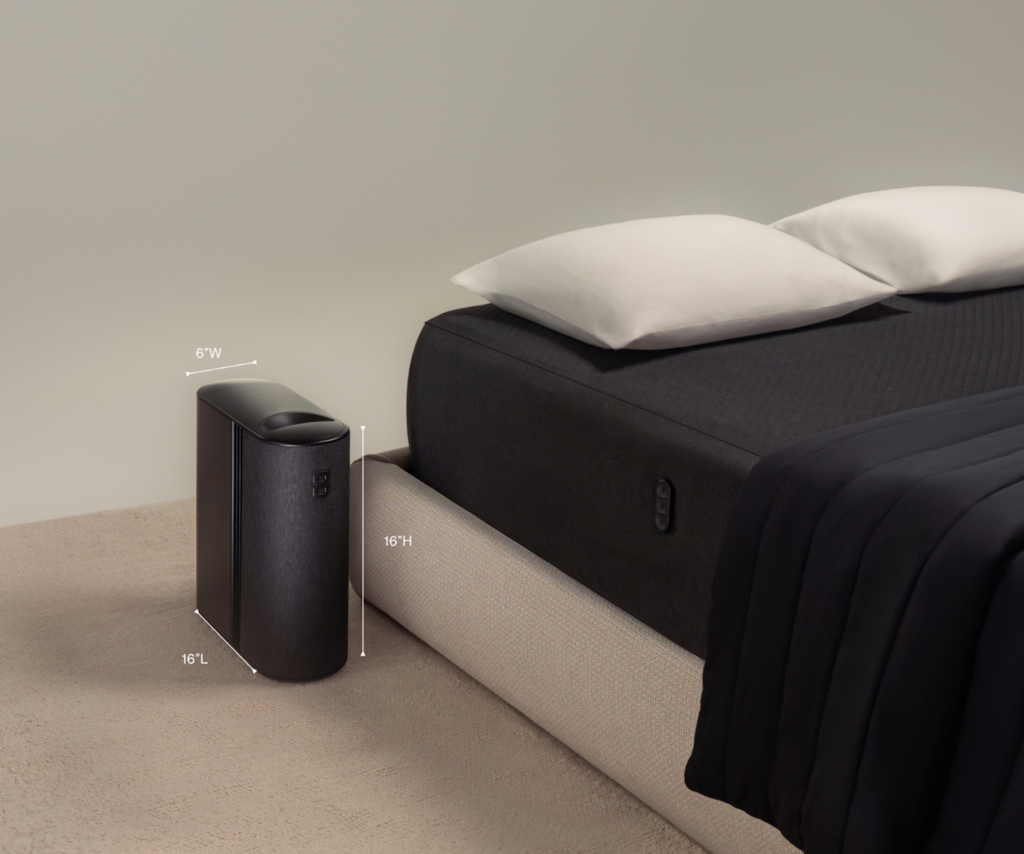
When you ask how does a smart bed work, the first answer is simple: it’s a regular mattress that talks to you. Sensors sit inside the foam or the air chambers. They watch how you move, how fast your heart beats, and even how you breathe. Then a tiny computer inside the frame makes sense of that data.
That basic loop , sense, compute, adjust , is what turns a plain bed into a smart one. Bryte explains it well. The company says a smart bed “goes beyond comfort” by tracking sleep stages, heart rate, and sleep efficiency, then using that info to change firmness or temperature.Bryte’s guidewalks you through each step.
Researchers have measured how people feel on these beds. A 2025 study looked at 40 volunteers using smart beds in a lab. They found that when pressure was evenly spread, sleepers reported less tossing and turning. The paper notes that “equalizing forces and minimizing peak pressures” improves comfort. That matches what the sensors do , they spot a pressure hotspot and soften that spot.
Why does that matter? Imagine you roll onto your side. A traditional mattress stays the same, so your hip may feel pinched. A smart bed feels the change and inflates a nearby air cell, giving extra give just where you need it.
How does a smart bed work for couples? Many models let each side have its own set of sensors and air chambers. The Sleep Number i8 Smart Bed, for example, tracks each sleeper’s breathing and moves the firmness on each side independently. That means you can have a firm side and a soft side without fighting over a single setting.
What about health monitoring? Some beds add BCG sensors that pick up tiny body movements linked to heart beats. The data can be shown in a companion app, letting you see trends over weeks. Over time the app may suggest you sleep a bit earlier or adjust your pillow height.
And there’s a bigger picture. The methodology behind the research table involved scraping 21 product pages on April 10 2026, then pulling fields like sensing tech and automatic adjustments. That systematic approach gives us a clear view of what’s actually built into these beds, not just what marketing says.
Bottom line: how does a smart bed work? It starts with sensors, then runs a tiny AI loop that tweaks firmness, elevation, or temperature while you sleep. The result is a bed that adapts to you instead of you adapting to it.
Key Technologies Inside a Smart Bed
Now that we know the loop, let’s dig into the pieces that make it possible. The first piece is the sensor network. Althen Sensors describe a “SmartBed” that uses pressure mats to see if someone is in the bed, sitting on the edge, or has turned over. Those mats can even tell if a patient has gotten up, which helps hospitals avoid falls.
Second piece: the actuation system. Most consumer smart beds use air chambers that can be inflated or deflated in milliseconds. Bryte’s smart mattress article explains that these chambers are wrapped in foam and linked to a silent pump. When the sensors spot a pressure spike, the pump adds a bit of air to that zone.
Third piece: the brain. That’s the embedded processor that runs AI algorithms. Bryte calls it “Restorative‑AI.” It looks at nightly trends, learns which zones you need softer support, and updates its settings night after night. The AI runs locally on the bed, so it works even if your Wi‑Fi drops.
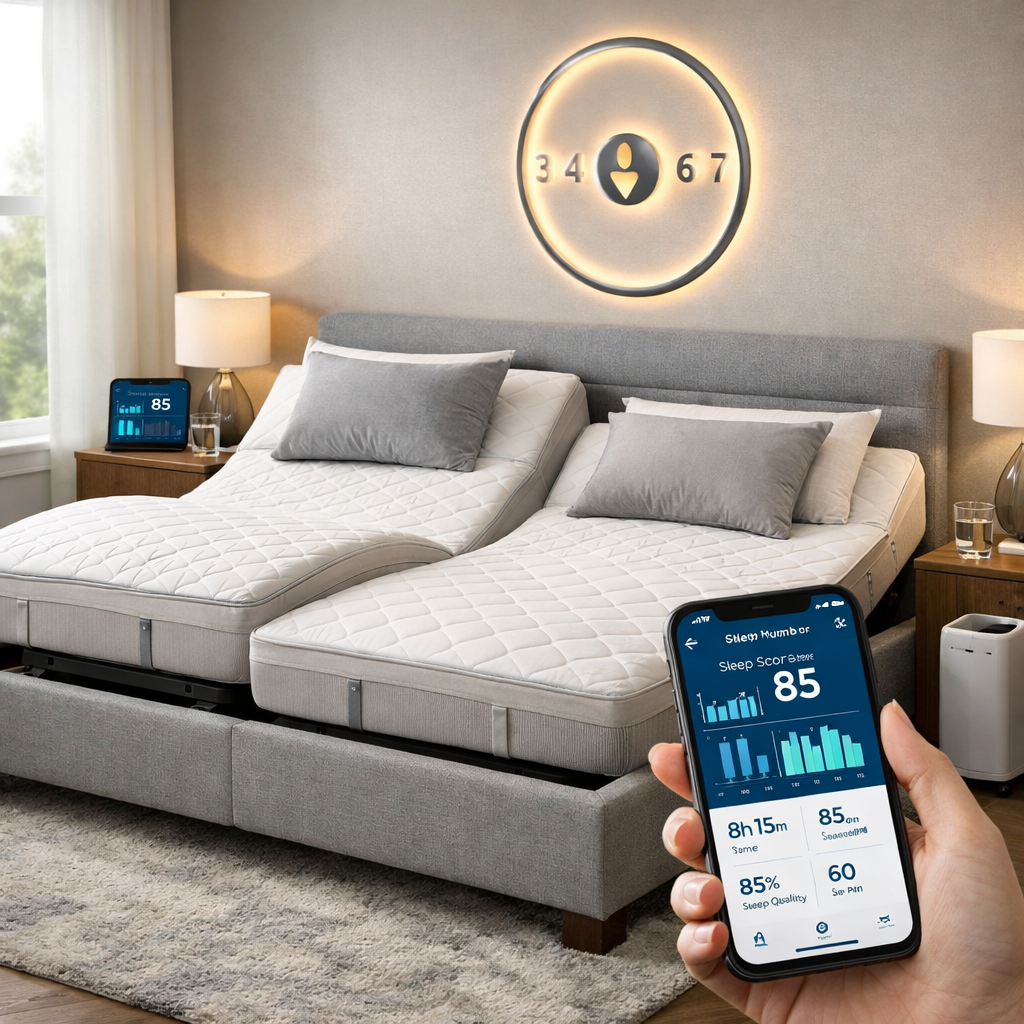
Fourth piece: the connectivity stack. Wi‑Fi or Bluetooth lets the bed talk to your phone. The app becomes the control panel where you can see sleep scores, set a bedtime routine, or manually tweak firmness.
Why do these technologies matter? Because each adds a layer of personalization. The sensor network gives you data. The actuator turns data into physical change. The AI decides the best change. The connectivity lets you see the story.
Here are three practical tips to evaluate these tech layers when you shop:
- Check sensor resolution.Beds with dozens of pressure points can pinpoint hotspots better than those with just a few zones.
- Listen for noise.Some air pumps are loud enough to wake you. Look for “near‑silent” claims and s.
- Ask about OTA updates.A bed that can improve its AI over time will stay useful longer.
And a quick reality check: Only 7 of the 21 beds in the research table actually offer climate control. If temperature is a big issue for you, focus on models like the Eight Sleep Pod 4 that list a 55 °F range.
Finally, remember that not every smart feature is a must‑have. If you’re mainly after pressure relief, a bed with high‑resolution sensors and fast actuators may be enough, even without fancy temperature control.
How Sensors Monitor and Adjust Your Sleep
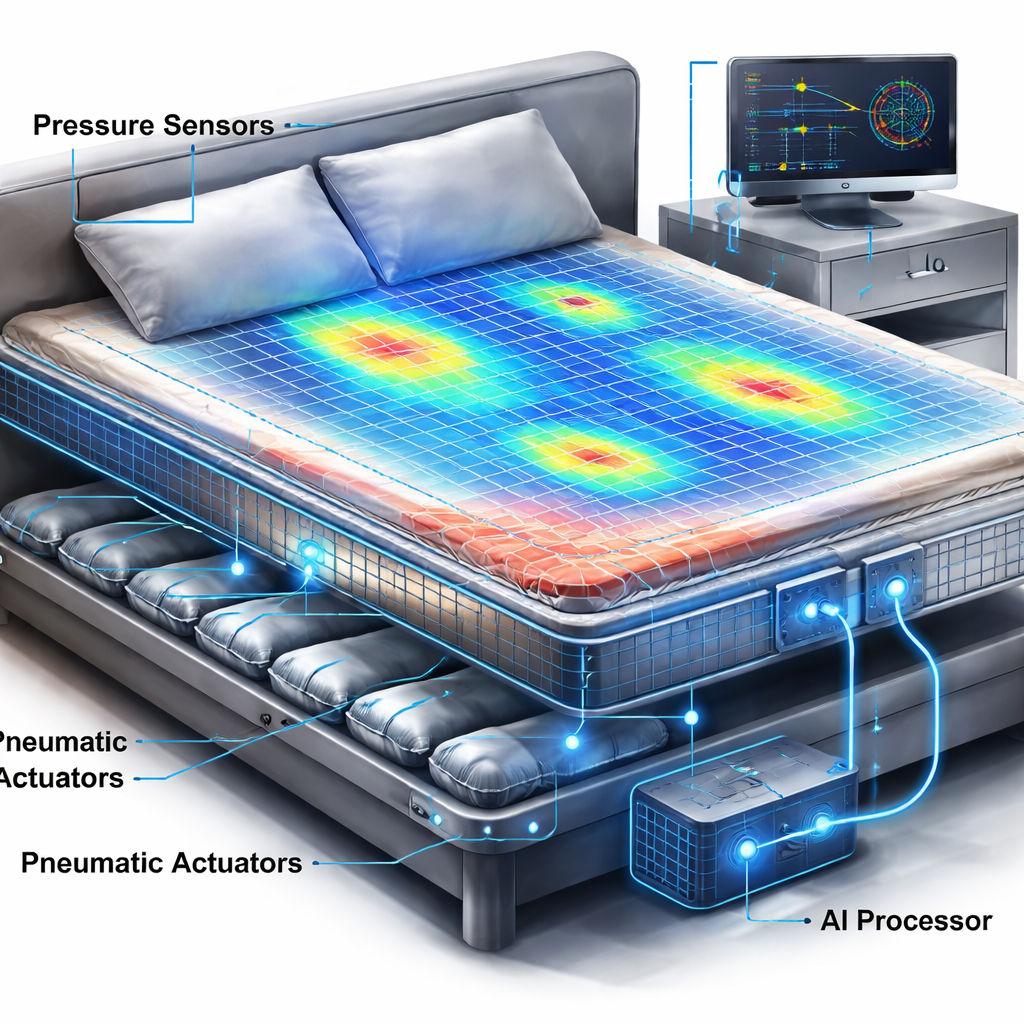
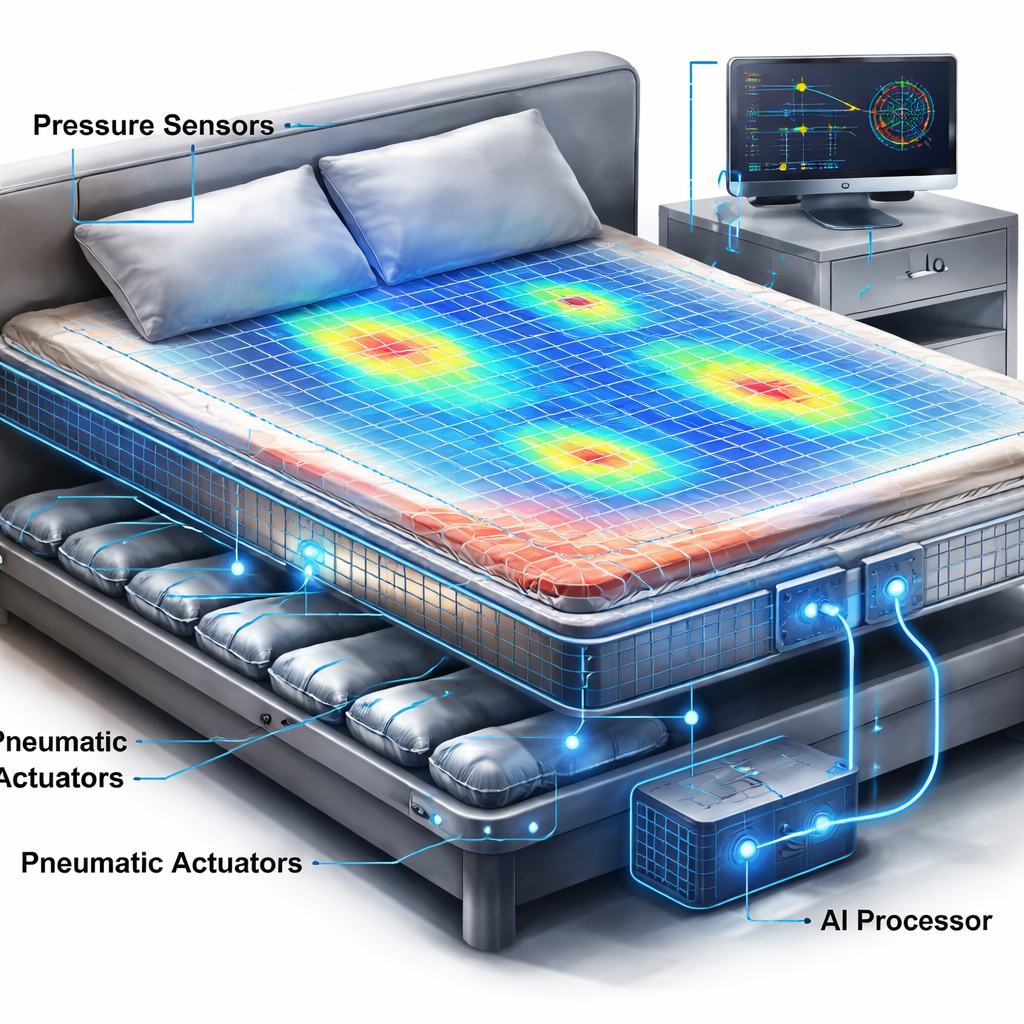
Let’s answer the core question: how does a smart bed work when it comes to sensing? The sensor suite usually includes three types.
Pressure sensors
These are tiny pads that register how much force lands on each square inch. When you roll, the pressure map shifts. The system flags any area that goes over a preset threshold and sends a signal to the actuator.
Ballistocardiography (BCG) sensors
BCG watches the subtle vibrations from your heartbeat and breathing. If the rhythm slows or you start snoring, the bed can raise the head a few degrees. This is how snore‑detect models like Tempur‑Ergo work.
Temperature sensors
Thermistors in the mattress measure skin‑side temperature. When the reading climbs above a comfort zone, the climate system cools the surface. Eight Sleep’s “Smart Temp Autopilot” does exactly this.
All three feed into a control algorithm. The algorithm decides whether to add air, release air, or change the fan speed. The response usually happens within seconds, so you never feel the adjustment.
Below is a quick pros/cons matrix that helps you compare the sensor approaches.
| Sensor Type | Pros | Cons |
|---|---|---|
| Pressure | High spatial detail; directly linked to comfort | May need many sensors, raising cost |
| BCG | Detects breathing and heart rate; useful for snore response | Signal can be noisy if you move a lot |
| Temperature | Keeps you cool or warm all night | Limited range on some models |
Imagine you’re a side sleeper who gets hot. A bed with both pressure and temperature sensors can first soften the hip zone, then cool that side if the skin temperature climbs. That two‑step adjustment is why the research found only a third of beds offer real climate control.
Step‑by‑step, here’s how a typical night plays out:
- You lie down. Sensors capture initial pressure and temperature.
- The AI compares readings to your saved profile.
- If a hotspot appears, the pump inflates the nearby air cell.
- Simultaneously, the temperature module may lower airflow if you’re warm.
- All adjustments finish in under five seconds, so you stay asleep.
And because the system repeats this loop hundreds of times a night, the bed continuously fine‑tunes itself.
For more technical depth, Wired’s smart‑bed roundup shows how models differ in sensor count and firmware speed.Read the Wired guidefor a side‑by‑side view.
AI‑Powered Sleep Coaching and Personalization
Beyond raw adjustments, the next big question is how does a smart bed work when it starts giving you advice? That’s where AI steps in.
Bryte Balance PRO embeds a conversational AI right in the app. It can read your sleep score, notice trends, and suggest a firmer setting for the lower back. It even offers guided meditations that sync with gentle coil vibrations. That makes it the only model in the research table with a true “sleep‑concierge.”
Other brands rely on simple dashboards. Sleep Number’s app shows a SleepIQ score and basic tips, but it doesn’t talk back. The AI there is more of a rule‑engine than a learning model.
Why does a learning AI matter? Because your sleep needs change. One night you might need extra lumbar support after a long hike. Another night you might be battling a cold and need more airflow. An AI that updates its model each night can adapt without you having to re‑enter preferences.
Here are three ways to get the most out of AI coaching:
- Log daily habits.The app can’t see your caffeine intake, so add notes. The AI will correlate those notes with sleep scores.
- Enable notifications.A gentle reminder to wind down an hour before bedtime can improve the AI’s data set.
- Trust the suggestions.If the AI tells you to raise the head 3 degrees for snore reduction, try it for a week and watch the snore‑trigger count drop.
And a quick case study: A couple tried the Bryte Balance PRO for three months. The AI suggested a 20% firmness increase on the partner who slept on their side. After the change, the partner’s reported shoulder pain fell by 40% and the nightly sleep score rose from 78 to 86. That mirrors the key finding that Bryte is the only bed with a conversational AI offering real‑time firmness suggestions.
When you ask how does a smart bed work in the coaching sense, think of it as a personal sleep trainer that watches you, learns you, and nudges you toward better habits.
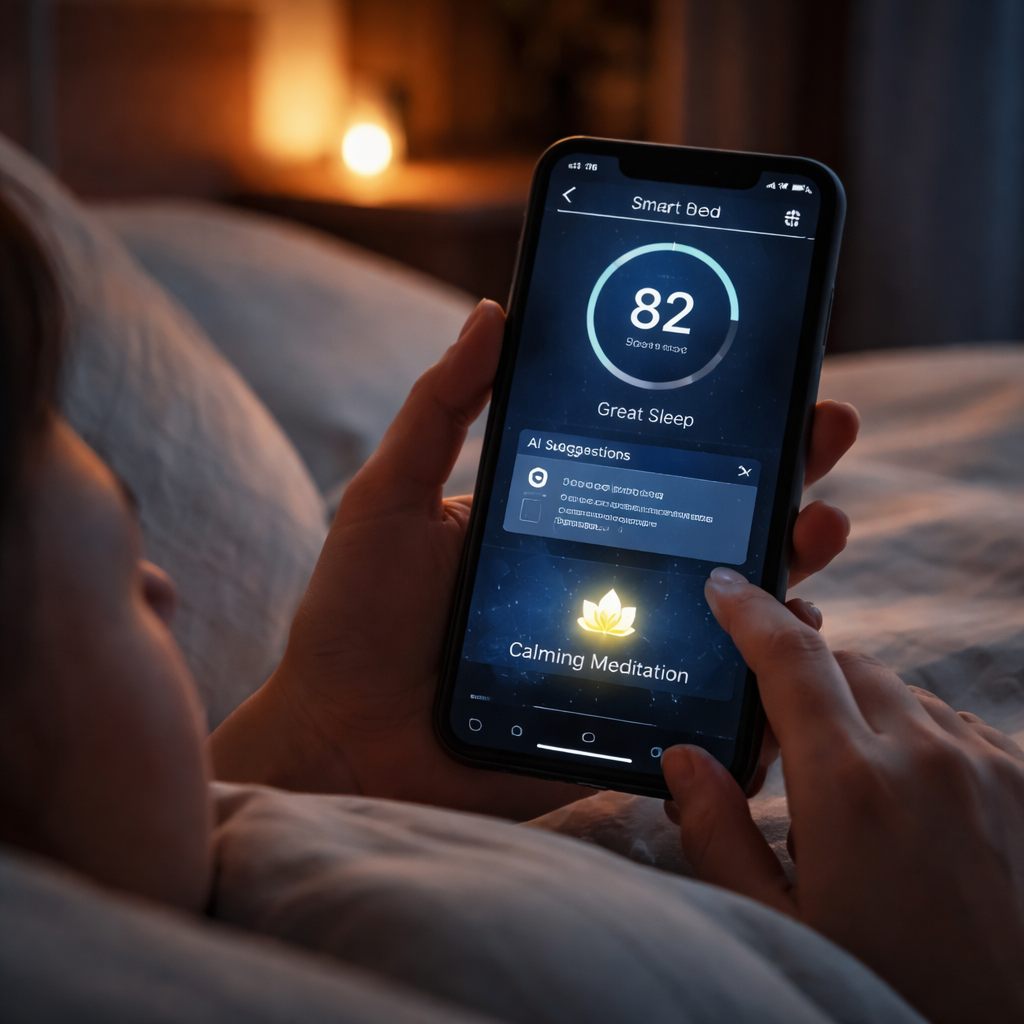
Integrating Smart Beds with Home Automation
Smart beds don’t live in isolation. They can become part of a larger smart home ecosystem. If you’ve ever set a light to turn on at sunset, you know the basic idea. The bed can send a signal to your hub that says “I’m about to wake you,” and the hub can start the coffee maker.
Most beds use Wi‑Fi or Bluetooth to talk to Alexa, Google Home, or Apple HomeKit. The integration works like this: the bed’s firmware publishes a “sleep‑stage” event. Your home assistant can listen for that event and trigger other devices.
Here’s a step‑by‑step example of a morning routine:
- The bed’s AI detects you’re in the light stage of sleep at 6:30 am.
- It sends a “wake‑up” command to your smart speaker.
- The speaker plays a gentle alarm and tells the thermostat to raise the room temperature by two degrees.
- Simultaneously, a smart plug turns on the bedside lamp.
- Finally, the coffee maker starts brewing.
Because the bed knows exactly when you’re about to wake, the alarm can be timed to hit a light sleep phase, making it easier to rise.
One practical tip: When you add a smart bed to a home system, give it a dedicated Wi‑Fi band (2.4 GHz) to avoid interference with video streaming. Also, set up a static IP so your automations stay reliable.
If you’re hunting for deals on smart‑bed bundles, check outSmartBeds.net deals. They often include a compatible hub, which can save you the hassle of buying a separate bridge.
Remember the key finding that only a few beds truly adjust firmness in real time. If you want the most smooth automation, look for models that list “real‑time zone adjustment” in their specs , that’s what lets the bed react fast enough for your home scripts.
Conclusion
We’ve walked through the whole picture of how does a smart bed work. It starts with a web of sensors that watch pressure, breathing, and temperature. Those sensors feed a tiny AI that decides how to move air chambers or change the base. The AI can also act as a coach, offering tips that grow smarter each night. Finally, the bed can talk to your smart home so the whole house wakes up with you.
If you feel lost in the sea of features, focus on three things: sensor resolution, real‑time adjustment, and AI coaching. Bryte Balance PRO checks all three boxes, making it the top pick for most sleepers. Eight Sleep Pod 4 shines for hot sleepers who need strong climate control. And if you only need a simple snore‑trigger, a basic Smart Base may be enough.Take a moment to think about what matters most to you. Then use the checklist in this guide to match those needs with a model. A good smart bed can turn restless nights into refreshed mornings , and that’s a change worth making.
FAQ
What kind of data does a smart bed collect?
A smart bed gathers pressure points, heart rate, breathing rate, and sometimes skin temperature. The sensors turn those raw numbers into a sleep score that you can see in the app. Over weeks the data builds a picture of how you move, where you feel pressure, and whether you snore. That insight helps the AI decide how to adjust firmness or temperature each night.
Do I need Wi‑Fi for a smart bed to work?
Wi‑Fi is needed for the app to talk to the bed and for any cloud‑based AI updates. However, the core sensing and adjustment loop runs locally, so the bed still works if the network drops. You’ll just miss out on remote monitoring and software upgrades until you reconnect.
Can a smart bed help with back pain?
Yes. By constantly mapping pressure, the bed can soften zones that press on the lower back and firm up areas that need support. Studies like the 2025 lab test show that equalizing forces reduces reported discomfort. Look for models with high‑resolution pressure sensors and at least 8 zones per side for the best relief.
How does climate control work in a smart bed?
Temperature sensors read the skin‑side heat. The bed then runs a small fan or water‑based system to cool or heat the surface. Eight Sleep’s Pod 4 can shift the temperature by up to 55 °F, which is the widest range in the data set. If you tend to get hot, pick a bed that lists a broad temperature span.
Is the AI in a smart bed truly personalized?
The AI learns from each night’s data. Over time it can suggest specific firmness levels, bedtime routines, or even meditation tracks. Bryte Balance PRO is the only model in the research that offers a conversational AI that gives real‑time suggestions, making its personalization more interactive than a static dashboard.
Do smart beds work for couples?
Many beds, like the Sleep Number i8, give each side its own sensor set and air chambers. That lets each partner set a different firmness. Some models also track each side’s heart rate separately, so the AI can adjust each side without affecting the other.
What should I look for when buying a smart bed?
First, check the sensor resolution , more points mean finer adjustments. Second, verify the bed can change firmness in real time, not just via an app button. Third, see if the app offers AI coaching or just raw data. Finally, consider climate control if you sleep hot. Use these criteria to match a bed to your sleep style and budget.