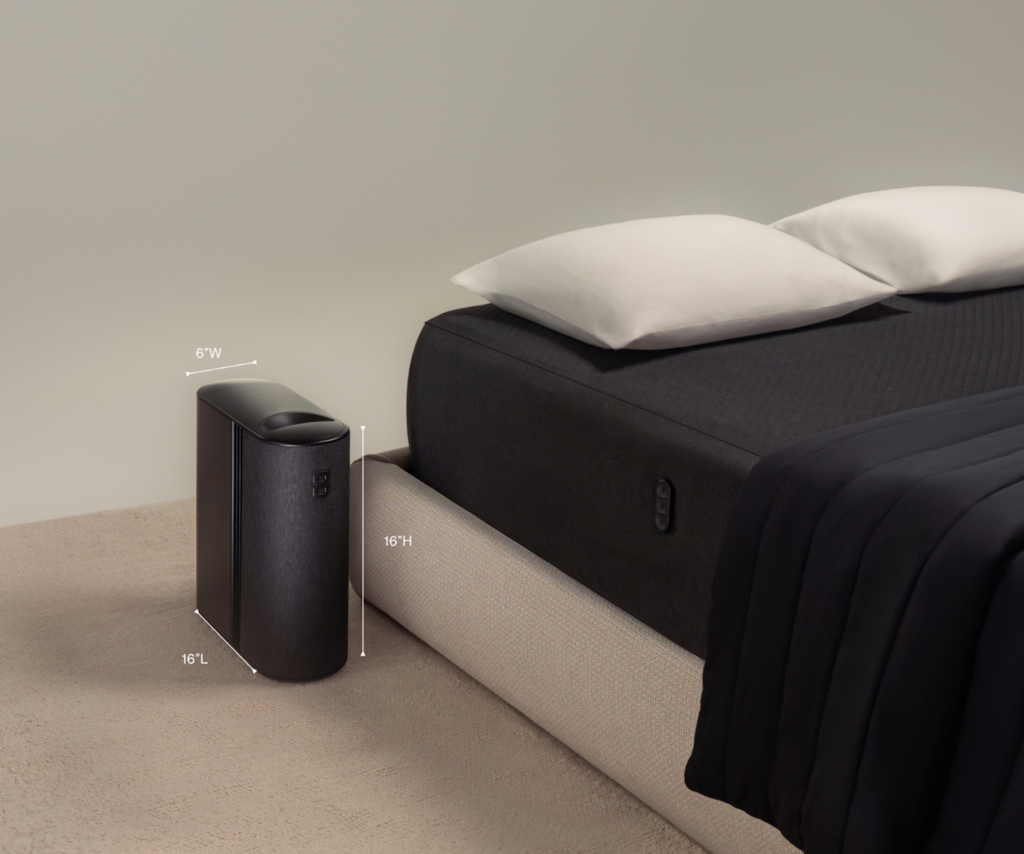
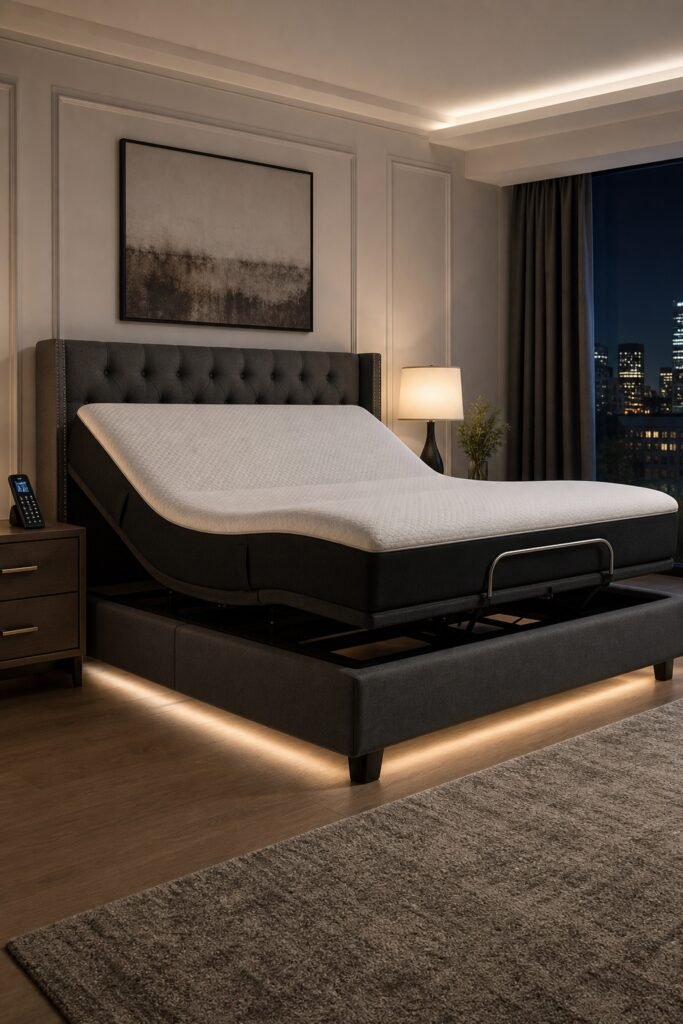
Ever wish your bed could do more than just hold your mattress? Maybe you imagine a bed that adjusts your head up so you can watch TV, gives you a gentle massage, or plays your favorite playlist. That’s exactly what multifunctional smart beds can do. But with so many options, it’s easy to feel lost. In this guide, we’ll walk through every feature, from comfort basics to high-tech health tracking. You’ll learn what really matters and how to pick the bed that fits your life.
What Is a Multifunctional Smart Bed?
A multifunctional smart bed is more than just a place to sleep. It’s a single piece of furniture that combines a mattress with technology like adjustable bases, massage functions, built-in speakers, USB ports, and even health sensors. Think of it as your personal sleep command center.
, all 30 models of smart beds on the market offer some kind of adjustability. That means you can change the angle of your head or feet. Many also include massage features and storage drawers. But true smart functions are still rare. Only about 30% actually track your sleep. Just 3% use artificial intelligence to adjust your comfort automatically.
So what can you actually get? Let’s break it down.
Adjustable Base
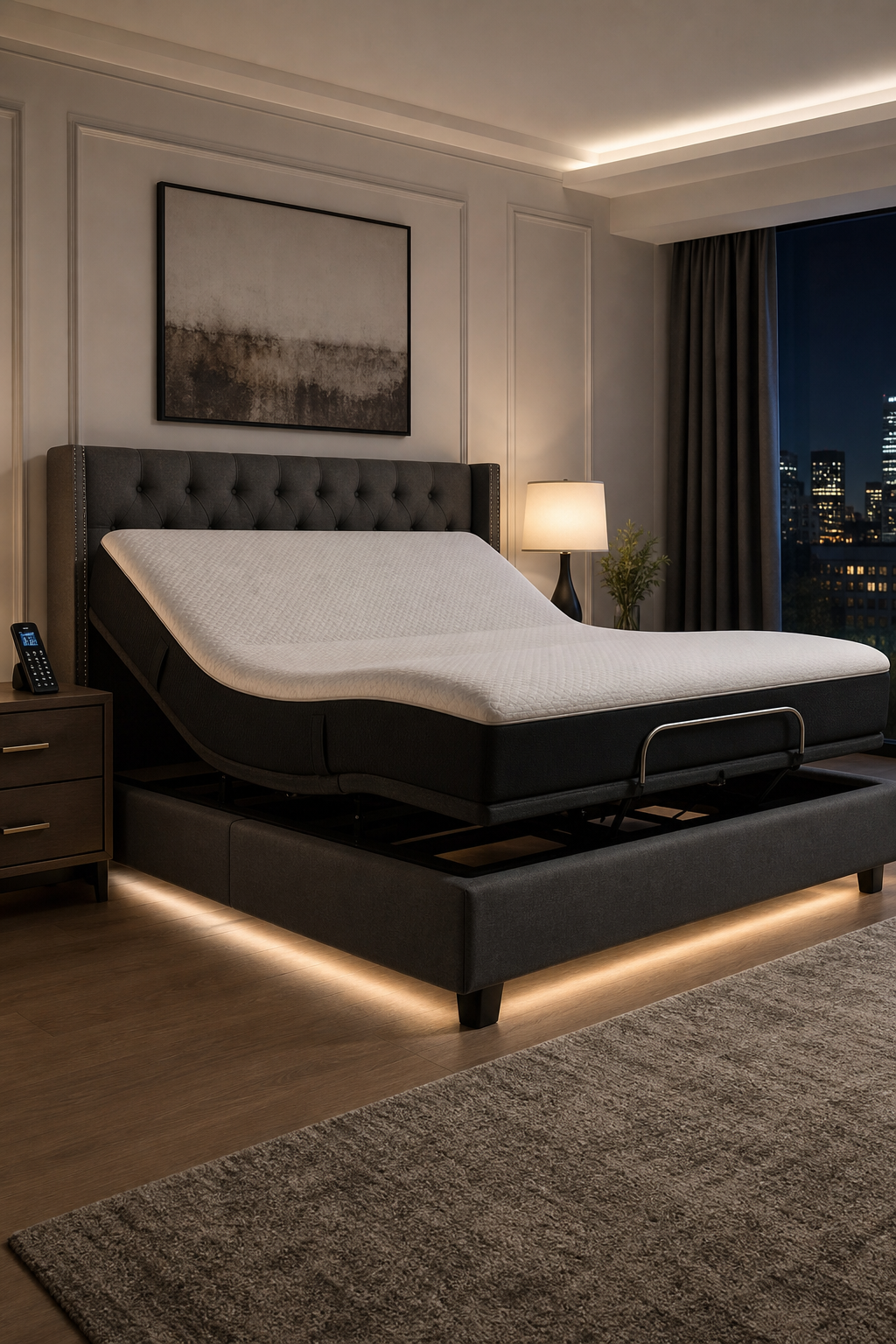
The core of any smart bed is the adjustable base. You can raise your head for reading or watching TV, and lift your feet to relieve pressure. Many models offer zero-gravity mode, which improves both ends slightly to take pressure off your spine. This alone can help with back pain and snoring.
Massage and Recliner
Some beds include a built-in massage chair on one side. It’s not a deep tissue massage, but a gentle vibration that helps you relax. As one YouTube reviewer put it, “Think vibration, not spa.” Still, it’s a nice extra for winding down.
Storage and Convenience
Multifunctional beds often come with drawers under the bed, side cabinets, or even a hidden safe. This is great for small spaces. You can store bedding, clothes, or other items out of sight.
Bottom line:A multifunctional smart bed combines comfort, technology, and storage in one package, but the smartest features are only available on higher-end models.
Health and Wellness Monitoring Features
One of the biggest draws of smart beds is health tracking. These beds can monitor your sleep patterns, heart rate, breathing, and even snoring. But not all beds do this equally.
Our research shows that only 16 out of 30 beds (about 53%) mention any sleep tracking. Of those, most just give you a basic sleep score. A few, like the Eight Sleep Pod 4, track sleep cycles, heart rate, and respiration. Even fewer , just 3% of the entire market , offer integrated health monitoring, such as heart rate variability or snoring detection.
How accurate are these trackers? A comparison by CNET found that the Sleep Number smart bed’s tracking was surprisingly close to the Oura Ring, a dedicated wearable. In their 30-night test, the average sleep time reported was just one minute different. But there’s a caveat: beds can mistake your partner’s movements for yours, and they may think you’re asleep when you’re just lying still watching TV.
Many smart beds also offer an anti-snore feature. When the bed detects snoring, it gently raises your head to open your airway. This can be a game-changer for couples. Some models even include under-bed lighting that turns on when you get up at night.
Health monitoring is a valuable extra, but don’t expect medical-grade data. Use it to spot trends, not diagnose problems. If you have sleep apnea or other issues, see a doctor.
Bottom line:Health monitoring is a useful perk, but only a small fraction of smart beds offer detailed tracking; manage your expectations and treat the data as insights, not a diagnosis.
Entertainment and Convenience Technologies
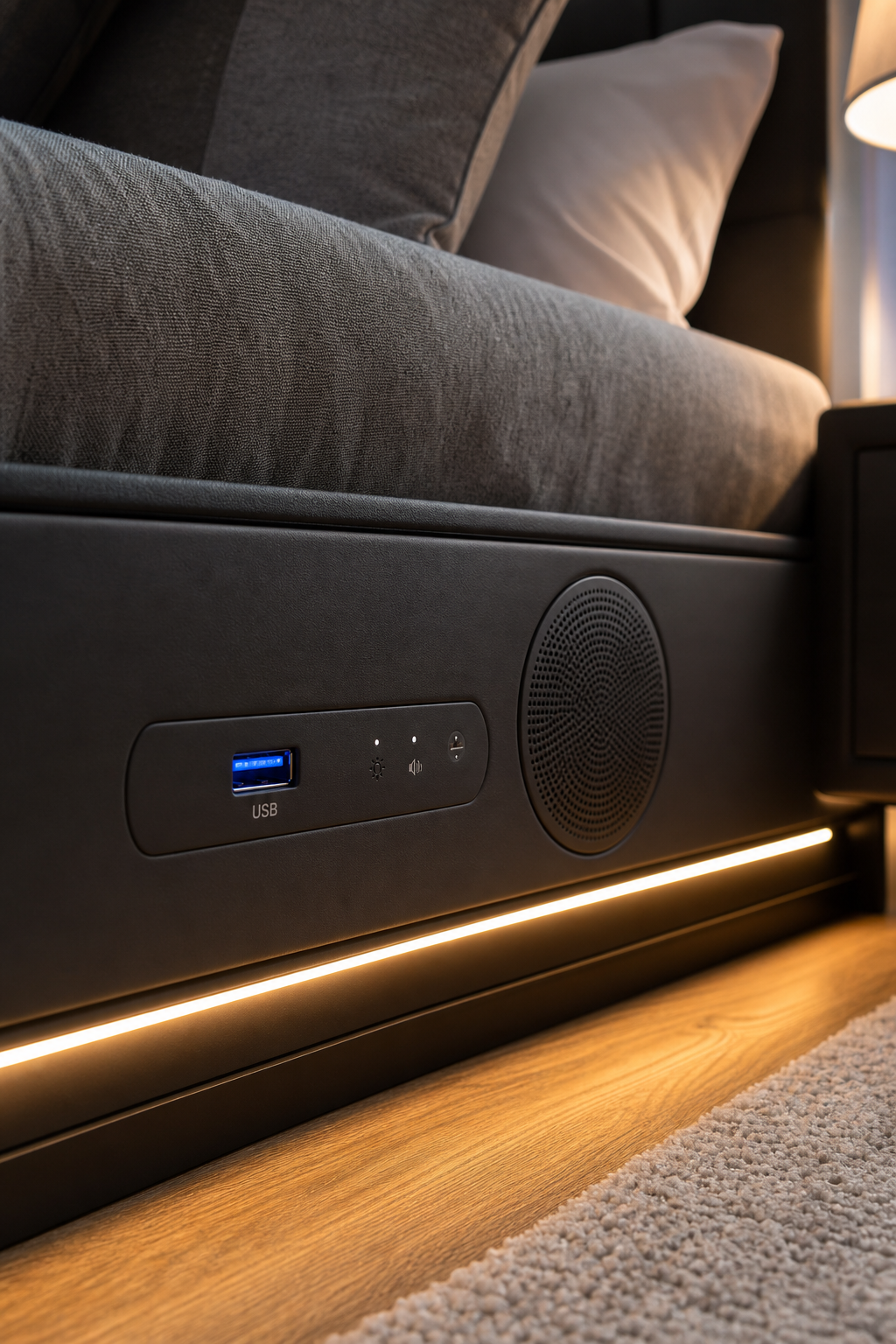
These days, your bed can be your entertainment hub. Many multifunctional smart beds come with built-in Bluetooth speakers, USB charging ports, and even LED lighting. Some have a projector or a small TV built into the footboard.
One popular model, the AF ARTISAN FURNITURE multifunctional smart bed, includes a massage chaise lounge, Bluetooth speakers, USB ports, and storage drawers , all for around $1,848. Another from WEALTHOME adds a bookshelf, a jewelry box, and an LED reading light. These extras can make your bedroom feel like a luxury suite.
But here’s the reality: these features are not all created equal. The massage is often a light vibration, not a deep kneading. The speakers might be small and lack bass. And the projector may need a dark room to work well. Read reviews carefully before you buy.
Connectivity is another factor. About a third of smart beds have any kind of link to your phone or voice assistant. Most use a mobile app. Some work with Alexa or Google Home. This lets you adjust the bed without leaving the covers.
For couples, split-king models let each side have its own settings. You can have your head up while your partner lies flat. The only issue is the middle gap, but you can solve it by laying diagonally when cuddling, as one reviewer noted.
“The built-in soundbar is designed for white noise, but our testers liked using it for movies and music too.” , Good Housekeeping tester reviewing the Tempur-Pedic smart base.
Bottom line:Entertainment features add fun and convenience, but focus on the ones you’ll actually use daily , like USB ports and a good app , rather than flashy extras that might underperform.
Buying Guide: Key Factors to Consider
Ready to shop? Here are the most important things to think about before you buy a multifunctional smart bed.
1. Budget
Prices range from under $1,000 to over $10,000. Decide how much you’re willing to spend. Entry-level adjustable bases start at $500, but true smart beds with tracking and AI can cost $3,000 or more. If you want the best value, check out our top 7 smart mattress picks for 2026.
2. Must-Have Features
Make a list of features you really need. For example, if you have back pain, zero-gravity and massage are key. If you snore, look for anti-snore mode. For hot sleepers, temperature control is a must , some beds offer active cooling with water or air.
3. Size and Compatibility
Most smart beds come in queen, king, and split-king sizes. Make sure your room can accommodate the frame. Also, check if your mattress is compatible , some smart bases work with any mattress, while others need a specific one.
4. Warranty and Trial Period
Look for at least a 10-year warranty on the frame and a 100-night trial. Some brands offer white-glove delivery and setup. As Good Housekeeping notes, the Tempur-Pedic bases come with a smooth, quick setup process and excellent customer service.
5. Customer Reviews
Real user feedback is gold. Check reviews on multiple sites. Look for comments about noise, durability, and ease of use. Be wary of beds with lots of 5-star reviews but few details.
Bottom line:Focus on your core needs, set a budget, and s to avoid disappointment , the best smart bed is the one that fits your life, not just your wallet.
Assembly and Setup Tips
Setting up a multifunctional smart bed can be a DIY project or a professional job. It depends on the model and your comfort with tools.
Most smart beds come in multiple boxes. For example, the Sven & Son smart bed ships in three large boxes. Setup involves attaching legs, flipping the base, and plugging it in. The hardest part is lifting the heavy steel frame , definitely get a friend to help.
Here are some practical tips from people who’ve done it:
- Clear a large area in the room before you start. You’ll need space to lay out parts.
- fully before touching anything. Some steps are easy to do wrong.
- Use a power drill with a hex bit for screws to save time.
- Connect the base to the power and test all functions before putting the mattress on top. It’s easier to fix issues then.
- If you buy a split king, know that the two twin XL halves come separately. You’ll need to sync the remotes.
One YouTube reviewer mentioned that the hardest part of his Sven & Son setup was just lifting the base. He said, “It’s built out of heavy-duty steel. And honestly, I like that it feels solid.” After assembly, he had a minor sync issue with the remotes, but a 10-minute call to customer service fixed it.
If you’re not handy, many brands offer white-glove delivery for an extra fee. They’ll bring the boxes in, assemble the bed, and even take the packaging away. It can cost $150-$300, but it saves a lot of hassle.
Bottom line:Assembly is doable with two people and basic tools, but if you’re not confident, pay for professional setup , it’s worth the peace of mind.
Environmental and Sustainability Options
More people care about the planet when they buy furniture. Smart beds are no exception. Many manufacturers now use eco-friendly materials and processes.
Look for certifications like CertiPUR-US, which ensures foam is made without harmful chemicals. GREENGUARD Gold certification means the bed meets strict chemical emissions limits for indoor air quality. OEKO-TEX Standard 100 guarantees textiles are free from harmful substances.
Some brands also use natural materials like organic cotton, wool, or latex. These are renewable and biodegradable. The Saatva Solaire, for example, uses cotton and foam layers that can be replaced individually, extending the bed’s life. A longer lifespan means less waste.
When it comes to the base, look for steel frames that are recyclable. Some manufacturers use powder-coated finishes instead of harmful paints. Also check if the packaging is made from recycled cardboard and can be recycled again.
Energy efficiency matters too. Smart beds consume power for sensors and motors. Look for models with an automatic sleep mode that reduces power when not in use. Some bases offer a USB power-saving feature that shuts off ports when the bed is not in activity.
If sustainability is important to you, also consider the brand’s return policy. A generous trial period means fewer returned beds ending up in landfills. Some companies partner with recycling programs for old mattresses.
Bottom line:A sustainable smart bed is possible by choosing certified materials, recyclable bases, and brands that prioritize longevity and responsible packaging.
Frequently Asked Questions
What is a multifunctional smart bed?
A multifunctional smart bed combines an adjustable base with extra features like massage, Bluetooth speakers, USB ports, storage, and sleep tracking. It’s designed to improve comfort and convenience, turning your bed into a wellness and entertainment hub. While many models offer basic adjustability, only a few include advanced health monitoring or AI personalization. Always check the specifications before buying.
Are smart beds worth the money?
It depends on your needs. If you have back pain, snore, or want to track your sleep, a smart bed can be a great investment. The adjustable base alone can improve comfort and reduce pressure points. However, if you only need a firm or soft mattress, a traditional bed might be more affordable. Entry-level smart beds start around $1,000, while high-end models with AI can cost over $5,000.
Do smart beds really track sleep accurately?
Most smart beds track sleep using built-in sensors that detect movement, heart rate, and breathing. According to a CNET comparison, the Sleep Number bed’s sleep tracking was within one minute of the Oura Ring over 30 nights. However, wearable devices tend to be more accurate because they’re on your body. Bed sensors can mistake a partner’s movement or reading in bed as sleep. Use the data for trends, not absolute numbers.
Can a smart bed help with snoring?
Yes, many smart beds have an anti-snore feature. When the bed detects snoring through vibration or sound sensors, it gently raises the head of the bed a few inches. This helps open the airway and reduce snoring. Some models, like the Sleep Number 360 and Tempur-Pedic bases, do this automatically. Combined with an adjustable base, this can significantly improve sleep quality for both partners.
How long do smart beds last?
A quality smart bed should last 10-15 years with proper care. The adjustable base and electronics are usually covered by a 10-20 year warranty. The mattress itself depends on the type , foam mattresses typically last 6-8 years, while hybrid or latex can last 10-12 years. To maximize lifespan, use a mattress protector, follow the manufacturer’s cleaning instructions, and avoid jumping on the bed.
Do smart beds need Wi-Fi?
Not all smart beds need Wi-Fi to work, but many features require it. For example, sleep tracking data is often stored in the cloud and accessible via an app. Voice assistant control like Alexa needs internet. However, basic functions like raising the head and foot usually work without Wi-Fi using the remote. Some beds also have Bluetooth for local control without internet.
Can I use my own mattress on a smart bed base?
Most adjustable bases are compatible with any mattress that is flexible enough to bend, such as foam, latex, or hybrid mattresses. Traditional innerspring mattresses are usually not recommended because they can be damaged. Some smart beds require a specific mattress that integrates with the sensors. Always check the manufacturer’s guidelines before buying a base without a mattress.
What is the best smart bed for couples?
The best smart bed for couples is typically a split-king model, which allows each partner to adjust their side independently. Look for features like dual-zone temperature control, separate sleep tracking, and good motion isolation. The Sleep Number 360 i8 and Eight Sleep Pod 4 are popular choices. They let each person set their own firmness and temperature, and they track individual sleep data. Also consider a model with anti-snore mode that only affects the snorer’s side.
Conclusion
Multifunctional smart beds are no longer a futuristic fantasy. They’re here, and they can genuinely improve the way you sleep. From zero-gravity positions that ease back pain to built-in speakers that set the mood, these beds bring real convenience to your bedroom. The key is to cut through the hype and focus on what you actually need.
Remember, not every smart bed is truly smart. Most are adjustable frames with a few extras. True health monitoring and AI adaptation are still premium features. But even a basic adjustable base can make a big difference in comfort and sleep quality. Think about your priorities: Do you need pain relief? Snore reduction? A place to stash extra blankets? Then choose accordingly.
We hope this guide helps you feel more confident about your options. If you’re still unsure, explore our top picks for 2026 to see which models match your needs. Sleep better, live better , your perfect bed is out there.