Smart beds promise a high‑tech sleep haven, but most shoppers wonder if they really pay off. In 2026 the hype is still strong, yet the numbers tell a mixed story. In this guide we’ll look at what a smart bed actually is, the main benefits, the real price tags, how to decide if it fits you, and cheaper ways to boost your sleep.
By the end you’ll know if the answer toAre smart beds worth the moneyis a clear yes, a cautious no, or somewhere in between.
What Exactly Is a Smart Bed?
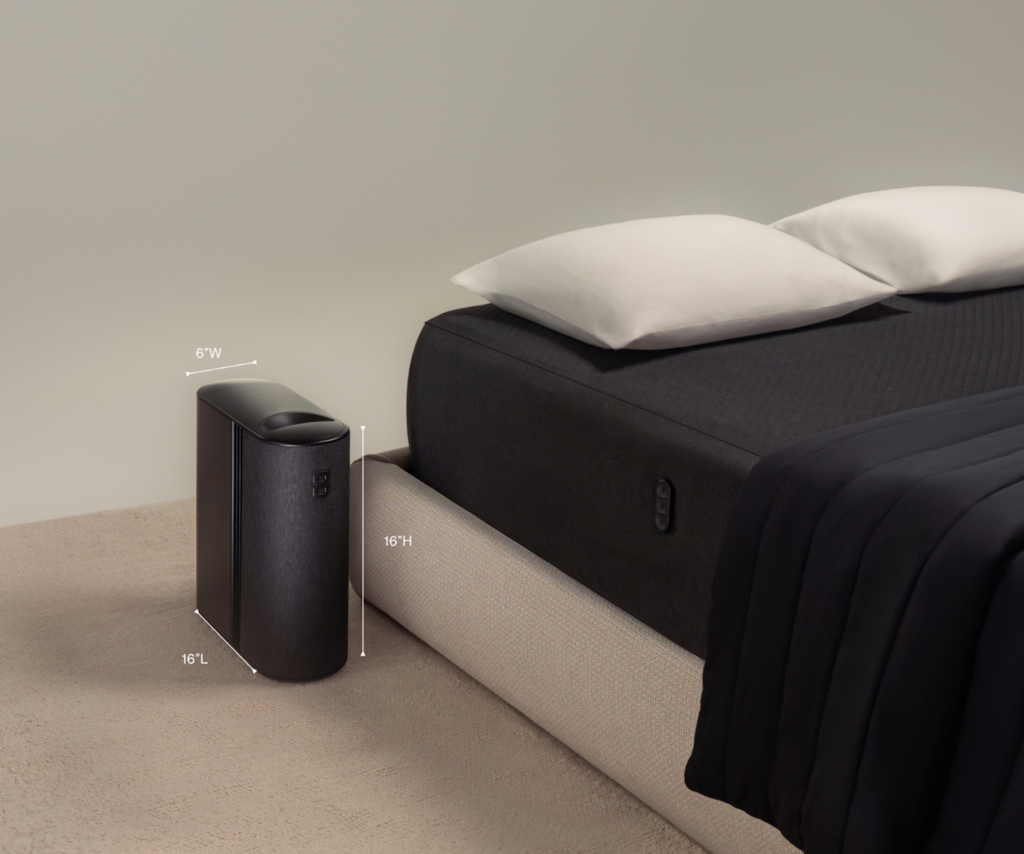
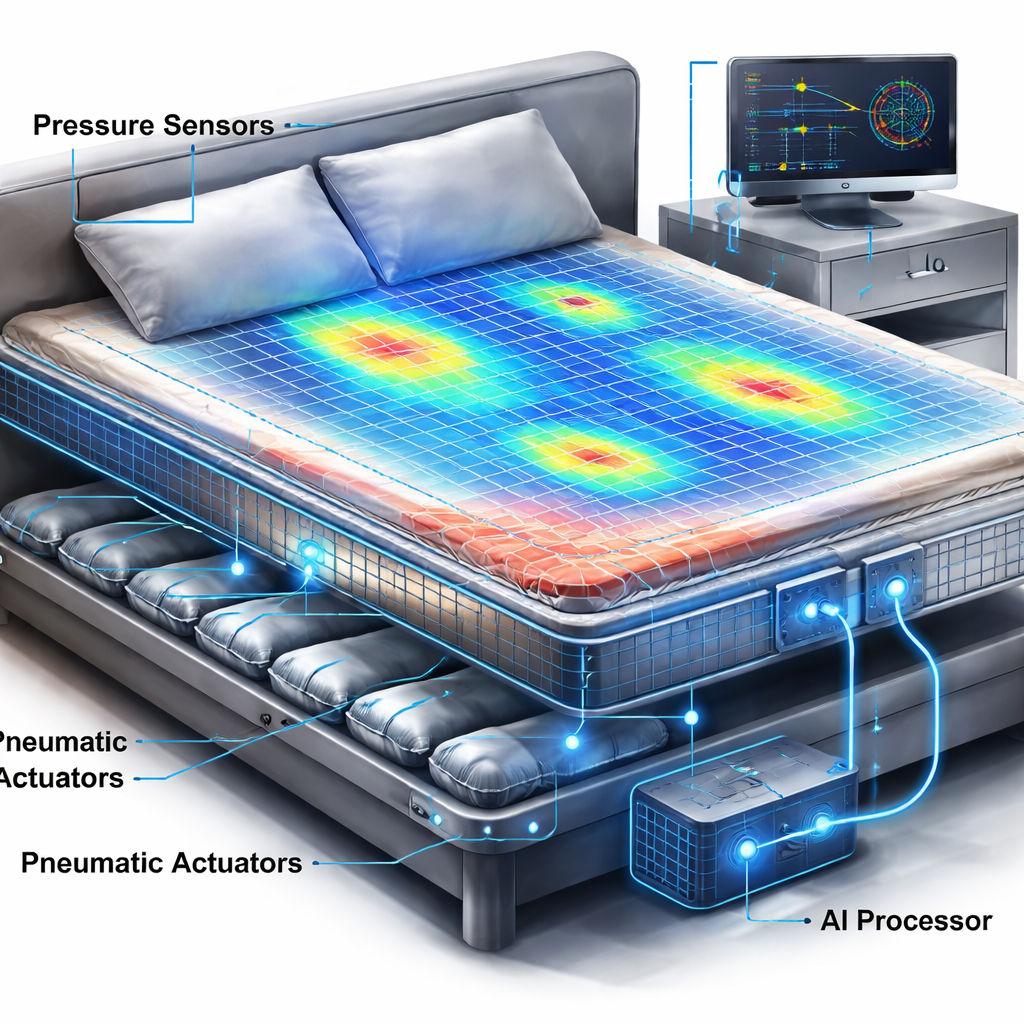
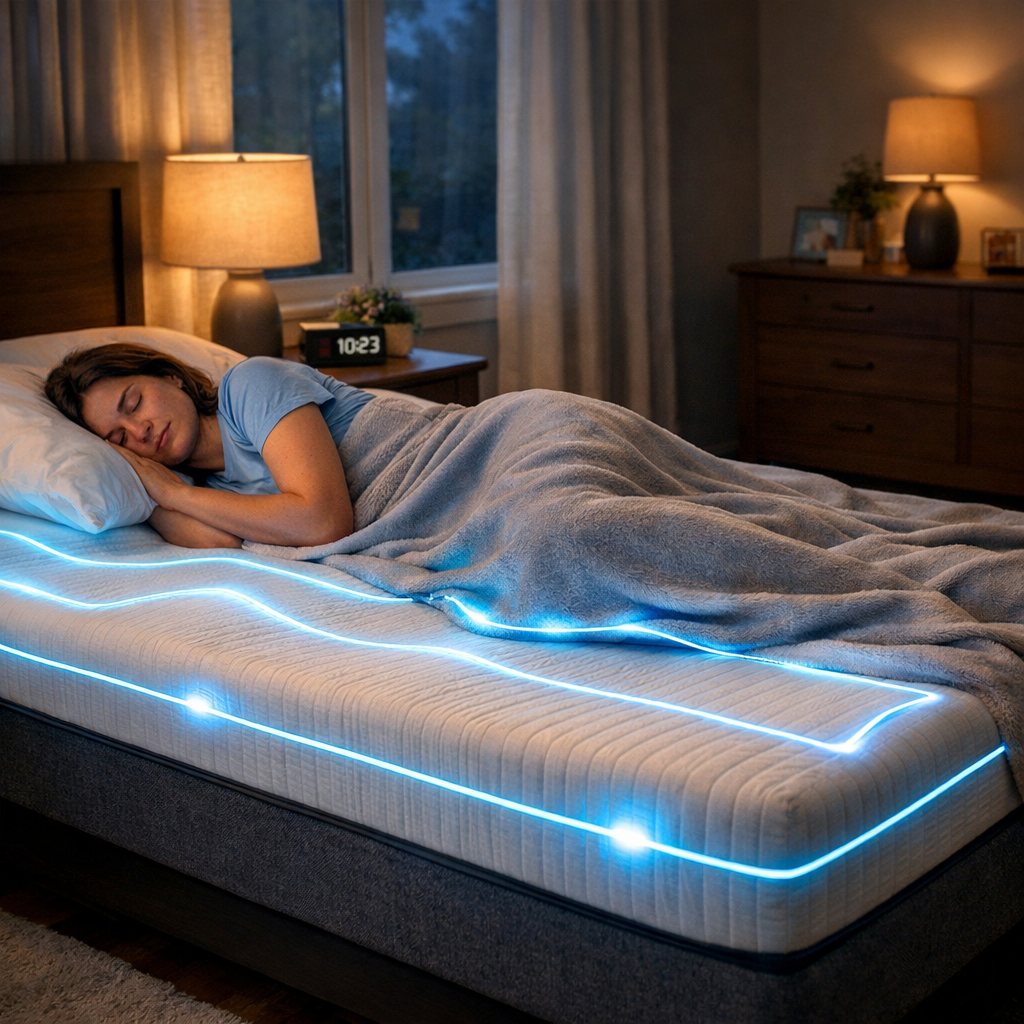
A smart bed is simply a mattress that has tech built inside. Sensors watch how you move, how fast your heart beats, and even how you breathe while you lie down. The data goes to an app on your phone, where you can .
Some models also let you change firmness or temperature with a tap, or even automatically based on what the sensors see.
Here’s a quick look at the tech bits:
- Motion sensors , track rolls and turns.
- Heart‑rate sensor , measures each beat.
- Breathing sensor , watches inhale‑exhale cycles.
- Temperature control , heats or cools each side.
- App interface , shows scores and lets you set preferences.
All of that works no matter if the mattress is memory foam, hybrid, or innerspring. The material stays the same; the tech is what makes it “smart.”
“Smart mattresses typically use sensors built into the bed to gather data on your sleep habits, like how much you move, your heart rate, or how long you’re in each sleep stage,” says sleep expert Shelby Harris.
And remember, the tech adds a layer of complexity. You’ll need Wi‑Fi, a phone, and a bit of patience to get everything working right.
Bottom line:A smart bed is a regular mattress with built‑in sensors and app control that can track and sometimes adjust your sleep environment.
Key Benefits: Sleep Tracking, Comfort, and Convenience
If you ask yourselfAre smart beds worth the money, the first thing to check is what you actually get back. The biggest win is sleep tracking. The sensors turn raw movement into easy‑to‑read scores, showing you how much deep sleep you got, how many times you woke up, and even how steady your heart was.
That data can point out habits that hurt rest. For example, a night of high temperature shows up as lighter sleep. You can then lower the thermostat or use the bed’s cooling mode.
Comfort is the next big benefit. Adjustable firmness means each side of the bed can be set to a different feel. Couples love it because one partner can be soft while the other is firm. Some models also raise the head automatically when snoring is detected, helping keep the airway open.
Convenience shows up in voice control. Many beds link to Alexa or Google Home, so you can say “Hey Google, make my bed cooler,” and the change happens instantly. No more fumbling for a remote in the dark.
And the data isn’t just for show. Apps often give personalized tips: go to bed earlier, try a lower temperature, or adjust the pillow height. Those tips are based on the night‑by‑night trends the bed records.
But the tech can feel noisy. Some users get anxious watching their sleep scores every morning. That’s called orthosomnia, and it can backfire if you stress over the numbers.
For those who want the data without the price, a smart pad that sits on top of a regular mattress can give similar tracking for a fraction of the cost.
Wikipedia’s definition of a smart bed confirms that the core idea is sensor‑driven insight, not just fancy fabrics.
Bottom line:Smart beds give detailed sleep data, adjustable comfort, and hands‑free control, which can be a big upgrade if you use the insights wisely.
The True Cost: Price Ranges and Hidden Expenses
Now let’s tackle the money question head on. The price spread for smart beds in 2026 is huge. The cheapest entry point sits at under $10, while high‑end models push past $10,000. The median starting price sits around $3,699, and the average is roughly $4,094.
Here’s a quick look at where the money goes:
Beyond the sticker price, think about hidden fees. Many brands charge a subscription for full data access. Others require a separate base for position changes, which can add $800‑$1,500.
And don’t forget repair costs. If a sensor fails, you may need to send the whole mattress back, which can run $200‑$400 in shipping plus a service fee.
According to Wired’s review of the market, only about 30% of the beds actually adjust firmness, temperature, or position automatically. The rest rely on manual app control.
When you add up the base price, any optional accessories, and possible subscription fees, a high‑end smart bed can cost $12,000 or more over five years.
Bottom line:Smart beds range from a few hundred dollars to ten‑plus thousand, and hidden costs can push the total well beyond the list price.
Is a Smart Bed Worth It for You? A Decision Framework
AnsweringAre smart beds worth the moneyisn’t a one‑size‑fits‑all thing. It depends on your sleep goals, budget, and how much you’ll actually use the tech.
Use this simple framework:
- Identify your pain point.Do you toss and turn, wake up hot, or snore?
- Match the feature.Temperature control helps hot sleepers. Auto‑positioning helps snorers. Sensors help data lovers.
- Check the price bucket.If the feature you need lives in a $6,000 model, ask if you can get a cheaper add‑on (like a separate cooling pad).
- Calculate total cost.Add base price, accessories, and any yearly subscription.
- Test before you commit.Many brands offer a 30‑day trial. Use it to see if the data actually changes your habits.
And remember the median price of $3,699. If your budget is under $2,500, you’ll likely need to look at a smart pad or a basic air‑adjustable mattress instead of a full‑blown AI‑driven system.
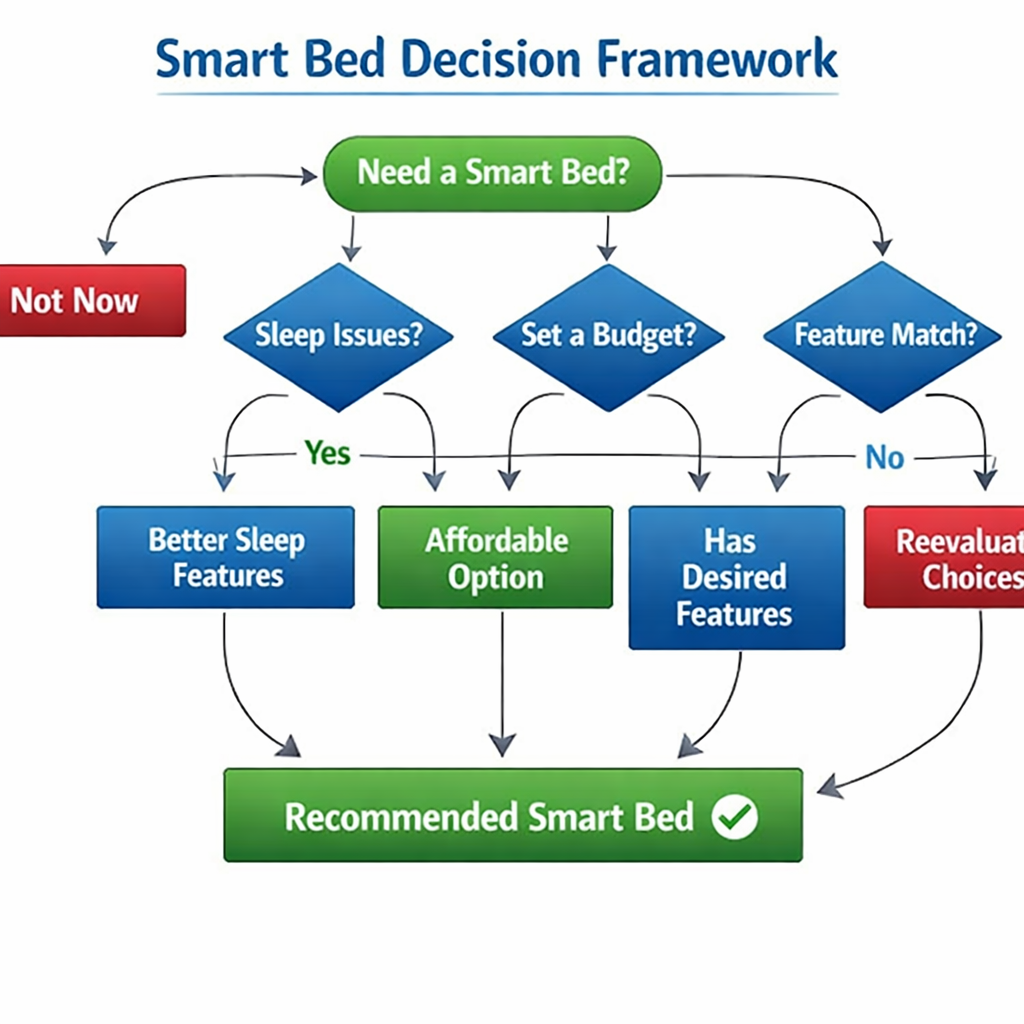
We at SmartBeds.net have seen many shoppers get stuck on the “smart” label and spend more than they need. Our advice is to focus on the one or two features that solve your biggest problem, then pick the most affordable model that offers them.
Bottom line:Use a step‑by‑step check‑list to see if the features you want line up with a price you can live with.
Alternatives: Cheaper Ways to Upgrade Your Sleep
If the answer toAre smart beds worth the moneyis no, you still have options to boost sleep without breaking the bank.
Try a cooling pillow or a mattress topper with gel‑infused foam. Those can cut night sweats for under $200.
Buy a separate sleep tracker like a wrist‑band or a bedside sensor mat. They give you most of the data for $50‑$150 and work with any mattress.
Upgrade your bedroom environment: blackout curtains, a white‑noise machine, and a consistent bedtime routine often beat tech upgrades.
Finally, consider a high‑quality traditional mattress with good support and cooling layers. Many midsize models cost $1,000‑$2,000 and provide solid comfort without any sensors.
Bottom line:Before splurging on a smart bed, try low‑cost accessories and habits that address the same sleep problems.
Frequently Asked Questions
Do smart beds actually improve sleep quality?
Smart beds give you data and sometimes adjust the environment, which can help you fine‑tune habits. If you act on the insights, like lowering temperature or changing firmness, many users see deeper sleep. The key is to use the info, not just stare at scores.
How long do smart beds last compared to regular mattresses?
Most smart beds are built to last 8‑10 years, similar to traditional mattresses. The tech inside may need firmware updates or occasional sensor replacement, which can add a small maintenance cost.
Are there privacy concerns with smart beds?
Yes. The beds collect health data and send it to cloud servers. Look for brands that use encryption and let you delete your data. Read the privacy policy before you buy.
Can I use a smart mattress with an existing adjustable base?
Often you can. Many manufacturers sell a separate base that adds head‑foot tilt. Just make sure the base is compatible with the mattress’s air chambers or coil system.
Do smart beds work for couples with different firmness preferences?
Yes, split‑zone models let each side have its own firmness level. Some even let each side have its own temperature setting, which is great for hot‑cold couples.
Is a subscription required for all smart bed features?
Not always. Basic sleep tracking is usually free. Advanced coaching, detailed analytics, or AI‑driven suggestions often need a monthly or yearly fee.
What is the average cost of a smart bed in 2026?
The median starting price sits around $3,699, but you’ll find entry‑level models under $2,000 and luxury models that top $10,000.
Can a smart bed help with snoring?
Many models have a snore‑detect sensor that raises the head of the bed automatically. This can reduce airway blockage and quiet the night without waking you.
Conclusion
So,Are smart beds worth the money? The answer depends on what you need. If you crave detailed sleep data, want automatic temperature or firmness changes, and are ready to pay a premium, a smart bed can be a solid investment. If you only need one or two upgrades, cheaper accessories or a high‑quality traditional mattress may give you the same benefit for far less cash.
At SmartBeds.net we guide you through the maze, pointing out the features that truly matter and helping you avoid the hype. We recommend starting with a clear sleep goal, checking the price bucket, and testing any system before you lock in a long‑term commitment.
Whatever you choose, remember that good sleep starts with a consistent routine, a dark cool room, and a mattress that supports your body. Technology can help, but it’s not a magic fix.