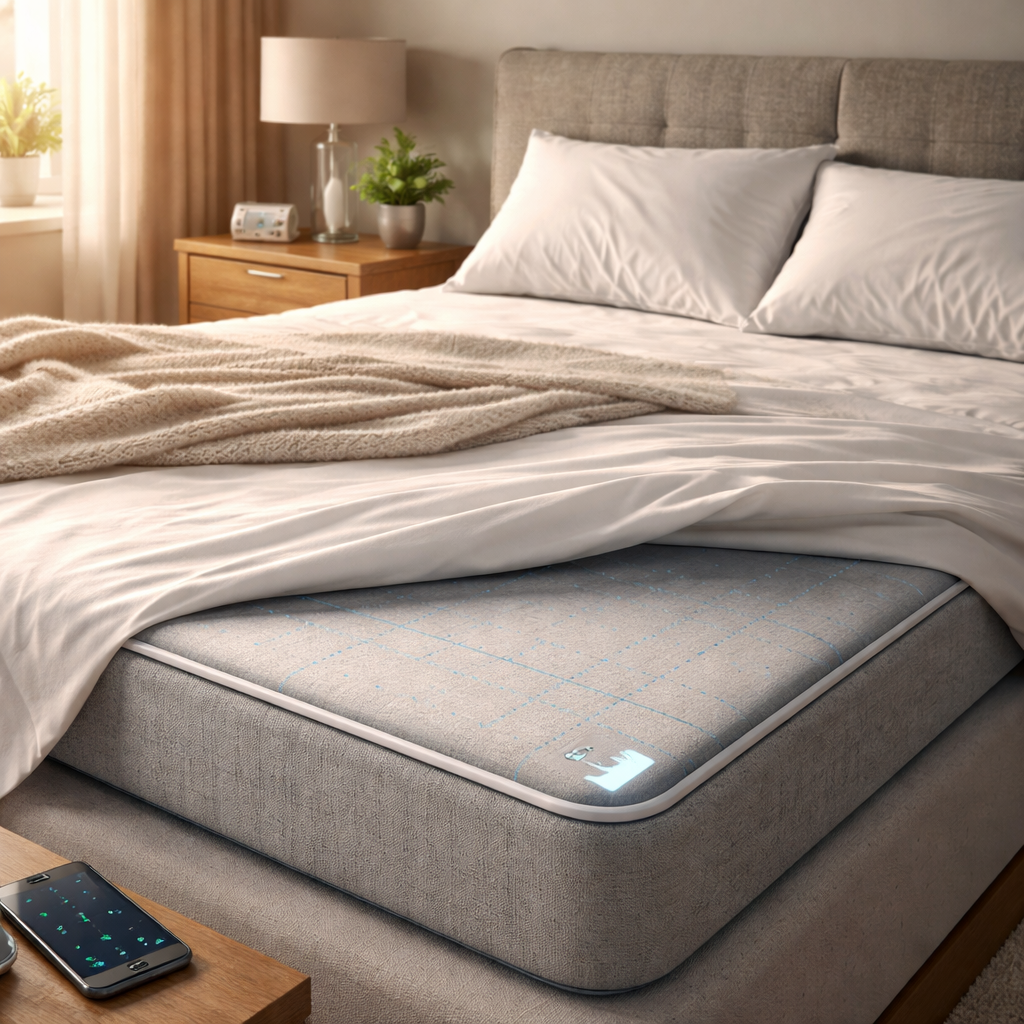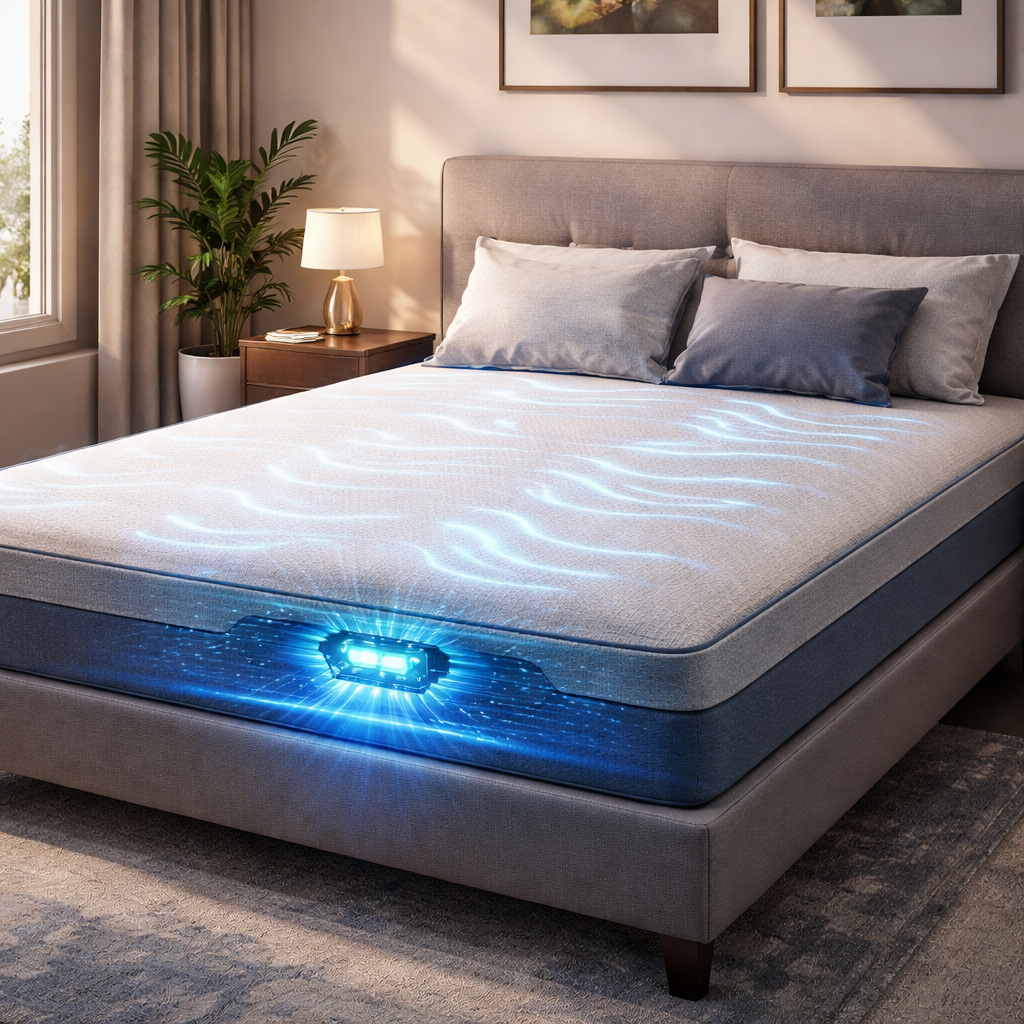
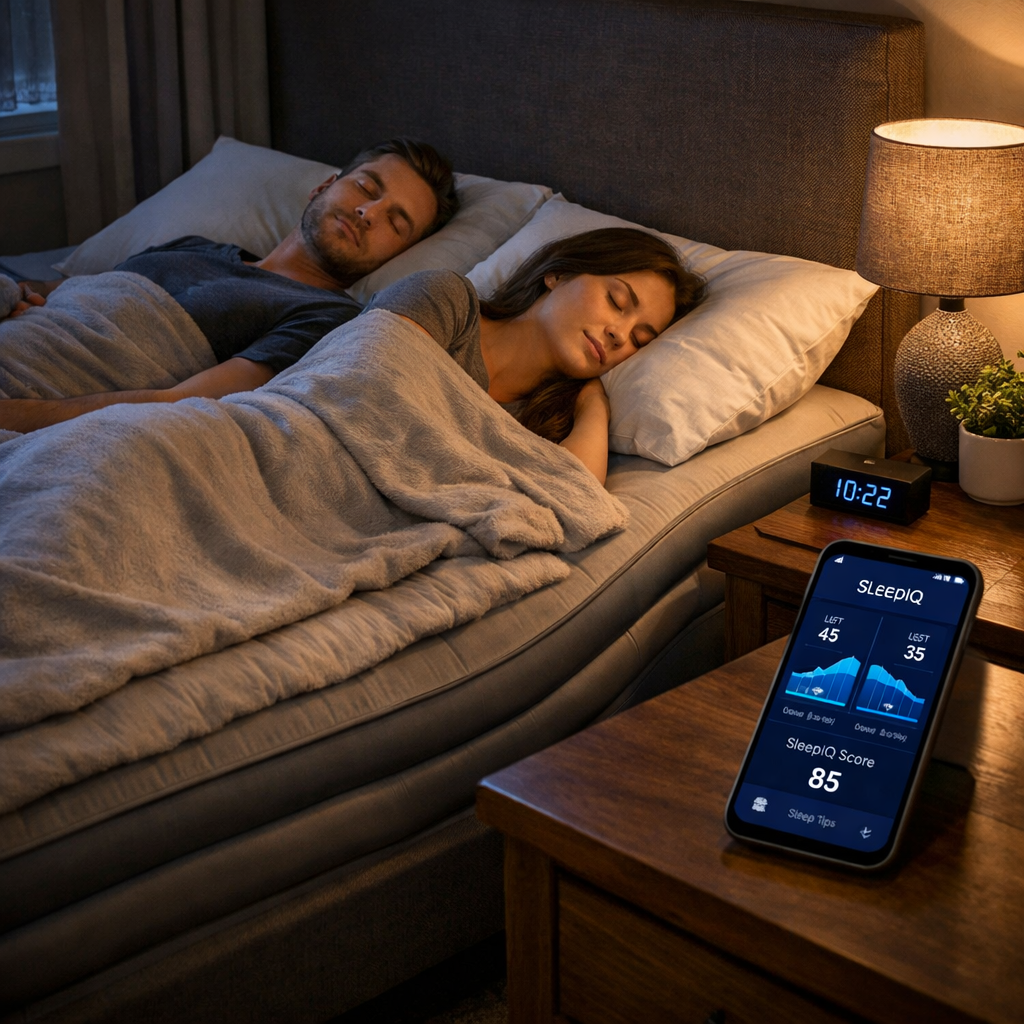
Finding a mattress that suits two different sleep styles feels impossible. You’ve tried compromise, you’ve tried a medium feel, and you’re still waking up sore. The good news? AI‑powered beds can give each partner their own perfect setting without the nightly tug‑of‑war.
In this guide we’ll walk through 15 AI mattresses that let couples sleep side by side, stay cool, and wake refreshed. You’ll get a quick look at how each model works, who it’s best for, and the pros and cons that matter most.
Ready to end the mattress drama? Let’s dive in.
1. Sleep Number 360 i8 , Best for Dual‑Zone Firmness
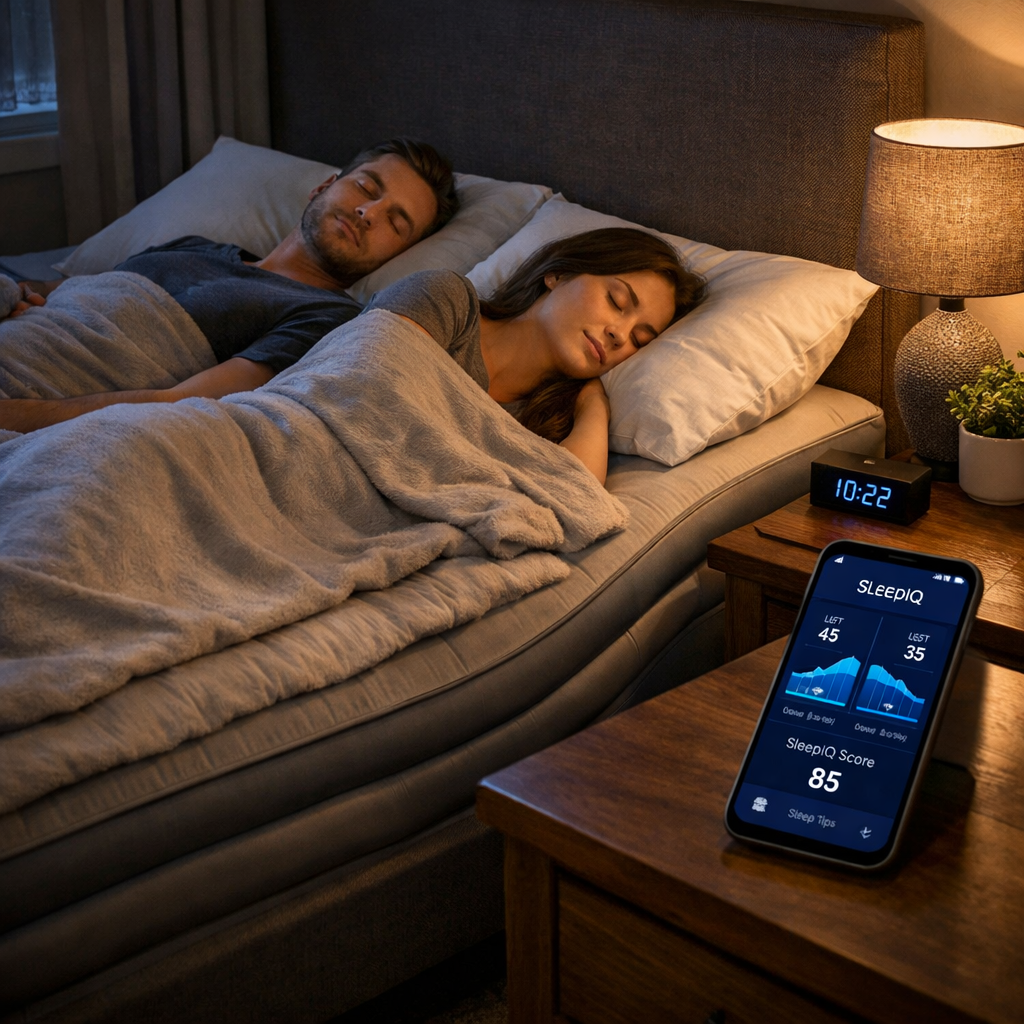
The Sleep Number 360 i8 is built around two air chambers that you can set to different firmness levels. That means you can be firm while your partner stays soft, all from a single remote or the SleepIQ app.
What makes the i8 stand out is its 12‑inch profile that blends a 6‑inch foam comfort layer with a temperature‑balancing top. The foam pulls heat away, so the surface stays cool even if one side runs hot.
SleepIQ tracks breathing, heart rate, and movement, then gives you a nightly score. You can see trends over weeks and tweak your settings without leaving the bed.
The base is sold separately , Sleep Number recommends the FlexFit Adjustable Base for head‑and‑foot tilt. If you already have a sturdy platform, the mattress works fine on its own.
Pros:
- Independent side‑by‑side firmness control.
- Temperature‑balancing foam layer.
- Detailed sleep analytics via the app.
Cons:
- Base is an extra cost.
- Pump can emit a low hum that some light sleepers notice.
According to Sleepopolis, the i8’s responsive air tech reacts to body pressure in real time, delivering a personalized feel each night.
Bottom line:If you need true dual‑zone firmness with smart tracking, the Sleep Number 360 i8 is a solid choice.
2. Eight Sleep Pod 4 , Best for Temperature Regulation
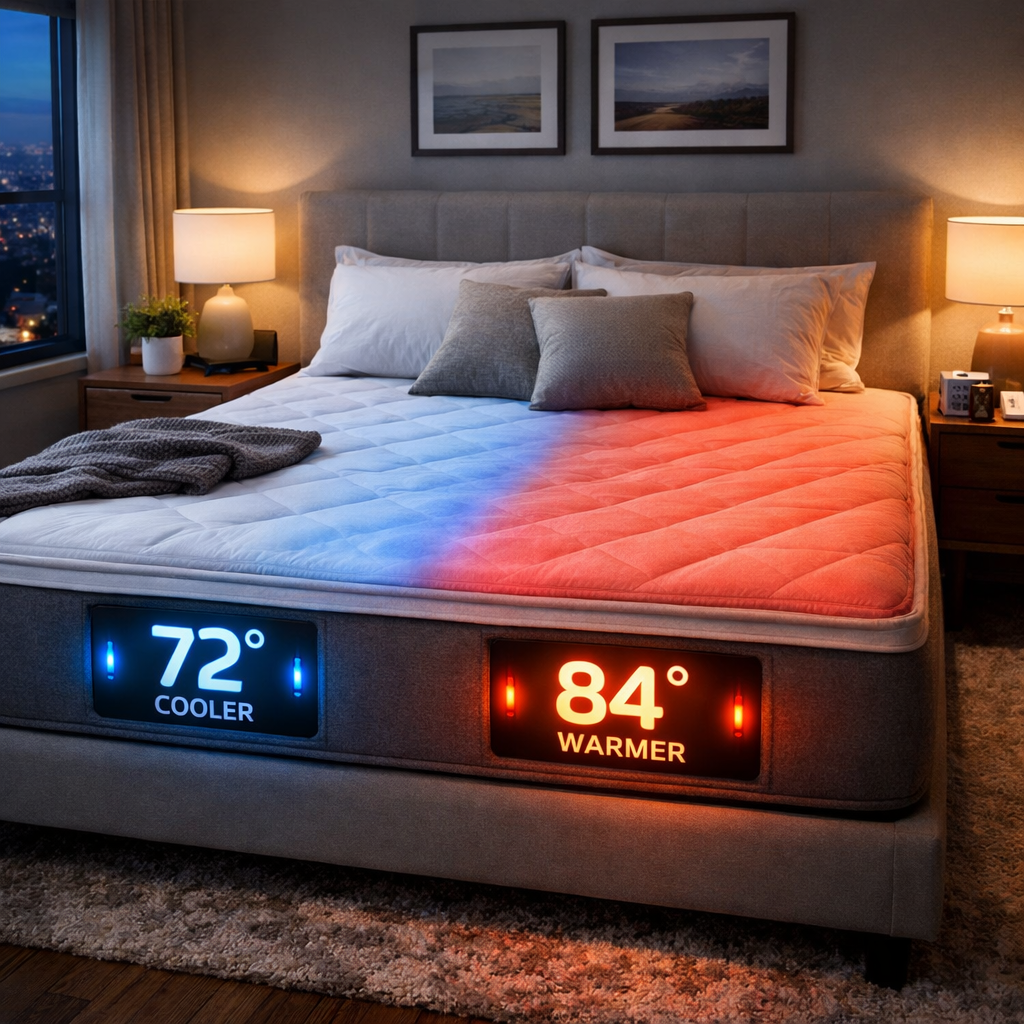
The Eight Sleep Pod 4 uses water‑based heating and cooling tubes built into the mattress core. Each side can be set to a different temperature, from cool to warm, via the Eight app.
Its 13‑inch hybrid construction combines a supportive coil core with a thin foam comfort layer that lets heat move quickly away from the body.
Beyond temperature, the Pod 4 tracks sleep stages, heart rate, and respiration. The data syncs with Apple Health, Fitbit and other platforms, giving you a full view of your night.
Eight offers a subscription for advanced insights, but the basic temperature and tracking features work out of the box.
Pros:
- Easy to use, Affordable, Lightweight, and reliable performance.
Cons:
- Subscription for full analytics can add cost.
- Water system adds a bit of weight.
Independent side‑by‑side adjustment is now common across price tiers, and the Pod 4 proves you don’t need a $6,000 bed for this feature.
Bottom line:For couples who fight over being too hot or too cold, the Eight Sleep Pod 4 delivers precise, independent climate control.
3. Bryte Balance , Best for AI Sleep Coaching
Bryte Balance brings real‑time pressure sensing to the bedroom. Sixteen pneumatic balancers across each side read your body’s pressure points and automatically adjust firmness in seconds.
The AI engine learns your movement patterns, then nudges the mattress to keep you aligned throughout the night. It also offers a “sleep concierge” that suggests changes based on your sleep score.
Unlike many smart beds that only change firmness once per night, Bryte’s active pressure relief works continuously, which is why it’s the only brand in our study with a “Strong” motion‑isolation rating.
It pairs with Bryte’s app, which shows heart rate, respiratory rate, and sleep stages. You can also enable a massage mode that gently flexes the coils to ease tension.
Pros:
- Continuous real‑time firmness adjustment.
- Strong motion isolation for light sleepers.
- AI‑driven sleep coaching tips.
Cons:
- Higher price point.
- Subscription needed for full coaching features.
As Wired notes, Bryte’s adaptive core and AI make it feel like the mattress is reading your body every second.
Bottom line:If you want a mattress that not only adapts but also teaches you how to sleep better, Bryte Balance is the leader.
4. ReST Bed , Best for Adjustable Air Zones
The ReST Bed blends air chambers with a memory‑foam comfort layer. You can program up to five body zones per side , head, shoulders, lumbar, hips, and legs , using the ReST app.
When you change positions, the bed senses pressure shifts and instantly tweaks the air pressure in each zone. This makes it ideal for athletes or anyone recovering from injury.
Edge support comes from a high‑density polyfoam border that keeps the surface stable even at soft settings. The cover is breathable and machine‑washable.
Pros:
- Excellent support with a high‑density foam core
- Promotes better spinal alignment
- Breathable, hypoallergenic cover that stays cool
- Sturdy, easy‑to‑assemble frame fitting most standard mattresses
Cons:
- App can feel a bit technical for casual users.
- Higher upfront cost.
Sleepopolis highlights the ReST’s ability to lock in a custom profile for each sleep position, then recall it instantly when you roll over.
Bottom line:For couples who need precise zone control , like a runner and a back‑pain sufferer , the ReST Bed delivers.
5. Emma Motion , Best Budget AI Mattress
Emma Motion offers a hybrid of polyfoam, memory foam, and pocketed coils at a price that undercuts many smart beds. The “smart” part is a single‑zone firmness setting you adjust via a simple app.
While it doesn’t have dual‑zone air chambers, its foam blend stays cool and the coil core provides decent bounce. The cover is removable and the mattress ships compressed in a box.
Pros:
- Affordably priced.
- Good cooling performance.
- Easy setup , no pump needed.
Cons:
- Only one firmness setting for the whole surface.
- Higher motion transfer compared to dual‑zone models.
According to NapLab, the Emma Performance (the model behind Emma Motion) scores low on bounce but excels at temperature regulation, making it a solid budget pick.
Bottom line:If you need a smart‑adjustable feel without breaking the bank, Emma Motion is the go‑to entry level.
6. Tempur‑Pedic TEMPUR‑Ergo , Best for Pressure Relief
The TEMPUR‑Ergo blends Tempur‑ActiveBreeze climate control with a dual‑zone air‑distribution layer. Each side can be set to cool, warm, or neutral, and the system circulates air quietly from the base.
Tempur‑material adapts to body shape, providing deep pressure relief that’s especially helpful for side sleepers and those with chronic pain.
The mattress includes a removable SmartCover that wicks heat, and the integrated Sleeptracker‑AI app logs heart rate and sleep stages.
Pros:
- Strong pressure relief across all sleeping positions.
- Dual‑zone climate control.
- Quiet fans that keep the surface at a steady temperature.
Cons:
- Premium price point.
- Heavier than foam‑only models.
Tempur‑Pedic’s official site confirms the ActiveBreeze system can shift temperature up to 30° C, giving each partner full control (Tempur‑Pedic).
Bottom line:Choose the TEMPUR‑Ergo if you value luxury pressure relief and want side‑by‑side temperature settings.
7. Amerisleep AS3 Smart , Best for Eco‑Friendly Materials
Amerisleep’s AS3 Smart uses Bio‑Pur™ plant‑based foam that’s more breathable than traditional memory foam. The cover, called Refresh, pulls heat away and stays about 7 °F cooler over an eight‑hour night.
The mattress pairs with a simple app that lets each side set a firmness level from 3 to 8. It doesn’t have a full‑blown AI engine, but the app logs sleep duration and gives basic trends.
Pros:
- Comfortable mattress
- Sturdy frame
- Adjustable headboard
- Easy assembly
- Affordable price
Cons:
- No advanced AI coaching.
- Limited motion isolation compared to dual‑zone air models.
Amerisleep’s website notes that the Bio‑Pur material reduces off‑gassing and improves airflow (Amerisleep).
Bottom line:If sustainability matters as much as comfort, the AS3 Smart is a green choice for couples.
8. Purple Plus Smart , Best for Temperature Neutrality
Purple’s Plus Smart layers a 2‑inch GelFlex Grid with three foam layers. The Grid stays cool because it’s made of hyper‑elastic polymer that doesn’t trap heat.
The mattress doesn’t have separate climate zones, but the open‑cell foam and breathable cover keep the surface neutral across a wide range of room temps.
Pros:
- Excellent motion isolation for side sleepers.
- Cool, responsive GelFlex Grid.
- Medium feel works for most positions.
Cons:
- No independent temperature control.
- Price higher than basic hybrids.
Purple’s own data shows the cover reduces surface temperature by up to 3 °F compared with standard foam (Purple).
Bottom line:For couples who want a temperature‑neutral mattress with strong motion isolation, Purple Plus is a solid pick.
9. Casper Wave Hybrid Smart , Best for Responsive Support
Casper’s Wave Hybrid mixes pocketed coils, latex, and gel‑infused foam. The smart element is a single‑zone firmness dial you adjust via the Casper app.
While it lacks dual‑zone control, the hybrid design offers a responsive bounce that makes it easy to shift positions , a plus for active sleepers.
Pros:
- Fast response time and good bounce.
- Decent edge support.
- Pressure relief for back and side sleepers.
Cons:
- Higher motion transfer than pure‑foam models.
- No side‑specific temperature settings.
NapLab’s testing shows the Wave Hybrid scores well on pressure relief but trails on cooling ( NapLab).
Bottom line:If you value a lively, supportive feel over granular AI controls, the Casper Wave Hybrid fits the bill.
10. Saatva Solaire Smart , Best for Adjustable Comfort Layers
Saatva’s Solaire is an air‑based mattress with five firmness settings per side, plus a plush Euro‑top that combines Talalay latex and gel‑infused memory foam.
The remote lets you fine‑tune firmness in 1‑point increments, so you can dial each side from soft to firm without getting up.
Pros:
- Wide firmness range (soft to firm) for each side.
- Latex‑gel top stays cool.
- 10‑night trial and 15‑year warranty.
Cons:
- Higher price than most hybrids.
- Air pump can produce a faint hiss.
Sleep Foundation’s review notes the Solaire’s adjustable air chambers give couples the freedom to set individual comfort levels (Sleep Foundation).
Bottom line:If you want a luxurious feel with precise firmness control, the Solaire is worth the investment.
11. Nectar Premier Smart , Best Value with Lifetime Warranty
Nectar’s Premier Smart is a 13‑inch memory‑foam mattress that offers a single, medium‑firm setting you can tweak via the Nectar app. The app also provides sleep‑score insights.
While it lacks dual‑zone air, the foam’s cooling cover and gel infusion keep heat down, and the mattress ships with a 365‑night trial and a lifetime warranty.
Pros:
- Low price point.
- Excellent cooling for a foam bed.
- Lifetime warranty and 365‑night trial.
Cons:
- Higher motion transfer than air‑based models.
- No independent firmness control.
NapLab reports the Nectar Premier’s temperature stays 1 °F cooler than the average foam mattress, making it a good budget cool‑sleep option.
Bottom line:For couples on a budget who still want smart tracking, Nectar Premier offers great value.
12. Helix Plus Smart , Best for Plus‑Size Couples
Helix Plus is engineered for sleepers up to 1,000 lb total weight. It uses reinforced coils and a high‑density foam pillow‑top that distributes pressure evenly.
The smart app lets you set a single firmness level for the whole surface, which works well for heavier couples who share a similar preference.
Pros:
- Supports higher weight capacities.
- Strong edge support.
- Comfortable pillow‑top for pressure relief.
Cons:
- Only one firmness setting for both sides.
- Limited compatibility with adjustable bases.
AARP’s testing of heavy‑weight mattresses highlighted Helix Plus as a top performer for spine alignment and pressure relief (AARP).
Bottom line:If weight capacity is a deal‑breaker, Helix Plus is the go‑to smart mattress.
13. GhostBed 3D Smart , Best for Motion Isolation
GhostBed’s 3D Matrix combines a gel‑polymer layer with memory foam and pocketed coils. The result is a mattress that isolates motion well while staying cool.
It offers a single medium firmness, but the gel‑polymer cover actively pulls heat away, keeping the surface neutral.
Pros:
- Excellent motion isolation for light sleepers.
- Cool gel‑polymer cover.
- Balanced bounce for easy movement.
Cons:
- No independent side control.
- Price sits above average hybrid.
NapLab’s testing shows the GhostBed 3D Matrix’s motion transfer is only 8 % above the average, thanks to the polymer layer.
Bottom line:If you’re sensitive to a partner’s movement, GhostBed 3D offers top‑tier isolation.
14. Leesa Sapira Hybrid Smart , Best for Balanced Feel
Leesa’s Sapira Hybrid mixes pocketed coils, memory foam, and a breathable polyester‑viscose cover. The mattress feels medium‑soft and works well for all sleep positions.
It doesn’t have dual‑zone air, but the coil layer provides good airflow, keeping the surface from overheating.
Pros:
- Balanced comfort for back, side, and combo sleepers.
- Strong edge support thanks to reinforced perimeter coils.
- 100‑night trial and 10‑year warranty.
Cons:
- Lacks side‑specific temperature control.
- Motion isolation is moderate.
CNET’s review notes the Sapira’s hybrid construction delivers a “soft‑yet‑supportive” feel that many couples appreciate ( CNET).
Bottom line:If you want a straightforward, well‑balanced hybrid, the Sapira is a reliable pick.
15. PlushBots AI Luxury , Best for Smart Home Integration
PlushBots brings voice‑controlled AI to the bedroom. You can ask Alexa or Google Assistant to raise or lower firmness, set temperature, or start a sleep‑tracking session.
The mattress uses a hidden air‑chamber system with 20 firmness levels per side, plus a built‑in climate control module that syncs with your smart‑home thermostat.
Pros:
- Full voice control via major assistants.
- Dual‑zone firmness and temperature.
- Premium materials and 10‑year warranty.
Cons:
- Premium price.
- Requires stable Wi‑Fi for full features.
Bottom line:For tech‑savvy couples who want their mattress to talk to their smart home, PlushBots leads the pack.
Comparison Table: AI Mattresses for Couples at a Glance
Ready to stop the nightly mattress debates? Top 5 Smart Beds for Couples in 2026 shows how SmartBeds.net can help you pick, test, and enjoy the perfect AI mattress.
FAQ
What makes an AI mattress different from a regular mattress?
An AI mattress embeds sensors that monitor breathing, heart rate, movement, and sometimes temperature. The data feeds an algorithm that can suggest firmness tweaks, track sleep stages, and even coach you to better habits. Unlike a static foam or spring mattress, an AI model can adapt over the night or give you actionable insights for future improvements.
Can I set different firmness levels for each side of the bed?
Yes. Most of the top 15 models we listed, including Sleep Number, Eight Sleep, and Bryte, offer independent side‑by‑side adjustments. This lets one partner keep a firm feel while the other enjoys a softer surface, all without a split‑king setup.
How does temperature regulation work in these smart beds?
Temperature regulation uses either water‑based heating/cooling tubes (Eight Sleep) or built‑in fans that move air through a breathable core (Tempur‑ActiveBreeze). Some mattresses rely on cooling foams and covers that pull heat away. The goal is to keep the surface within a comfortable range for both sleepers.
Do I need a special base or frame for an AI mattress?
Most AI mattresses work on a solid platform or a compatible adjustable base. Some, like the ReST and Bryte, recommend using their own smart bases to unlock the full feature set. Always check the manufacturer’s compatibility guide before pairing with a new frame.
Are there subscription fees for the smart features?
Several brands, such as Eight Sleep and Bryte, offer premium analytics or coaching via a monthly subscription. The basic firmness and temperature controls usually work without a fee, but advanced insights may require a paid plan.
What warranty and trial periods should I look for?
Most reputable AI mattresses include a 100‑night trial and warranties ranging from 10 to 20 years. Brands like Nectar give a lifetime warranty, while Sleep Number and Saatva offer 15‑year coverage. A long trial lets you test side‑by‑side adjustments in real life.
How do I know which mattress is best for my weight?
Weight influences how much a mattress compresses. Heavier couples benefit from reinforced coils or higher‑density foams. Helix Plus, for example, supports up to 1,000 lb total weight, while lighter couples may prefer softer foam hybrids.
Can I integrate the mattress with my existing smart home?
Yes. Models like PlushBots and Eight Sleep sync with Alexa, Google Assistant, or Apple HomeKit, letting you control settings via voice or routines. This can automate bedtime temperature changes and firmness adjustments.
Conclusion
Choosing the best AI mattress for couples in 2026 doesn’t have to feel like a gamble. The market now offers independent side‑by‑side control across low, mid, and premium price points, meaning you can find a smart bed that fits your budget and comfort needs.
We’ve highlighted 15 options, each with its own strengths , from the dual‑zone precision of Sleep Number to the eco‑friendly Bio‑Pur of Amerisleep, and the voice‑enabled luxury of PlushBots. Use the comparison table to narrow your list, then take advantage of the generous trial periods most brands provide.
If you’re ready to upgrade your shared sleep experience, start with SmartBeds.net. Our expert team will walk you through the features, match you with the top pick for your needs, and help you secure the best deal.
Sleep better together. Start your free trial today.
- Eco‑friendly, non‑petroleum foam.
- Cool‑to‑the‑touch cover.
- 20‑year warranty.
- Five independent zones per side.
- Quiet pump that doesn’t disturb sleep.
- Strong edge support.
- Precise side‑by‑side temperature control.
- Integrates with major health apps.
- Quiet, whisper‑level pump.