Sleep can feel like a mystery. You toss, you turn, you still wake up sore. The good news? The right mattress can change that. In this list we compare the top smart beds with classic mattresses, look at tracking, firmness, cost and durability, and help you pick the option that fits your life.
By the end you’ll know why a smart mattress may be worth the extra spend, or why a regular bed still beats high‑tech hype for many sleepers. Let’s dive in.
1. Smart Mattress (Our Top Recommendation) , Health Tracking and Custom Comfort
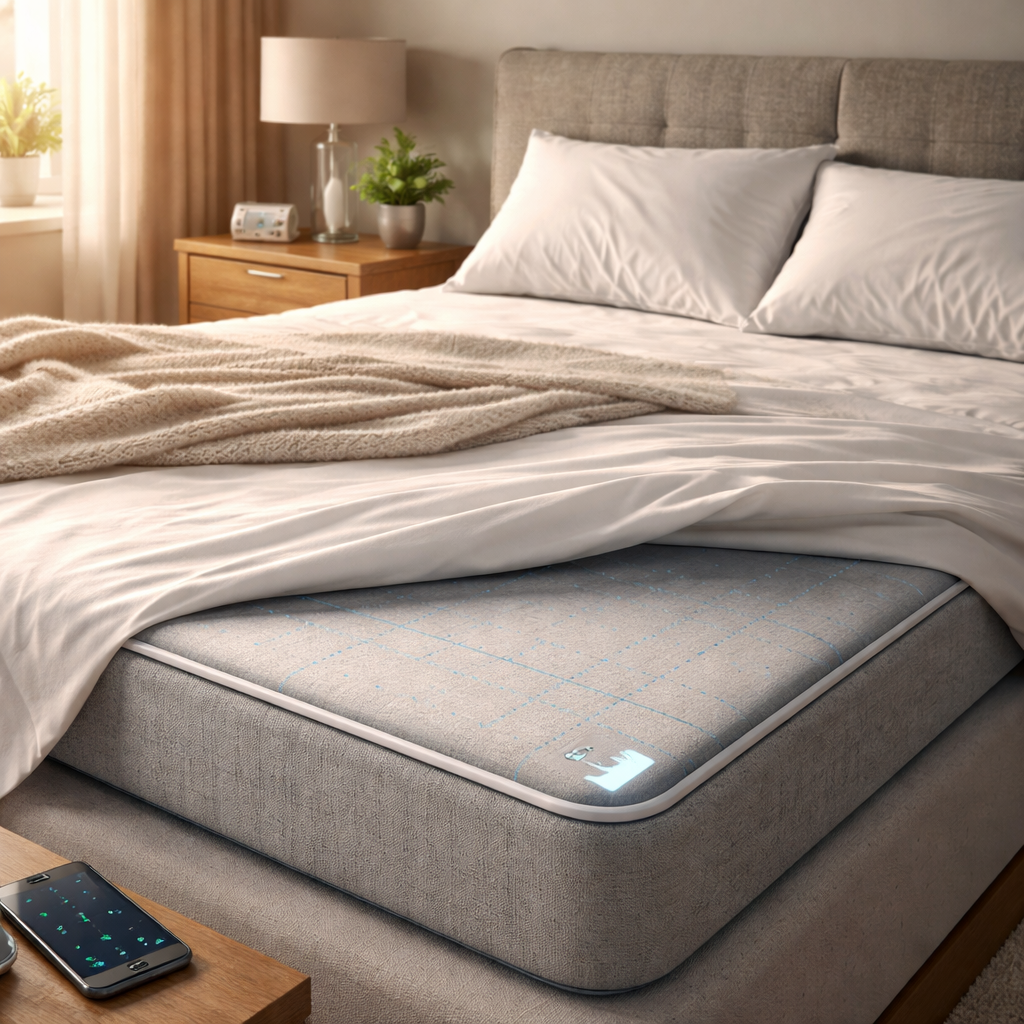
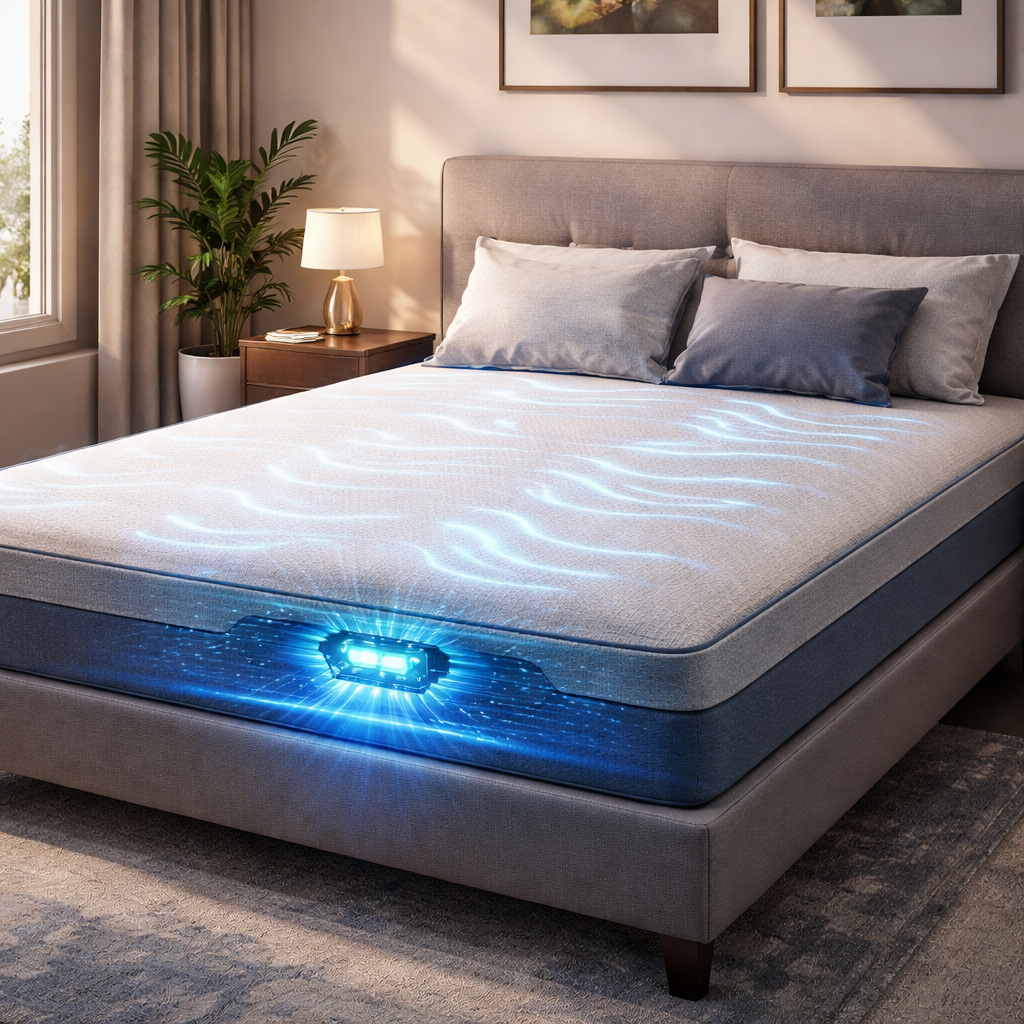
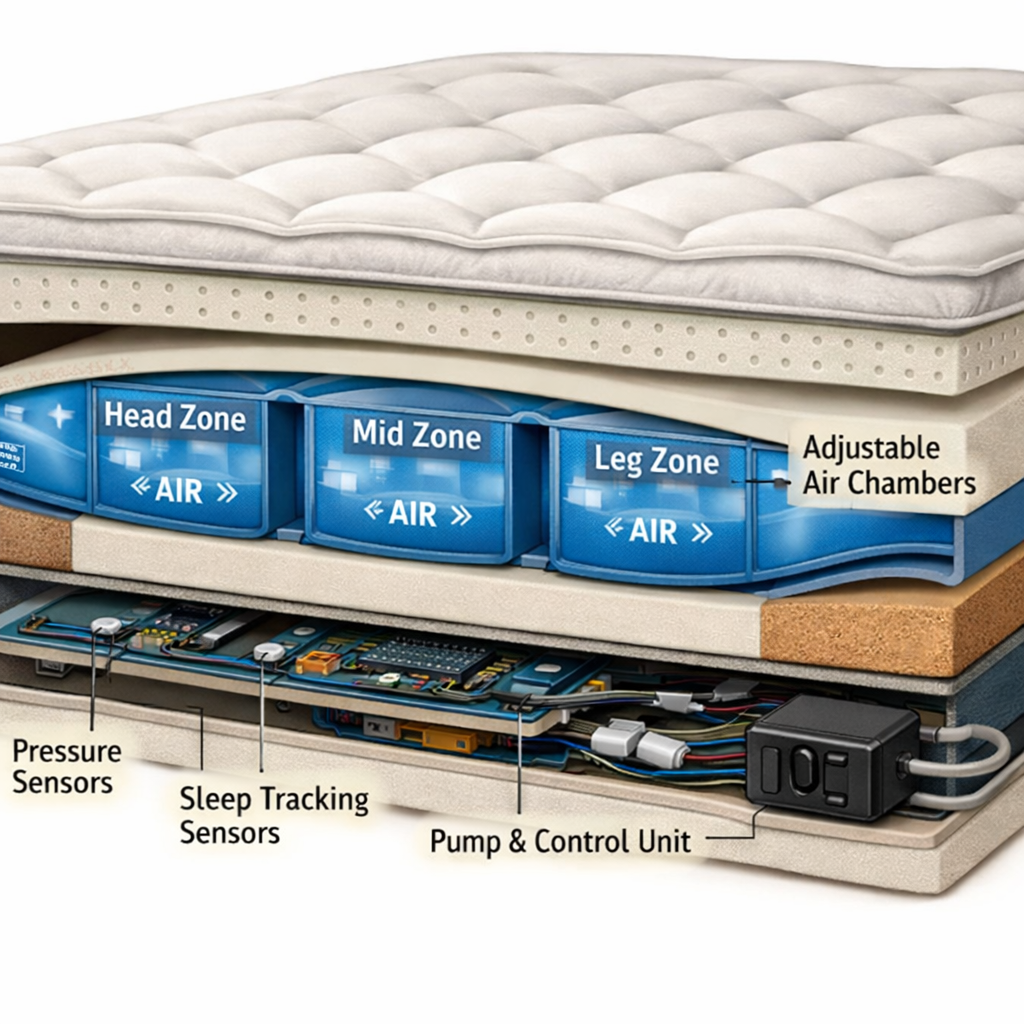
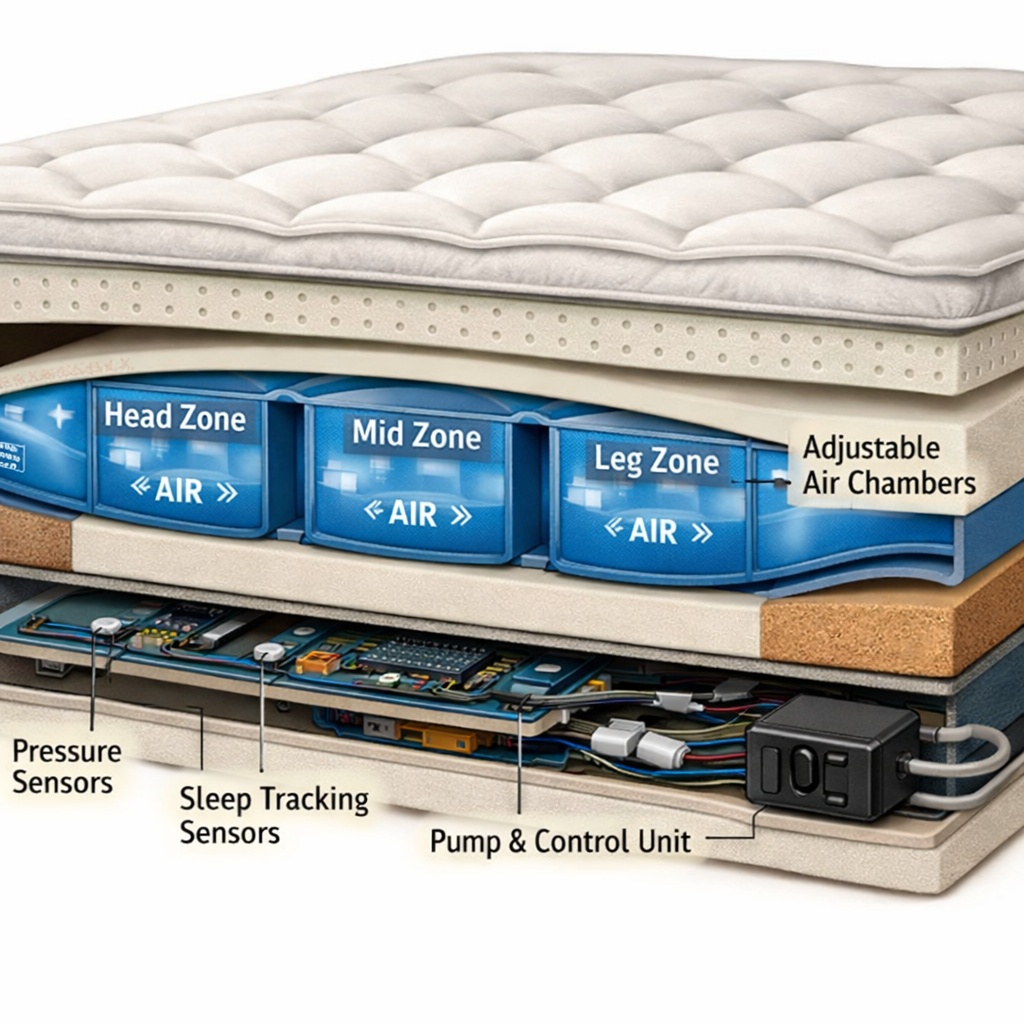
Our #1 pick is the Saatva Solaire air‑bed. It blends a latex‑foam comfort layer with 50 zones of air chambers that you can set from soft to firm for each side of the bed. The tech inside watches your heart rate, breathing and sleep stages, then shares the data in a simple app.
What makes the Solaire stand out is its easy set‑up. You open the box, let the mattress unfold, plug the control unit and you’re ready. No heavy lifting, no tools. The company even offers a 365‑night trial so you can feel the benefit before you commit.
The health tracking is built on sensors that sit under the top layer. They capture movement, heart rate and even HRV, giving you a nightly “SleepIQ” score. You can see trends over weeks, get tips on bedtime habits and even set a gentle alarm that wakes you with a light vibration.
Because the mattress is air‑based, you can adjust firmness on the fly. One night you may want a soft feel for sore hips; the next you might need firmer support for back pain. The remote and phone app let you change settings in seconds.
Built‑in cooling tubes keep the surface at a comfortable temperature, which helps hot sleepers stay cool. The system can warm each side if you tend to feel cold.
When you buy through our Top 7 Smart Mattress Picks for Better Sleep in 2026, you also get free white‑glove delivery and set‑up.
Bottom line:If you want a mattress that tracks health, adjusts comfort and cools you, the Saatva Solaire is the clear leader.
2. Regular Mattress , Traditional Comfort and Lower Cost
A classic innerspring or hybrid mattress still gives great sleep for many people. These beds rely on steel coils for support and foam or latex layers for comfort. They have no electronics, so you never worry about a dead battery or Wi‑Fi outage.
One of the best regular options is the WinkBed hybrid. It pairs pocketed coils with a gel‑infused foam layer that helps move heat away from the body. The coil core gives strong edge support, so you can sit on the side without feeling you’ll roll off.
Because there are no sensors, the mattress never needs updates or subscriptions. You pay for the core comfort and durability, and that cost is often under $1,500 for a queen size.
Hybrid models like the WinkBed also tend to have good motion isolation. If your partner moves a lot, you’ll feel less of it. The foam top also reduces pressure on hips and shoulders, which is helpful for side sleepers.
Regular mattresses do have a downside: they can’t change firmness after you buy. If you share the bed with a partner who likes a different feel, you’ll need two separate mattresses or a very thick pillow‑top to compromise.
When it comes to cooling, the coil design lets air flow through the mattress, keeping the surface cooler than all‑foam beds. However, the foam layer can still trap some heat, especially in warm rooms.
“A well‑made innerspring can last ten years and still feel supportive.”
For people who want a simple, reliable sleep surface without the risk of tech glitches, a regular hybrid is a solid choice.
Bottom line:If you value simplicity and cost over tech features, a quality hybrid like WinkBed is a great fit.
3. Sleep Tracking Capabilities , Why Smart Beds Win
Tracking sleep without a wearable is a big reason many people choose a smart mattress. Sensors built into the mattress surface capture heart rate, breathing, movement and even REM cycles. The data is sent to an app where you can see nightly graphs.
Research shows that 76% of smart mattresses on the market today include some form of sleep tracking. That means most models give you a basic view of how long you slept and how restless you were.
One advantage of mattress‑based tracking over a wrist band is accuracy. The sensor sits under your body, so it picks up subtle motions that a wrist band may miss. It also avoids the irritation of wearing something all night.
When the data shows you spend little time in deep sleep, many apps suggest changes: lower bedroom temperature, avoid caffeine after noon, or adjust firmness. Some smart beds even auto‑adjust temperature based on the stage you’re in, cooling you when you enter REM.
For those who worry about privacy, most reputable brands let you export your data and delete the account at any time. The CDC notes that good sleep hygiene, including monitoring sleep patterns, is linked to better overall health ( CDC Sleep Overview).
While a regular mattress can be paired with a separate under‑bed sensor, the integration in a smart mattress removes the need for extra hardware and makes set‑up easier.
Bottom line:Built‑in tracking gives you richer data and the chance for automatic adjustments that a regular mattress can’t provide.
4. Adjustable Firmness , Personalization You Can’t Get from a Regular Mattress
Adjustable firmness is the hallmark of many smart beds. Air chambers let you raise or lower the support level with a click. This means you can have a soft side for a light sleeper and a firmer side for a heavy sleeper.
The iSense Hybrid Premier uses 14 air chambers that sit between foam layers. You can pick from 45 settings, giving you fine‑grain control over how the bed feels under each part of your body.
Because the firmness is changed by air pressure, the feel stays consistent over time. Traditional air beds can feel bouncy, but iSense’s design keeps the surface stable.
Adjustability also helps people with back pain. You can raise the lumbar zone a bit each night until the pain eases. The app remembers your favorite settings, so you never have to guess again.
For couples, separate control is a game‑changer. One partner can sleep soft, the other firm, without compromising the other’s comfort.
Many brands publish the technical specs on their own sites, which count as official vendor documentation. The iSense page explains the air‑chamber system in detail (iSense official site).
Bottom line:If you need different firmness levels for yourself or a partner, a smart mattress with air chambers is the clear winner.
5. Price and Value , Is the Smart Investment Worth It?
Smart mattresses start around $1,100 and can climb above $10,000 for luxury models with active climate control. Regular mattresses typically range from $400 to $2,000.
When you look at value, consider what you actually use. If you only need a comfortable surface, the cheaper regular option gives you that. If you want automatic temperature control, sleep coaching and adjustable firmness, the higher price may be justified.
Keep in mind that some smart beds need a subscription for full temperature control. That can add $10‑$20 per month, turning a $3,000 purchase into a $5,000‑plus total over five years.
On the other hand, a regular mattress may need a new topper after a few years to stay comfortable, which can cost $100‑$300.
Our research found that a higher price tag does not guarantee more automation. Some $10,000 models have only basic firmness control, while a $1,100 model may include full tracking and temperature regulation.
If you’re on a budget, a smart mattress under $2,000 can still give you tracking and basic firmness control. Look for brands that bundle the base and mattress together to save on shipping.
Bottom line:Smart beds can be worth it if you value tracking, auto‑adjust and cooling, but they cost more over time.
6. Durability and Maintenance , Which Mattress Lasts Longer?
Smart beds have more moving parts, so they can wear out faster than a simple foam mattress. The air chambers, sensors and pumps need occasional checks. Most brands give a 10‑year warranty on the mattress itself, but the electronic components may be covered for less.
Regular innerspring and hybrid mattresses often last 7‑10 years if you rotate them every three months and use a protector. Latex models can reach 15‑20 years because the rubber is very resilient.
To keep a smart mattress healthy, follow the manufacturer’s cleaning guide. Wipe the surface with a damp cloth, avoid harsh chemicals, and keep the base dry to protect the electronics.
One common maintenance tip is to check the air pressure monthly. If the firmness feels uneven, re‑inflate the chambers using the app.
Another advantage of a regular mattress is that you can replace the comfort layers with a topper if the surface gets too soft, extending its life without buying a new base.
When a smart mattress fails, you may need to replace the whole unit, which can be costly. Some brands offer a service plan that covers sensor replacement for a fee.
Overall, if you’re okay with occasional tech service, a smart mattress can last as long as a regular one. Just plan for the extra upkeep.
Bottom line:Both types can last a decade, but smart beds require more maintenance and may have shorter component warranties.
How to Choose Between a Smart Mattress and a Regular Mattress
Picking the right bed starts with your sleep goals. Do you want data, automatic comfort changes, and cooling? Or do you prefer a simple, low‑maintenance surface?
Ask yourself these questions:
- Do you share the bed with a partner who likes a different firmness?
- Do you often feel too hot or too cold at night?
- Is a subscription for extra features a deal‑breaker?
- What is your budget for the next five years?
If you answered yes to any of the first two, a smart mattress likely adds value. If cost and low‑tech reliability are top priorities, a regular hybrid or innerspring is safer.
Also consider the bedroom setup. A smart bed needs a power outlet and solid Wi‑Fi. If your room is far from a router, you might get drop‑outs that affect features.
Finally, think about the resale value. Regular mattresses can be donated or sold once they’re past their prime, while a smart bed with outdated electronics may lose value faster.
Bottom line:Match the mattress type to your comfort needs, tech appetite and long‑term budget.
Frequently Asked Questions
What is the biggest advantage of a smart mattress over a regular one?
The biggest advantage is built‑in sleep tracking that feeds data to an app, plus the ability to change firmness and temperature on the fly. This lets you fine‑tune comfort night after night, something a static regular mattress can’t do.
Do smart mattresses require a Wi‑Fi connection?
Yes, most smart beds need Wi‑Fi to sync data and receive firmware updates. Without a stable connection, features like auto‑temperature control and sleep analytics stop working, though the mattress will still provide basic support.
Can I use a smart mattress if I have a low budget?
There are entry‑level smart beds that start around $1,100. They usually include tracking and basic firmness adjustment, but may lack premium cooling or a full‑body massage. Weigh the cost of the tech against how much you’ll actually use.
How long do the sensors in a smart mattress last?
Manufacturers typically guarantee the sensors for 5‑7 years. After that, performance may degrade, and you might need a service plan or replacement. Regular maintenance, like keeping the mattress dry, can extend sensor life.
Is a regular mattress better for people with allergies?
Regular mattresses can be easier to keep allergen‑free because they have fewer electronic components that can trap dust. Using a hypoallergenic cover and washing bedding regularly helps both smart and regular beds.
Do smart mattresses improve sleep quality?
Studies show that people who use sleep‑tracking data to adjust their environment often see modest improvements in deep sleep and overall restfulness. The active temperature control in many smart beds also helps hot sleepers stay cool, which can boost sleep quality.
What maintenance does a smart mattress need?
Besides regular cleaning, you should check the air pressure monthly, keep the base free of dust, and ensure the Wi‑Fi connection stays strong. Some brands also recommend a firmware update every few months.
Can I add a smart mattress to an existing adjustable base?
Most smart mattresses work with standard adjustable bases, but you’ll lose some integrated features like auto‑raise on snore detection unless the base itself is part of the smart system. Check the manufacturer’s compatibility guide before buying.
Conclusion
Both smart and regular mattresses have clear strengths. Smart beds give you data, auto‑adjustable comfort and cooling, but they cost more and need tech upkeep. Regular mattresses deliver solid support at a lower price and with fewer moving parts.
If you love gadgets, want detailed sleep insights and have the budget for a subscription, the smart mattress is likely the better fit. If you prefer a straightforward, low‑maintenance sleep surface, a quality hybrid or innerspring will serve you well.
At SmartBeds.net, we’ve helped countless sleepers sort through the hype and find the bed that matches their lifestyle. Whatever you choose, make sure you test it, use a trial period and keep an eye on the total cost of ownership.
Sleep well, wake refreshed, and enjoy the nights ahead.