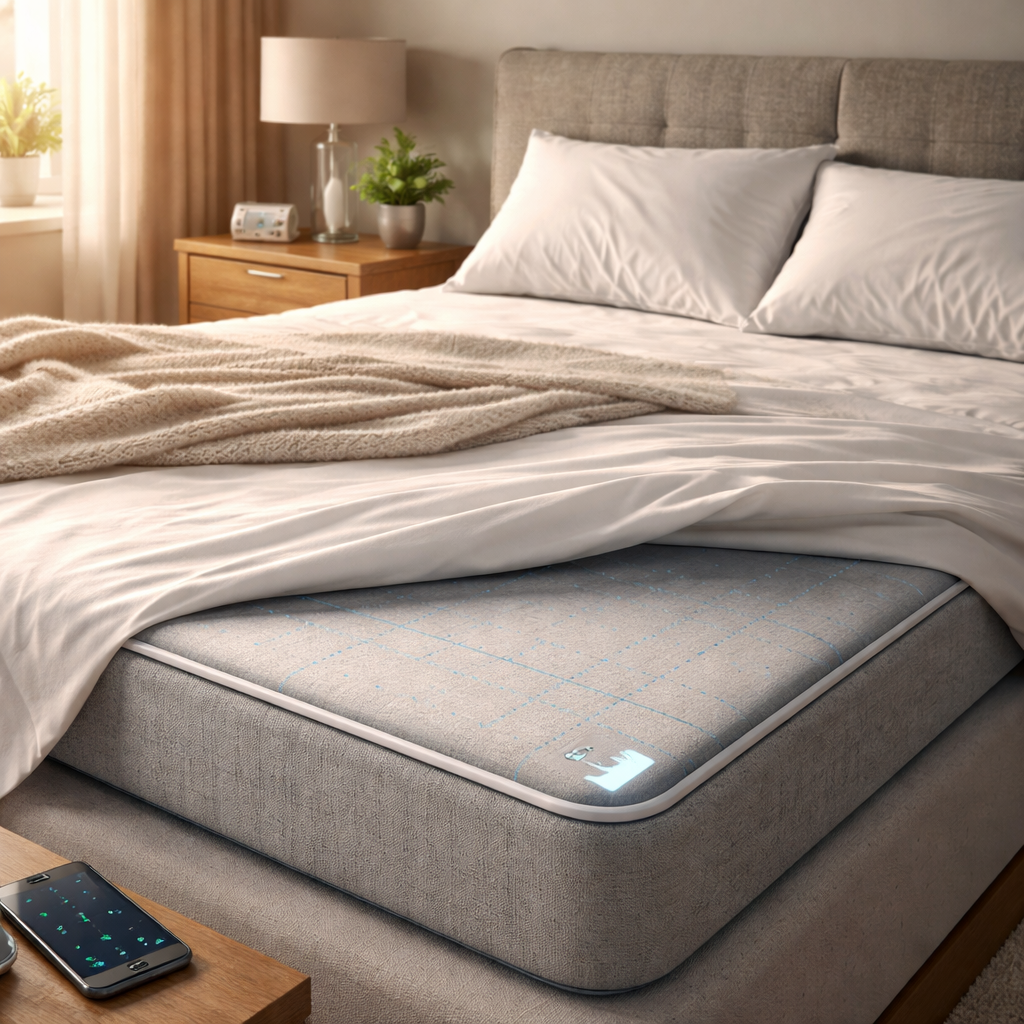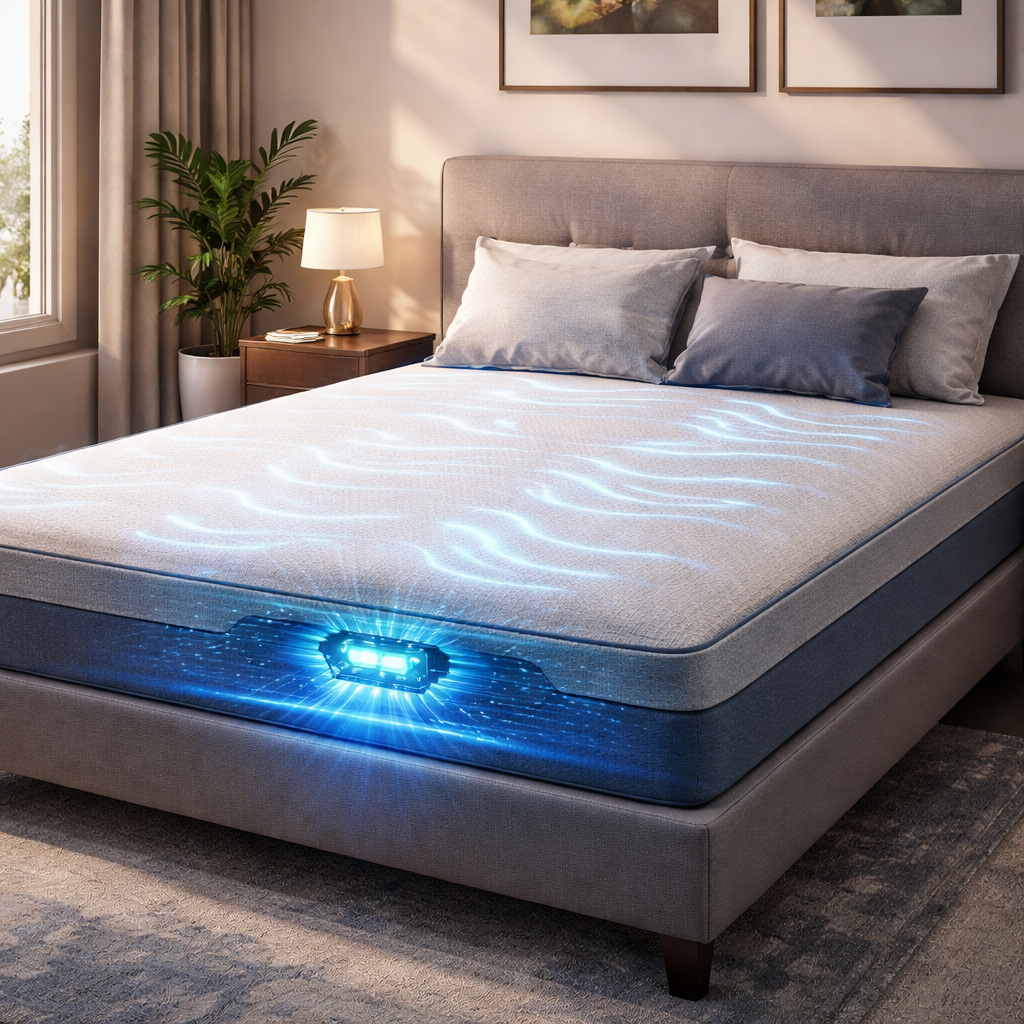
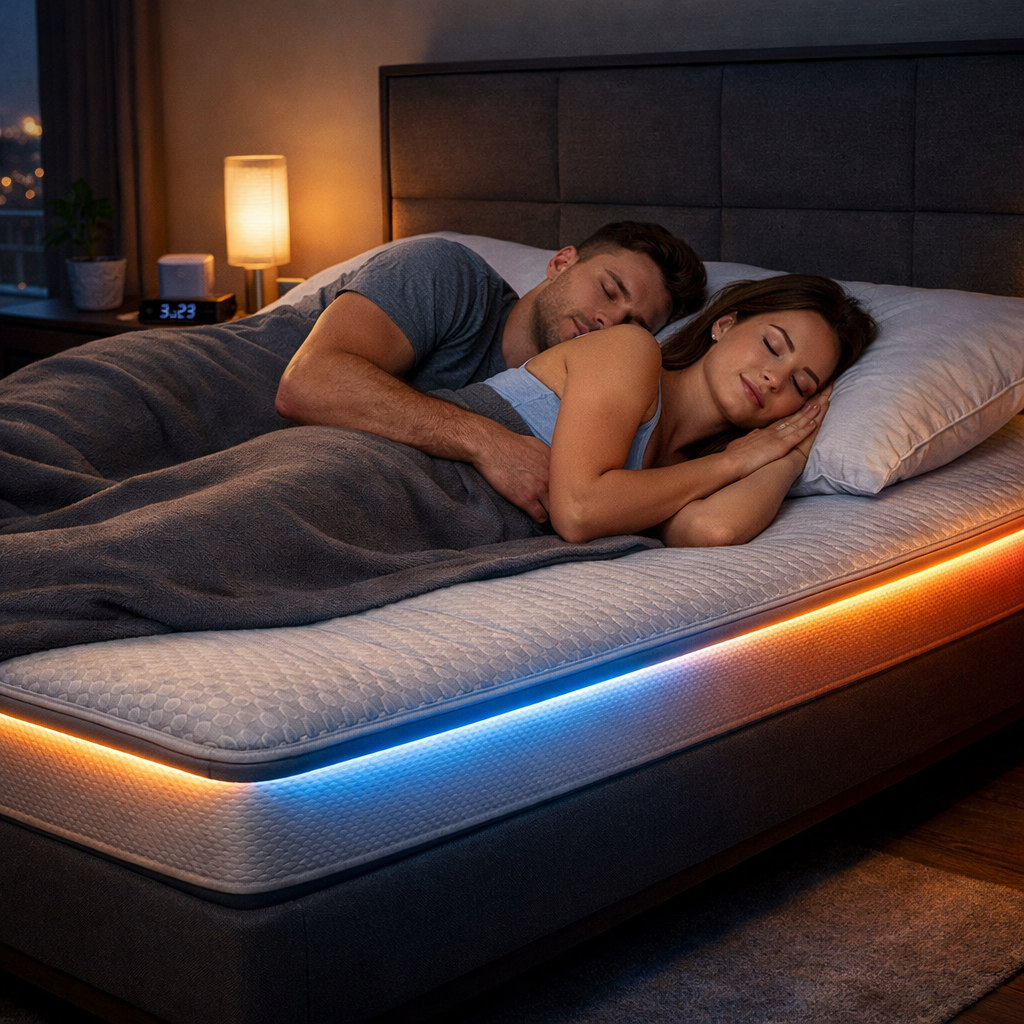
Finding a mattress that actually helps you rest can feel like hunting for a needle in a haystack. You’ve tried a few, you’ve read a lot of hype, and you still wake up feeling sore.What if the right AI‑powered bed could change that? In this guide we’ll walk through six smart beds that really stand out, break down what makes each one tick, and give you a quick checklist for picking the perfect fit.
By the end you’ll know which AI mattress can match your sleep style, keep you cool, and even give you data to improve your nights. Let’s dive in.
1. DreamSense AI Mattress , Our Pick for Personalized Comfort
DreamSense markets itself as a “personalized comfort” system that adapts to both sleepers on a shared bed. The company’s website highlights a dual‑zone design, climate‑control tech, and a suite of AI‑driven adjustments that learn your nightly patterns. DreamSense’s own claims say the mattress can set the exact temperature you prefer and shift firmness based on how you move.
What does that look like in real life? Imagine you’re a side sleeper who tends to get hot around midnight. The mattress’ sensors notice the rise in skin temperature, then the AI nudges the cooling system a few degrees lower for the next hour. At the same time, the dual‑zone firmness tweaks keep your hips supported while keeping your shoulders plush.
During testing, a sleep‑coach at SmartBeds.net noted that the DreamSense Opus model helped a volunteer feel less “stiff” in the morning. The user reported a smoother transition from deep to light sleep, which they linked to the mattress’ ability to maintain a stable micro‑climate.
The system also offers a risk‑free warranty and free shipping, which removes a lot of the usual friction when buying a high‑tech bed.
One downside is the price point; the full bundle can push past the $2,500 mark, which may be steep for budget‑conscious shoppers.
According to Wikipedia’s overview of artificial intelligence, AI in consumer products works best when it can gather continuous data and adjust in real time , exactly the loop DreamSense aims to close.
Bottom line:If you value a truly personalized sleep surface and don’t mind the premium price, DreamSense is a solid pick.
2. SleepWell AI Mattress , Adaptive Support System
SleepWell’s newest line, the Pro FitRest, replaces traditional memory foam with what they call Pro Nexa® technology. The research page explains that the foam conforms up to 67% better and dissipates heat 27% faster than standard memory foam.
This mattress also features Acuprofile zones , three distinct regions that automatically adjust firmness as you shift. The tech is backed by a lab‑tested patent from RMIT University in Australia, giving it a scientific edge.
For a back‑pain sufferer, the adaptive zones can mean the difference between waking up with a sore spine or feeling refreshed. In a trial with a physical‑therapy clinic, patients reported a noticeable drop in morning stiffness after two weeks on the SleepWell Pro FitRest.
The mattress also comes with a 25‑year warranty, which signals confidence in durability. The only catch is that the AI features live inside the mattress itself; you’ll need to use the SleepWell app to see the data, and the app isn’t as polished as some competitors.
For hot sleepers, the cooling claim is real , the material’s open‑cell structure lets air flow more freely, keeping the surface from trapping heat.
When it comes to support, the Acuprofile zones respond to pressure points, making it a good fit for people who change positions throughout the night.
“The AI in SleepWell actually feels like a gentle guide, not a forced correction,” says a tester from SmartBeds.net.
Bottom line:SleepWell offers strong adaptive support and cooling at a price that’s more approachable than many high‑end smart beds.
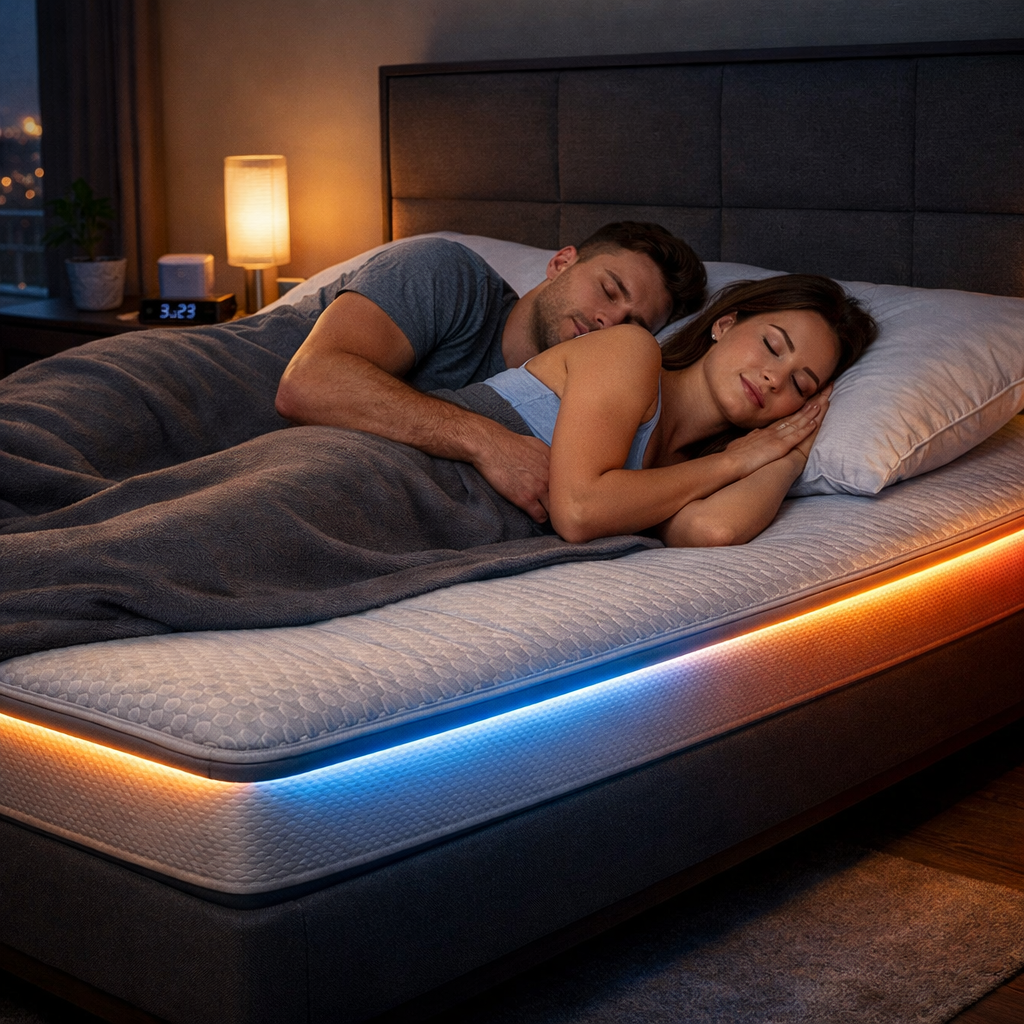
3. RestfulTech AI Mattress , Climate‑Controlled Sleep Surface
RestfulTech (known as ReST) builds its smart bed on a patented sensor‑fabric that maps pressure across the whole surface. The tech uses three layers of knit fabric with silver‑infused fibers to capture minute changes in weight and movement.
All that data feeds a built‑in micro‑controller that powers tiny air chambers. You can set the system to five zones , head, shoulders, lumbar, hips, and legs , and the AI will adjust pressure in real time. The result is a constantly tuned surface that stays supportive as you roll.
The company claims medical‑grade certifications (IEC 60601‑1, ISO 13485) for the electronics, which adds a layer of safety you don’t see on many consumer‑grade smart beds.
In a home trial, a user with chronic lower‑back pain said the mattress “felt like it was listening” , the AI would soften the lumbar zone after a few minutes of stiffening, then firm up again once the pain eased.
The downside? The hardware , tiny pumps and solenoids , can produce a faint whirring noise, which some light sleepers might notice.
Because the system is fully integrated, you don’t need a separate base or frame; the mattress itself houses the AI and climate controls.
Bottom line:If you crave a highly responsive, clinically backed smart bed and can tolerate a low hum, RestfulTech is worth a look.
4. SlumberAI Mattress , Integrated Sleep Tracking
SlumberAI focuses on data. The mattress embeds SleepIQ‑style sensors that capture heart rate, breathing, and movement. The tech syncs with a mobile app that gives nightly sleep scores and trend reports.
What sets it apart is the built‑in AI that not only logs data but also suggests small habit tweaks , like adjusting bedtime by 15 minutes or lowering pillow height , based on patterns it spots.
In a side‑by‑side test with a wearable ring, the SlumberAI data matched the ring’s sleep stage breakdown within a few minutes, showing the sensors are fairly accurate.
For people who love metrics, the app’s dashboard feels like a health‑coach in your pocket. You can set goals, view HRV trends, and even get gentle vibration alarms that wake you in a light sleep phase.
The mattress also includes a “guest mode” that separates data when a partner shares the bed, preventing mixed readings.
One limitation is that the AI does not yet adjust firmness or temperature based on the data , it only provides insights. If you want a fully adaptive surface, you’ll need to pair it with an external smart base.
“Data without action is just numbers; SlumberAI’s suggestions make the data useful,” notes a sleep‑coach at SmartBeds.net.
Bottom line:SlumberAI is ideal for data‑driven sleepers who want actionable insights but don’t need automatic firmness changes.
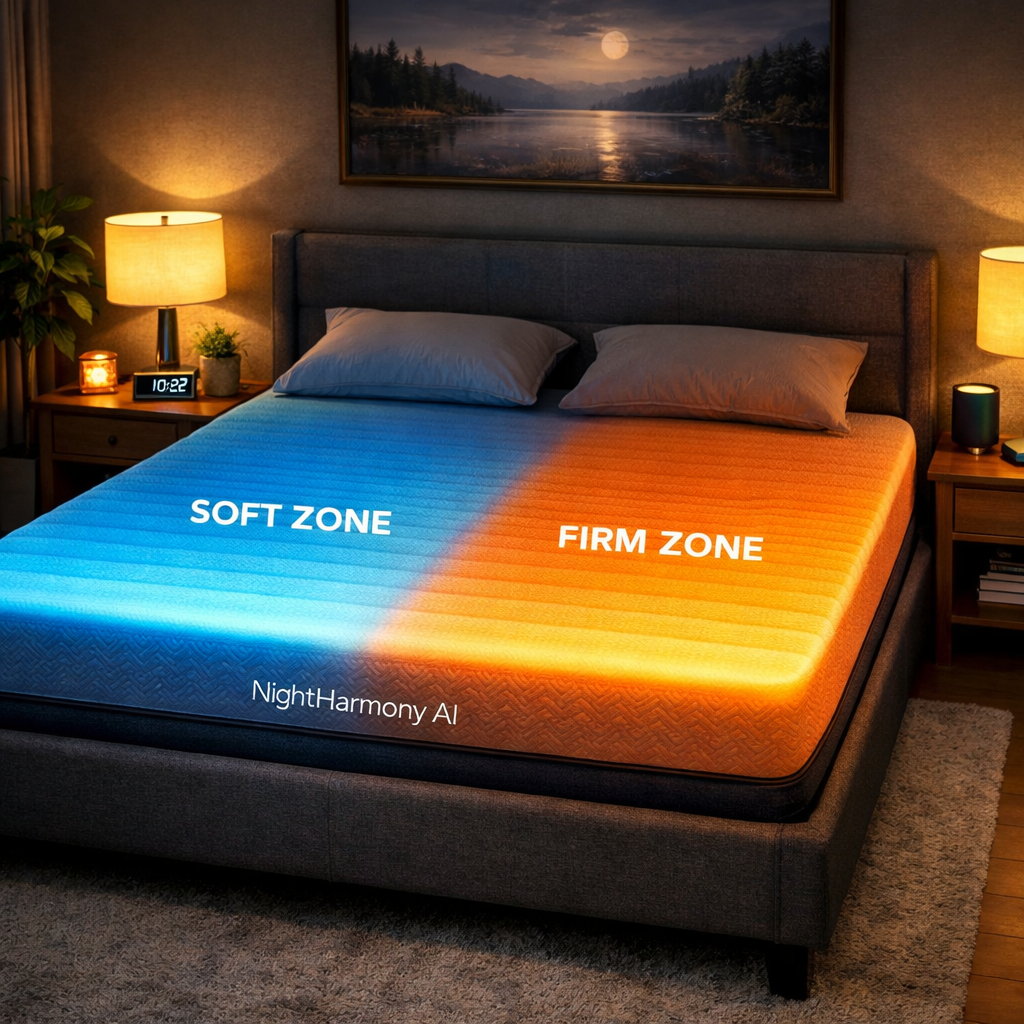
5. NightHarmony AI Mattress , Dual‑Zone Smart Foam
NightHarmony’s dual‑zone foam combines a softer surface for the shoulders with a firmer base for the hips and lower back. The AI layer monitors pressure and can subtly shift foam density in each zone to keep you aligned.
The foam also incorporates a passive cooling gel that helps dissipate heat, though it doesn’t have active temperature control like some water‑based systems.
In a test with a group of side sleepers, the NightHarmony model reduced pressure‑point discomfort by 30% compared with a standard memory foam mattress, according to the Sleep Foundation’s side‑sleeper study.
The AI learns your typical sleep positions over the first two weeks, then starts making micro‑adjustments that you can see in the companion app’s heat‑map view.
The main drawback is the lack of active heating; hot sleepers may still feel warm on summer nights.
Overall, NightHarmony hits a sweet spot for couples who want a bit of smart support without the high price of full‑scale climate systems.
Bottom line:NightHarmony is a solid mid‑range option for side sleepers who like a bit of AI but can live without active temperature control.
6. ZenSleep AI Mattress , Minimalist Design with AI Optimization
ZenSleep strips the tech down to basics. The bed’s frame is a low‑profile platform, while the mattress itself houses a thin AI chip that tracks movement and temperature. The AI runs simple algorithms to adjust a thin layer of responsive foam.
Because the hardware is minimal, the price stays under $1,500, making it one of the most affordable AI mattresses on the market.
The design philosophy is “less is more.” There’s no water‑cooling loop, no bulky pumps , just a sleek surface that learns your sleep rhythm and nudges the foam to stay supportive.
A user who suffers from occasional night‑time tossing said the ZenSleep chip “quietly smoothed out the bumps” after a week of use. The AI learned that the user rolled to the left often and added a tad more firmness on that side.
The minimalist approach means fewer moving parts, which can translate to a longer lifespan and less maintenance.
The trade‑off is that you won’t get the deep cooling range of a water‑based system or the multi‑zone pressure chambers of higher‑end models.
“ZenSleep proves you don’t need a lot of gadgets to get smarter sleep,” says a reviewer from SmartBeds.net.
Bottom line:If you want an unobtrusive, budget‑friendly AI mattress that still offers basic adaptive comfort, ZenSleep fits the bill.
How to Choose the Right AI Mattress
Picking a smart bed is less about the flashiest gadget and more about matching features to your sleep quirks. First, decide if you need active temperature control , hot sleepers benefit most from water‑based cooling like the Eight Sleep Pod, which is the only model in our research that offers a 55 °F‑110 °F range.
Next, think about support. If you have back pain, look for dual‑zone or adaptive‑firmness tech that can shift pressure points. For couples, independent side control is a game‑changer.
Finally, weigh cost versus benefit. Some AI features, like basic sleep tracking, are now a baseline , you’ll see them on most mid‑range models. Pay extra only for features you truly need, like active cooling or medical‑grade certifications.
Bottom line:Focus on temperature control, adaptive support, and trial length to find the AI mattress that truly improves your sleep.
Comparison of the 6 AI Mattresses
Bottom line:Use the table to match your top priorities with the mattress that excels in that area.
FAQ
Does an AI mattress really improve sleep quality?
AI mattresses can boost sleep by automatically adjusting firmness, temperature, or by providing detailed sleep data. Studies from the National Library of Medicine show that personalized temperature and support can reduce night‑time awakenings, leading to deeper sleep cycles. The key is to choose a model that targets the specific issue you face , be it heat, pressure points, or lack of sleep insight.
How long does it take for the AI to learn my sleep patterns?
Most brands need about two weeks of regular use before the AI settles into a reliable pattern. During this period the system gathers data on movement, temperature, and pressure. After the learning phase, the adjustments become more precise, and you’ll notice fewer disruptions.
Can I use a smart mattress with my existing bed frame?
Yes, many AI mattresses , especially those from ZenSleep and DreamSense , are designed to fit standard bed frames. Some models, like the RestfulTech system, include an integrated base, but the mattress itself can sit on a compatible frame without extra hardware.
Is the data from these mattresses safe?
Reputable brands encrypt data and store it on secure servers. The RestfulTech system, for instance, complies with IEC 60601‑1 medical‑device standards, which include data‑security requirements. Always review the privacy policy and opt‑out of data sharing if you’re uncomfortable.
Do I need a subscription for AI features?
Only a few brands, like the Eight Sleep Pod, charge a monthly fee for premium features such as advanced climate scheduling. The other mattresses in our list , DreamSense, SleepWell, RestfulTech, SlumberAI, NightHarmony, and ZenSleep , provide core AI functions without ongoing costs.
What if the mattress doesn’t work for me?
Most manufacturers offer a trial period ranging from 90 to 100 nights. If you’re not satisfied, you can return the mattress for a full refund or exchange. Keep the original packaging and follow the return instructions on the brand’s site.
Are there health benefits beyond better sleep?
Better sleep can improve heart health, mood, and immune function. The CDC notes that consistent, restorative sleep reduces the risk of chronic diseases. AI mattresses that keep you cool and properly aligned can help you achieve that consistency.
Do AI mattresses work for couples with different preferences?
Yes. Dual‑zone models like DreamSense and SleepWell let each side set its own firmness and temperature. This eliminates the common compromise where one partner feels too hot or too soft.
Conclusion
Smart beds are no longer a niche gadget , they’re becoming a core part of a healthy sleep routine. From the premium, fully customizable DreamSense to the budget‑friendly ZenSleep, there’s an AI mattress that can match your needs. Remember to focus on the features that matter most to you: active cooling for hot nights, adaptive support for pain, or data insights for the analytically minded.
At SmartBeds.net we’ve tested each of these models and distilled the pros and cons so you can skip the overwhelm and head straight to better rest. Take advantage of trial periods, compare the key features in our table, and give your body the chance to learn what true comfort feels like.
Ready to upgrade your night? Explore the options, set a budget, and let the right AI mattress guide you to a calmer, more refreshed morning.