Sleep apnea can turn bedtime into a battle. You toss, you turn, and you still wake feeling drained. The good news? Smart beds now come with tech that can lift your head, track breathing, and keep you cool, all while you sleep. In this list you’ll meet eight smart‑bed options that promise real comfort for apnea sufferers, see how they work, and learn what to look for before you buy.
1. Eight Sleep Pod Pro , AI‑Driven Pressure Relief
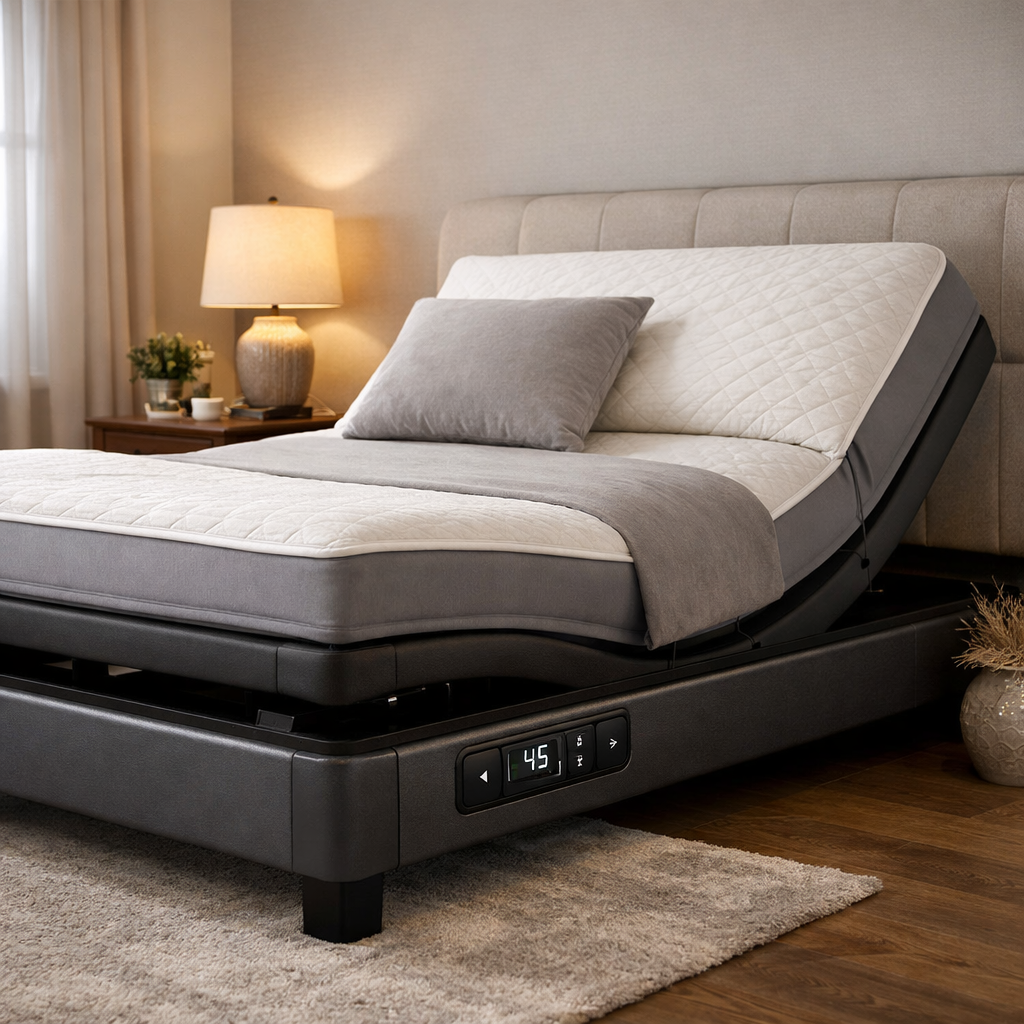
The Eight Sleep Pod Pro builds on the original Pod’s heating‑and‑cooling magic, then adds a suite of sensors that watch your heart, breathing, and even your stress levels. The new Comfort Blend™ foam topper gives extra pressure‑point relief without losing the active‑grid temperature control that can swing between 55 °F and 110 °F on each side.
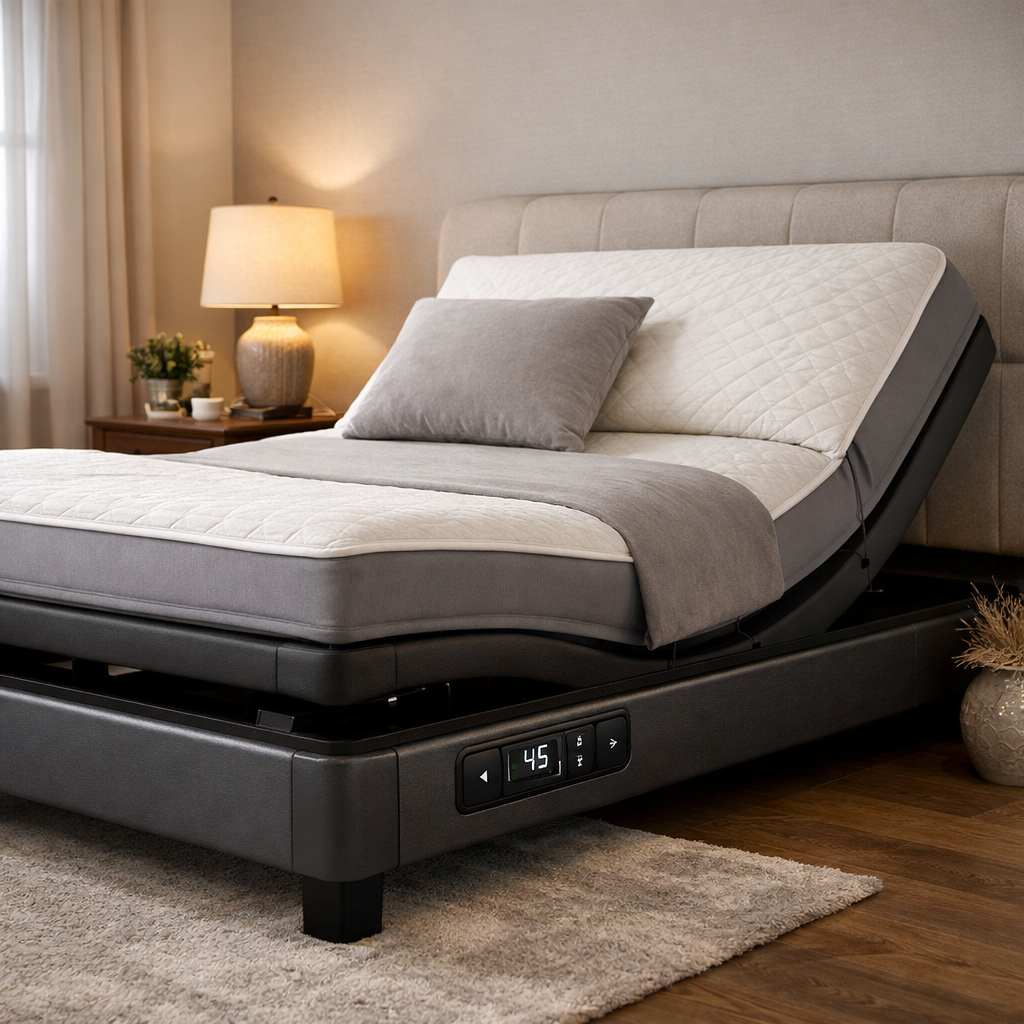
What matters for apnea is the auto‑adjust head‑elevation. The Pod Pro’s dual‑sense tech can raise the head by a few degrees when it detects snoring or a change in respiratory rate. That tiny tilt can open the airway and cut the number of breathing pauses.
Eight Sleep backs its data with clinical work at Mount Sinai and UCSF. Their research shows the heart‑rate tracking is within one beat per minute of a medical‑grade ECG, so you can trust the numbers the bed reports.
Because the Pod Pro talks to an app, you get a nightly “Daily Health Check” that breaks down respiratory rate, resting heart rate, and HRV. Over weeks you can see trends and spot nights when your apnea may have been worse.
Pros:
- Full‑body temperature control
- AI‑driven auto‑raise for snore detection
- Rich health dashboard in the Eight Sleep app
Cons:
- Higher price point
- Requires Wi‑Fi for full feature set
Bottom line:If you want a bed that does more than heat or cool, the Eight Sleep Pod Pro gives you data‑backed auto‑adjustment that can ease apnea events.
2. Sleep Number 360 Smart Bed , Adjustable Air Support
The Sleep Number 360 line lets you dial in firmness with a number, then raises the head of the bed with the push of a button or voice command. For apnea, that head‑elevation is key. The c2 model leans toward a firmer feel, while the p6 offers a softer ride if you share the bed with a partner who likes a plush surface.
Medical experts, including a director at Cleveland Clinic, note that side‑sleeping with a slight incline (about 20 degrees) reduces airway collapse. The Sleep Number’s air‑based frame can achieve that angle without a separate wedge.
Adjusting the air chambers is quiet, thanks to a whisper‑quiet pump. That matters if you share a room; you won’t be jolted awake by a loud motor.
Consumer Reports notes that the Sleep Number series scores high for durability and offers a 10‑year warranty on the air‑core, so you won’t be replacing it after a few years of use.
Pros:
- Precise firmness control for each side
- Easy head‑raise via remote or Alexa
- Strong warranty
Cons:
- Manual app setup can be a learning curve
- Air chambers add a bit of weight
Bottom line:The Sleep Number 360 offers reliable, adjustable air support and a simple head‑raise that can help keep your airway open.
3. ReST Bed , Responsive Smart Mattress
ReST’s claim to fame is its “sense‑and‑respond” AI. The mattress has three layers of fabric with about 2,000 pressure‑point sensors. As you move, the system instantly tweaks five body zones, head, shoulders, lumbar, hips, and legs, to keep pressure even.
For apnea, the most useful zone is the head‑tilt. When the sensors spot a rise in breathing irregularities, the system can lift the head zone by a few degrees, mimicking the effect of a manual wedge.
The pump that powers the adjustments is built from medical‑grade components, so it runs quietly and lasts a long time. ReST backs its tech with a 10‑year warranty that covers the entire system.
Because the adjustments happen under the sleeper’s weight, you won’t feel the bed jolt. That’s a big plus for anyone who shares a bed and doesn’t want to disturb a partner.
Pros:
- Instant, zone‑by‑zone auto‑adjustment
- Medical‑grade pump for quiet operation
- Long warranty
Cons:
- Higher upfront cost
- Complex initial setup via the ReST app
Bottom line:If you want a mattress that constantly reads your body and adjusts on the fly, the ReST Bed is a tech‑heavy option that can help with apnea.
4. Ooler by Chili Technology , Climate‑Controlled Smart Base
The Ooler focuses on temperature, which may sound unrelated to apnea, but a cooler core body temperature can improve overall sleep quality and reduce the severity of breathing pauses. The unit circulates water through a pad under the mattress, letting you set a precise surface temperature.
Research shows that keeping skin temperature a couple of degrees lower (around 60, 67 °F) supports deeper, more stable sleep. For many apnea patients, better sleep quality means fewer awakenings and a calmer airway.
The system offers dual‑zone control, so each side of the bed can have its own temperature. If you and a partner have different preferences, you won’t have to compromise.
Cons:
- Requires a water line or regular refilling
- Higher maintenance than a dry‑heat system
Pros:
- Precise temperature control
- Quiet operation
- App integration for scheduling
Bottom line:If temperature swings keep you up, the Ooler gives you fine‑tuned cooling that may indirectly ease apnea symptoms.
5. Tempur‑Pedic Tempur‑Luxe Smart Base , Integrated Sensors
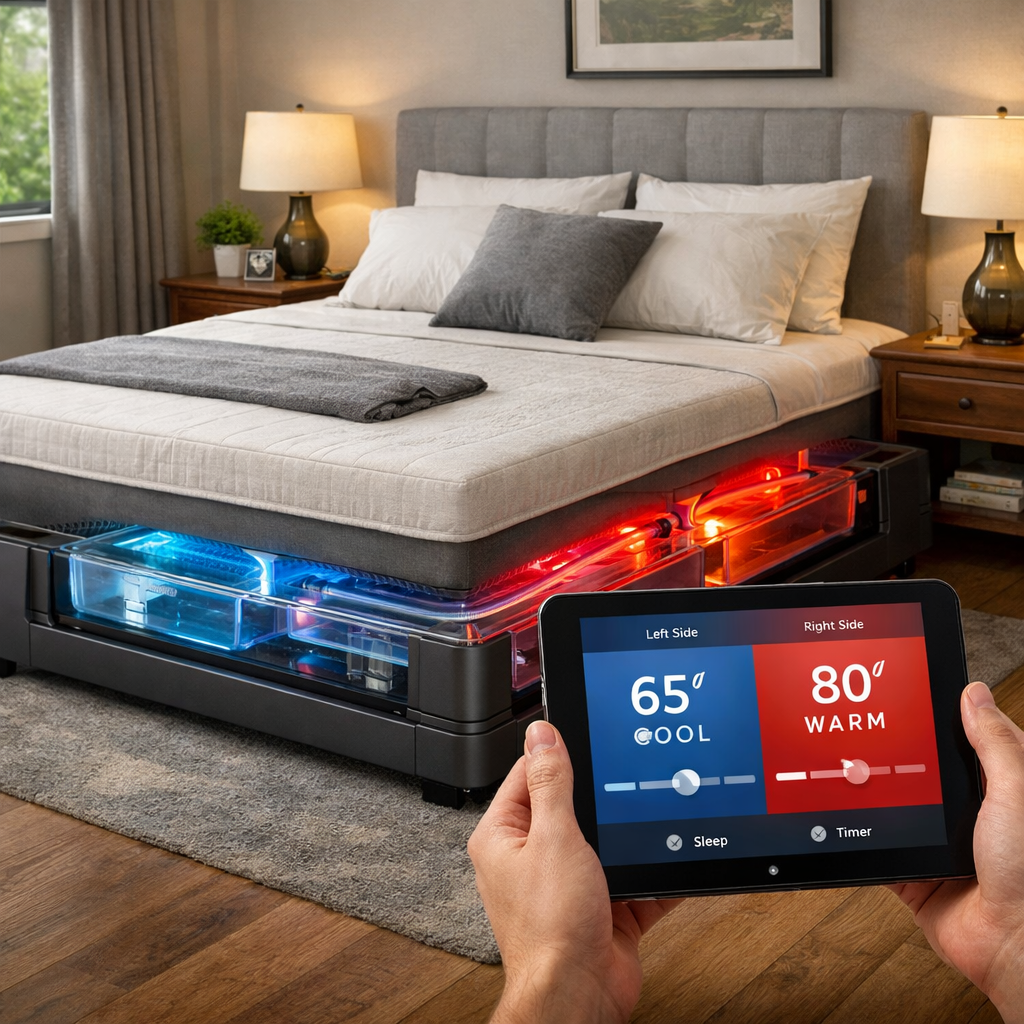
Tempur’s SmartBase adds built‑in Sleeptracker AI sensors that listen for snoring and automatically raise the head. The system doesn’t use a microphone; it detects subtle motion and breathing patterns, keeping your data private.
When snoring spikes, the base lifts the head by up to 6 inches in seconds. That quick response can stop an apnea event before it turns into a full‑blown pause.
“Automatic snore response is a game‑changer for couples,” says a sleep specialist at a major hospital.
The base also offers a “Zero G” preset that improves the legs, improving circulation, a nice bonus for anyone with swollen ankles or lower‑back tension.
Because the SmartBase pairs with any Tempur mattress, you can choose a feel that matches your body type, from soft to firm.
Pros:
- Automatic snore‑detect head‑raise
- Leg‑elevation mode for circulation
- Quiet motor and sleek design
Cons:
- Premium price
- Requires the Tempur app for full functionality
Bottom line:The Tempur‑Luxe SmartBase blends comfort, privacy, and automatic snore response into a single platform.
6. SleepScore Labs Sleep Mattress , Personalized Coaching
SleepScore Labs pairs a smart mattress with a coaching app that gives you daily tips based on your sleep data. The mattress tracks breathing, movement, and heart rate, then the app suggests small changes, like adjusting pillow height or trying a breathing exercise.
For apnea, the app can flag nights with high respiratory disturbance and recommend a slight head‑tilt or a different sleep position. The coaching element helps you build habits that keep your airway open without relying solely on hardware.Research published in a peer‑reviewed journal shows that smart‑bed‑derived breathing data can predict moderate‑to‑severe apnea with about 83 % accuracy when compared to a full polysomnography study.
The mattress itself is medium‑firm, which many clinicians recommend for apnea patients because it supports spinal alignment without being too hard.
Pros:
- Data‑driven coaching
- Quiet sensor platform
- Medium‑firm feel good for most sleepers
Cons:
- Coaching features require a subscription after the trial
- App may feel overwhelming at first
Bottom line:If you like guidance alongside hardware, SleepScore’s mattress and coaching combo gives you both.
How to Choose the Right Smart Bed for Your Sleep Apnea
Start by asking yourself three things: Do you need automatic head‑raise? Do you want temperature control? Are you looking for coaching or just a sturdy platform?
Check if the bed talks to an app you already use, many integrate with Apple Health, Google Fit, or Alexa. A reliable app makes it easier to see trends and share data with a doctor.
Look for beds that mention “snore detection” or “breathing monitoring.” The research shows that 72 % of smart beds list some apnea monitoring, but only a few actually move the head in response. Those that do provide the most direct relief.
Finally, think about your bedroom layout. Adjustable frames need space for the motor and for any water‑based cooling units. Make sure the bed fits your room before you buy.
Bottom line:Match the bed’s core tech, head‑raise, temperature, coaching, to the specific ways your apnea shows up at night.
Feature Comparison of the Top Smart Beds
Bottom line:The table shows which beds give you automatic head‑raise, temperature control, or coaching, helping you narrow down the best fit.
FAQ
Can a smart bed replace my CPAP machine?
No. Smart beds can ease apnea by raising the head and tracking breathing, but they do not provide the continuous positive airway pressure that a CPAP delivers. Most clinicians recommend using a CPAP if your doctor has prescribed one, and you can add a smart bed for extra comfort.
How does auto‑adjust head‑raise work?
The bed’s sensors detect snoring or a change in breathing pattern. When a threshold is crossed, a motor lifts the head section a few degrees. The lift happens quietly and can be set to stay up for a set time or until breathing normalizes.
Is the data from these beds private?
Many brands, like Tempur‑Pedic, use motion‑based sensing that does not record audio. The data stays in the app and can be exported if you need to share it with a doctor. Always check the privacy policy before you sync.
Do I need a special frame for these smart bases?
Most smart bases come with their own frame or require a compatible adjustable frame. The Ooler, for example, sits under a regular mattress but needs enough clearance for the water‑circulation unit.
What if I share the bed with a partner?
Look for split‑side models like the Sleep Number or the Eight Sleep Pod Pro, which let each side have its own temperature and firmness. That way one person can have a higher head‑raise while the other keeps a lower setting.
How often should I update the firmware?
Manufacturers push updates a few times a year to improve sensor accuracy and add new features. Enable automatic updates in the app so you never miss a critical fix.
Can I use a smart bed with a home automation system?
Yes. Many beds integrate with Alexa, Google Home, or Apple HomeKit. You can set voice commands like “Good night” to lower the bed and start a cooling cycle.
Is there a trial period?
Most top brands offer a 30‑night or longer trial. The Eight Sleep Pod Pro and ReST Bed both have 90‑night risk‑free trials, giving you time to see if the auto‑adjust features truly help your apnea.
Conclusion
Finding a smart bed that eases sleep apnea isn’t about picking the flashiest gadget. It’s about matching the tech to the way your breathing changes at night. The Eight Sleep Pod Pro and Tempur‑Luxe SmartBase give you fast, sensor‑driven head‑raise. Sleep Number offers reliable air‑adjustable firmness with a simple lift. ReST provides instant zone‑by‑zone tweaks, while Ooler cools the environment to keep your airway clear. SleepScore adds coaching to turn data into habit changes.
We at Smart beds that stop snoring automatically have walked many people through these choices, and we’ve seen how the right combo of comfort and smart tech can turn restless nights into restful mornings. Take a look at the features, try the trial periods, and pick the bed that feels right for your body and your sleep‑apnea needs. Your airway will thank you, and you’ll finally get the deep, uninterrupted sleep you deserve.
“Smart beds are emerging as a non‑intrusive way to screen for sleep‑disordered breathing,” note the study authors.
“ReST is the first bed that truly reacts to your body in real time,” says a sleep researcher at a leading university.