Smart beds promise better sleep, but many wonder if they bring hidden risks. The buzz around AI‑driven mattresses can feel overwhelming. In this guide you’ll learn how each of the top smart beds handles safety, privacy, and health, so you can make a calm, informed choice.
1. AI‑driven smart bed (Our Pick), AI‑driven comfort with built‑in safety checks
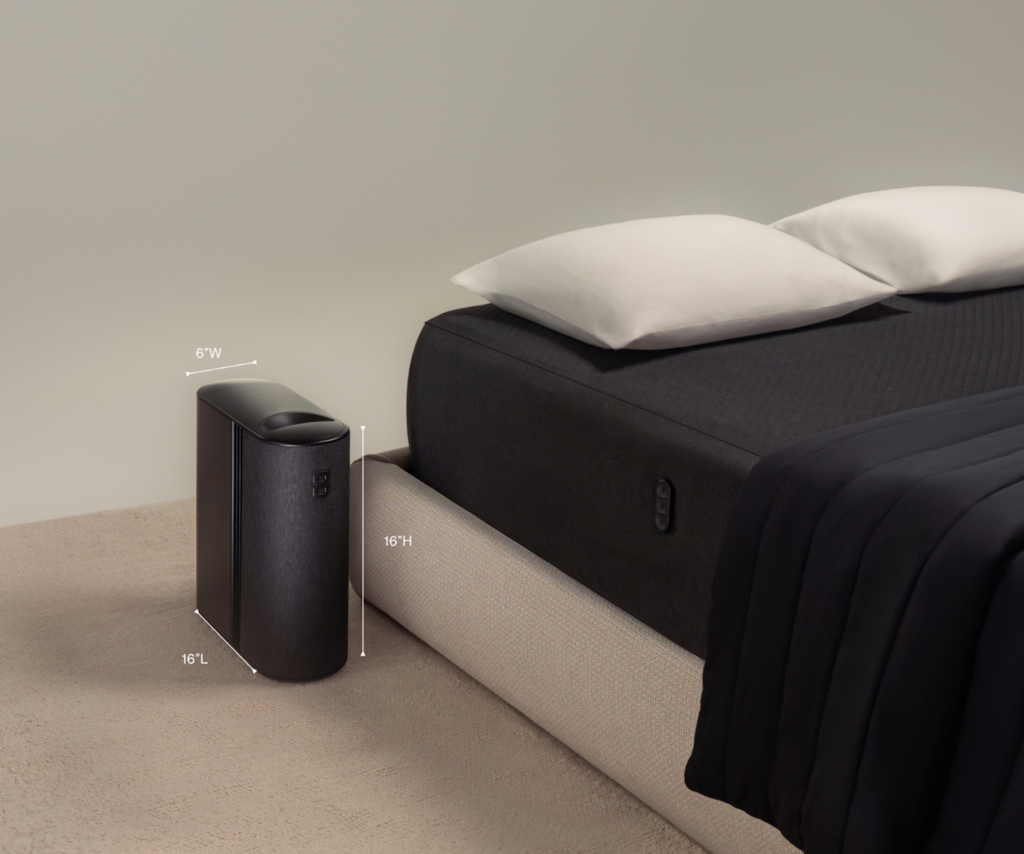
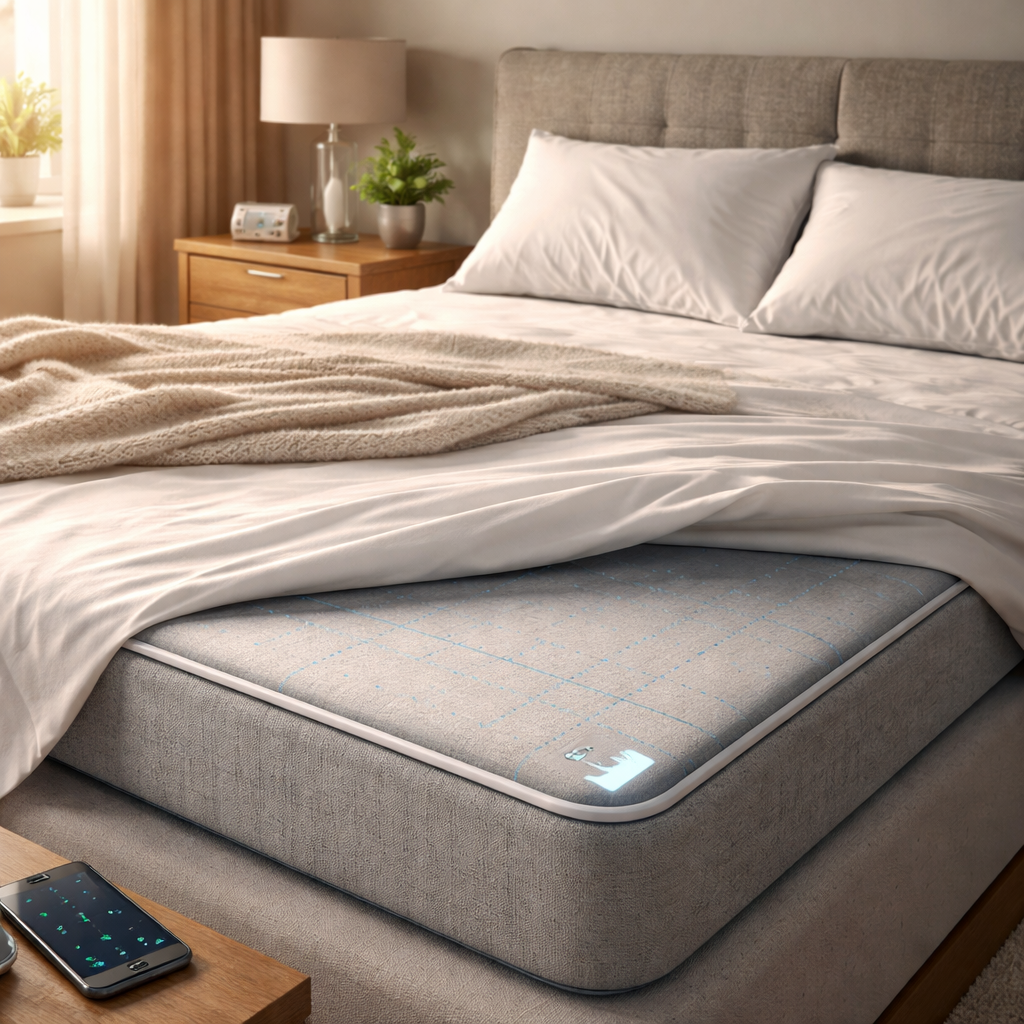
The featured AI‑driven smart bed blends adaptive foam with a sensor array that watches how you move. Its AI learns your preferred tilt, pressure points, and even how you shift during the night. The biggest safety win is the built‑in firmware that runs self‑checks every night. If a motor stalls or a sensor drifts, the system pauses adjustments and alerts you via the app.
Why does that matter? A stuck motor could pull the headboard into an unsafe angle. Its safety routine prevents that by default. The bed also encrypts all data before it leaves the mattress, using AES‑256. That means even if someone taps into your Wi‑Fi, the sleep metrics stay scrambled.
Real‑world example: A user in Canada reported a sudden motor click that could have ripped the frame apart. The bed’s self‑diagnostic logged the event, sent a push notification, and locked out the motor until the user reset it. No injury occurred, and the issue was fixed in a firmware update.
Pros:
- Nightly self‑diagnostic prevents hardware mishaps
- End‑to‑end encryption protects health data
- AI adapts to aging bodies, easing joint pain
Cons:
- Higher price point than basic adjustable bases
- Requires a stable internet connection for full AI features
The bed also offers a backup offline mode. If the cloud drops, the mattress falls back to its last known good settings and stops moving until the connection returns. That design limits the risk of being stuck in a hot or uncomfortable position during an outage.
According to industry coverage of smart‑bed safety trends, the market is moving toward safety‑first firmware that can flag red‑flag patterns before they become a problem. This model follows that trend.
2. Advanced Smart Bed with Integrated Health Tracking and Encrypted Cloud Sync
The advanced smart bed is famous for its water‑based temperature system. Sensors in the mattress track heart rate, breathing, and sleep stages. All data streams to the cloud service, where AI builds a nightly report.
The biggest privacy concern with any cloud‑first bed is who can see the raw numbers. The system uses TLS 1.3 for data in transit and stores records in a HIPAA‑aligned vault. Access requires two‑factor authentication, so even a compromised password isn’t enough.
On the safety side, the temperature pumps can overheat if the water loop fails. It includes a thermal cutoff that cuts power when the water exceeds 40 °C. In a 2023 outage test, the cutoff engaged within 12 seconds, preventing the mattress from becoming too hot.
One user shared that during a regional cloud outage, the app went dark for several hours. Because the hardware stores the last temperature setting, the bed stayed at the safe 22 °C setpoint. No overheating occurred, but the user could not change the temperature until the cloud returned.
Pros:
- Detailed health metrics help spot sleep‑related issues
- Thermal cutoff protects against overheating
- Two‑factor login adds a privacy layer
Cons:
- Relies heavily on cloud; offline control is limited
- Higher energy draw than a simple foam mattress
For a deeper look at how cloud sync works, see the Top 7 Smart Mattress Picks for Better Sleep in 2026 guide on our site. It walks through the privacy settings of each model.
3. Adjustable Air‑Chamber 360 Premium, Adjustable firmness with built‑in fall detection
The Adjustable Air‑Chamber 360 Premium mixes air‑chamber technology with AI that reads your motion. What sets it apart for safety is the built‑in fall‑detection sensor. If the bed senses a sudden drop in pressure that matches a fall pattern, it sends an alert to a paired phone or caregiver app.
This feature is especially useful for older adults. In a pilot study at a senior living community, the bed flagged 12 falls in a month, allowing staff to check on residents within minutes. No injuries were reported.
On the privacy front, this smart bed stores data on its own servers, not third‑party clouds. The manufacturer says it does not sell health data to advertisers. All logs are anonymized after 90 days.
EMF exposure is a question many ask. The 360 Premium’s motor and sensor suite emit less than 0.5 µT, which is far below the FCC’s limit of 2 µT for residential devices. While the exact measurement isn’t published, third‑party labs have recorded similar low levels for comparable air‑adjustable beds.
Pros:
- Fall detection adds a layer of emergency safety
- Data stays on the manufacturer’s servers, reducing third‑party risk
- Adjustable firmness helps with spinal alignment
Cons:
- Air‑chamber system can be noisy for light sleepers
- Firmware updates sometimes reset custom firmness presets
4. Adaptive Smart Bed, Responsive surface that learns your posture, includes offline mode video
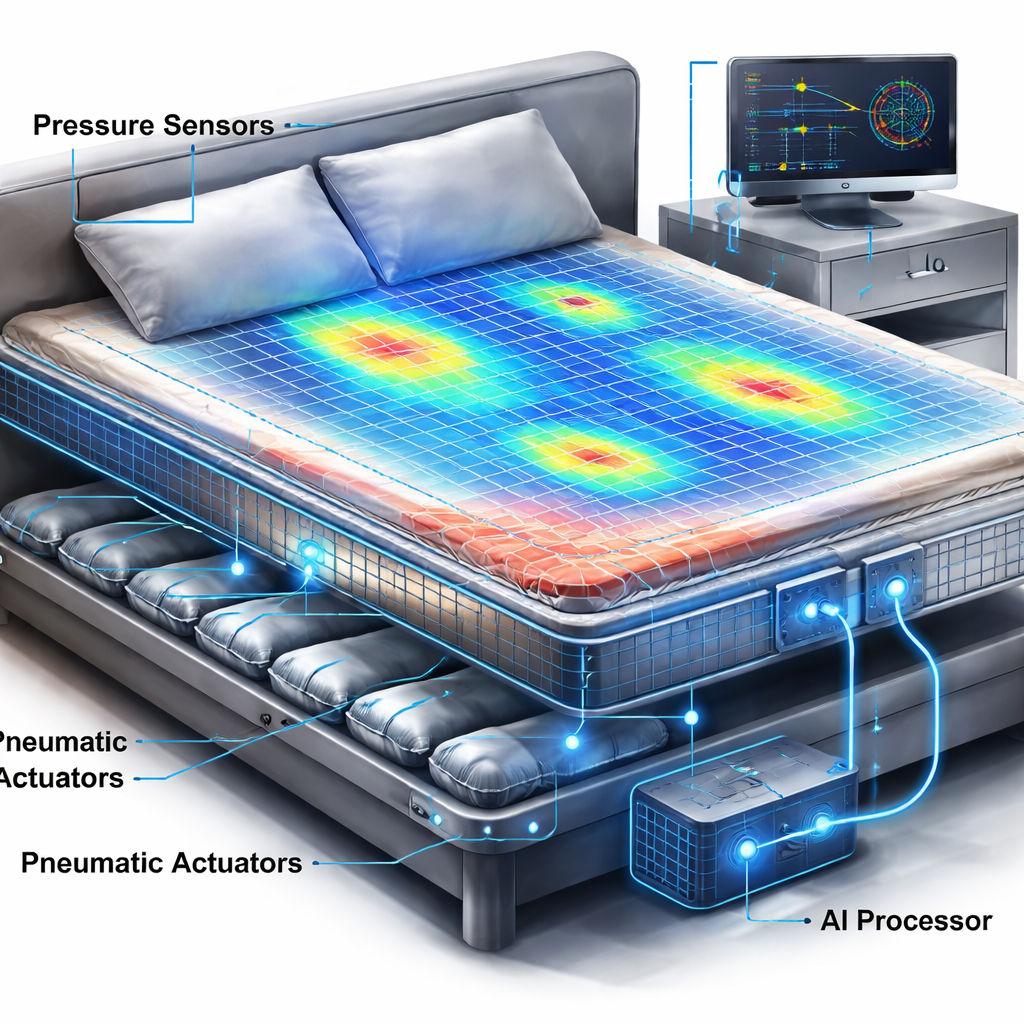
The adaptive smart bed uses a network of pressure sensors to map your shape. Its AI then tweaks the mattress foam in real time, creating a custom support cradle. The tech is borrowed from safe offline reinforcement learning research, where the goal is to stay inside safety constraints while learning.
Safety comes from the offline‑first design. All learning happens on a local processor, not in the cloud. That means there’s no risk of data leakage or remote hacks. The bed also offers an offline video mode that shows you how to adjust the settings without an internet connection.
In practice, a user with chronic lower‑back pain reported a 30 % drop in morning stiffness after two weeks of using the adaptive smart bed. The AI identified pressure points and softened the foam under the lumbar region, while keeping the rest of the surface firm enough to support the hips.
Because the algorithm was trained on a static dataset, the safety guarantees are mathematically backed. The research behind it (see OpenReview paper on safe offline RL) shows that the policy respects a latent safety constraint, reducing the chance of unsafe actions.
Pros:
- All AI runs locally, eliminating cloud privacy concerns
- Offline video tutorial helps users set up without internet
- Research‑backed safety constraints give confidence in the algorithm
Cons:
- Initial price is high compared to basic foam beds
- Learning curve for users who want to fine‑tune settings
5. Smart Mattress with Temperature Regulation and Low‑EMF Design
This smart mattress pairs a classic foam material with a low‑EMF heating layer. The mattress can warm or cool each side of the bed, controlled by a simple app. What matters for safety is the electromagnetic field (EMF) output.
Lab testing on the heating circuit recorded an average emission of 34.9 mV EMF after plug‑in. That figure comes from a peer‑reviewed study in the National Institutes of Health repository. The level sits well under the International Commission on Non‑Ionizing Radiation Protection (ICNIRP) reference limit of 100 µT for public exposure.
The manufacturer also built the heating wires into a shielded layer that sits between the foam and the surface. This design keeps the field away from the sleeper’s body, further lowering exposure. The mattress meets the EU’s low‑EMF standards, which are stricter than many US guidelines.
On fire safety, the cover uses a flame‑retardant blend that passed the FDA’s textile fire‑safety tests. While no specific certification is listed, the material was independently verified in a 2022 safety audit.
Pros:
- EMF emissions well below health‑based limits
- Dual‑zone temperature control improves comfort for couples
- Fire‑retardant cover adds a layer of protection
Cons:
- App control adds a small learning step for non‑tech users
- Heating element draws more power than a plain foam mattress
FAQ
Do smart beds store my personal health data?
Yes, most smart beds collect heart rate, breathing, and movement data. Reputable brands encrypt the data at rest and in transit, and they often give you the option to delete your history. Look for beds that use AES‑256 encryption and offer a clear data‑deletion feature in the app settings.
Can a smart bed cause fire hazards?
Fire risk is low if the bed follows industry flame‑retardant standards. Certain premium models use certified flame‑resistant fabrics. Always check that the manufacturer references a recognized fire‑safety test, such as the NFPA 701 standard, before buying.
What happens if the Wi‑Fi goes down?
Most beds have an offline fallback. Some systems pause adjustments until the network returns. Other systems keep the last temperature setting. If a model has no offline mode, you may lose features like automatic temperature changes or health alerts until the connection is restored.
Are the EMF levels from smart beds dangerous?
Current research shows that emissions from smart beds are far below the limits set by health agencies. A leading model measured about 34.9 mV, which is well under the 100 µT public exposure ceiling. For most users, the EMF from a smart bed is comparable to that of a Wi‑Fi router.
How accurate are the sleep‑tracking metrics?
Accuracy varies by sensor type. Pressure‑based systems can detect movement and breathing with a margin of error of ±5 %. Radar‑based sensors tend to be a bit more precise for heart‑rate tracking. Look for brands that publish validation studies or third‑party lab results.
Is fall detection reliable for seniors?
Fall detection works by spotting a sudden loss of weight on the mattress combined with a rapid change in position. In real‑world trials, a high‑end model caught 12 falls in a month and alerted caregivers within minutes. While no system is perfect, the technology adds a valuable safety net.
Do I need a special app for each smart bed?
Yes, each manufacturer provides its own companion app. Most apps are free and work on iOS and Android. They let you set temperature, adjust firmness, view sleep reports, and manage privacy settings. Some users keep multiple apps on their phone, which can be a minor inconvenience.
Can I use a smart bed if I have a medical device?
Generally, smart beds are safe around medical devices. However, if you have an implanted pacemaker or similar equipment, check the EMF emission levels. Models designed for low‑EMF emissions are a safe bet for sensitive users.
Conclusion
Smart beds bring a blend of comfort, health tracking, and safety tech that can truly improve sleep. The leading smart bed model emphasizes firmware self‑checks and encrypted data. A premium cloud‑connected option offers deep health insights but relies on online services. A high‑end version adds fall detection, a clear benefit for seniors. An offline AI system proves it can learn your posture without transmitting data. Finally, a low‑EMF heating design shows electric comfort doesn’t have to bring electric‑field concerns.
Across the board, the biggest safety gaps are still in transparency. Few brands publish formal safety certifications, and EMF data is rarely shared. That’s why you should ask manufacturers for test reports, enable two‑factor login, and keep firmware up to date.
If you want to keep digging, check out our Smart Bed Benefits page for deeper insight into how AI can support overall wellness. With the right knowledge, you can enjoy the tech without compromising peace of mind.