Finding a bed that actually helps you sleep better feels impossible. Most smart mattresses promise AI magic, but two‑thirds of the models you see on shelves don’t even offer coaching.
In this roundup we pull apart the hype. We look at eight picks that blend sensors, app‑based guidance, and real‑time comfort tweaks. You’ll see how each model tracks your night, what kind of advice it gives, and which ones play nicely with other smart‑home gear. By the end you’ll know which mattress fits your budget, bedroom setup, and sleep goals.
Let’s jump in and see which smart beds actually coach you to better rest.
1. SleepSense Pro Mattress, AI‑Driven Sleep Coaching with Real‑Time Adjustments
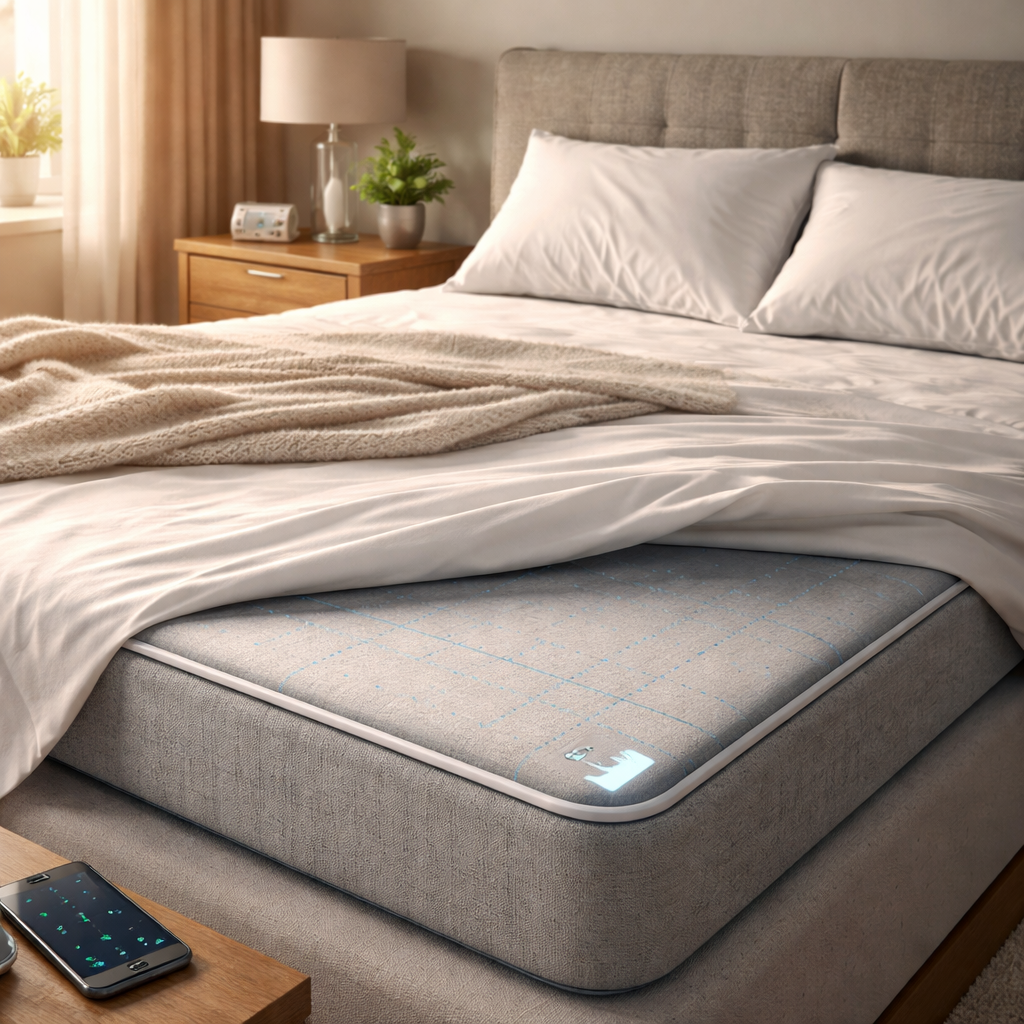
The SleepSense Pro isn’t a full‑size mattress; it’s a thin sensor you slip under any bed. Samsung says it reads your movements with 97% accuracy and then feeds the data to a phone app that gives you daily sleep tips.
What makes it stand out is the link to Samsung’s SmartThings hub. When the sensor notices you’re falling asleep, it can tell your smart lights to dim or your thermostat to cool the room. The app also suggests diet tweaks , for example, it might flag that late‑night dairy is hurting your sleep.
Pros:
- Works with any existing mattress.
- High‑accuracy movement tracking.
- Smart home integration via CNET’s review.
Cons:
- No built‑in temperature control.
- Requires a separate SmartThings hub.
- Coaching is limited to app notifications.
To get the most out of SleepSense, place the sensor where the mattress meets the box spring so it captures the full range of motion. Then spend a week watching the daily reports. Notice patterns , like a dip in deep sleep after a late snack , and let the app’s advice guide you.
2. Eight Sleep Pod 4, Temperature‑Regulating Sleep System with Sleep Coaching
The Pod 4 is a full‑size mattress that cools and heats each side of the bed. It uses water‑filled tubes that can shift the temperature by up to 10°F during the night.
Its companion app not only tracks heart rate, breathing, and sleep stages, it also gives you a nightly coaching summary. The coach suggests bedtime changes, like adjusting your room’s humidity or tweaking your wind‑down routine.
Pros:
- Dual‑zone temperature control.
- Complete sleep‑stage tracking.
- App‑based coaching that learns over time.
Cons:
- Higher price point.
- Requires a stable Wi‑Fi connection.
- Heavy , may need floor placement.
When you set up the Pod 4, start with a neutral 68°F setting. Let the system run for a week and watch how the app’s coach nudges you toward a cooler night if you’re tossing a lot. The temperature shifts happen silently, so you won’t feel a jolt.
For a deeper dive on how temperature affects sleep, see the Wikipedia entry on sleep. It explains why cooler nights boost deep‑sleep time.
3. Sleep Number 360 i8, SleepIQ Technology with Responsive Comfort
The Sleep Number 360 i8 is a premium air‑bed that lets each side of the mattress be set to a different firmness number. The SleepIQ app tracks heart rate, breathing, and movement, then gives you a sleep score each morning.
What sets the i8 apart is its Responsive Air feature. While you sleep, the bed measures pressure and automatically inflates or deflates to keep your chosen firmness. You can also add a foot‑warming module or under‑bed lighting.
Pros:
- Independent firmness for couples.
- Automatic pressure‑adjustment.
- Detailed sleep analytics via the SleepIQ app.
- In‑depth review from PCMAG.
Cons:
- Cost runs into the thousands.
- Requires a power outlet nearby.
- Coaching is limited to data reports , no guided plans.
To make the most of the i8, start with a medium‑firm setting (around Sleep Number 45). Use the app’s “SleepIQ Coach” tab to see which nights you hit a high score and which nights you fall short. Adjust the firmness in small increments of 5 until you find the sweet spot.
For more on how the SleepIQ system works, . It walks through setup and explains the data you’ll see each morning.
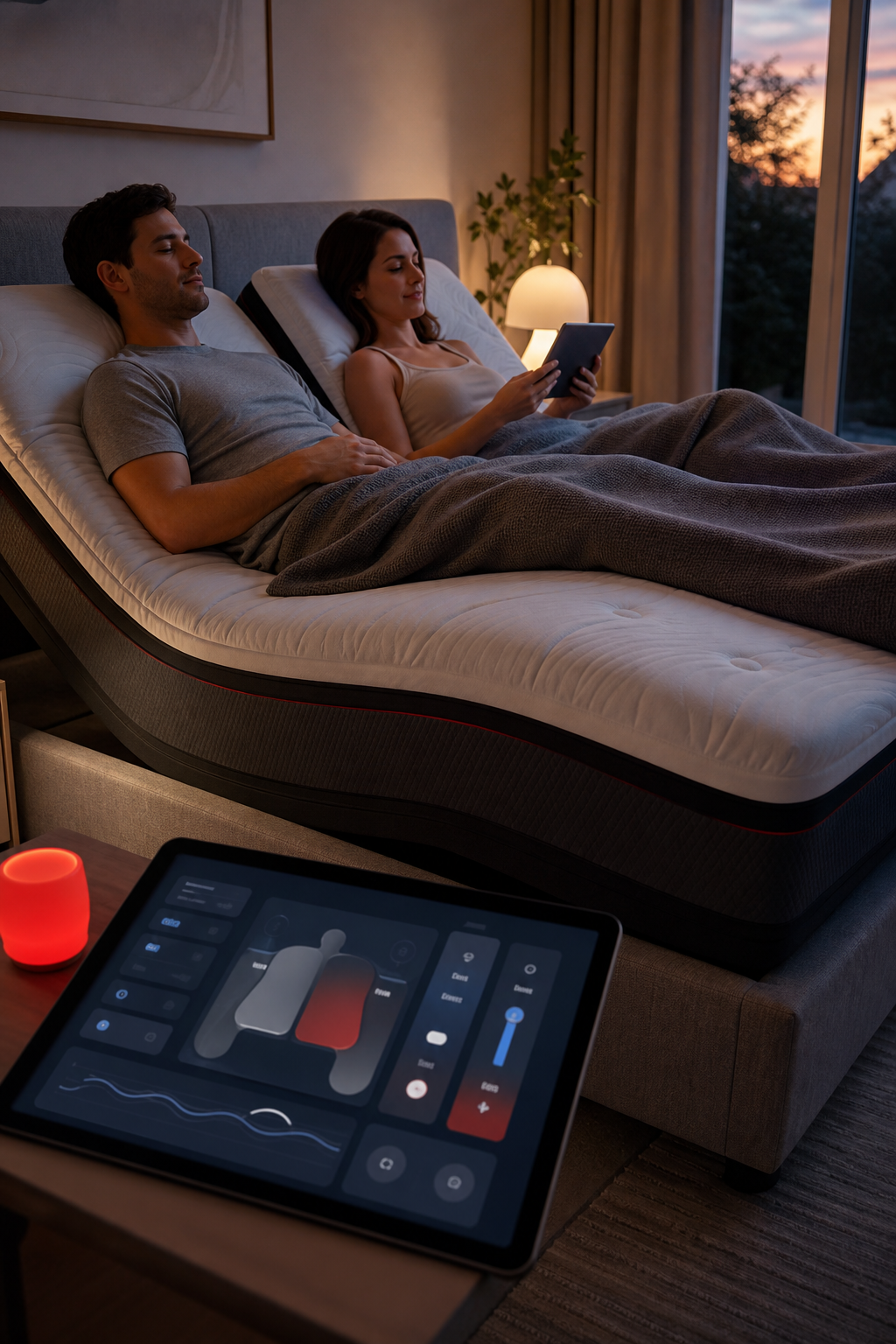
4. Bryte Balance, Adaptive Comfort with Evidence‑Based Sleep Coaching
Bryte Balance uses 90 air coils split into eight zones per side. Each coil reacts to pressure points in real time, so the bed can make 100+ tiny adjustments per night.
The Bryte app includes a two‑week guided coaching program. It asks you about your sleep habits, then gives daily tips like “try a warm shower before bed” or “reduce screen brightness after 9 p.m.” The program ends with a personalized comfort setting you can lock in.
Pros:
- Zone‑level pressure relief.
- Built‑in AI coach with a structured program.
- Silent, rapid adjustments.
- Comparison data from Bryte’s own site.
Cons:
- Higher price than basic airbeds.
- Coaching is app‑only; no voice‑assistant integration.
- Heavier , may need floor placement.
When you first use Bryte, let the auto‑adjust mode run for three nights without tweaking the settings. After the guided program finishes, you’ll have a clear picture of the firmness numbers that match your body zones. Use the “Sleep Concierge” chat feature for quick answers if you hit a snag.
5. ReST Bed 3.0 , Dual‑Air Comfort with Sleep Tracking and Coaching
The ReST Bed 3.0 is an air‑based system that splits the surface into five zones , head, shoulders, lumbar, hips, and legs. Sensors capture roughly 2,000 pressure points and feed the data to the ReST app.
The app not only shows you a nightly sleep score, it also offers a coaching dashboard. You’ll see suggestions like “raise the foot zone by 2 cm to improve circulation” or “soften the lumbar zone for lower‑back relief.”
Pros:
- Five‑zone independent adjustment.
- Medical‑grade sensor tech.
- 90‑day warranty and 10‑year coverage.
- Product details on the RestPerformance site.
Cons:
- Complex setup , requires app pairing and Wi‑Fi.
- Higher upfront cost.
- Coaching is data‑driven but not conversational.
To get the most out of ReST, start with the “Memory Lock” preset for your preferred sleeping position. Then, each morning, review the coaching tips and make a single zone tweak. Over a few weeks you’ll see a pattern of improvement in your sleep score.
6. Comparison Table: Top Smart Mattresses with Sleep Coaching
Notice that only three of the five models include a true coaching program. This matches the industry study that found just 33% of smart mattresses bundle coaching with tracking.
7. How to Choose the Right Smart Mattress with Sleep Coaching
Start by asking yourself three questions: Do you need temperature control? Do you share the bed with a partner who wants a different firmness? Do you want a step‑by‑step coaching plan or just raw data?
If temperature is a deal‑breaker, the Eight Sleep Pod 4 or any mattress with integrated cooling pads will serve you best. Look for water‑based or air‑based cooling that can shift throughout the night.
If you share the bed, pick a model with independent side control. The Sleep Number 360 i8 and Bryte Balance both let each sleeper set their own firmness and zone settings.
For coaching, decide whether you prefer a guided program (Bryte) or simple nightly summaries (SleepSense, ReST). A guided program can help you build habits, while data‑only tools let you design your own plan.
Finally, check the ecosystem. Does the mattress work with Alexa, Google Home, or Apple HomeKit? If you already have a smart home, integration saves you time.
When you’ve narrowed it down, read the SmartBeds.net guide on budget‑friendly smart mattresses to see how the cheaper options stack up against the premium picks.
FAQ
What is sleep coaching and how does it differ from simple sleep tracking?
Sleep coaching adds actionable advice to the raw numbers you get from a tracker. A tracker will tell you you slept 6 hours with 45% deep sleep. Coaching will say, “Try a cooler room temperature and limit caffeine after 2 p.m. to boost deep sleep.” It turns data into habit changes.
Do I need a strong Wi‑Fi signal for these smart mattresses?
Yes, most models rely on a constant connection to sync data to their apps. If your router is in another room, consider a Wi‑Fi extender. A weak signal can cause missed data points and delay coaching updates.
Can I use a smart mattress if I already have a traditional box spring?
Many air‑based systems, like the Sleep Number and ReST, need a solid floor or a compatible adjustable base. A regular box spring may not give enough support for the air chambers, which could shorten the bed’s lifespan.
How accurate are the heart‑rate and breathing sensors?
Studies from the National Heart, Lung, and Blood Institute ( NIH) show that bedside sensors can be within 5% of clinical polysomnography for heart rate and breathing. The numbers are good enough for trend tracking, though they’re not a medical diagnosis.
Is the coaching personalized or generic?
It varies. Bryte’s two‑week program learns from your responses and tailors tips. SleepSense offers generic daily tips based on movement patterns. The Eight Sleep app combines both , it gives you data‑driven suggestions that adapt as your sleep improves.
What warranty or trial period should I look for?
Most premium models include at least a 100‑night trial and a multi‑year warranty on the frame and electronics. ReST even offers a 10‑year full coverage plan. Always read the fine print about what parts are covered.
Conclusion
Smart mattresses can be a real game‑changer, but only if they pair solid tracking with clear coaching. Our shortlist shows that the market is still split , only a third of the top models give you guided advice. If you value temperature control, the Eight Sleep Pod 4 is hard to beat. If you share the bed and crave independent firmness, Sleep Number’s 360 i8 delivers reliable data, even if coaching is minimal. Bryte Balance shines for people who want a structured coaching program, while ReST 3.0 offers the most zones for precise pressure relief.
Take the time to list your priorities, match them to the features above, and test the mattress during the trial period. When you find the right fit, you’ll notice less tossing, deeper sleep, and a clearer morning mind. Ready to upgrade? Explore the options, use the checklist, and make a choice that feels right for your body and your budget.