Feel like you’ve tried every pillow and sleep aid, yet still wake up groggy? Smart beds promise a data‑driven night’s rest that actually adapts to you. Below is a clear walk‑through of what they are, how they work, where they shine, and what to watch for before you buy.
What Are Smart Beds? Understanding the Basics
A smart bed is a mattress or bed platform that embeds sensors, software, and sometimes heating or cooling elements to gather sleep data and adjust comfort on the fly. The core idea is simple: measure how you move, breathe, and temperature, then use that info to fine‑tune firmness or climate without you lifting a finger.
Most models ship with a companion app that shows nightly graphs, sleep‑stage breakdowns, and personalized tips. A handful of high‑end units also talk to voice assistants or smart‑home hubs, letting you change settings with a spoken command.
According to Wikipedia, early smart‑bed prototypes focused on basic actigraphy, but modern versions layer AI‑driven pattern recognition on top of pressure‑mapping grids. That evolution explains why today’s beds can suggest a new firmness setting after you’ve rolled over three times in the night.
Keep in mind that not every advertised feature is truly automatic. Some beds only let you manually select a temperature zone, while others genuinely auto‑adjust in response to pressure changes. Knowing the difference will save you from paying for tech you never use.
Key Technologies Behind Smart Beds
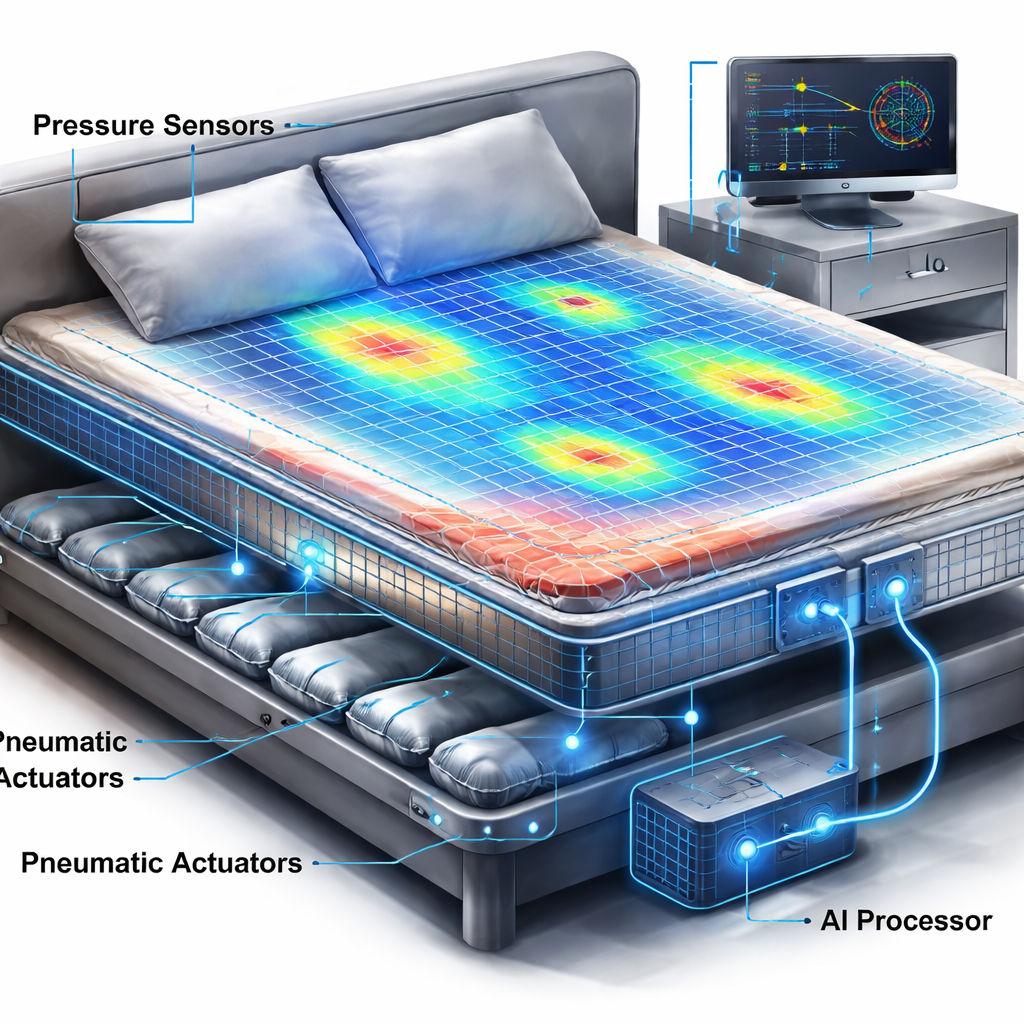
At the heart of any smart bed is a sensor array. The patented fabric captures a high density of pressure points across the surface, feeding real‑time data to a micro‑controller that decides whether to raise a zone or tweak airflow.
The data pipeline looks like this: sensors → onboard processor → AI algorithm → motor or fan action. The processor runs a lightweight AI model trained on thousands of sleep profiles, so it can recognize when you’ve shifted from back to side and respond within seconds.
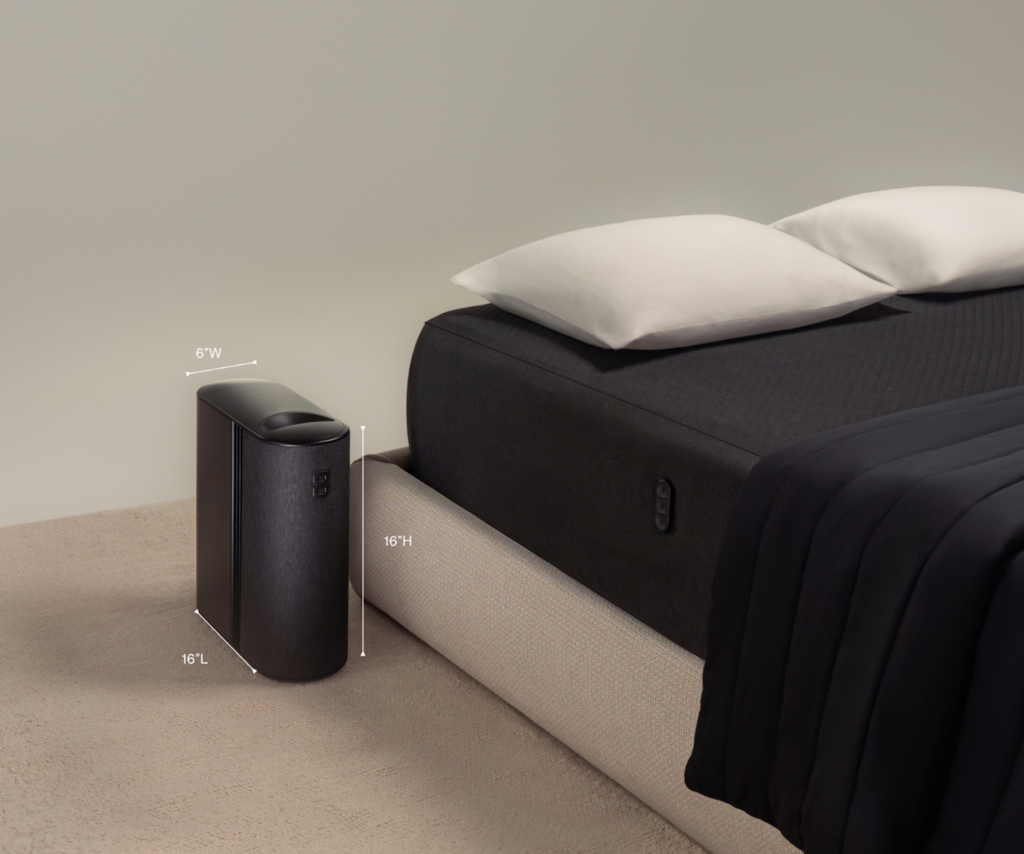
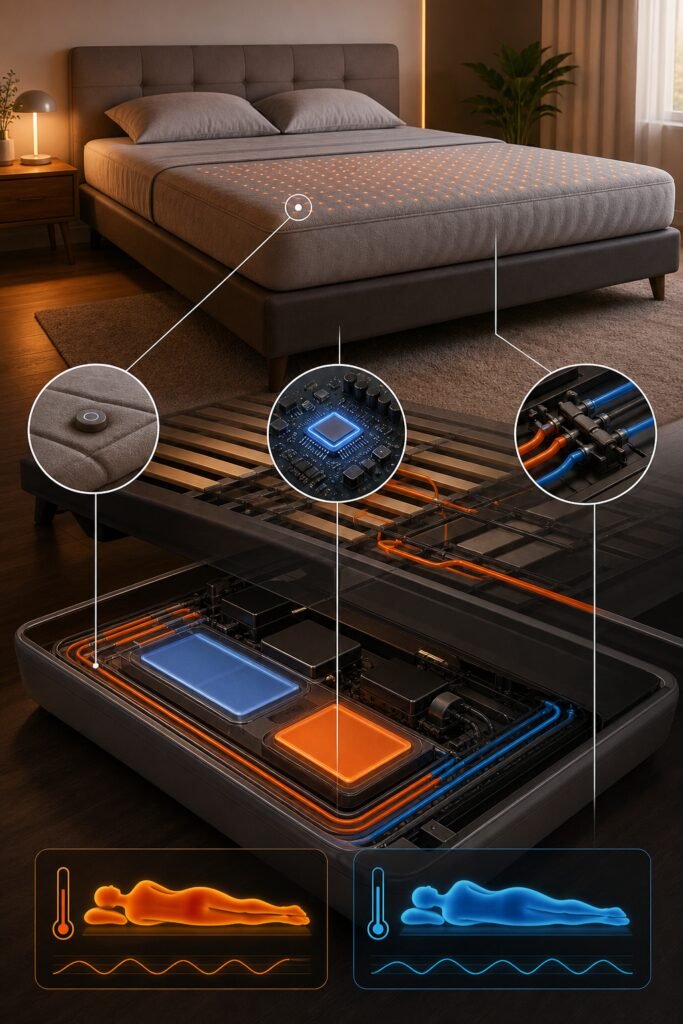
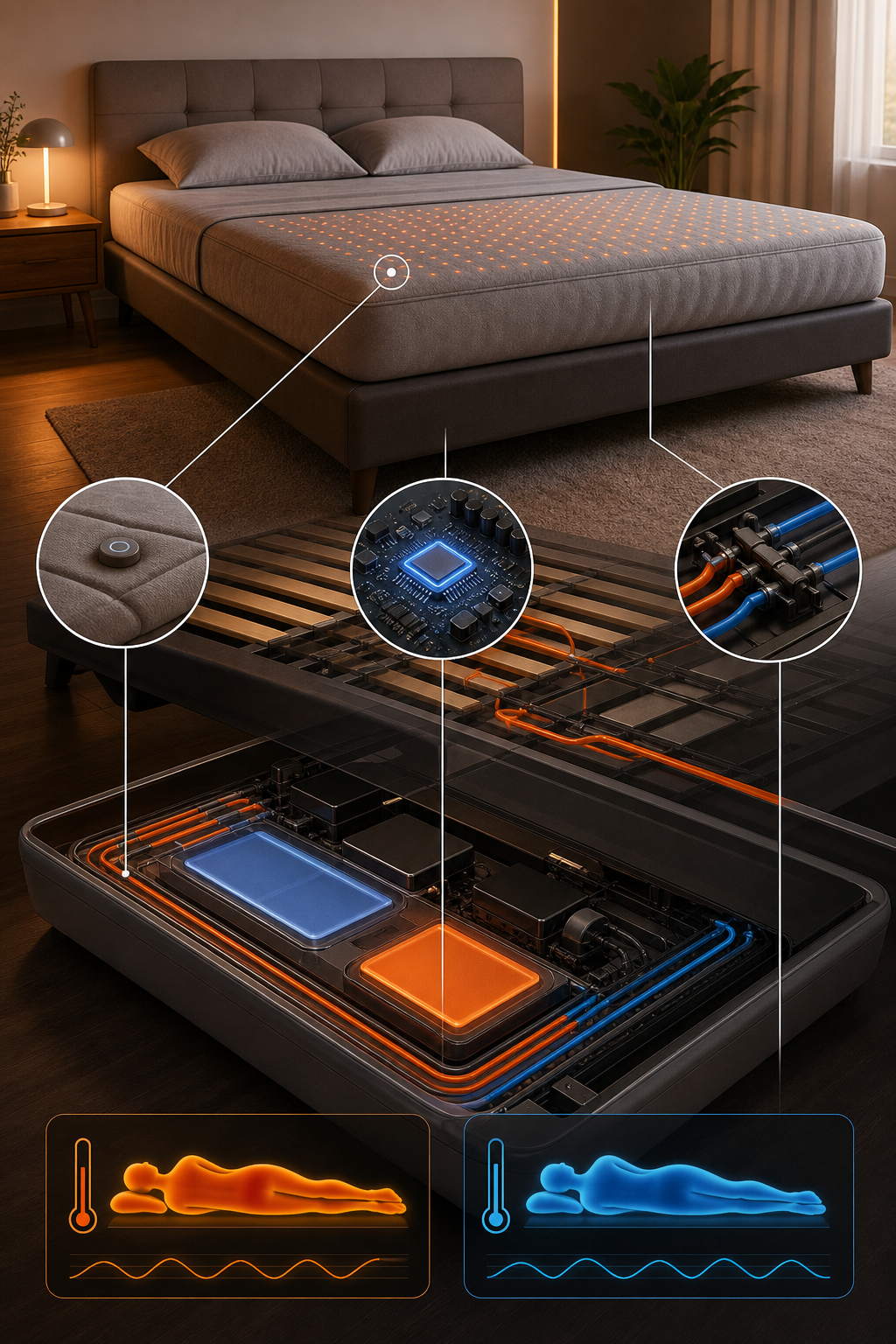
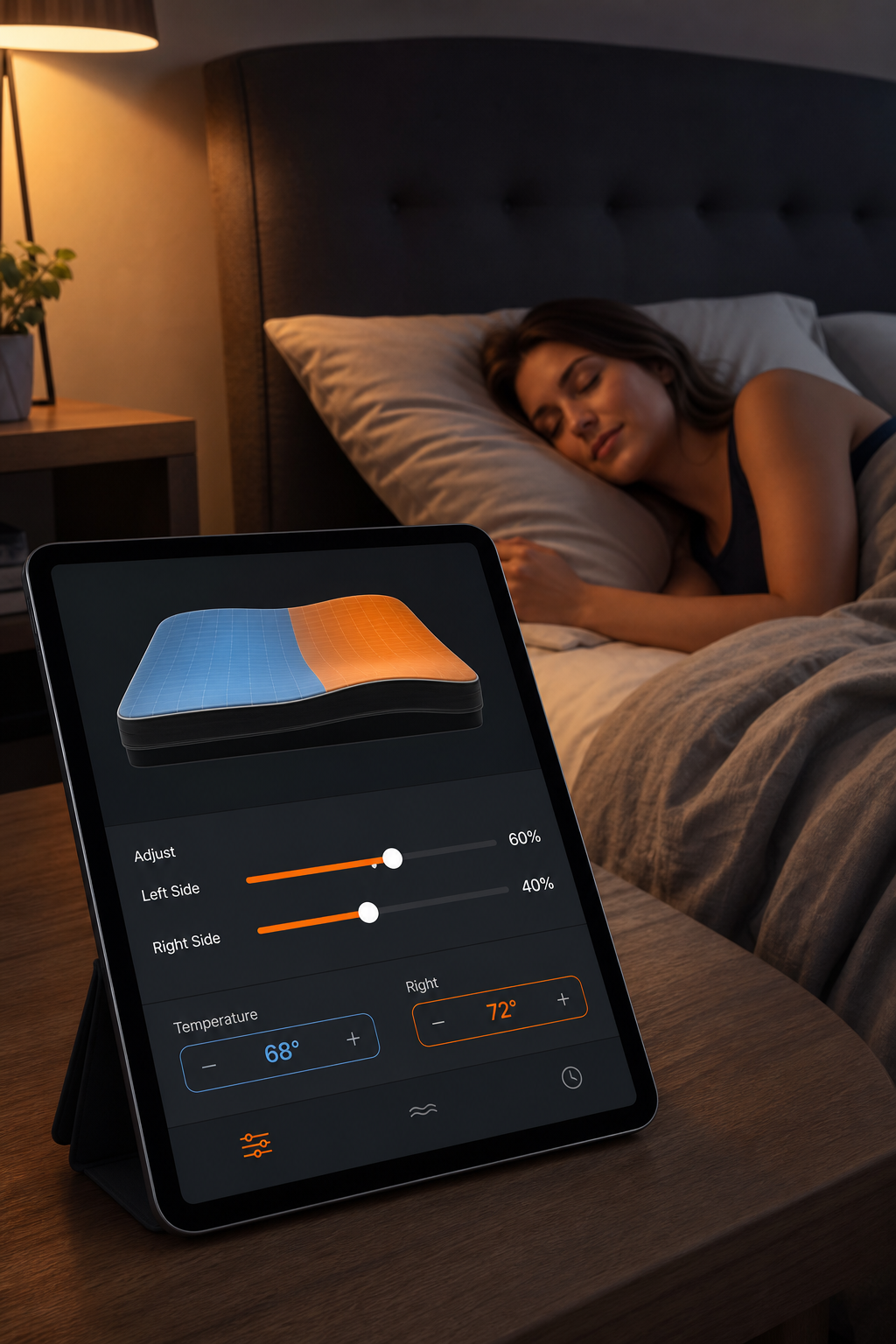
Temperature control works through either water‑circulation loops or silent micro‑fans. The system monitors skin temperature and ambient room heat, then nudges the mattress warmer or cooler to stay within a comfort window you set in the app.
Connectivity varies. Some beds use Bluetooth for local control, while premium models add Wi‑Fi and integrate with Alexa or Google Assistant. That lets you say, “Make my right side cooler,” and the bed obeys.
All of these pieces sit behind a robust firmware layer that includes an AI component. The firmware handles sensor calibration, error checking, and over‑the‑air updates, ensuring the bed stays current without you opening a toolbox.
Benefits of Smart Beds for Better Sleep
When a bed can react to your body, the quality of rest improves in measurable ways. A peer‑reviewed study showed that a mattress with pressure‑sensing and auto‑adjustment reduced night‑time awakenings by 22% compared with a standard foam mattress.
First, the bed can keep your spine aligned. As you turn, the system raises or lowers support zones, preventing the hips from sinking too far and easing back‑pain for many sleepers.
Second, temperature regulation helps maintain the 60‑°F sweet spot that research says promotes deeper REM cycles. By cooling the side you’re on while warming the other, the bed prevents the overheating that often triggers restless tossing.
Third, the sleep‑tracking data gives you insight you can act on. If the app flags frequent snoring, you might try a slight head‑elevation the next night, and the bed can raise that side automatically.
These benefits matter most for people with chronic issues. A clinical trial on patients with insomnia found that continuous use of a smart mattress lowered insomnia severity scores after four weeks, showing that technology can be a therapeutic aid, not just a gimmick.
However, the tech isn’t a magic cure. If you have a sleep‑disorder rooted in anxiety or medication, the bed’s adjustments will only help a little. Pairing the mattress with good sleep hygiene still tops the list of effective strategies.
Choosing the Right Smart Bed: Features to Consider
Picking a smart bed feels like shopping for a car, you need to know which specs matter to you. Below are the main buckets to compare.
- Adjustment type: Some beds shift firmness only; others move head‑or‑leg sections, or both. If you share a bed, dual‑zone control lets each partner set their own comfort.
- Temperature tech: Look for active heating/cooling (fans or water loops) rather than passive “cooling gel.” Active systems can change temperature by up to 10 °F in minutes.
- Sensor resolution: High‑resolution pressure maps (thousands of points) produce smoother auto‑adjustments. Lower‑res grids may feel jittery.
- App experience: A clean UI matters. Some apps overwhelm you with charts; others give a simple “good night” button.
- Smart‑home integration: If you already use Alexa, a bed that talks to it saves you a separate remote.
Budget also plays a role. Entry‑level models often stop at sleep tracking and manual firmness tweaks. Mid‑range units add basic temperature control, while luxury lines bundle AI‑driven auto‑adjust, dual‑zone climate, and premium materials.
If you and your partner have different sleep preferences, the Top 5 Smart Beds for Couples in 2026 guide walks through which models let each side be set independently.
Finally, check the warranty and support policy. A 10‑year parts warranty is common for high‑end beds, but firmware updates may only be guaranteed for a few years. Make sure the brand offers easy software upgrades.
FAQ
Do smart beds really improve sleep quality?
Yes, they can. Studies show that auto‑adjusting pressure and climate control reduce night‑time awakenings and improve sleep‑stage distribution for many users.
Can I use a smart bed without Wi‑Fi?
Most models need at least a Bluetooth connection for the app, but many still work offline for basic firmness and temperature settings.
Are smart beds safe for people with medical devices?
Generally, they are. The electronics are low‑voltage and isolated from the mattress surface, but you should verify compatibility if you have a pacemaker or similar device.
How long does setup take?
Setup usually takes 30‑45 minutes: unpack, place the mattress on its base, connect power, and pair the app. Some premium brands offer white‑glove delivery that handles everything for you.
Do smart beds work with existing adjustable bases?
Only if the base supports the required communication protocol. Most smart beds come with their own base to guarantee full feature access.
Conclusion
If you want a bed that learns your habits and reacts in real time, start with a model that offers both pressure‑mapping sensors and active temperature control. Check SmartBeds.net for the top pick and then compare features against the checklist above. Once you’ve narrowed the field, schedule a trial, many brands let you test for a night or two, so you can feel the difference before you commit.