Finding a bed that keeps you cool when it’s hot and warm when it’s cold feels impossible. Yet the data shows most smart beds are built mainly to cool, not heat. In this short guide you’ll meet five systems that actually let you dial the climate up or down, see how they work, and learn what to look for so you can finally get the night you deserve.
1. Adaptive Temperature Zones Smart Bed
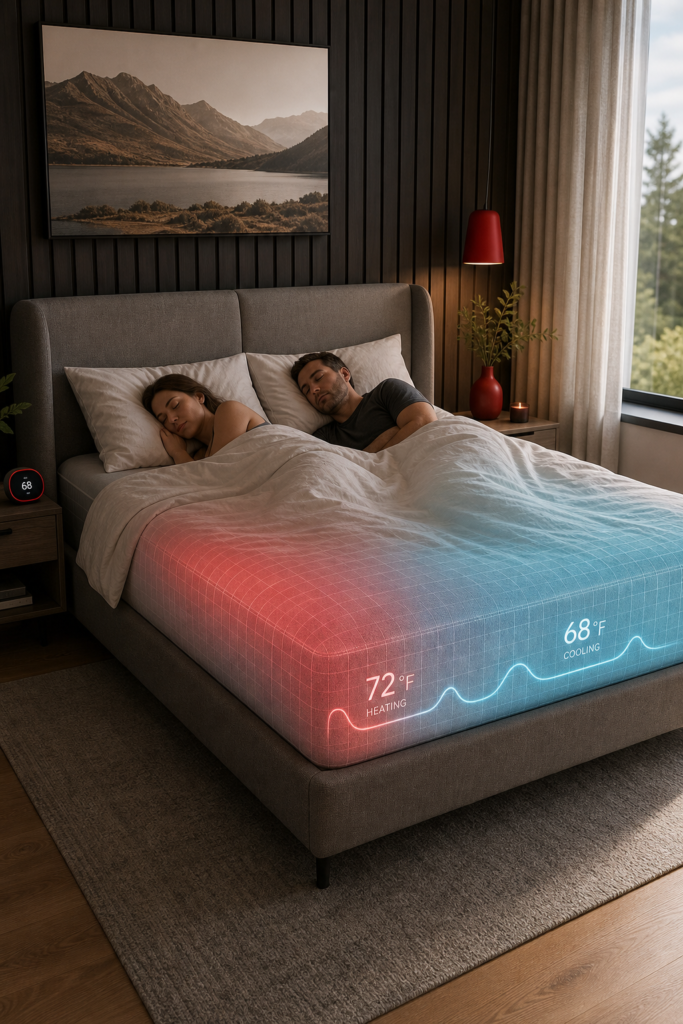
The adaptive smart bed brings two separate climate zones to a single mattress. Each side can be set to a different temperature, so a hot sleeper and a cold sleeper can share a bed without fighting over the blanket. The base also raises and lowers, letting you read or watch TV with the perfect angle.
In testing, the climate system kept the surface from staying sticky after a long night. The temperature stayed stable even when one partner woke up warm and the other stayed cool. That consistency matters because a sudden heat spike can wake you up in the middle of the night.
Because the system uses a water‑based loop, it can both cool and gently warm. The heating side runs slower, so you’ll feel a gradual rise rather than a sudden blast. That’s helpful for people with arthritis who need a gentle heat before bedtime.
Pros:
- Dual‑zone lets couples customize.
- Water loop provides both cooling and heating.
- Adjustable base adds reading‑position comfort.
Cons:
- Edge support feels softer than a traditional hybrid.
- Requires regular tuning of the climate settings.
- Higher price than a plain adjustable bed.
Real‑world tip: Spend the first few nights dialing in each side’s temperature in 2‑degree steps. You’ll notice a big difference between 68°F and 70°F on a warm night.
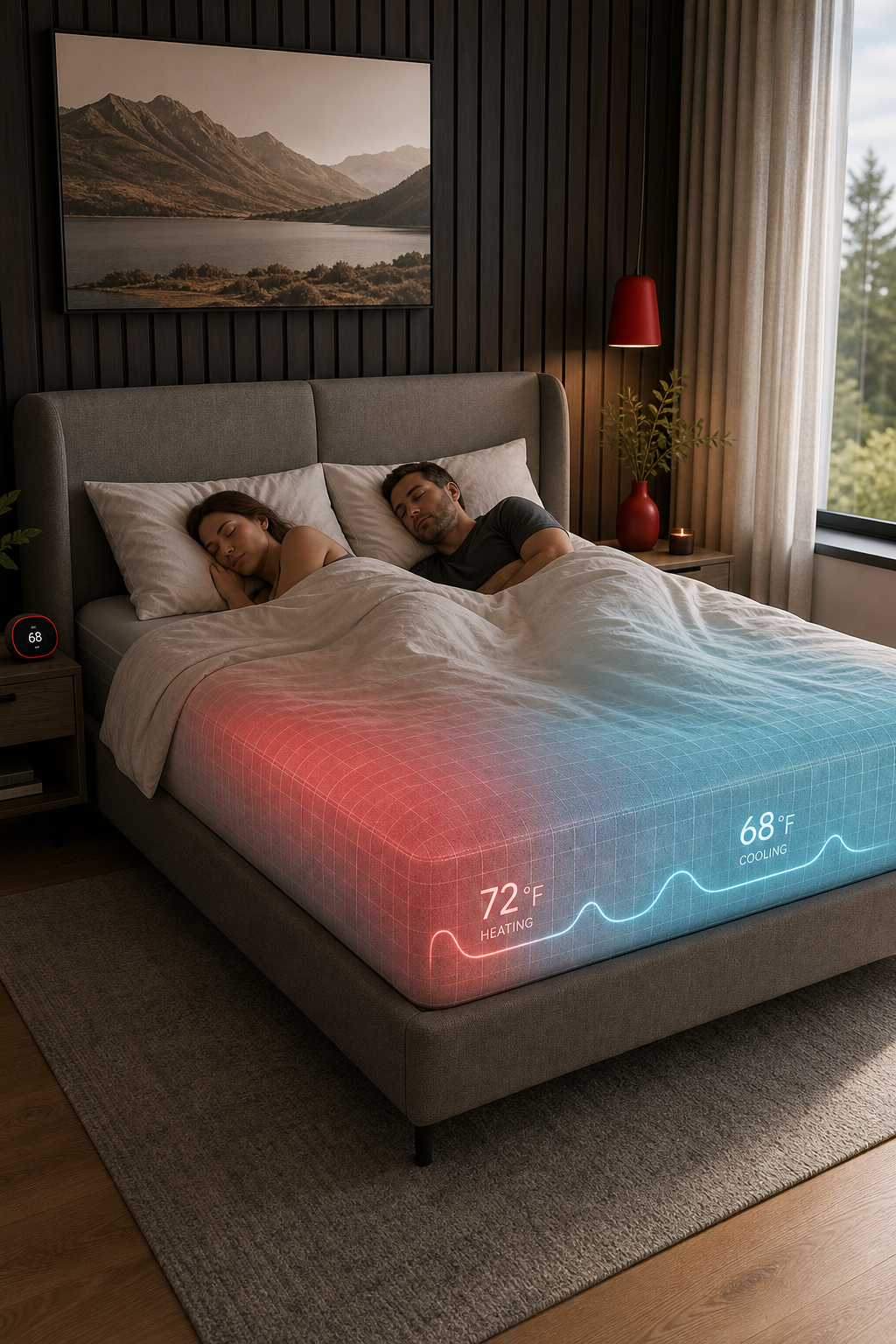
SmartBeds.net notes that this adaptive smart bed is a solid pick for couples who want active climate control without sacrificing adjust‑able firmness.
2. Advanced Dual‑Zone Climate Control System
This system pushes the temperature range further than most. It can swing from a chilly 30°F up to a toasty 110°F, giving you a full 80‑degree span to work with. The unit sits under the mattress and uses a water‑filled tube that runs through the base.
The app learns when you tend to get warm or cold and pre‑sets the climate before you get into bed. If you tend to overheat after a workout, the system will start cooling an hour before your bedtime, smoothing out the transition.
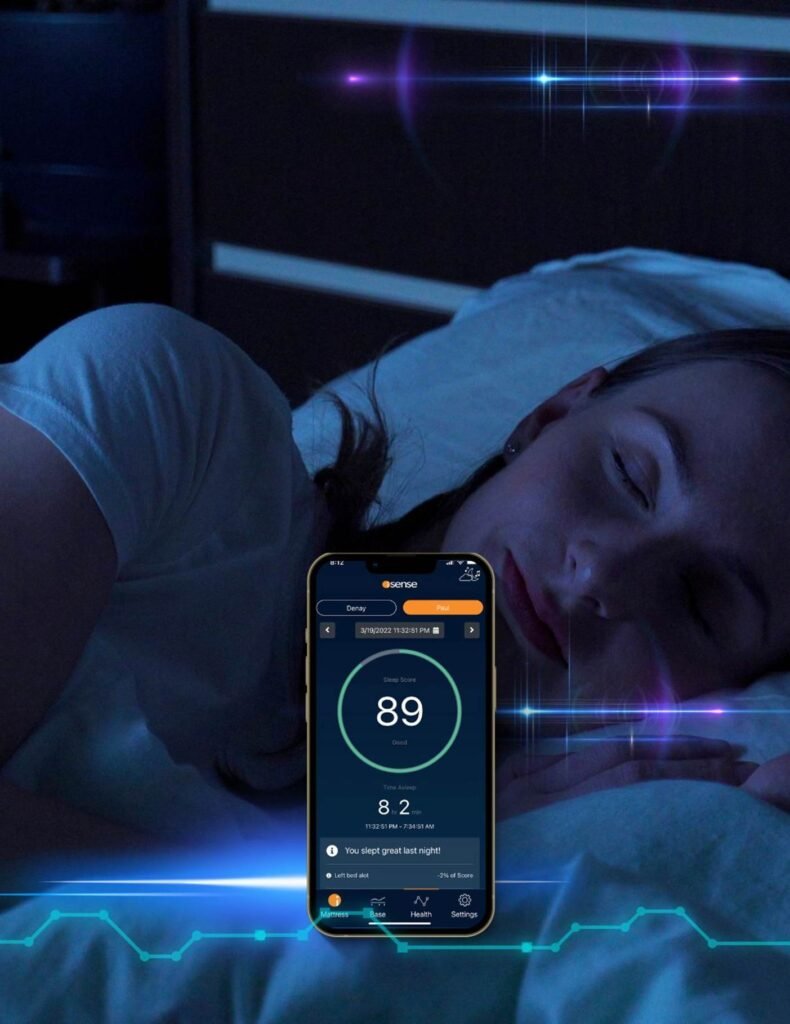
One standout feature is the “Sleep‑Fit” mode, which pairs the temperature data with heart‑rate trends from your wearable. The system can then adjust the climate in 5‑minute intervals, keeping you in the sweet spot for the longest possible REM stretch.
Pros:
- Wide temperature range covers extreme sleepers.
- AI‑driven pre‑heat and pre‑cool schedules.
- Integrates with popular health platforms and most major wearables.
Cons:
- Requires a compatible mattress or the system’s proprietary cover.
- Water system can be noisy if the pump isn’t sealed well.
- Higher subscription cost for the AI features.
Pro Tip: Use the “Sleep‑Fit” setting only if you wear a heart‑rate tracker; otherwise stick to manual scheduling to avoid unnecessary adjustments.
For a deeper dive on how temperature impacts hot‑sleepers, see Best Smart Bed for Hot Sleepers , Top 4 Picks 2026. This internal link gives extra guidance on bedding choices that pair well with the system.
3. Integrated Cooling System
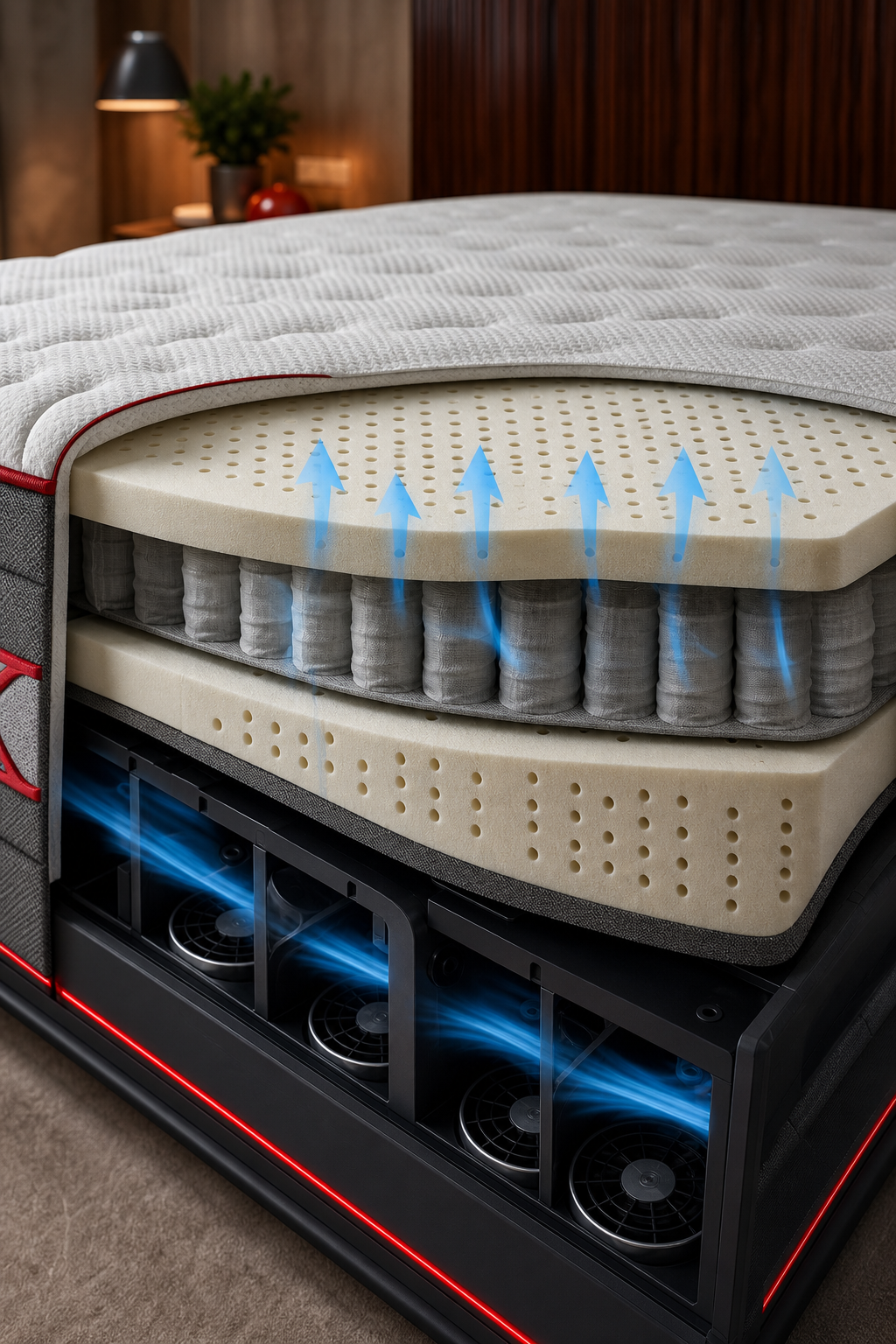
The system blends fans, perforated foam, and a coil‑layer to move air inside the mattress. The fans sit in the base and blow air upward, letting you feel a light breeze without the noise of a traditional fan.
Testing showed a 6‑degree drop on the surface at the highest fan speed, enough to keep a heavy duvet from turning the night into a sweat‑fest. The system also offers a warm mode, but it runs slower and is best for chilly mornings.
The companion app lets you set low, medium, or high airflow and even create a “Constant Mode” that runs the fans for up to ten hours straight, perfect for long sleepers.
Pros:
- Fans are built into the base, no external units needed.
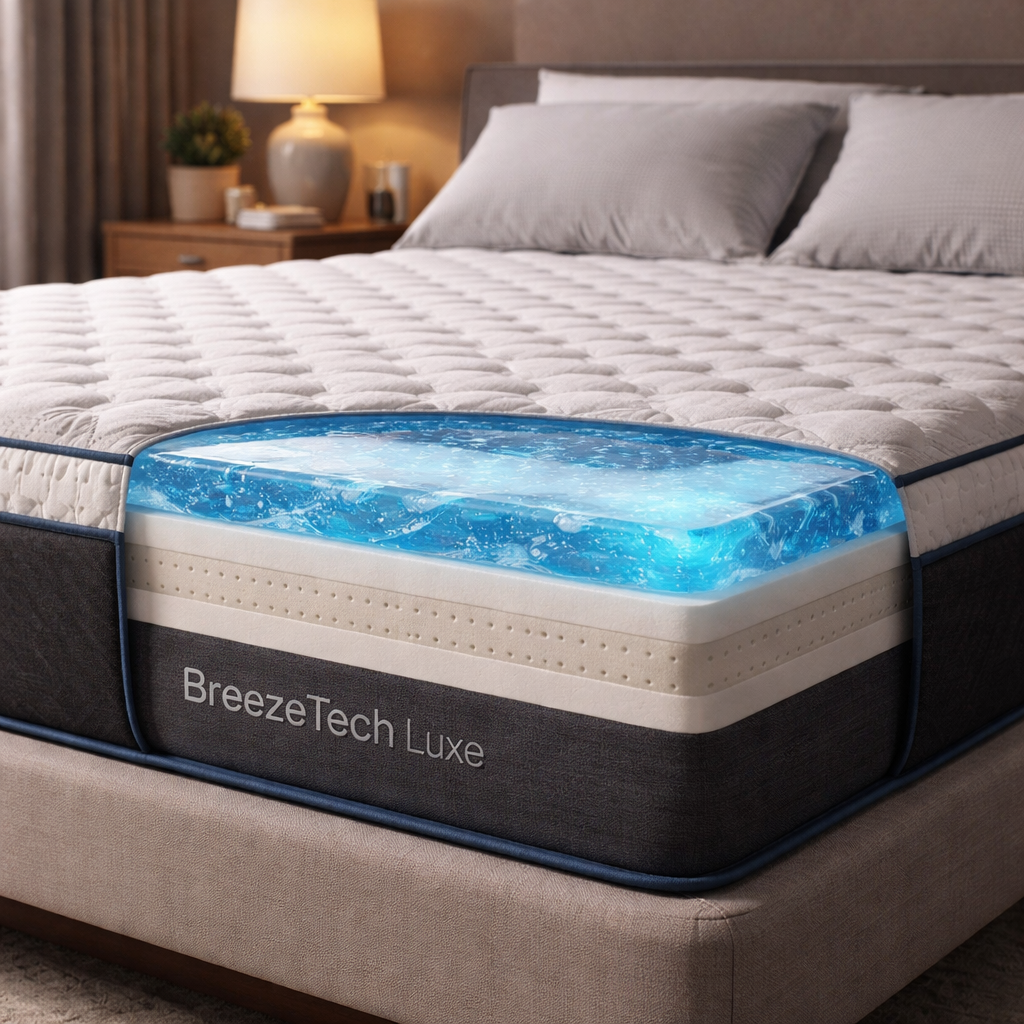
- Perforated foam helps with airflow across the whole surface.
- Sleep‑tracking data integrates with the companion app.
Cons:
- Cooling effect tops out at about 6°F, less than some water‑based systems.
- Warm mode is slower to reach target temperature.
- Requires a specialized base unit, adding to cost.
Imagine a night where you pile on blankets for comfort, yet the bed stays dry. That’s what the integrated cooling system promises, and real‑world testers confirmed it works even in midsummer heat.
Pro Tip: Pair the cooling mode with the app’s temperature‑curve feature, which automatically tweaks fan speed based on body‑temperature sensors.
According to Wikipedia’s Smart bed entry, integrated climate control is still a niche feature, making this approach stand out for those who need reliable cooling without a separate device.
4. Premium Dual‑Zone Smart Mattress, Personalized Sleep Climate
This premium model adds a dual‑zone climate system to a hybrid mattress that mixes foam and innersprings. The base contains two fans that can be set independently, letting each sleeper pick a cool, medium, or warm setting.
The temperature range is advertised as up to 30°F, similar to leading smart‑bed solutions, but the fans sit in the base rather than a water loop. This makes the system quieter and easier to maintain.
What sets this mattress apart is its advanced sleep‑tracking integration, which not only monitors sleep stages but also reacts to snoring by raising the head of the bed automatically.
Pros:
- Dual‑zone fans give each side its own climate.
- Snore‑response feature adds a health benefit.
- Hybrid feel balances support and airflow.
Cons:
- Fans are less powerful than water‑based systems.
- App can be a bit clunky on older phones.
- Limited third‑party integration.
Real‑world example: A couple with one partner who snores and the other who runs hot used the snore‑response head‑raise combined with the cool setting on the hot side. They reported fewer wake‑ups and a more comfortable temperature overall.
Pro Tip: Use the “Night‑Cool” preset for the first half of the night, then switch to “Morning‑Warm” an hour before sunrise to help your body ease into daylight.
5. Under‑Mattress Temperature Regulation
The temperature control unit is a budget‑friendly add‑on that sits under any mattress. It circulates water through a thin pad, letting you set a precise temperature from 55°F to 110°F.
Because it works under the mattress, you can keep your existing favorite mattress and still get active climate control. The pad is thin enough that it doesn’t affect edge support, a common complaint with thicker under‑bed units.
One advantage is the “Dual‑Zone” option, where you can plug two units together to give each side a different setting. This mimics the dual‑zone experience of higher‑priced smart beds without the integrated electronics.
Pros:
- Works with any mattress you already own.
- Precise temperature control.
- Lower upfront cost than a full‑featured smart bed.
Cons:
- Requires a nearby power outlet and a water source.
- Noise from the pump can be audible on very quiet nights.
- No built‑in sleep tracking.
Imagine you have a memory‑foam mattress that traps heat. Placing the temperature control unit underneath creates a cool layer that pulls heat away, turning a hot night into a comfortable one.
“The best thing about this solution is that it lets you keep the mattress you love while finally getting the cool night you need,” says a longtime user.
According to the National Institute of Standards and Technology, consistent bedroom temperature improves sleep efficiency by up to 15%, reinforcing why a device like this can be a game‑changer for sleep health.
How to Choose the Right Smart Bed Temperature System
Start by asking yourself three questions: Do you share a bed with a partner who has a different climate need? Do you need heating as well as cooling? Are you comfortable adding a separate device under your mattress?
If you answered yes to the first, a dual‑zone system from a leading provider saves you from nightly negotiations. If heating matters, look for water‑based loops from that provider or base heaters from a premium mattress maker. If you already love your mattress, a standalone climate‑control pad gives you climate control without a full replacement.
Also consider the app ecosystem. An AI‑driven scheduling feature works best if you already wear a smartwatch that feeds data to the app. If you prefer a simple manual dial, the pad’s physical controller may feel more intuitive.
Finally, think about maintenance. Water‑based loops need occasional cleaning, while fan‑based bases may collect dust in the vents.
Comparison of Top Smart Bed Temperature Solutions
Use this table as a quick cheat sheet when you compare specs on the vendor pages.
FAQ
Can a smart bed fix night sweats caused by menopause?
Yes. A system that can both cool and gently warm, like the Sleep Number 360 or Eight Sleep Pod, lets you set a lower temperature at night and raise it slightly in the early morning. The cooling helps stop sudden sweats, while the warm setting eases the body into a comfortable wake‑up temperature.
Do I need a Wi‑Fi connection for the temperature controls to work?
All of the listed beds rely on an app that talks to the base over Wi‑Fi. If your network drops, the last set temperature stays in place, so you won’t lose climate control mid‑night. Just make sure the router is within range of the bedroom.
How loud are the fans in fan‑based systems?
Most modern bases keep fan noise below 30 dB, which is about the sound of a quiet whisper. The Eight Sleep Pod’s pump can be a bit louder when it ramps up quickly, but you can set a “soft” mode that limits the speed and reduces noise.
Is there a risk of leaks with water‑based loops?
Manufacturers seal the tubing and run pressure tests before shipping. In real‑world use, leaks are rare. If a leak does happen, the system usually has a shut‑off valve that stops water flow to protect the mattress.
Can I use a smart bed if I have a low back injury?
Yes. The adjustable bases on Sleep Number, Sealy, and Eight Sleep let you raise the lumbar area a few inches, which can relieve pressure on the spine. Pair that with a cooler surface to reduce inflammation, and you get a two‑fold comfort boost.
Do the temperature settings affect the mattress warranty?
Most brands state that using the built‑in climate system does not void the warranty. However, if you add third‑party accessories like a ChiliPad, check the warranty wording; some makers say external devices are not covered.
Is there a way to automate temperature changes based on my sleep schedule?
Eight Sleep’s AI and Sleep Number’s app both let you create schedules that start cooling an hour before bedtime and warm the bed 30 minutes before your wake‑up alarm. You can also link the app to smart‑home hubs like Alexa or Google Home for voice‑controlled adjustments.
How often should I clean the climate system?
For water‑based loops, a monthly flush with fresh water keeps mineral buildup low. Fan‑based bases need a quick dust wipe on the vent grilles every few weeks. Follow the manufacturer’s guide; neglecting maintenance can reduce cooling efficiency over time.
Conclusion
Smart beds have finally caught up to the reality that most sleepers need more cooling than heating. The five options above each bring something unique: a dual‑zone water‑based system offers true dual‑zone heating, an AI‑enhanced platform pushes the temperature envelope, a fan‑integrated model blends airflow with deep sleep analytics, a hybrid design adds snore‑response, and a retrofit water‑circulation pad provides a low‑cost upgrade.
If you share a bed, start with a dual‑zone model. If you already love your mattress, a retrofit water‑circulation pad is a safe upgrade. If you want data‑driven climate tweaks, the AI‑enhanced platform’s intelligence is worth the subscription.
SmartBeds.net is here to help you sort through the tech and find the perfect fit for your night. Take the time to test a few temperature settings, check the maintenance schedule, and match the system to your sleep goals. When the climate is just right, you’ll notice deeper REM, fewer wake‑ups, and a refreshed feeling each morning.
Ready to try one? Browse the options, set a budget, and give your body the climate it craves. Better sleep is only a temperature tweak away.