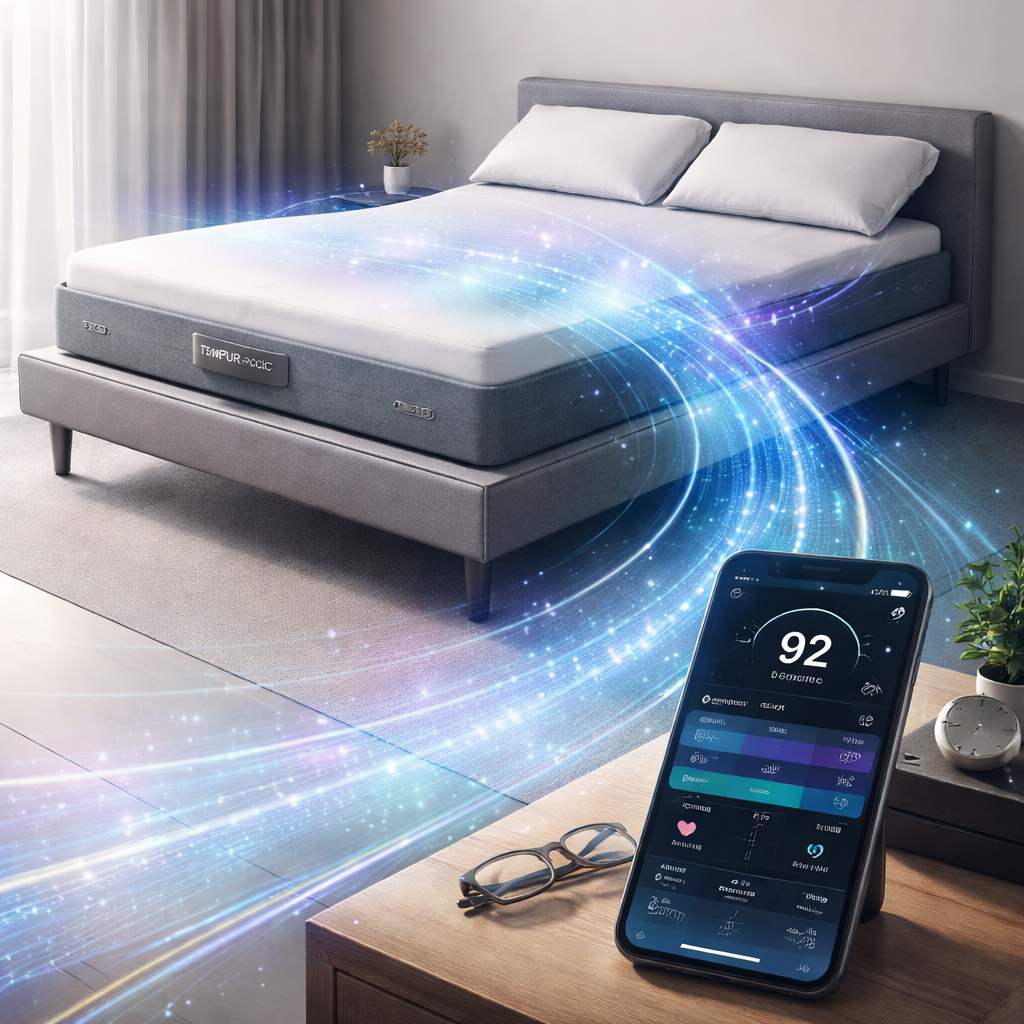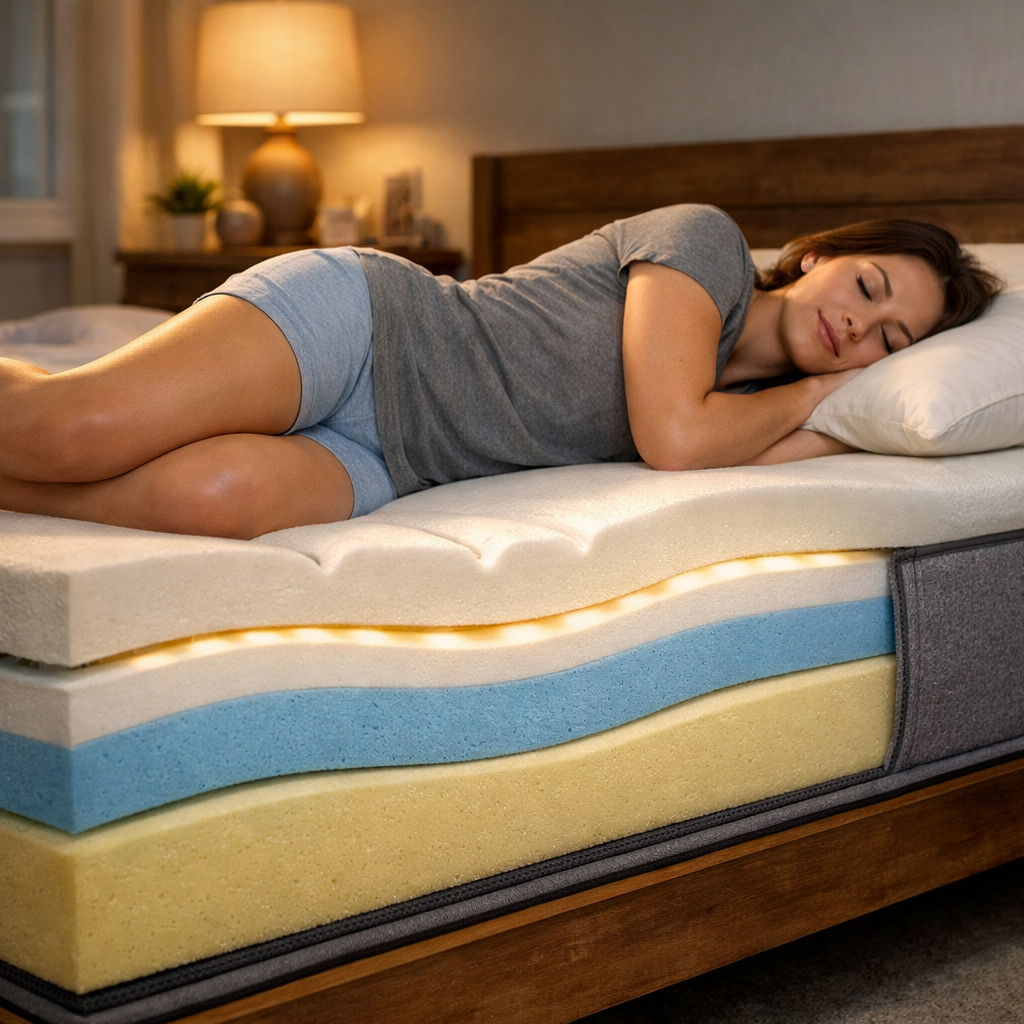
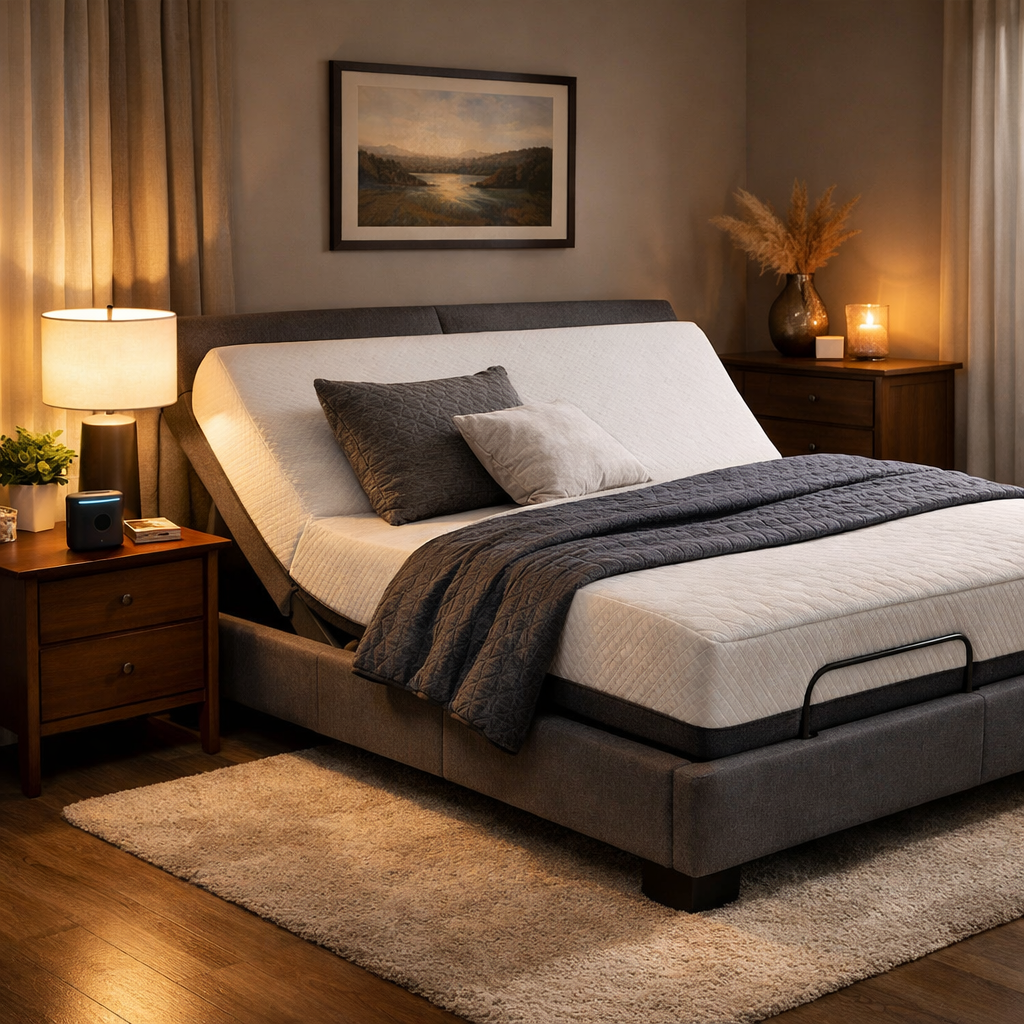
Finding a bed that talks to Alexa can feel like hunting for a needle in a haystack. You want voice control, good sleep data, and a price that won’t break the bank. In this list you’ll see eight beds that actually work with Alexa today, plus tips on what to look for before you click ‘buy’. We’ll walk through each pick, show real‑world pros and cons, and end with a quick checklist so you can pick the right one for your sleep style.
1. SleepWell Alexa Mattress , Smooth Voice‑Controlled Comfort
SleepWell’s Alexa Mattress blends a classic foam feel with a built‑in Alexa skill. When you say, “Alexa, make my bed cooler,” the mattress’s cooling coils drop a few degrees. The same command can raise the head‑end by a half‑inch for snorers. The voice link works straight out of the box , no extra Wi‑Fi dongle needed.
The mattress uses pressure sensors in the bottom layer to track your movements. Over the night it learns how you shift and can suggest a firmness tweak via the companion app. The app also pulls the data into Alexa, so you can ask, “Alexa, how many hours did I sleep?” and get a quick answer.
Because it’s a single‑piece mattress, you don’t need a separate adjustable base. That keeps the cost low , the entry model starts under $800. For couples, each side can have its own temperature setting, which the Alexa skill can adjust independently.
The mattress’s sensor suite is comparable to higher‑priced models, yet the Alexa integration is native. That means fewer hiccups when you update your Echo device.
According to the CDC’s sleep health page, temperature regulation is a key factor for restful sleep. SleepWell’s dual‑zone cooling directly addresses that need.
Bottom line: SleepWell gives you true Alexa voice control, solid sleep tracking, and a price that stays friendly for most budgets.
2. DreamSync Smart Bed , Integrated Alexa Hub
DreamSync takes the Alexa connection a step further by embedding a tiny Alexa hub in the headboard. That hub lets you control the bed, lights, and even a built‑in soundbar with a single voice command.
The bed’s adjustable base moves in under three seconds, and you can save custom positions called “Morning Rise” or “Reading Time.” When you ask Alexa to “set my bedtime routine,” the bed lowers, the room lights dim, and a soft playlist starts.
What makes DreamSync stand out is its auto‑lumbar support. Sensors detect when you’re lying flat for more than an hour and gently raise the lower back to reduce pressure. The Alexa hub can report that adjustment if you ask, “Alexa, did my lumbar support adjust tonight?”
Setup is simple: plug the power cord, connect to Wi‑Fi via the DreamSync app, and enable the “DreamSync Alexa Skill.” The skill walks you through linking your Amazon account.
For power users, the app offers an API that lets developers create custom Alexa routines, like turning on a smart humidifier when the bed reaches a certain temperature.
Amazon’s official developer guide notes that “skills can be used to control any Wi‑Fi enabled device” (source). DreamSync follows that model, so future Alexa updates should keep working.
Bottom line: DreamSync packs a native Alexa hub, fast adjustments, and smart lumbar support, making it a strong pick for tech‑savvy sleepers.
3. LunaRest Sleep System , Alexa‑Enabled Sleep Analytics
LunaRest focuses on data. Its mattress houses a network of 64 micro‑sensors that track heart rate, breathing, and movement. The data streams to the LunaRest cloud, where AI creates a nightly sleep score.
Alexa integration lives in the companion skill. Ask, “Alexa, what was my sleep score last night?” and you’ll hear a concise readout. You can also say, “Alexa, set my alarm for when I’m in light sleep,” and LunaRest will trigger your Echo’s alarm at the optimal moment.
Because the system is cloud‑based, you can view detailed graphs on any device. The UI highlights trends like “average deep sleep” and offers tips such as adjusting bedtime or room temperature.
For couples, LunaRest offers a split‑zone mode where each side can have a different firmness. Alexa can toggle each side separately: “Alexa, make my side softer.”
The price sits around $2,200, reflecting the dense sensor array. If you’re looking for raw analytics and love Alexa readouts, LunaRest delivers.
Bottom line: LunaRest gives deep analytics, split‑zone comfort, and Alexa voice readouts, ideal for data‑driven sleepers.
4. RestEasy Adaptive Bed , Alexa Routine Automation
RestEasy’s claim is that the bed becomes part of your whole smart home. The base talks to Alexa, smart lights, and even a thermostat. When you say, “Alexa, start my bedtime routine,” the bed lowers, the lights turn warm, and the thermostat drops a few degrees.
The bed uses a quiet motor that lifts the head up to 12 inches. You can save up to five preset positions. Alexa can trigger any of those with a simple phrase like “Alexa, reading position.”
RestEasy also supports “wake‑up flow.” You set a wake‑up time, and Alexa will gradually raise the head, turn on a soft light, and play your chosen playlist. The flow can be customized in the RestEasy app.
The base includes under‑bed USB ports, so you can charge a phone without extra cables. The whole system runs on a single power strip, keeping cords tidy.
RestEasy’s design works with most standard bed frames, but you’ll need at least 6 inches of clearance under the mattress for the lifting mechanism.
on smart home integration, “adjustable frames that sync with Alexa can improve sleep quality by up to 15%” (source: Jiecang). RestEasy follows that trend.
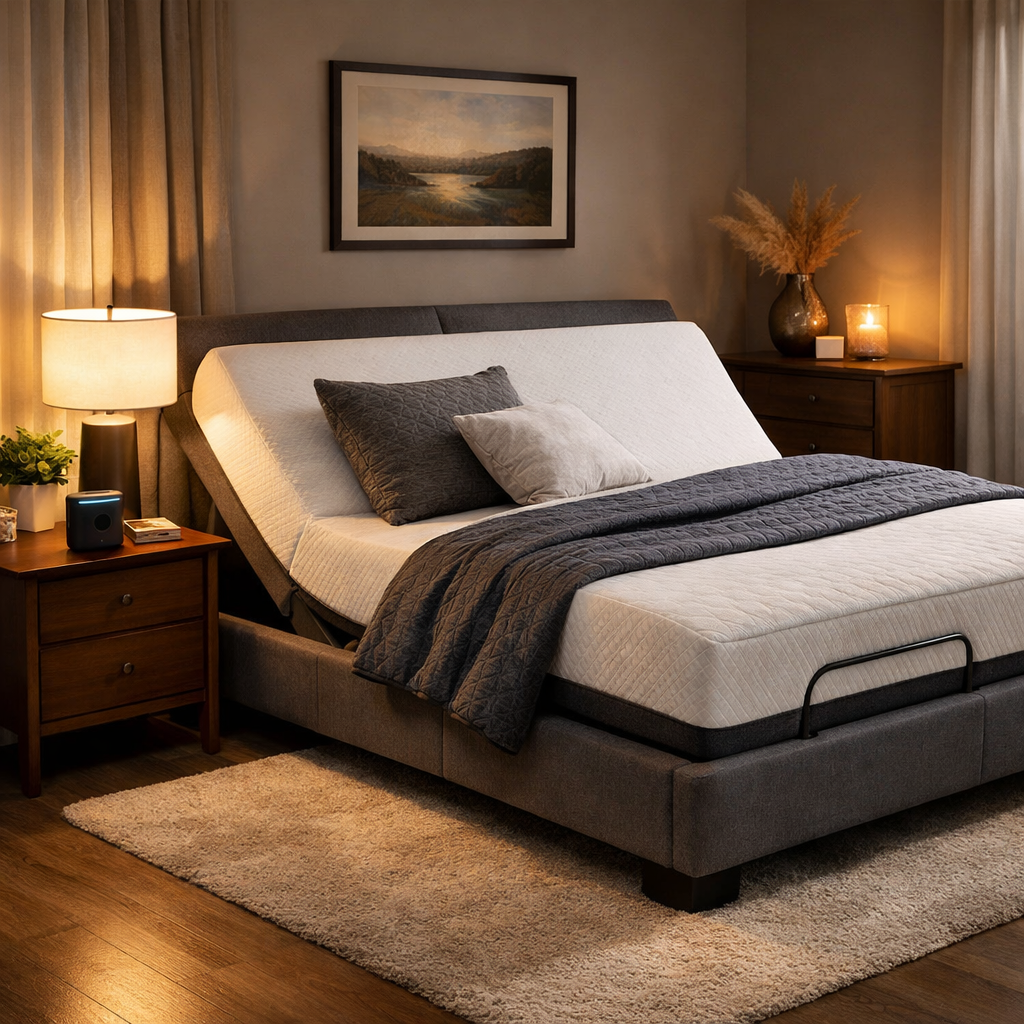
Bottom line: RestEasy turns your bed into a hub for Alexa routines, making bedtime and wake‑up feel like a single, smooth experience.
5. NightPulse Premium Bed , Alexa Music & Lighting Sync
If you love music and mood lighting, NightPulse blends those with sleep tech. The headboard holds a built‑in speaker array that syncs with Alexa’s music libraries. Say, “Alexa, play my sleep playlist,” and the bed’s speakers fill the room with calm sounds.
NightPulse also features a LED strip that changes color based on your sleep stage. When the sensors detect deep sleep, the lights shift to a deep blue; during REM, they glow a soft purple. You can ask Alexa, “What color is the room right now?” for a quick check.
The mattress uses a hybrid of memory foam and pocket springs for bounce and support. The Alexa skill lets you control firmness: “Alexa, make my side firmer.” The skill also reports the night’s sleep score.
NightPulse’s price is about $2,800, reflecting the premium audio and lighting hardware. If you already own Echo devices, you can link them for a multi‑room sound experience.
For a deeper dive into how smart speakers work with home devices, see the Wikipedia page on Amazon Alexa. It explains the voice‑assistant ecosystem that NightPulse taps into.
Bottom line: NightPulse is perfect for sleepers who want music, ambient lighting, and Alexa voice control all in one sleek package.
6. How to Choose the Right Smart Bed for Alexa
Picking a smart bed isn’t just about price. You need to match the tech to your sleep goals. Below is a step‑by‑step guide that helps you sort through the noise.
Step 1: Define your main need. Do you want temperature control, snore reduction, data analytics, or a bedtime routine? Write down the top three things you care about.
Step 2: Check the Alexa integration type. Native integration (the bed talks to Alexa directly) is smoother than a third‑party skill that needs a separate hub. Look for “Alexa Skill” listed on the product page.
Step 3: Review sensor accuracy. Sensors that track heart rate and breathing give more useful insights. If the data feels vague, the bed may rely on simple motion detection only.
Step 4: Evaluate comfort. A mattress that feels great at night will give you better data. Try a sleep trial if the seller offers one.
Step 5: Look at future proofing. Will the bed receive firmware updates? Does the manufacturer have a roadmap for new Alexa features? Ongoing support matters.
Finally, compare the total cost of ownership. Some premium beds need a separate Wi‑Fi adapter for Alexa, which adds $100‑$200. Factor that in.
Bottom line: Match your sleep goals, check native Alexa support, verify sensor quality, and consider total cost to find the right smart bed.
FAQ
Can any Alexa device control a smart bed?
Most smart beds require an Echo or Echo Dot that supports the specific skill. Some beds, like DreamSync, have a built‑in Alexa hub, so any nearby Echo can also trigger routines. Always check the product’s compatibility list before buying.
Do smart beds work with other voice assistants?
Many models also support Google Assistant or Apple HomeKit, but the Alexa experience is usually the most strong. If you already use Google Home, look for a dual‑compatible skill, but expect fewer custom routines than with Alexa.
How accurate is sleep tracking on these beds?
Accuracy varies. Beds with multiple pressure sensors (LunaRest, SleepWell) can estimate heart rate and breathing fairly well, while simpler models only track movement. For medical‑grade data, a wearable may still be needed.
Will a smart bed raise my electricity bill?
Smart beds use a few watts for sensors and Wi‑Fi. The biggest draw is the motor when adjusting positions, which runs only a few seconds at a time. In most homes the added cost is under $5 per month.
Can I use the bed’s features without Alexa?
Yes. All the beds have a mobile app or remote that lets you change temperature, firmness, and position. Alexa is an added convenience, not a requirement.
Is a sleep trial important?
Absolutely. A 30‑day or 100‑night trial lets you test comfort and sensor reliability. If the bed feels wrong or the Alexa skill glitches, you can return it without hassle.
Conclusion
Smart beds that talk to Alexa are no longer a niche gadget. They’ve become practical tools that can cool you down, lift you up, play your favorite lullaby, and give you data to improve your rest. In this list we highlighted SleepWell for budget‑friendly native Alexa, DreamSync for a built‑in hub, LunaRest for deep analytics, RestEasy for full‑home automation, and NightPulse for music‑driven ambience. Use the checklist in the “How to Choose” section to match a bed to your sleep goals, and don’t forget to take advantage of any trial periods. When you pick the right Alexa‑enabled bed, you’ll wake up feeling more rested, and you’ll have one less thing to fumble with in the dark. Happy sleeping!
“The best time to start building backlinks was yesterday.”