Ever bought a mattress that seemed to brag about “AI” and wondered if it really knows how you sleep? You’re not alone. Many of us feel lost in a sea of buzzwords and pricey gadgets.
In this guide we’ll break down exactly how a smart mattress tracks sleep, from the tiny sensors under the surface to the AI that turns raw data into useful tips. You’ll learn what the tech can (and can’t) do, how reliable it is, and what red flags to watch for before you click ‘add to cart’.
What is a Smart Mattress and How Does It Track Sleep?
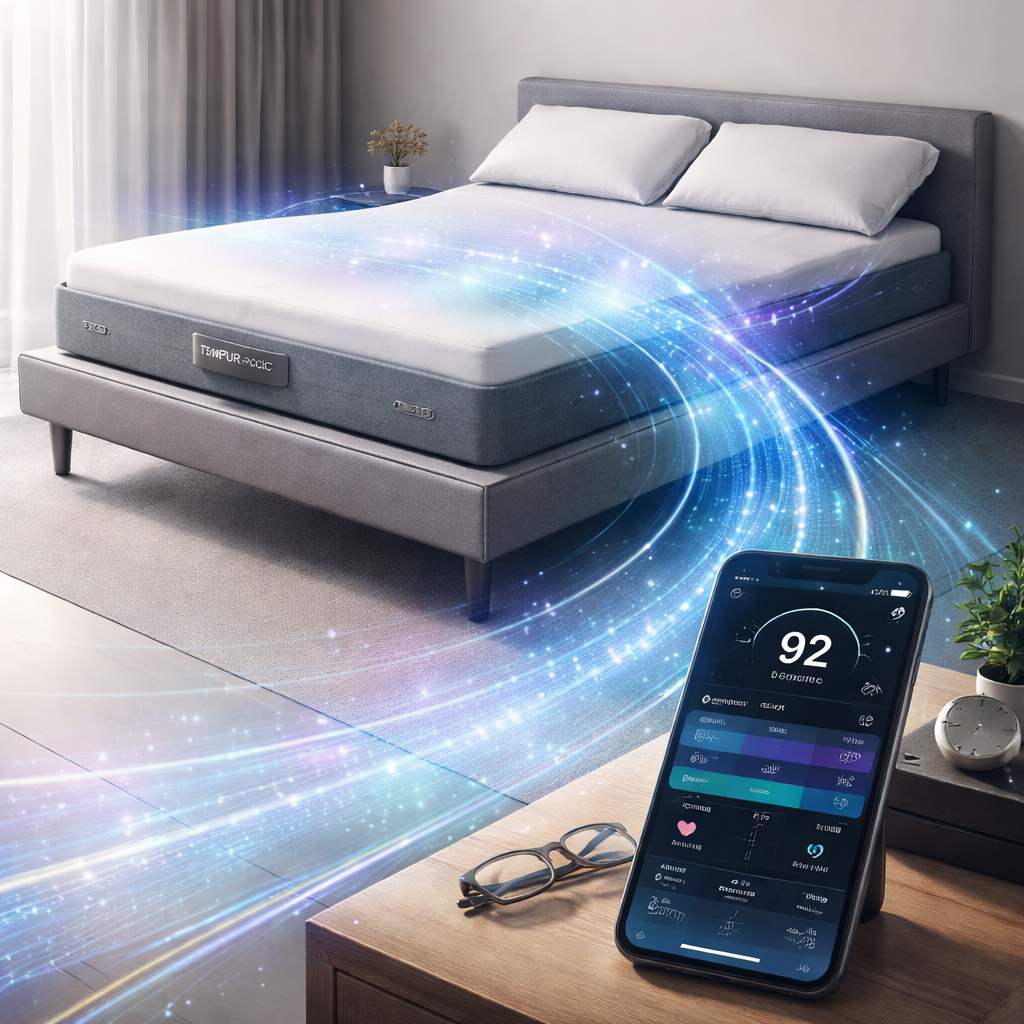
A smart mattress is simply a regular mattress that has extra hardware built right into it. The hardware can sense movement, heart rate, breathing, and even the temperature of the room. All that info is sent to a phone or tablet app, where you get a nightly report.
Most brands market these beds as “AI‑powered sleep coaches,” but the data behind the hype is mixed. A recent market study found that while every product claims at least one sleep metric, only about half actually talk to a companion app. In other words, many beds collect data but never show you anything useful.
When you lie down, the mattress’s sensors start measuring tiny shifts in pressure and vibration. Those signals get turned into numbers like “you moved 32 times” or “your heart beat was 58 bpm”. The app then adds context , maybe it tells you you spent 20 % of the night in REM sleep or that you were hotter than usual in the second half.
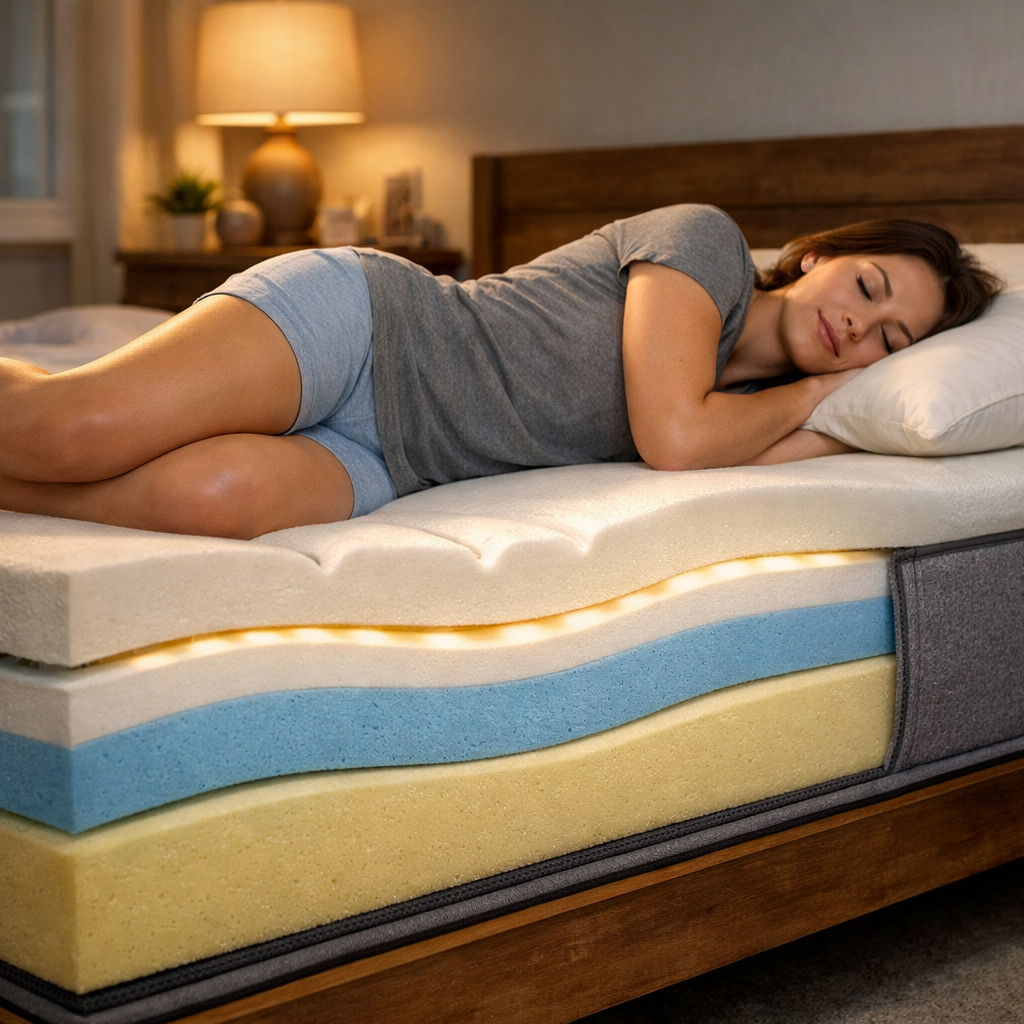
Because the tech sits inside the mattress, you don’t have to wear a wristband or clip a sensor to your chest. That’s a big win for people who find wearables uncomfortable. However, the convenience comes with a trade‑off: the sensors have to work through layers of foam, fabric, and springs, which can affect accuracy.
Smart mattresses also often let you adjust firmness or temperature on the fly. Some models raise the head of the bed if they hear snoring; others cool the surface if they detect you’re overheating.
One thing to keep in mind is privacy. Since the bed talks to Wi‑Fi, it can share data with the cloud. Always read the privacy policy before you sign up.
For a deeper dive into how the tech works, check out How Does a Smart Bed Work? A Calm Guide to Sleep Tech. It walks through the signal flow in plain language.
Bottom line:A smart mattress tracks sleep by embedding sensors that capture movement, heart rate, and temperature, then sends that data to an app for analysis.
Sensors and Technologies Behind Sleep Tracking
The heart of any smart mattress is its sensor suite. Most brands rely on one or more of three main types:
- Accelerometers:Detect movement across the mattress surface. They’re good at spotting toss‑and‑turn patterns.
- Ballistocardiography (BCG) sensors:Measure the subtle vibrations caused by each heartbeat and breath. These give a rough heart‑rate readout without a chest strap.
- Pressure mats or load cells:Map how weight is distributed, which helps the system infer sleep position and sometimes even pressure points.
Some premium models also add temperature probes and ambient light sensors so the bed can adjust its climate or suggest a bedtime routine.
Here’s a quick comparison of the most common sensor combos:
Manufacturers rarely spell out exactly which sensors they use. In a recent review of 11 leading smart mattresses, nine listed at least one sensor, but two omitted any hardware details. That lack of transparency can make it hard to compare models.
While the tech sounds impressive, the real world is messy. A mattress with a BCG sensor might struggle if you have a very soft topper that dampens the tiny vibrations. That’s why some brands pair BCG with an accelerometer to cross‑check data.
For a solid definition of ballistocardiography, see the Wikipedia entry: Ballistocardiography on Wikipedia. It explains how the tiny body movements from each heartbeat can be turned into a usable signal.
Bottom line:Smart mattresses use a mix of accelerometers, BCG sensors, and pressure mats to capture movement, heart rate, and sleep position, with each sensor type bringing its own strengths and limits.
Data Processing: From Raw Signals to Sleep Insights
Collecting data is only half the story. The raw signals from sensors are noisy and need to be cleaned up before they become meaningful.
First, the mattress’s onboard microcontroller filters out high‑frequency noise , things like a partner’s pet jumping on the bed or a door slamming. Next, it converts the analog signals into digital numbers that the companion app can read.
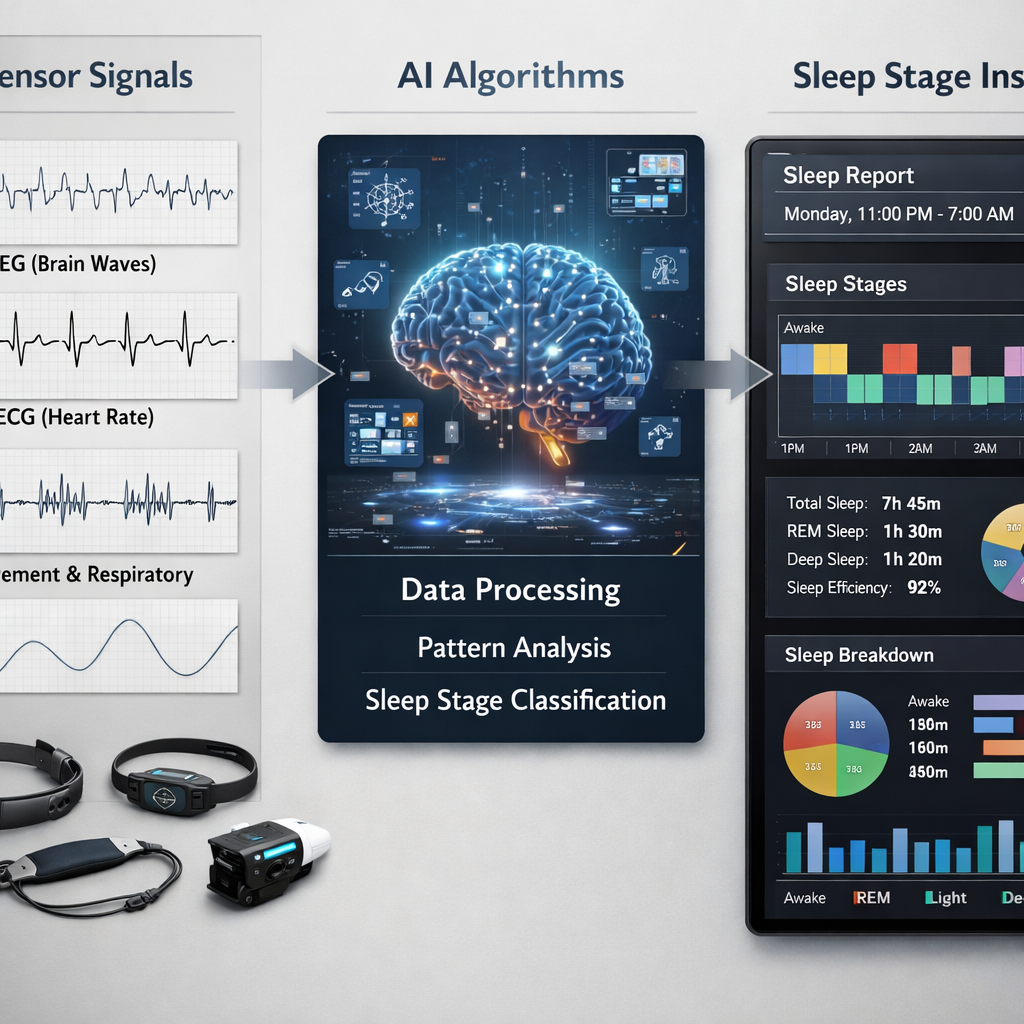
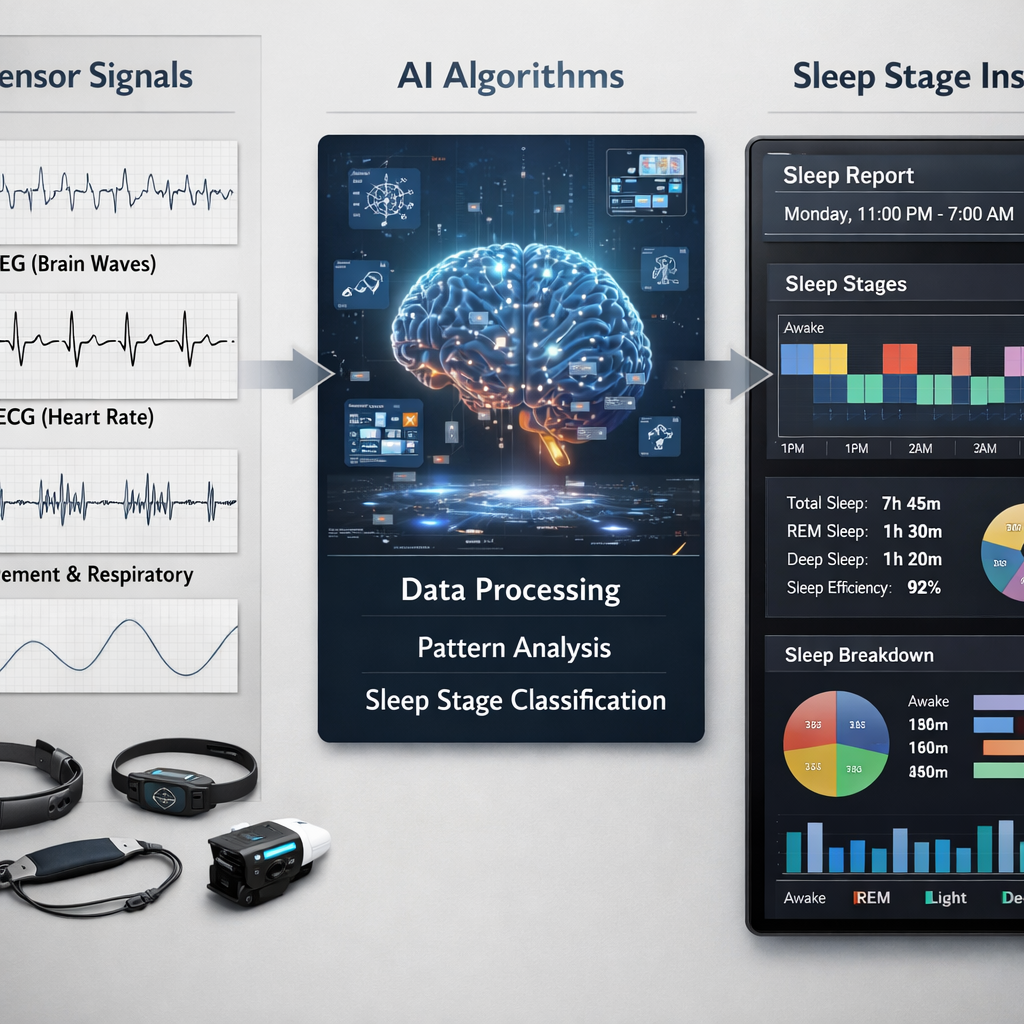
Once the data reaches your phone, the app runs a set of algorithms. Simple rules might count how many times you moved past a certain threshold. More advanced AI models look for patterns over weeks, learning that you tend to sleep hot after 2 AM and automatically cooling the surface.
Many brands advertise “AI‑driven personalization.” In practice, the AI usually does three things:
- Classifies each 30‑second epoch into light, deep, or REM sleep based on movement and heart‑rate variability.
- Detects anomalies such as long periods of stillness that could indicate sleep apnea or snoring.
- Adjusts temperature or firmness in real time, then checks whether the change reduced movement in the next epoch.
Because the mattress can’t measure brain waves, its sleep‑stage guesses are less precise than a clinical polysomnography. Still, they’re good enough to show trends , like “you’ve been getting less deep sleep this month.”
Some systems even feed the data back to a cloud service where researchers can run large‑scale studies. That’s how companies claim to improve algorithms over time.
One study found that small tweaks to skin temperature can cut sleep‑onset latency by about seven percent. The research behind that claim is from Raymann et al., 2008, which you can read on PubMed.
When the AI decides you’re too hot, it may activate a water‑based cooling system or adjust airflow. When it sees you’re tossing a lot, it might firm up the side you’re on to give more support.
Bottom line:Raw sensor data is filtered, digitized, and fed into AI algorithms that estimate sleep stages, spot issues, and fine‑tune comfort settings throughout the night.
Benefits, Accuracy, and Common Pitfalls
Let’s talk about what you actually get out of a smart mattress. The biggest draw is the promise of a more personalized sleep environment.
Temperature controlis the clearest win. If you tend to overheat, the bed can cool the surface just enough to keep you in the optimal range. Users of temperature‑adjusting beds report falling asleep faster and waking up less often.
Pressure‑relief mappingcan help people with chronic pain. By sensing where you put the most weight, the system can raise or lower firmness in those zones, reducing pressure points.
Another perk is the data itself. A nightly sleep score can highlight patterns you might not notice otherwise , like a dip in deep sleep after late‑night caffeine.
But accuracy is a mixed bag. Research shows that heart‑rate readings from mattress sensors are usually within one beat per minute of a medical‑grade chest strap, which is impressive. Sleep‑stage classification, however, often deviates from lab‑based polysomnography by 15‑20 %.
One common pitfall is “orthosomnia” , becoming obsessed with the numbers and stressing yourself out. If you start tweaking settings every night based on a small swing in your sleep score, you might actually harm your rest.
Privacy is another concern. Because the bed talks to Wi‑Fi, it can transmit data to the cloud. Make sure you’re comfortable with how the company stores and uses that data.
Finally, there’s the cost‑benefit equation. For many sleepers, a high‑quality traditional mattress plus a simple cooling topper may give similar comfort improvements for a fraction of the price.
“Smart mattresses can nudge sleep quality, but they’re not a cure‑all for sleep disorders.”
If you have a specific need , say, you’re a hot sleeper or you suffer from chronic back pain , the tech can be worth it. Otherwise, weigh the ongoing subscription fees and potential tech obsolescence.
According to the National Heart, Lung, and Blood Institute, good sleep hygiene (dark room, consistent schedule) still outweighs any gadget in improving overall sleep health.
Bottom line:Smart mattresses offer tangible benefits like temperature control and pressure mapping, but their sleep‑stage accuracy is limited and they can introduce new habits or privacy worries.
FAQ
Can a smart mattress replace a medical sleep study?
No. While the built‑in sensors can flag irregular breathing or frequent awakenings, they lack the complete data (brain waves, eye movements) that a clinical polysomnography provides. Think of the mattress as a screening tool that might prompt you to see a specialist if it detects unusual patterns.
How secure is the data my smart mattress collects?
Data security varies by brand. Most reputable makers use encrypted Wi‑Fi connections and store data on secure servers. Always read the privacy policy and look for terms like “end‑to‑end encryption.” If you’re uncomfortable, you can often disable cloud sync and keep the data locally on your phone.
Do I need a subscription to get the full features?
Many manufacturers lock advanced features, like AI‑driven temperature adjustments, behind a monthly or annual subscription. Basic tracking and manual adjustments are usually free, but the premium auto‑tune functions often require a paid plan after an introductory period.
What kind of maintenance does a smart mattress need?
Besides regular mattress care (rotating, using a breathable protector), you’ll need to keep the firmware updated via the app. If a sensor fails, repairs can be more complex and pricey than with a traditional mattress, so check the warranty terms before buying.
Will the mattress work if my Wi‑Fi is down?
Yes. Most smart beds can still track movement and basic metrics offline. However, you won’t see the data in the app until the connection is restored, and any real‑time adjustments that rely on cloud AI will be paused.
Can the mattress help with snoring?
Some models include a snore‑detect sensor that gently lifts the head of the bed to open the airway. It can reduce snoring volume, but it’s not a substitute for a CPAP machine or professional sleep apnea treatment.
Is the sleep data reliable for long‑term trends?
Yes, the data is most useful when viewed over weeks or months. Even if nightly stage estimates aren’t perfect, patterns like “increasing toss‑and‑turn” or “consistent high heart rate” can guide lifestyle changes.
Do smart mattresses work with other smart home devices?
Many integrate with Alexa or Google Assistant, letting you change settings with voice commands. Some also sync with fitness trackers so you can see sleep data alongside activity metrics.
Conclusion
Smart mattresses blend comfort with technology, turning the bed into a quiet observer of your night. They can cool you down, adjust firmness, and give you a nightly snapshot of movement, heart rate, and sleep stages. The data can be eye‑opening, especially if you have specific issues like overheating or chronic pain.
But the tech isn’t a silver bullet. Accuracy for sleep‑stage scoring lags behind clinical tools, and the added cost , plus potential subscriptions , may not be worth it for everyone. If you’re already struggling with basic sleep hygiene, start there before investing in a high‑tech bed.
At SmartBeds.net we aim to cut through the hype and help you decide if a smart mattress fits your life. Feel free to explore our guides and compare the options that truly match your needs.
Bottom line:A smart mattress can enhance comfort and provide useful sleep insights, but weigh the benefits against cost, accuracy limits, and privacy before you buy.