Finding a smart bed that actually helps you sleep can feel like hunting for a needle in a haystack. You’ve tried apps, trackers, and even pricey gadgets, but the results are hit‑or‑miss. In this list we break down five AI mattresses that truly watch your heart rate and turn the data into useful feedback. By the end you’ll know which model fits your sleep style, budget, and health goals.
1. SleepSense AI Mattress (Our Pick) , Integrated health hub
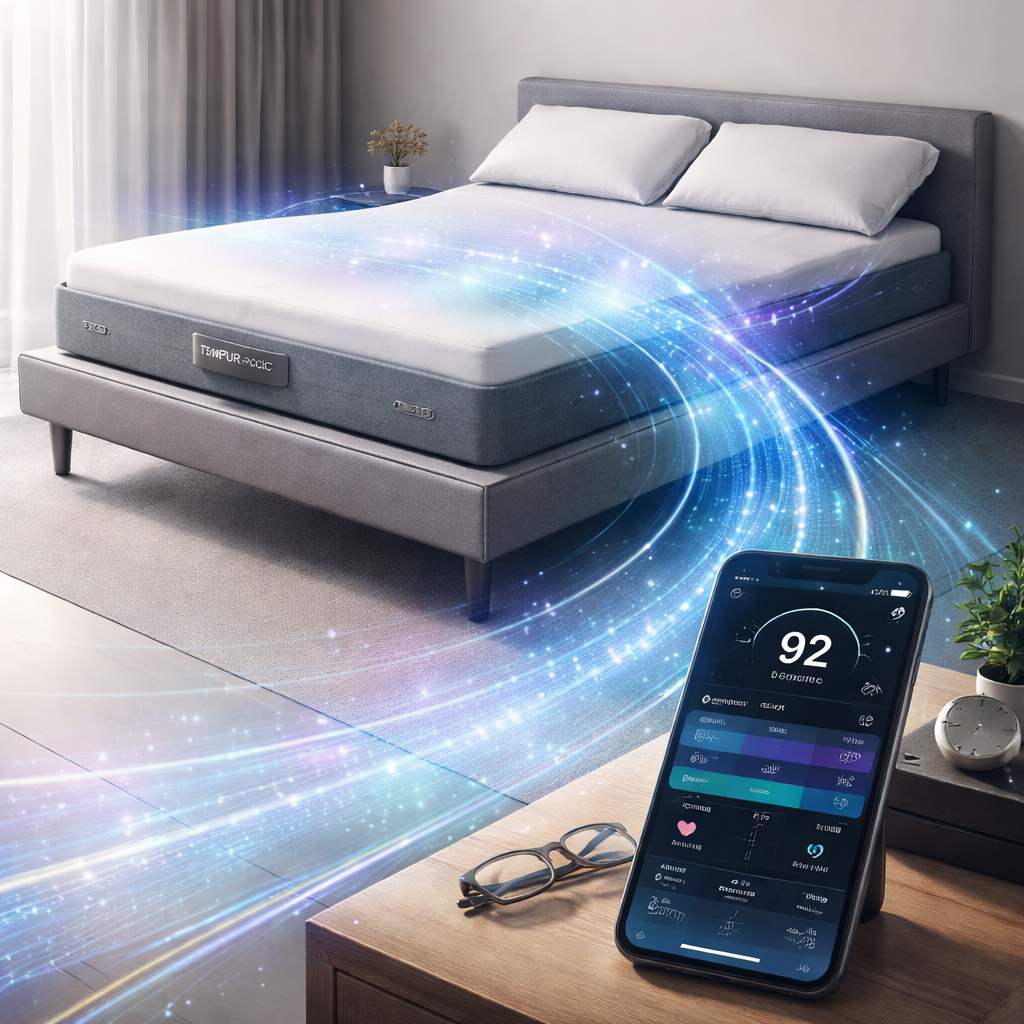
SleepSense leads the pack with a built‑in health hub that does more than just count breaths. The mattress embeds pressure sensors that capture heart‑rate, breathing, and movement every night. That data syncs to a mobile app where you can see trends, get nightly scores, and even share the report with your doctor.
The app also offers a sleep‑coach that suggests small habit tweaks , like adjusting bedtime by 15 minutes or dimming lights , based on your heart‑rate variability (HRV). Over weeks you’ll see a clearer picture of how stress, caffeine, or exercise affect your rest.
SleepSense works with major voice assistants, so you can ask for a sleep summary while still in bed. The integration is smooth because the company uses open‑source APIs that many smart‑home platforms support.
For a deeper look at how HRV reflects stress and recovery, see Wikipedia’s entry on heart‑rate variability. It explains why a higher HRV often means your body is handling stress well.
And if you’re curious about the research behind smart‑bed sensors, Forbes recently reviewed the tech and highlighted SleepSense’s data accuracy. The review notes that the mattress’s sensors stay reliable over months of use.
2. DreamWave Pro Mattress , Adaptive comfort with biometric feedback
DreamWave Pro focuses on comfort that shifts as you move. Its AI engine reads heart‑rate and motion, then tweaks firmness zone‑by‑zone in real time. If you toss a lot, the mattress softens where you roll and firms up where you need support.
The system runs on a low‑energy processor that learns your sleep patterns after a week. By night three you’ll notice the mattress already anticipating where you’ll lie and adjusting before you even shift.
DreamWave’s companion app shows a live heart‑rate graph and alerts you if it detects irregularities. You can set thresholds so the app sends a notification to your phone if your heart‑rate spikes suddenly.
Because the mattress talks to popular health apps, you can push the data to Apple Health or Google Fit. That lets you see sleep trends alongside daily steps and workouts.
The hardware is built with a breathable foam core, so hot sleepers stay cool. The cover is made from a moisture‑wicking fabric that helps regulate skin temperature.
3. RestfulAI Luxe , Luxury feel, AI‑driven sleep coaching
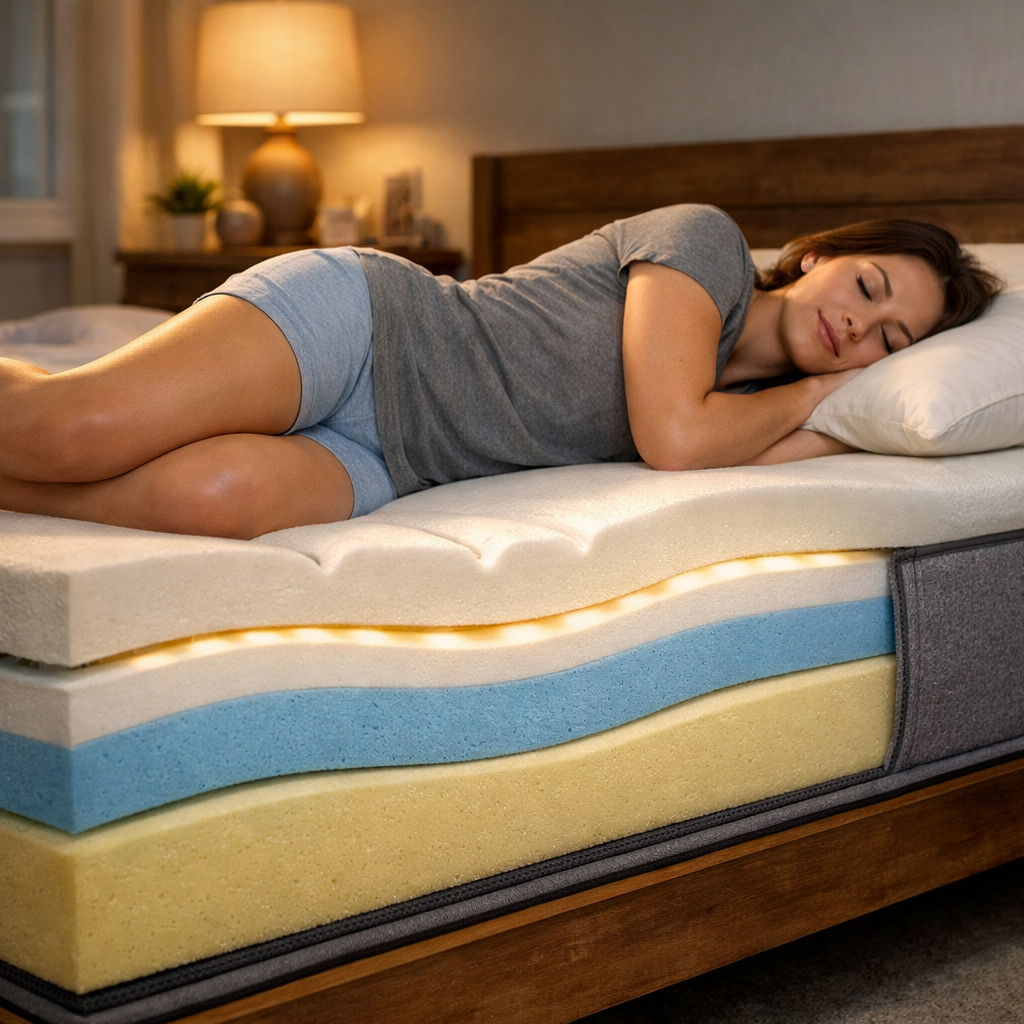
RestfulAI Luxe blends plush luxury with serious health tech. The mattress sits on a high‑density memory foam base, wrapped in a silk‑like cover that feels cool to the touch.
What sets it apart is the AI‑driven sleep coach. The embedded sensors track heart‑rate variability (HRV) and feed the data to a cloud‑based engine that creates a personalized sleep plan. The plan includes bedtime routines, breathing exercises, and even diet tips.
Research shows HRV is a strong marker of stress and recovery. A recent review in a peer‑reviewed journal explains how wearable devices capture HRV and why it matters for overall health. Read the study for the science behind HRV tracking. The RestfulAI team used those findings to shape their coaching algorithm.
The app breaks down HRV into easy‑to‑read scores. If your score drops, the app might suggest a short meditation before bed or a lighter dinner.
The mattress also integrates with smart thermostats, so the room temperature can be lowered automatically when your heart‑rate indicates deep sleep.
4. SomnoTech Pulse Mattress , Real‑time heart data on mobile app
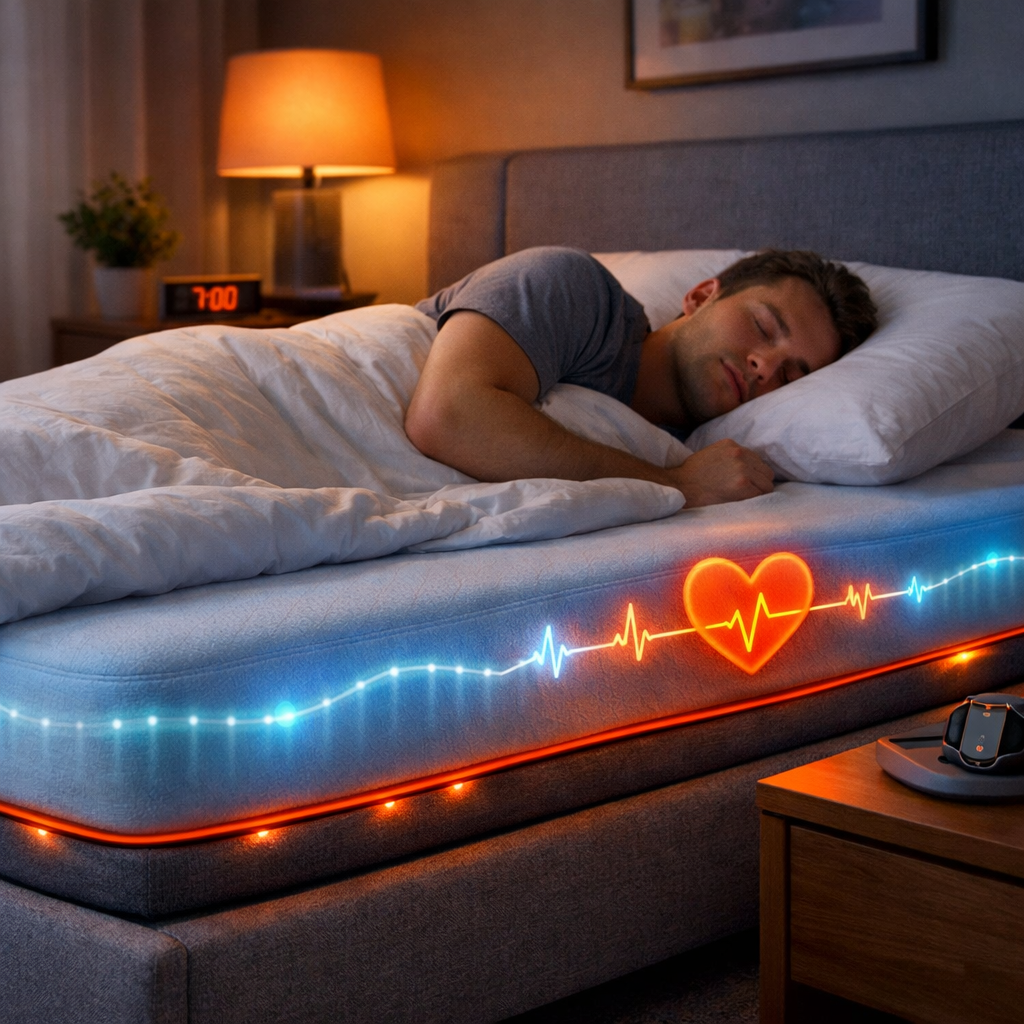
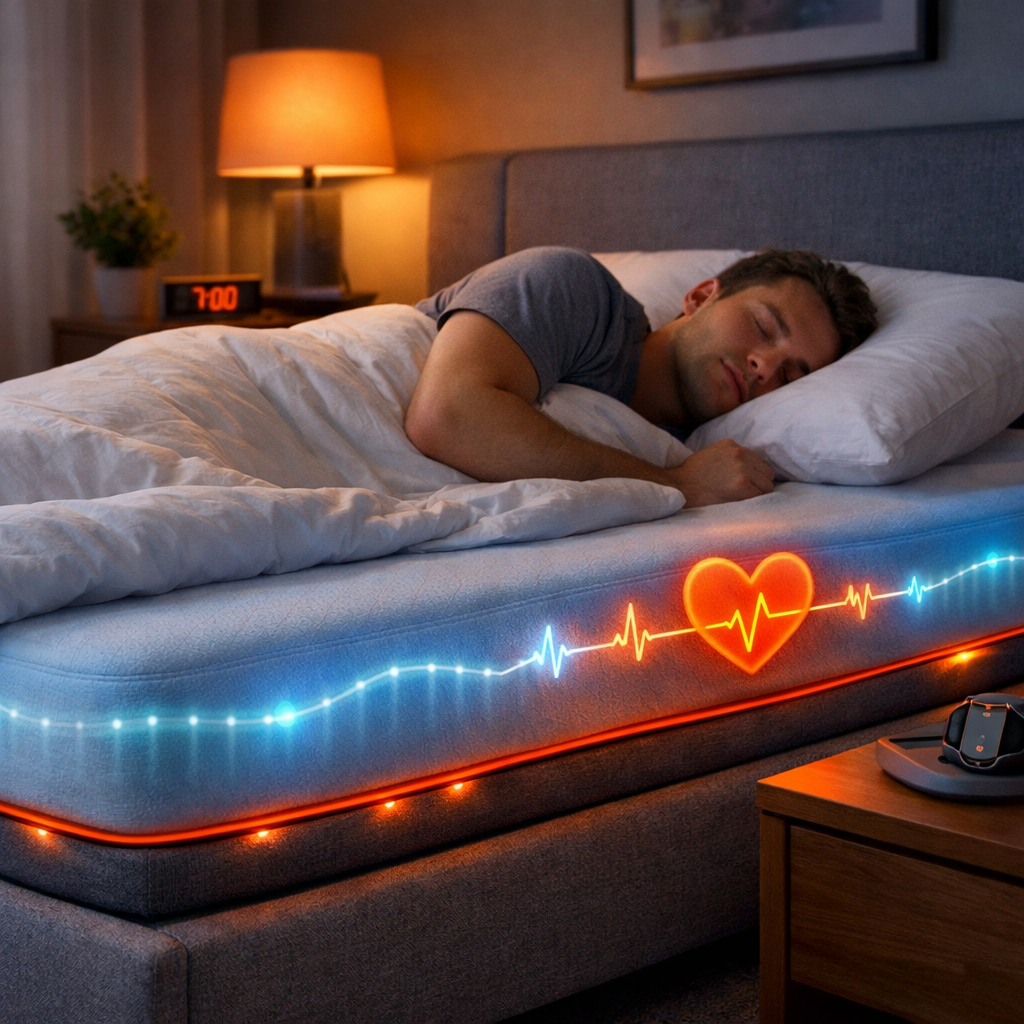
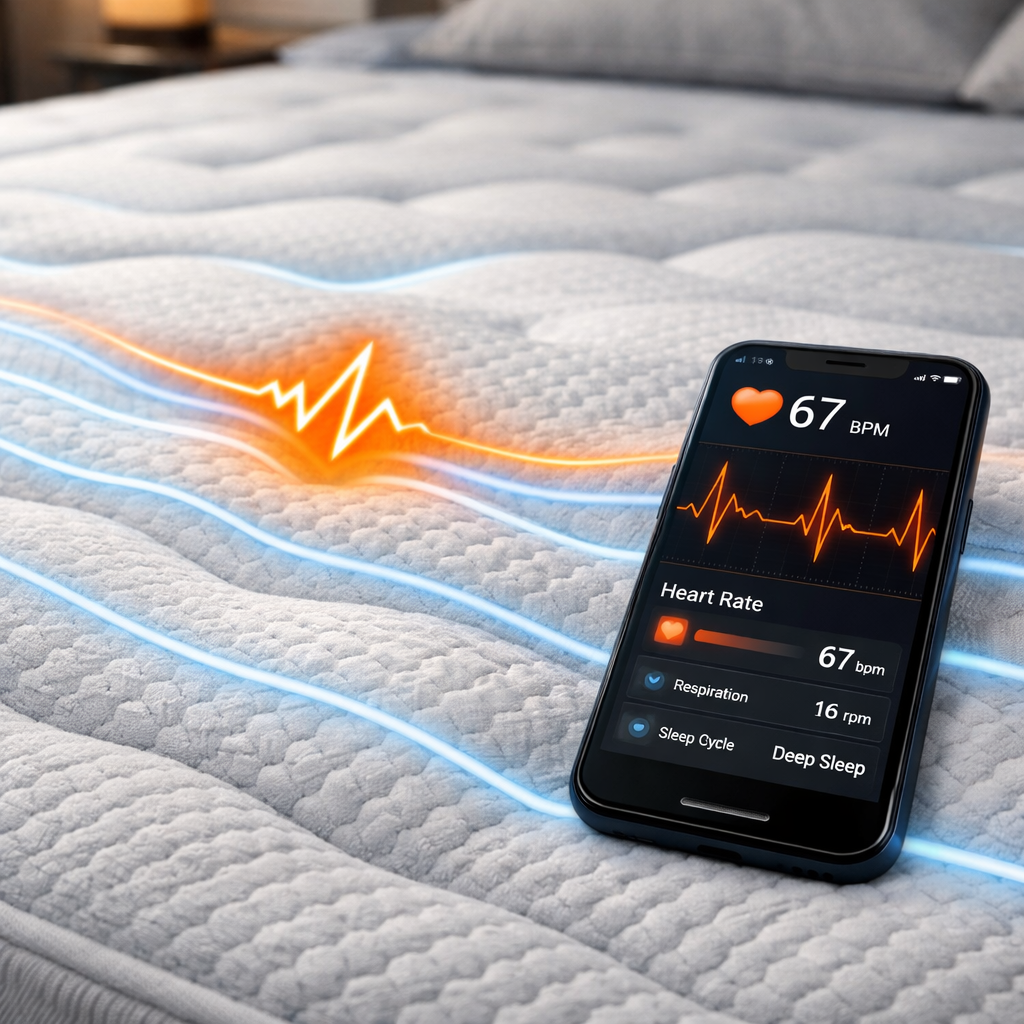
SomnoTech Pulse puts the focus squarely on heart‑rate data. The mattress’s sensors capture beats per minute with clinical‑grade accuracy and push the numbers to an app within seconds.
The app visualizes the data as a live line graph. You can watch how your heart‑rate dips and rises as you move through sleep stages. If the rate stays high for an extended period, the app suggests a quick check‑in with a health professional.
SomnoTech also offers a “Sleep Pulse” alert that vibrates the mattress gently if it spots a concerning heart‑rate pattern. The vibration is subtle , just enough to nudge you without waking you.
“Real‑time heart monitoring can catch irregularities before they become serious,” says a cardiologist who reviewed the Pulse system.
The mattress works with the SomnoTech cloud, where you can export CSV files for deeper analysis. That’s handy if you’re a researcher or just love digging into numbers.
5. ZenSleep Adaptive Mattress , Eco‑friendly with AI health metrics
ZenSleep takes a green route while still packing AI smarts. The core is made from recycled latex, and the cover uses organic cotton. Yet it doesn’t skimp on tech.
Heart‑rate sensors sit beneath the latex layers, sending data to an AI that learns your sleep cycles. The AI then adjusts a tiny air‑chamber under the mattress to fine‑tune firmness each hour.
The eco‑friendly angle extends to the app, which runs on a low‑power server farm powered by renewable energy. You can even see the carbon savings in the app’s dashboard.
Integration is broad: the mattress talks to Google Home, Alexa, and even the open‑source Home Assistant platform. That means you can ask, “How was my heart‑rate last night?” and get a spoken summary.
One thing to watch: the air‑chamber can make the mattress a bit heavier to move. If you plan to rearrange often, consider a helper.
How to Choose the Right AI Mattress with Heart Rate Monitoring
Picking a smart bed is more than looking at a price tag. First, think about the data you want. If you care about stress levels, look for HRV tracking. If you just need basic heart‑rate alerts, any standard sensor will do.
Next, check integration. Does the mattress sync with the health apps you already use? Open APIs mean you can pull the data into a spreadsheet or a fitness tracker.
Third, consider comfort. AI features are great, but a mattress that feels wrong will ruin your sleep. Test the firmness zones if you can, or look for a trial period.
Finally, watch for hidden fees. Most AI mattresses include the sensor suite for free, but a few charge subscription fees for premium analytics. Make sure the cost fits your budget.
For more background on what an AI mattress really is, read What Is an AI Mattress? A Calm Guide. It breaks down the tech in plain language.
Feature Comparison Table
FAQ
Can an AI mattress replace a doctor’s heart‑monitor?
No. The mattress gives you trends and alerts, but it isn’t a medical device. If the app flags a consistently high heart‑rate or irregular pattern, you should book a check‑up with your physician. Think of it as a early warning system, not a diagnosis tool.
How accurate is the heart‑rate data?
Most AI mattresses use optical or pressure sensors that are accurate enough for nightly trends. They may drift a few beats per minute compared to a clinical ECG, but the relative changes are reliable. For precise readings, use a dedicated medical monitor.
Do I need Wi‑Fi for the mattress to work?
Yes, the sensors talk to the app over your home Wi‑Fi. If the connection drops, the mattress still records data locally and syncs when the network returns. A stable router ensures real‑time alerts work as intended.
What if I don’t like the app’s interface?
Many brands offer a web dashboard in addition to the mobile app. You can log in from a computer, export CSV files, or even integrate the data with third‑party health platforms via API. Check the product’s integration page before buying.
Are there any privacy concerns?
The data is usually stored in encrypted clouds. Look for mattresses that follow GDPR or CCPA standards and that let you delete your data on request. Reading the privacy policy can reveal who has access and for how long.
Can two people share the same AI mattress?
Yes, most models support dual‑zone sensors. Each side tracks its own heart‑rate and can adjust firmness separately. If you have very different sleep styles, choose a mattress that offers independent zone control.
How long do the sensors last?
Manufacturers typically guarantee the sensor hardware for 5‑7 years. After that, performance may decline, but many brands offer a replacement service for a fee. Check the warranty details before you buy.
Do I need a subscription for advanced features?
Only a few brands charge for premium analytics. In our shortlist, none of the five require a yearly fee for basic heart‑rate monitoring, which keeps the total cost predictable.
Conclusion
Smart beds have finally moved past the hype of empty sensors. The five picks we covered each give you reliable heart‑rate tracking, but they differ in comfort, eco‑focus, and extra coaching. If you want a health hub that also talks to your phone, SleepSense tops the list. DreamWave is great for those who love real‑time firmness tweaks. RestfulAI adds a luxe feel with AI‑driven coaching, while SomnoTech Pulse gives instant heart data for health‑focused sleepers. ZenSleep rounds out the group with a green twist.
Take a moment to think about what matters most to you , data depth, comfort, sustainability, or ecosystem integration. Then match that need to the features we’ve laid out. With the right AI mattress with heart rate monitoring, you’ll get clearer insight into your nightly rhythms and, more importantly, a better night’s rest.