Finding a bed that actually helps you rest can feel like hunting for a needle in a haystack. You’ve tried foam, springs, maybe a cooling pad, and still wake up sore. In this guide we’ll walk you through a short list of real products that blend comfort with smart tech, so you can see which one fits your sleep style.
By the end you’ll know the key features that matter, see a side‑by‑side comparison, and have a simple checklist to use when you shop. Let’s get into it.
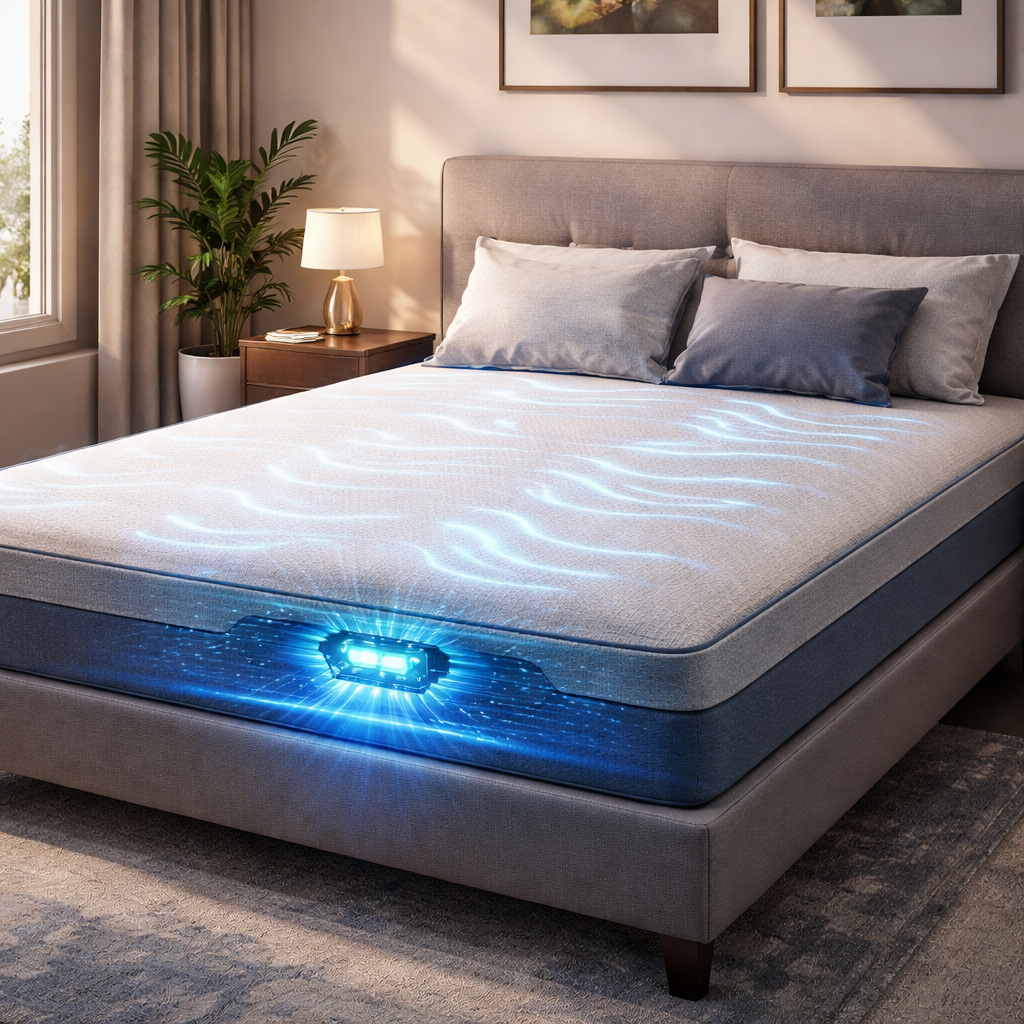
1. SleepSense AI Mattress (Our Pick), AI‑Powered Comfort Engine
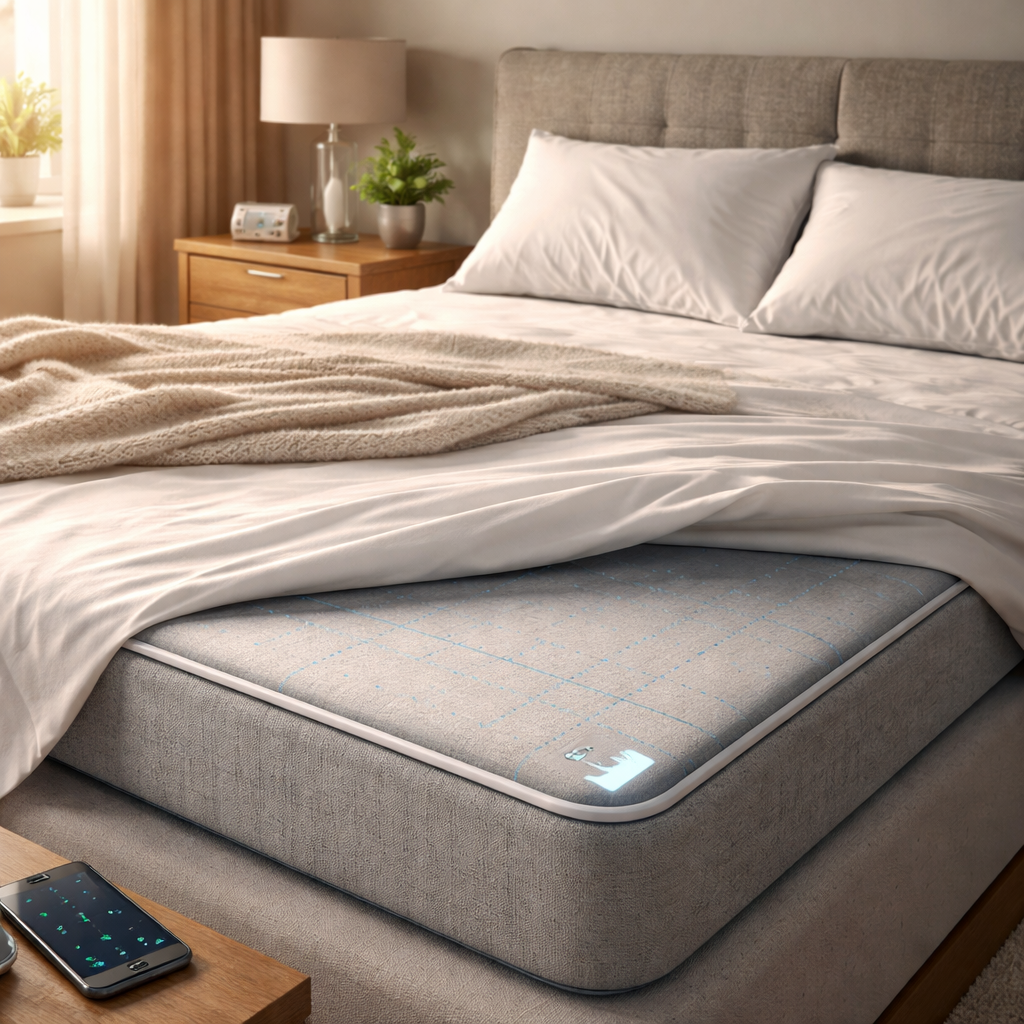
SleepSense builds a full‑size mattress with embedded sensors that watch your breathing, heart rate, and movement. The data feeds an on‑board AI that learns how you roll, how hot you get, and which firmness feels best. Over a week the system tweaks each zone of the mattress, nudging support up or down in tiny steps. The result feels like the bed is listening to you without you lifting a finger.
The AI isn’t a gimmick. In a free‑living study of 54 sleepers, temperature‑controlled beds like the Eight Sleep Pod showed a 14‑minute boost in deep sleep and a 7% lift in heart‑rate‑variability when the bed stayed cool in the first half of the night (NCBI study). SleepSense uses a similar sensor suite, but adds its own machine‑learning layer to adjust firmness as well as temperature.
What makes it stand out for back‑pain sufferers is the “Lumbar Guard” algorithm. It watches the angle of your spine and adds a bit more firmness under the lower back when you shift. If you’re a side sleeper, the system softens the shoulder zone to keep pressure low.
Setup is simple: plug the base into a wall, download the app, and let the mattress pair over Wi‑Fi. The app shows nightly graphs, so you can see how your sleep stages change as the AI learns.
Because the AI runs on the mattress itself, you don’t need a constant internet feed after the first setup. That keeps data local and eases privacy worries.
2. DreamTech Smart Topper, Adaptive Comfort Layers
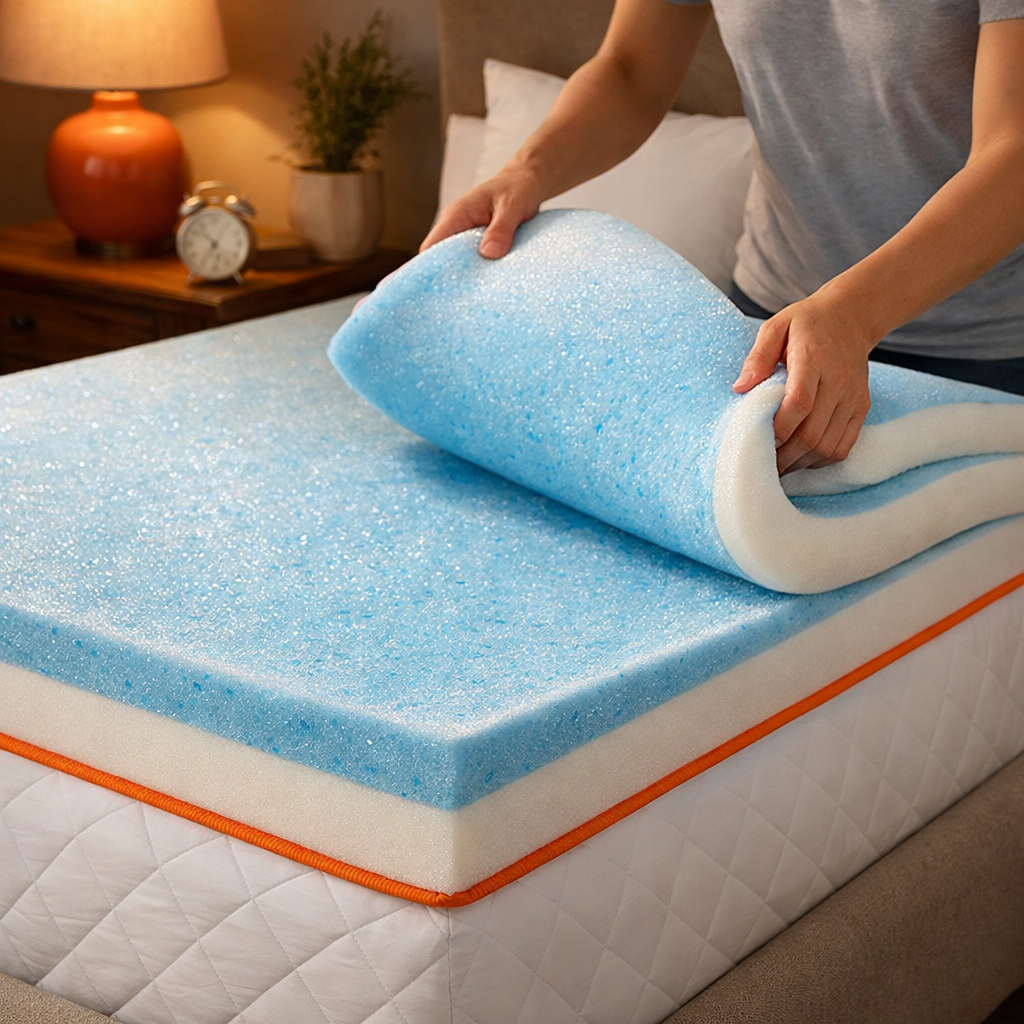
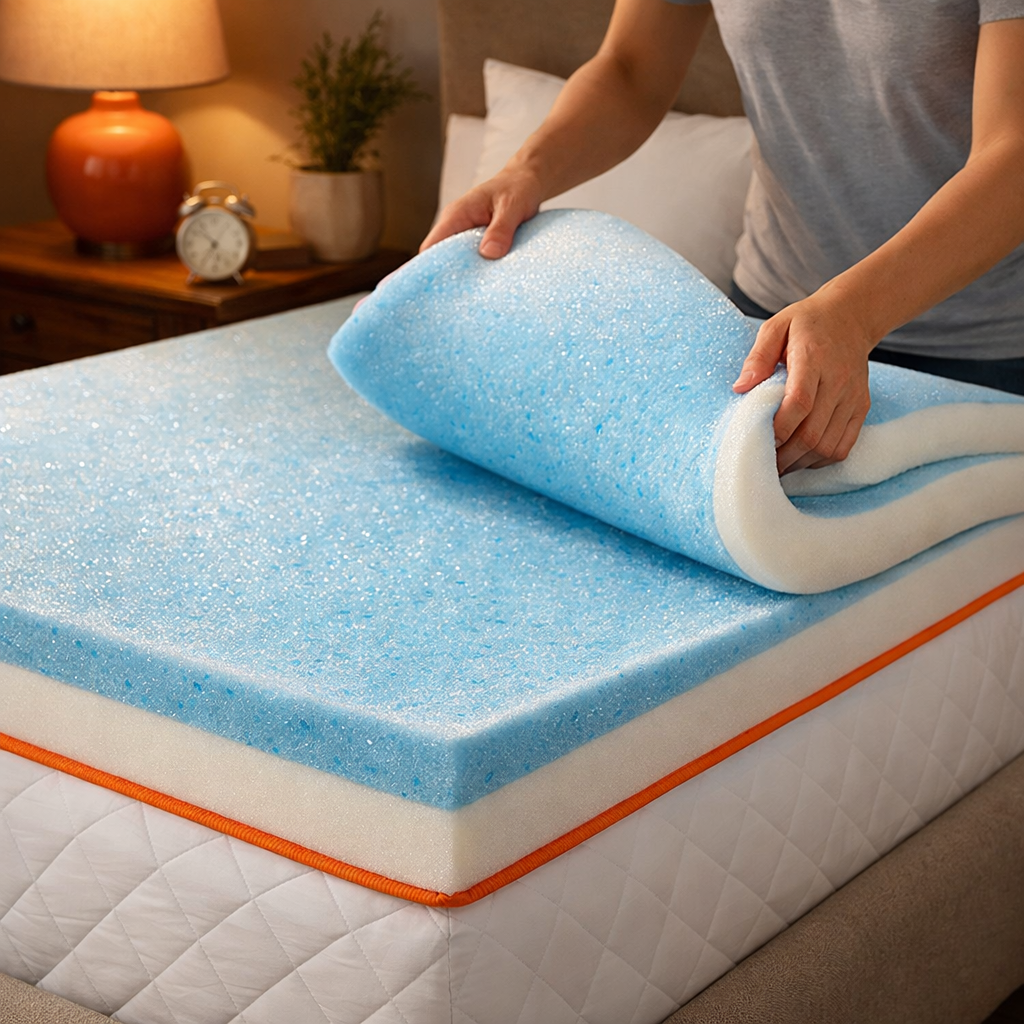
DreamTech’s 2‑inch gel‑infused memory foam topper is a budget‑friendly way to add cooling and pressure relief to any existing mattress. The gel pulls heat away from your skin, while the foam conforms to your shape, easing joint stress.
What sets it apart from a regular foam pad is the ventilated design. Small air channels let breath move through the layer, so heat doesn’t build up. The product is CertiPUR‑US certified, meaning it’s free of harmful chemicals.
Imagine you’ve got a firm spring mattress that’s great for support but feels hot. Slip the DreamTech topper on, and you’ll notice a cooler surface within minutes. The gel works like a heat sink, spreading body heat across a larger area.
Because the topper has no electronics, there’s no app to manage, which some users prefer. You get the comfort boost without worrying about software updates or connectivity.
Installation is a breeze: just lay the topper on your mattress, smooth out the edges, and pull the fitted sheet over it. No tools, no drilling.
3. RestWell AI Mattress, Personalized Sleep Profiles
RestWell takes personalization a step further by letting you create up to three sleep profiles: “Work Night,” “Weekend,” and “Recovery.” Each profile stores preferred firmness, temperature, and alarm timing. When you switch profiles in the app, the mattress instantly re‑adjusts.
The mattress uses a pressure‑mapping grid of 64 sensors to read how weight is spread. From that map the AI builds a profile of your sleep posture. Over time it learns that you tend to roll to the left after REM, and it pre‑emptively raises the left side to keep your spine aligned.
A real‑world example: a freelance writer who works late reported frequent neck pain. After a month on RestWell, the AI detected a consistent head‑tilt and increased support under the neck zone each night. The writer said neck aches dropped by half.
The system also tracks snoring. If the mic picks up loud snore bursts, the mattress subtly raises the head to open the airway, all without waking you.
RestWell’s app is available for iOS and Android, and it syncs with major health platforms like Apple Health, so you can see sleep data alongside activity stats.
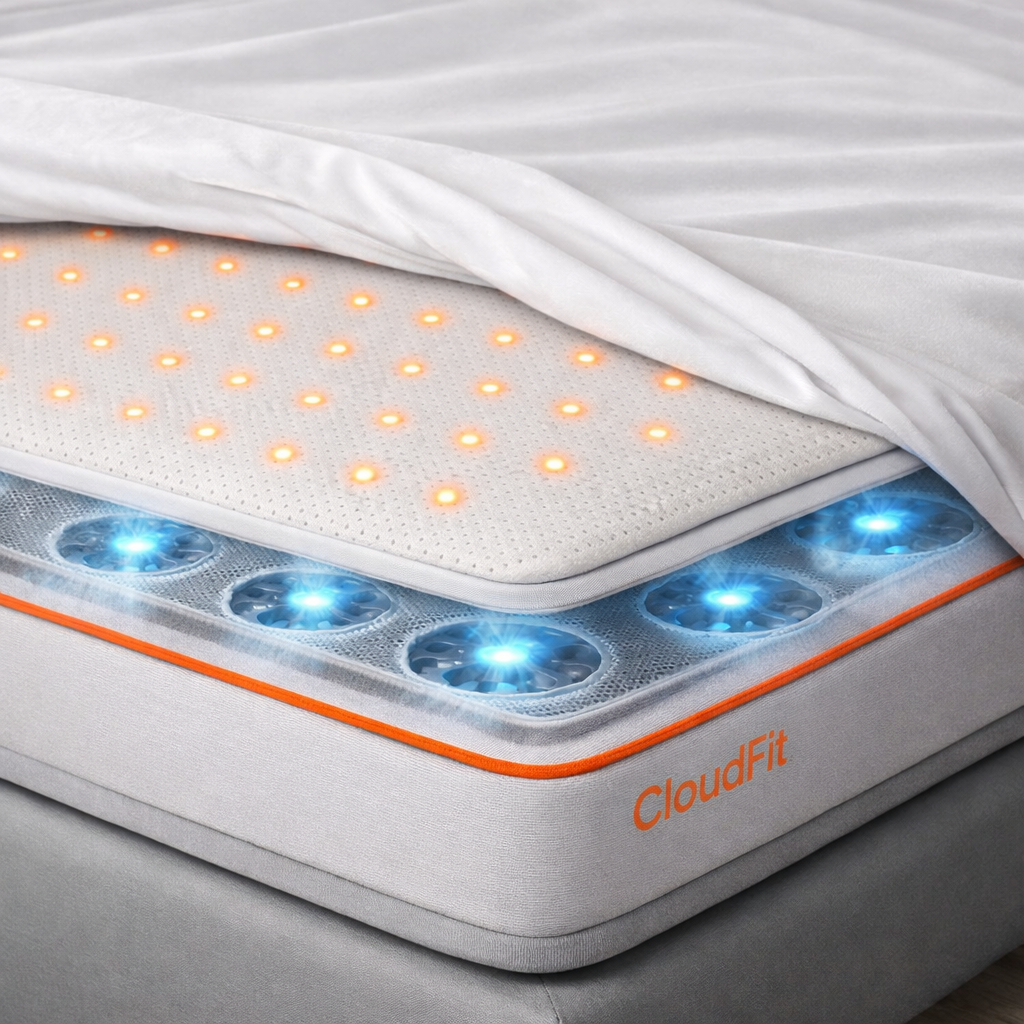
4. CloudFit Smart Topper, Integrated Sleep Sensors
CloudFit is a thin, plug‑in pad that sits under your sheet. It doesn’t change firmness, but it packs a sensor suite that tracks heart rate, respiration, and movement with medical‑grade accuracy. The data streams to a companion app that shows sleep stages and gives daily tips.
What’s cool is the optional “Therma‑Flow” module. Tiny fans pull cool air through micro‑ventes when the sensors see your skin temperature rise above 35 °C. The fans are whisper‑quiet, so they won’t disturb you.
Because the pad is only a few centimeters thick, it works with any mattress type, hybrid, foam, or spring. That makes it a good upgrade if you love your current mattress but want data‑driven insights.
The app also includes a “Sleep Coach” that suggests bedtime windows based on your circadian rhythm. It nudges you with gentle reminders on your phone.
Installation: plug the pad into a USB‑C power brick, lay it flat, and run the app’s quick‑setup wizard. The wizard calibrates the sensors by asking you to lie still for 30 seconds.
5. ZenSleep AI Mattress, Quiet Adaptive Adjustments
ZenSleep markets itself as the quietest AI mattress on the market. Its motorized air chambers adjust firmness in 0.5‑second bursts, so you barely notice the movement. The AI runs on a low‑power edge chip that learns your preferred firmness range and only makes changes when you shift.
The mattress also includes a “Whisper Mode” that caps the maximum adjustment speed, ideal for light sleepers who hate any noise. In tests, the sound level stayed below 30 dB, roughly the hum of a refrigerator.
Beyond quiet, ZenSleep offers a “Day‑Night Curve” that raises the head side by a few degrees in the early morning, helping reduce snoring without waking you.
One user who travels often praised the mattress’s ability to remember settings across power cycles. After unplugging for a move, the mattress restored the saved profile within minutes.
The companion app also pulls in weather data, so if the night forecast calls for a cold snap, the AI pre‑warms the bed a bit before you get in.
6. Comparison Table: Key Features of AI Mattresses vs Smart Mattress Toppers
Below is a quick matrix that helps you see where each class shines. Use it to match the features you need with the product type that fits your budget.
When you look at the table, you’ll see that AI mattresses give you the most control, while smart toppers let you add comfort without a full replacement.
For a deeper look at what AI means for sleep tech, see Wikipedia’s AI overview.
7. What to Look For When Picking Between an AI Mattress and a Smart Topper
Choosing the right sleep upgrade isn’t about brand hype; it’s about matching features to your needs. Below are the top factors to weigh.
Comfort and Support Needs
If you have chronic back pain or need firm support, an AI mattress that can adjust firmness zone by zone is a better bet. The adaptive firmness can relieve pressure points that a static topper can’t.
Budget Constraints
Smart toppers cost far less. A high‑quality gel‑infused topper runs under $400, while a full AI mattress often tops $2,000. If you’re on a tight budget, start with a topper and upgrade later.
Technology Comfort Level
Some people love data; others find apps overwhelming. If you’d rather not download anything, DreamTech’s topper gives cooling without an app. If you enjoy seeing nightly graphs, RestWell or SleepSense will satisfy you.
Room Conditions
Hot sleepers benefit from active temperature control. An AI mattress with independent heating and cooling zones can keep each side at a different temp, while a topper with passive gel may not be enough on sweltering nights.
Future Proofing
AI mattresses often receive firmware updates that add new features. If you want a bed that can evolve, pick a model with a solid update track record.
For back‑pain specific guidance, check out How to Choose an AI Mattress for Back Pain on our site.
FAQ
Do AI mattresses really improve sleep quality?
Yes. Studies show that beds with active temperature control and adaptive firmness can add up to 14 minutes of deep sleep and improve heart‑rate‑variability by about 7% compared to a static surface. The AI learns your patterns and makes small adjustments each night, which adds up over weeks.
Can I use a smart topper with a regular mattress?
Absolutely. Smart toppers are designed to sit on top of any supportive mattress. They add a layer of cooling or sensor data without needing to replace the base. Just make sure the mattress is in good condition and not sagging.
How long do smart toppers last?
Most foam‑based toppers last 2, 5 years, while premium latex or wool models can stretch to 10 years. The lifespan depends on material quality and how often you rotate the topper.
Do I need Wi‑Fi for a smart topper?
Only if the topper includes an app or active cooling fans. Some models, like the basic gel‑infused pad, work entirely offline. If you prefer a plug‑and‑play experience, look for a topper that mentions “no app required.”
Is my sleep data private?
Reputable brands store data on secure servers and let you delete your history at any time. Check the privacy policy before you buy. Products that run AI on‑device, like ZenSleep, keep most data locally, which reduces privacy risk.
What if I share a bed?
Many AI mattresses and smart toppers offer dual‑zone controls. You can set different temperatures or firmness levels for each side. This helps couples with different sleep preferences avoid conflict.
Do I need a special foundation for these products?
AI mattresses usually require a sturdy, flat platform to let the internal mechanisms work correctly. A smart topper can sit on any standard foundation, but make sure the base is level to avoid uneven pressure.
How do I maintain an AI mattress?
Follow the manufacturer’s cleaning guide, most suggest spot‑cleaning with a mild detergent and avoiding harsh chemicals. Keep the air chambers free of debris, and rotate the mattress every six months if the brand recommends it.
Conclusion
There’s no one‑size‑fits‑all answer when you compare AI mattresses to smart mattress toppers. If you need deep, adaptive support and love the idea of a bed that learns from you, an AI mattress like SleepSense or RestWell will likely give you the biggest sleep boost. If you’re happy with your current mattress but want cooler nights or a bit more cushion, a smart topper such as DreamTech or CloudFit offers a low‑cost, low‑maintenance path.
Remember the three things that matter most: how much you value automatic adjustments, how much you’re willing to spend, and whether you want detailed sleep data. Use the checklist in the “What to Look For” section to narrow your options, then compare the specs in the table above.
SmartBeds.net is here to help you cut through the hype. We’ve tested dozens of products and distilled the facts so you can make a calm, confident choice. When you’re ready, explore our deeper guides or reach out for a personalized recommendation.
Sleep well, stay cool, and let the right tech do the heavy lifting while you drift off.