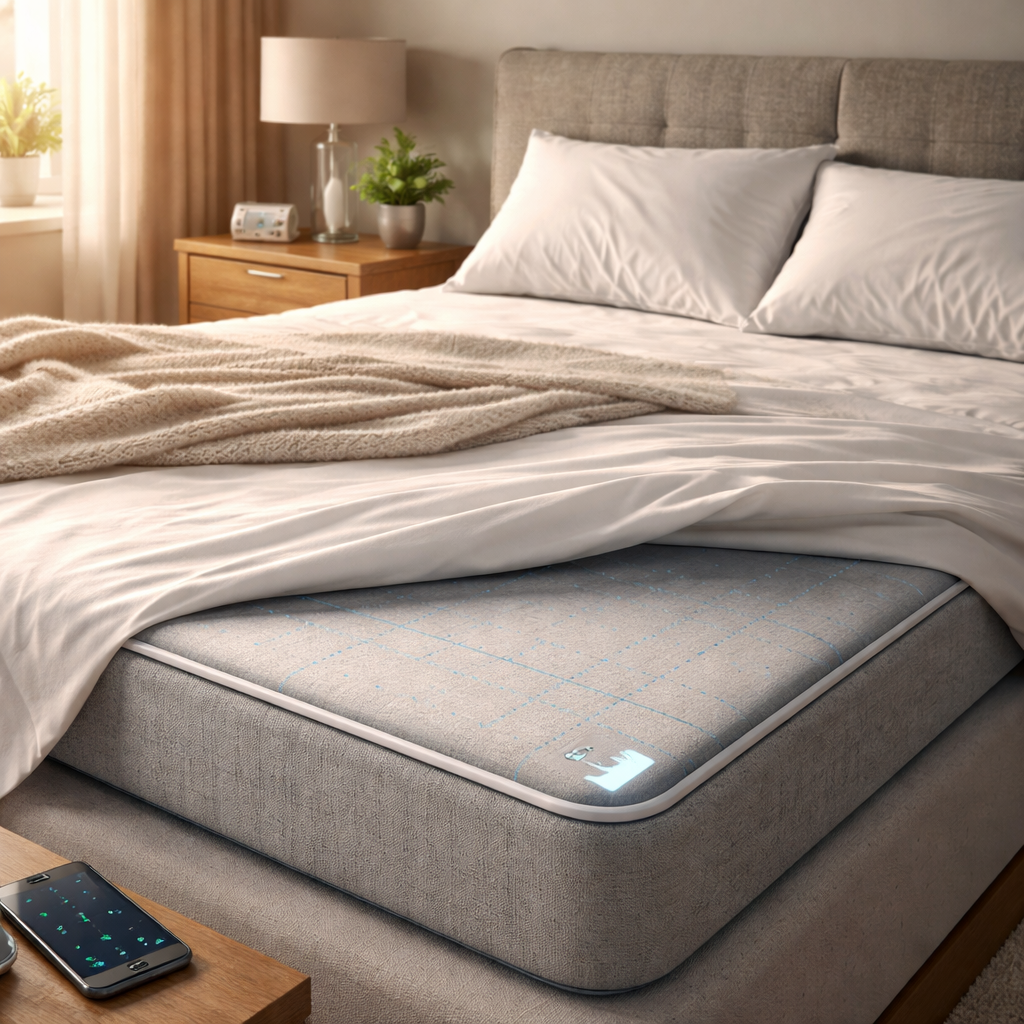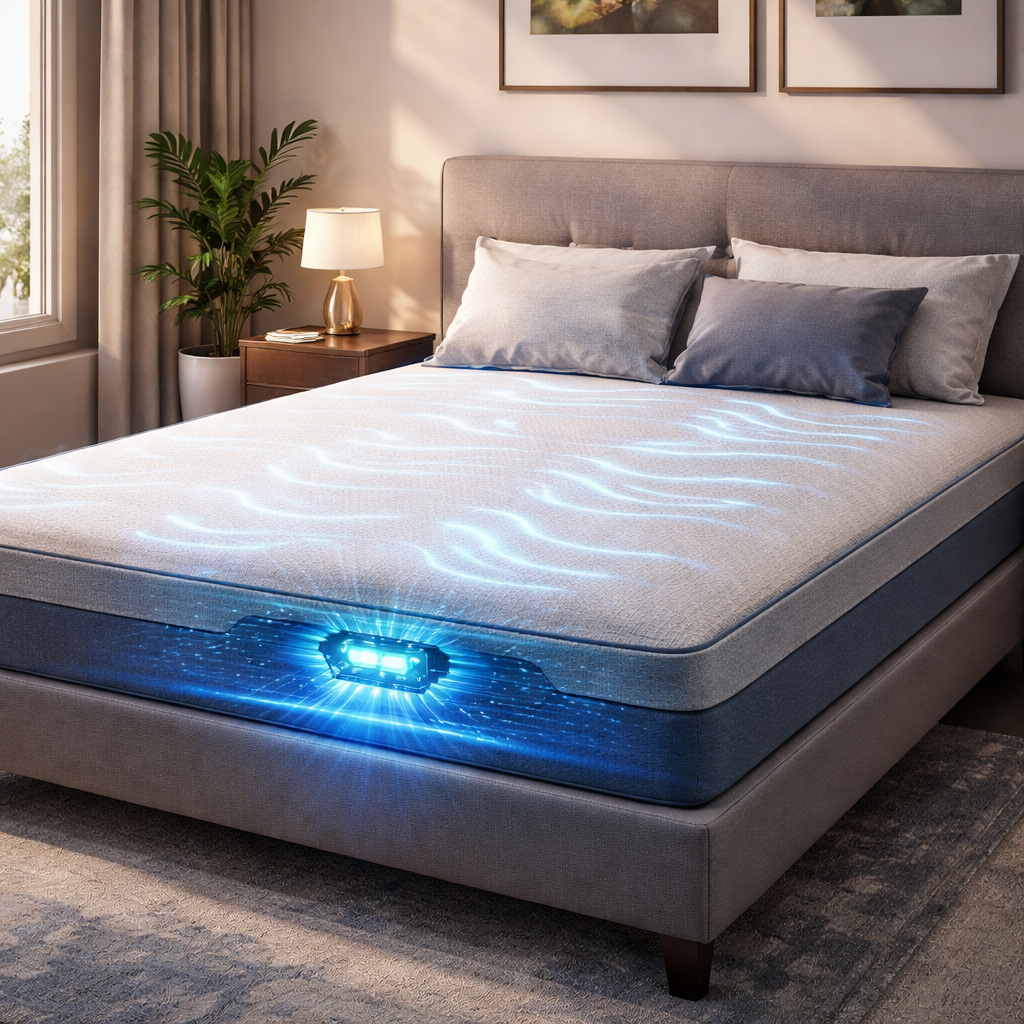
Hey there. If you wake up with a stiff lower back every morning, you’re not alone. Back pain is one of the top reasons people lose mobility as they age, and the mattress you sleep on can make a huge difference. But with so many options , including new AI mattresses that promise to adapt to your body , it’s easy to feel overwhelmed. This guide will walk you through exactly how to pick the right AI mattress for back pain, step by step. We’ll cover firmness, materials, smart features, pricing, and setup. No fluff, just clear help.
Step 1: Understand the Role of Firmness and Zoned Support in AI Mattresses for Back Pain
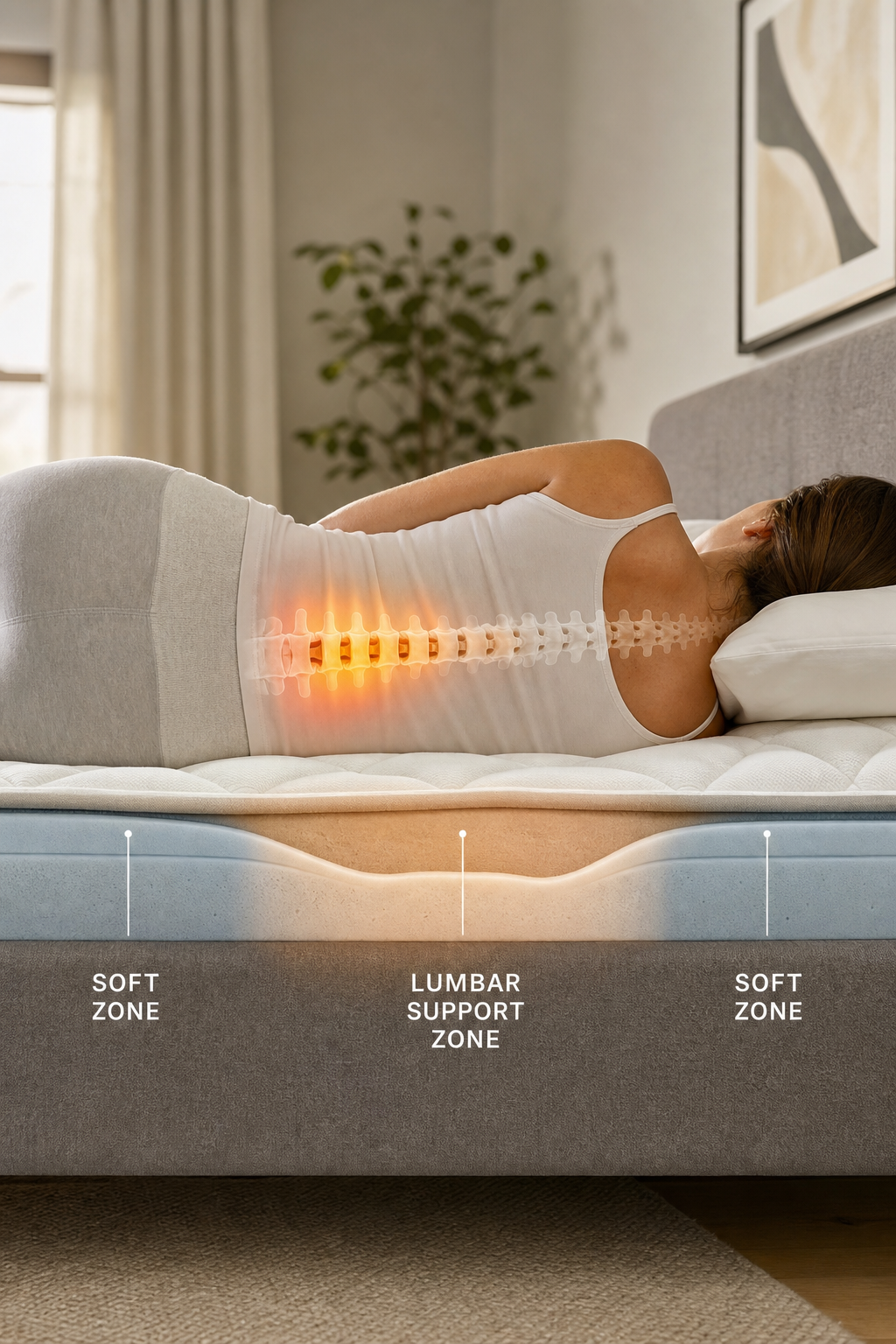
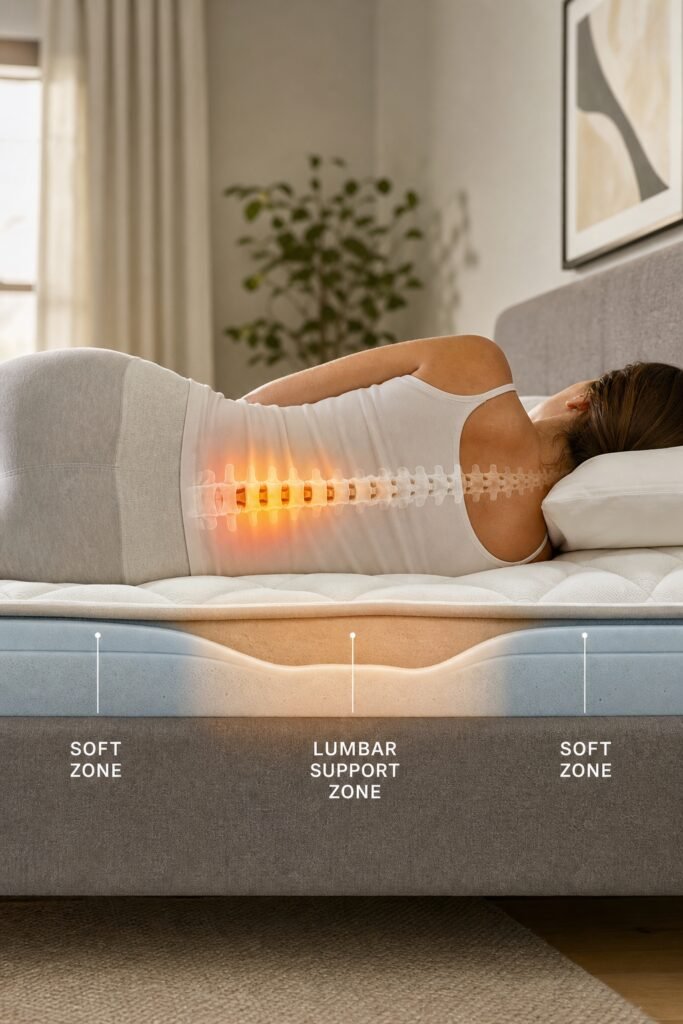
When it comes to back pain, firmness is the first thing people ask about. And there’s a reason for that. A 2021 review of 39 studies found that a medium-firm mattress is best for comfort, sleep quality, and spinal alignment. Too soft and your hips sink, throwing your spine out of whack. Too firm and pressure points build up at your shoulders and hips, causing muscle tension.
Your AI mattress for back pain should have a medium-firm feel, around a 6 on a 10-point scale. But here’s where AI gets interesting: some smart mattresses can adjust firmness in real time. For example, models with sensor-actuator systems can detect your position and tighten or loosen support layers in the lumbar area. That’s zoned support , thicker coils or stiffer foam under your torso , and it’s a game-changer for keeping your spine neutral.
But don’t just trust the hype. Our research shows that AI-adaptive mattresses make up less than 5% of the market and their back-pain benefit rating averages only 6.4 out of 10 , while traditional medium-firm mattresses score a median 6.5. So the AI feature is a nice bonus, not a magic cure. What matters most is the base support: medium-firm, zoned, and responsive.
Think about it this way. If you have a disc problem (like a herniated disc), you likely prefer being in extension , standing or lying on a firm surface. Those people do well with a firmer AI mattress that keeps the spine from flexing. On the flip side, if you have spinal stenosis and feel better sitting bent forward, a softer AI mattress that allows slight flexion might help. The AI can fine-tune this, but the starting point matters.
Bottom line: Start with a medium-firm AI mattress with zoned lumbar support , that’s the foundation for back pain relief, with AI adjustments as a helpful extra.
Step 2: Identify Your Sleep Position and Specific Pain Points to Optimize AI Settings
Your sleep position is everything. A mattress that works for a back sleeper may wreck a side sleeper’s hips. And your AI mattress for back pain can adjust to your position , but only if you tell it what you need.
Here’s a simple test. Lie on your back in your bed. Slide your hand under your lower back. If there’s a big gap, your mattress is too firm. If you can’t slide your hand easily, it’s too soft. Now do the same on your side , your shoulder and hip should sink slightly without the spine twisting.
Most AI mattresses come with an app that asks about your sleep position, pain areas, and comfort preference. They use that data to adjust firmness zones. For example, if you’re a side sleeper with sciatica, the AI can soften the shoulder and hip zone while keeping the lumbar firmer. That’s real personalized support.
But don’t rely solely on the AI. You need to give it good input. Keep a pain diary for a week: note where it hurts, when it hurts, and what position you sleep in. If you have a specific condition like sciatica, disc herniation, or scoliosis, include that. The AI uses this to build your profile.
Another tip: use the mattress’s manual mode to try different firmness settings for a few nights. See what feels best. Then let the AI learn from your adjustments. Most systems take 7-14 nights to calibrate. Be patient.
Bottom line: Tell your AI mattress about your sleep position and specific back pain , it can only help if you feed it the right info.
Step 3: Compare Materials: Memory Foam, Hybrid, and Latex in AI Mattresses for Pressure Relief
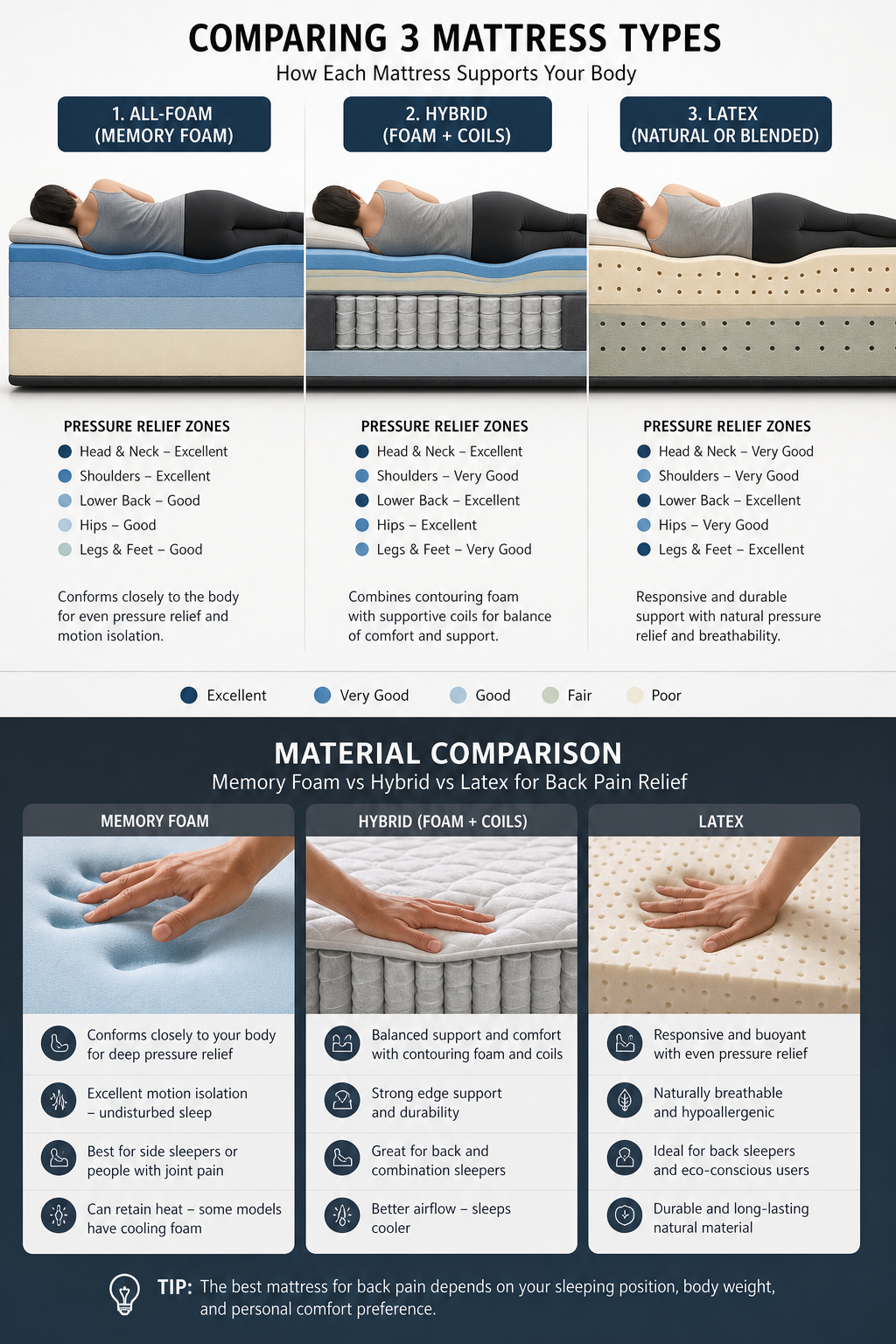
Not all materials are created equal when it comes to back pain. The three main types you’ll find in AI mattresses are memory foam, hybrid (coils plus foam), and latex. Each has pros and cons.
Memory foam hugs your body closely. That’s great for pressure points , it can cradle your hips and shoulders , but it can also trap heat and make it hard to move. Some AI mattresses use memory foam with cooling gel or phase-change materials. If you have a herniated disc, memory foam’s gentle contour can reduce pressure on the nerve. But if you need to change positions often due to pain, you might feel stuck.
Hybrid mattresses combine a coil support core with foam comfort layers. The coils give you bounce and edge support, while the foam cushions. Most AI mattresses with zoned support use coils because they can be engineered to be firmer in the middle. For back pain, hybrid is often the sweet spot. Our research found that individually wrapped coils are consistently rated higher for back-pain relief across dozens of models.
Latex is natural, breathable, and responsive. It doesn’t sink as much as memory foam, so it’s easier to move. Latex also holds up well over time. Some people with allergies prefer latex. But it’s more expensive, and it may not contour as closely as memory foam.
Here’s a quick comparison table to help you decide:
| Material | Contouring | Back Pain Benefit | Cooling | Motion Isolation | Best For |
|---|---|---|---|---|---|
| Memory Foam | High | Pressure relief, especially for disc issues | Moderate (needs cooling layer) | Excellent | Side sleepers, people with sciatica |
| Hybrid (Coils + Foam) | Medium | Zoned support, spinal alignment | Good (airflow through coils) | Good | Back sleepers, combo sleepers, lumbar pain |
| Latex | Medium-Low | Responsive support, less pressure on nerve | Excellent | Good | Stomach sleepers, people who change positions |
When you look at an AI mattress for back pain, check the layers. Is there a transition layer? A high-density foam base? The AI sensors work best when the base is stable. And don’t forget: the mattress should be replaced every 8-12 years. If your current mattress is older than that, a new one will likely help a lot.
Bottom line: Choose a hybrid AI mattress for back pain , it gives you the support of coils and the comfort of foam, with AI fine-tuning for your needs.
Step 4: Evaluate Smart Features: Real-Time Adjustment, Sleep Tracking, and Temperature Regulation
Now we get to the fun part: the “AI” in your AI mattress for back pain. But not all smart features are equally useful. Let’s break down what matters and what’s just a gimmick.
Real-time adjustment is the biggest draw. Some mattresses use sensors to detect your body position and adjust firmness in specific zones while you sleep. For example, if you roll from your back to your side, the mattress can soften your shoulder area and firm up your lumbar support. This can prevent pressure buildup that leads to morning pain. However, our data shows the benefit scores for these systems are modest , around 6-7 out of 10 , so don’t expect miracles.
Sleep tracking is common in AI mattresses. It tracks your heart rate, breathing, movement, and sometimes even sleep stages. For back pain, this can help you see how your sleep quality changes when you adjust firmness. But the tracking data isn’t always accurate. Use it as a trend, not a medical device.
Temperature regulation is a big deal for many back pain sufferers. If you sleep hot, your muscles may tense up, making pain worse. AI mattresses often include cooling layers like gel-infused foam, copper fibers, or active cooling systems. The Leesa Sapira Chill and Bear Elite Hybrid are examples that pair cooling with back-pain benefit claims. If you’re a hot sleeper, look for a mattress with phase-change material or breathable cover.
Other smart features to consider: automatic snore response (lifts your head), adjustable base compatibility, and app integration. But remember, each extra feature adds cost. Focus on the ones that directly help your back pain. If you have sciatica, a mattress that can improve your legs slightly may offer relief. Similarly, if you have acid reflux, head elevation helps.
Bottom line: Prioritize real-time firmness adjustment and cooling , those directly impact back pain. Sleep tracking is a nice bonus but not essential.
Step 5: Check Edge Support and Convenience Factors for Accessibility and Comfort
Edge support matters more than you think, especially if you have back pain. When you sit on the edge of the bed to get up in the morning, a weak edge can make you feel like you’re going to roll off. That instability can strain your lower back even more.
AI mattresses with reinforced coil edges or high-density foam around the perimeter score higher. For example, the Saatva Classic has an edge rating of 4 out of 5, which helps people with mobility issues. If you’ve had spinal surgery or have scoliosis, sitting on a stable edge can make getting in and out of bed much safer.
Another convenience factor is shipping and setup. Most AI mattresses come in a box and expand. But some smart mattresses (like those with air chambers) may require professional installation. If you have limited mobility, look for a mattress that offers in-home setup or white-glove delivery.
Also consider motion isolation. If you sleep with a partner, their movements can jostle you and aggravate your back. Memory foam is best for motion isolation, while hybrid is decent. Our research shows that models like the WinkBed Plus have a motion isolation score of 2.5 out of 5 (lower is better for disturbance), so check those numbers.
Finally, think about the base. Some AI mattresses require a compatible adjustable base to function fully. That’s an added cost. But if you already have a solid foundation, make sure it’s sturdy enough to support the mattress’s weight and technology.
Bottom line: Choose an AI mattress for back pain with strong edge support and convenient setup , it makes daily use easier and safer.
Step 6: Handle Pricing, Trials, and Return Policies for Informed Purchase
AI mattresses can be expensive. Prices range from $1,000 to over $5,000. The research shows that some AI models cost 2-3 times more than traditional medium-firm mattresses, but their back-pain benefit scores aren’t proportionally higher. So you need to be smart about your budget.
First, look for a trial period. Most reputable brands offer 100 nights or more. The Sleep Foundation and many physios recommend at least 30-60 nights for your body to adjust. Some companies offer 365 nights. Make sure you have enough time to decide. If you return the mattress, check if there are restocking fees or return shipping costs. The best policies are free returns.
Also check the warranty. A good warranty covers at least 10 years against sagging and defects. AI components (sensors, motors) may have a shorter term , read the fine print. Some brands offer lifetime warranties, but fewer cover electronics.
Let’s talk about the adjustment period. When you first switch to a new AI mattress for back pain, you might actually feel more sore. That’s normal. Your muscles and ligaments have adapted to your old sagging mattress. A study in the Journal of Sleep Medicine found it can take 30-60 nights to fully adjust. So don’t panic if the first week is uncomfortable. Use the trial period wisely.
To save money, consider buying during sales. Memorial Day, Labor Day, and Black Friday often have discounts. Also, some brands offer financing with 0% APR if you qualify.
If you’re on a tight budget, consider a mid-range hybrid with a separate smart topper. That can give you some AI features without the full price. But if back pain is chronic, the investment in a full AI mattress may be worth it for the targeted support.
Bottom line: Look for a 100-night trial, free returns, and a solid warranty , don’t let the high price of an AI mattress scare you, but protect yourself with good policies.
Step 7: Set Up and Calibrate Your AI Mattress for Personalized Back Pain Relief
You’ve chosen your AI mattress for back pain. Now comes the setup. Most AI mattresses require a few steps: unboxing, placing on a base, plugging in (if it has power), and downloading the app.
First, let the mattress expand. If it’s a foam hybrid, it can take 24-48 hours to fully inflate. Sleep on it only after it reaches its full shape. Some AI mattresses use air chambers , those need to be inflated via a pump. Follow the instructions carefully. If you have back pain, don’t rush this step; a half-expanded mattress can misalign your spine.
Next, download the app and create an account. The app typically asks you to fill in a profile: height, weight, sleep position, pain areas, and comfort preference. Be honest. The AI uses this to set initial firmness zones. Some systems also have a “sleep test” , you lie still for a few minutes while the mattress maps your pressure points.
After the initial setup, the AI begins learning. It tracks your movements and adjusts gradually. For the first week, try not to override the AI too much. Let it learn. If you feel a persistent pain point, use the manual override to tweak that zone. Over time, the AI will adapt to your patterns.
One common mistake: expecting perfection on night one. Give the system at least 14 days. In our research, the median calibration period for AI mattresses is about two weeks. Some people notice improvement sooner, but others take a month.
Also, consider using the mattress’s side-lift feature (if available) when you get in and out of bed. Many AI beds have a “zero-gravity” preset that takes pressure off the lower back. Use it for reading or watching TV before sleep.
Bottom line: Set up your AI mattress carefully, feed it accurate data, and give it 2 weeks to learn your sleep , your back will thank you.
Frequently Asked Questions
Is an AI mattress better for back pain than a regular medium-firm mattress?
Not necessarily. Research shows that traditional medium-firm mattresses have similar back-pain benefit scores on average. AI mattresses can offer fine-tuned zones and adjustments, but they cost more. If your back pain is mild, a good medium-firm hybrid may be enough. If you have chronic pain or specific conditions like sciatica, the personalization of an AI mattress could help , but don’t expect miracles. Always combine with good sleep posture and medical advice.
How long does it take for an AI mattress to adjust to my back pain?
Most AI systems need about 2 weeks to calibrate. During that time, the mattress senses your body and adapts firmness zones. However, your own body also needs time to adjust to a new surface. Experts recommend 30-60 nights. If after 6 weeks your pain hasn’t improved, the mattress may not be right for you. Use the trial period to decide.
Can an AI mattress cure my back pain?
No mattress can cure back pain. An AI mattress can help by supporting spinal alignment and relieving pressure points, but it’s not a medical treatment. If you have severe or persistent pain, see a doctor. A mattress is one tool in your toolkit , along with exercise, stretching, and good ergonomics , to manage discomfort.
What firmness should I choose in an AI mattress for back pain?
Medium-firm is the most recommended. Most people with back pain do best with a mattress rated about 6 out of 10 on the firmness scale. However, your weight, sleep position, and specific condition matter. For example, side sleepers may prefer medium, while stomach sleepers often need firmer. AI mattresses can adjust firmness, so you can start medium-firm and tweak from there.
Do AI mattresses really adjust firmness automatically?
Yes, many do. Using sensors, they detect your body position and pressure points, then adjust air chambers or motorized components to change firmness in specific zones. Some even respond to snoring by slightly improving your head. But the adjustment is gradual, not instant. It usually happens over several minutes to avoid disturbing you. Check product specifications for real-time vs. scheduled adjustments.
Are AI mattresses worth the extra cost?
It depends. If you have complex back issues that change with position, the auto-adjustment may be worth it. But for many, a high-quality non-AI hybrid with zoned coils can provide similar benefits at a lower price. Look for generous trials and strong warranties so you can test the value. Remember that the average AI mattress costs $2,000-$4,000, while a good non-AI model can be $1,000-$1,500.
Can I use an AI mattress with an adjustable base?
Most AI mattresses are compatible with adjustable bases, but not all. Some AI systems have integrated bases. Check the manufacturer’s recommendations. Using an adjustable base can enhance back pain relief by allowing you to improve your legs or head, reducing pressure on the spine. If you already have a base, confirm the mattress fits (e.g., correct size and weight limit).
What should I look for in an AI mattress for sciatica?
Look for zoned support that’s firmer in the lumbar area and softer at the hips and shoulders. A medium-firm feel is ideal. Also consider a mattress with good motion isolation if you sleep with a partner. Some models like the Helix Dusk Luxe or Bear Elite Hybrid are praised by users for sciatica relief. Always check for pressure relief in side sleeping tests. A generous trial is essential to see if it works for your specific nerve pain.
Conclusion
Choosing an AI mattress for back pain doesn’t have to be stressful. Start with the basics: a medium-firm feel with zoned support. Then look for smart features that actually matter , real-time firmness adjustment and cooling , rather than flashy gimmicks. Remember, the best mattress is the one that keeps your spine aligned and your pressure points cushioned. Use the trial period to test it thoroughly, and give your body time to adapt. Pair it with good sleep hygiene, like consistent bedtimes and relaxing rituals. If you take it step by step, you’ll find an AI mattress that helps you wake up with less pain and more energy. Your back deserves that.
To learn more about how smart beds work, on What Is an AI Mattress? for a deeper look at the technology behind these beds.
Sweet dreams and gentle mornings.