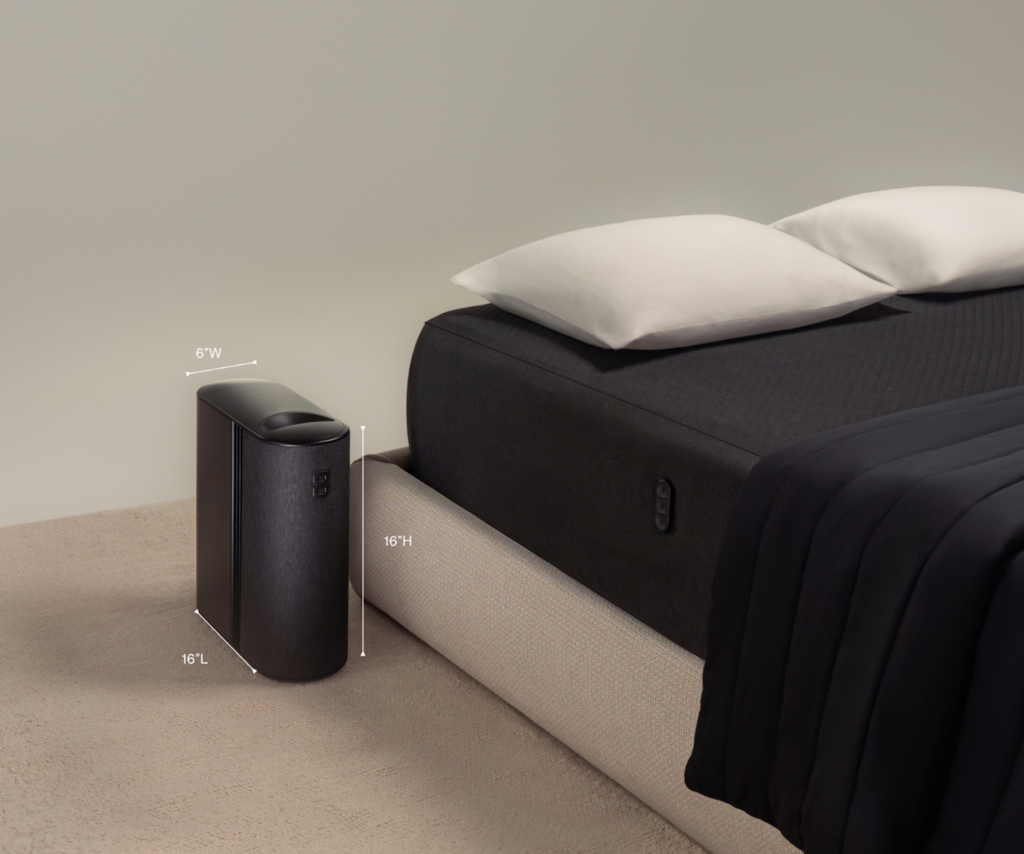
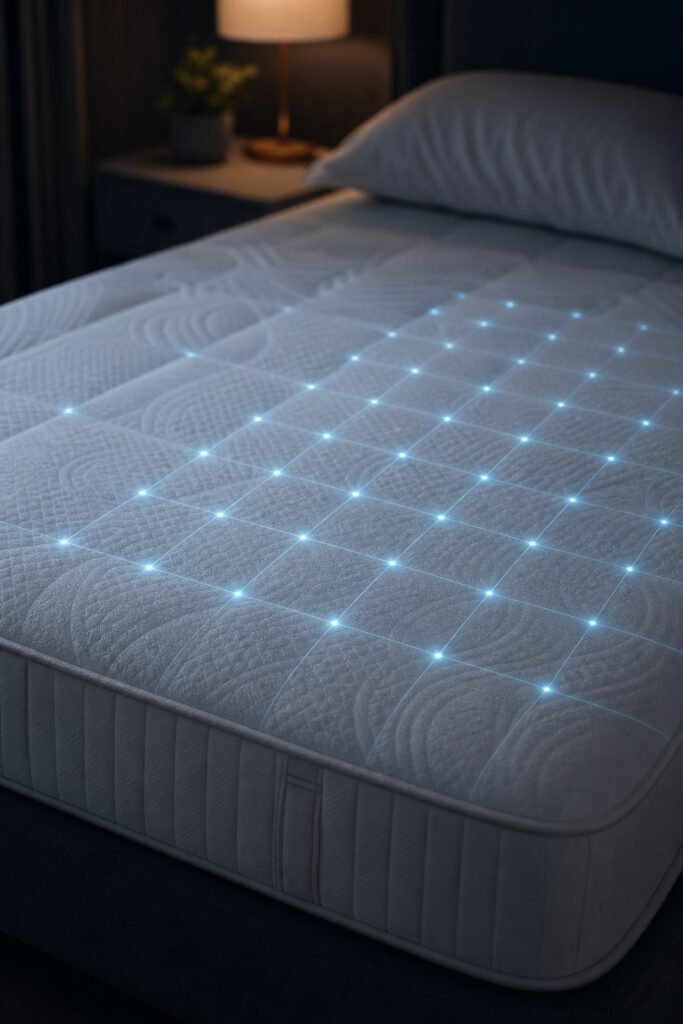
Ever wondered if your mattress could actually coach you to better sleep? Picture a bed that not only tracks your heart rate and breathing but also fine-tunes its firmness and temperature while sending you a daily health snapshot. Welcome to the smart-bed revolution.
At SmartBeds.net, we’ve looked at the research. We’ve talked to people who feel lost in all the options. And we’re here to help you understand what really matters. In this guide, we’ll walk you through thesmart bed benefits for sleep tracking, from sensors and health perks to privacy and cost. You’ll learn how these beds work, what the science says, and whether one is right for you.
Let’s start with the tech inside your mattress.
How Smart Beds Track Your Sleep: Sensors and Data Insights
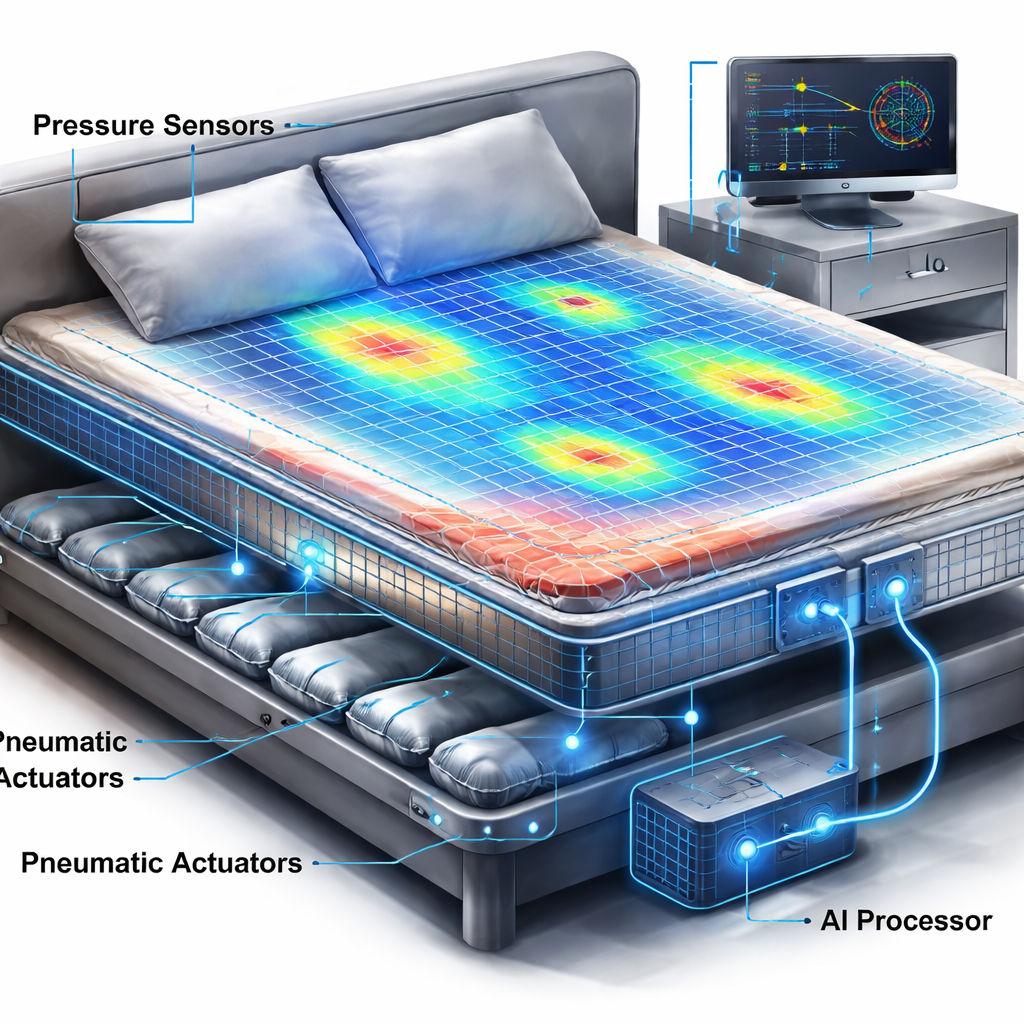
Smart beds use sensors built into the mattress to collect data while you sleep. No wearables, no straps. Just lie down and the bed does the rest.
Most smart beds rely on something called ballistocardiography (BCG). That’s a fancy word for sensing the tiny vibrations your body makes when your heart beats and you breathe. These vibrations travel through the mattress. Sensors pick them up. Then algorithms turn them into usable info.
For example, the Sleep Number 360 smart bed uses an inflatable air bladder that acts as a sensor. It can detect your heart rate, breathing rate, motion, and even your sleep vs. wake state. A study published in PMC found this bed’s heart rate estimates matched lab equipment with a bias of only 0.23 beats per minute. Pretty impressive for a bed you just lie on.
Other smart beds, like the Tempur‑Pedic Sleeptracker AI Monitor, track similar data. They also monitor room temperature, humidity, and air quality. Some even detect snoring using a tiny microphone or vibration sensor.
But here’s what the research says: Most of these features are descriptive, not proven to improve sleep quality. A data set of 56 benefit claims found only 4 (7%) showed any quantified improvement. The biggest number came from Sleep Number’s own press release , claiming 170 extra restful hours per year. That’s not independently verified.
So take those numbers with a grain of salt. Still, the tracking itself can be useful for spotting patterns. If you see your heart rate spikes every night around 2 a.m., you might talk to a doctor.
Remember: The goal isn’t perfect accuracy. It’s consistency. If your bed tells you you’re waking up more often than usual, that’s a signal worth paying attention to.
Bottom line:Smart beds track your vital signs using passive sensors, but their accuracy varies and most sleep‑quality improvement claims come from manufacturers, not independent research.
Health Benefits Backed by Science: Energy, Memory, and Disease Prevention
Better sleep improves your health. That’s not new. But do smart beds actually help you get better sleep?
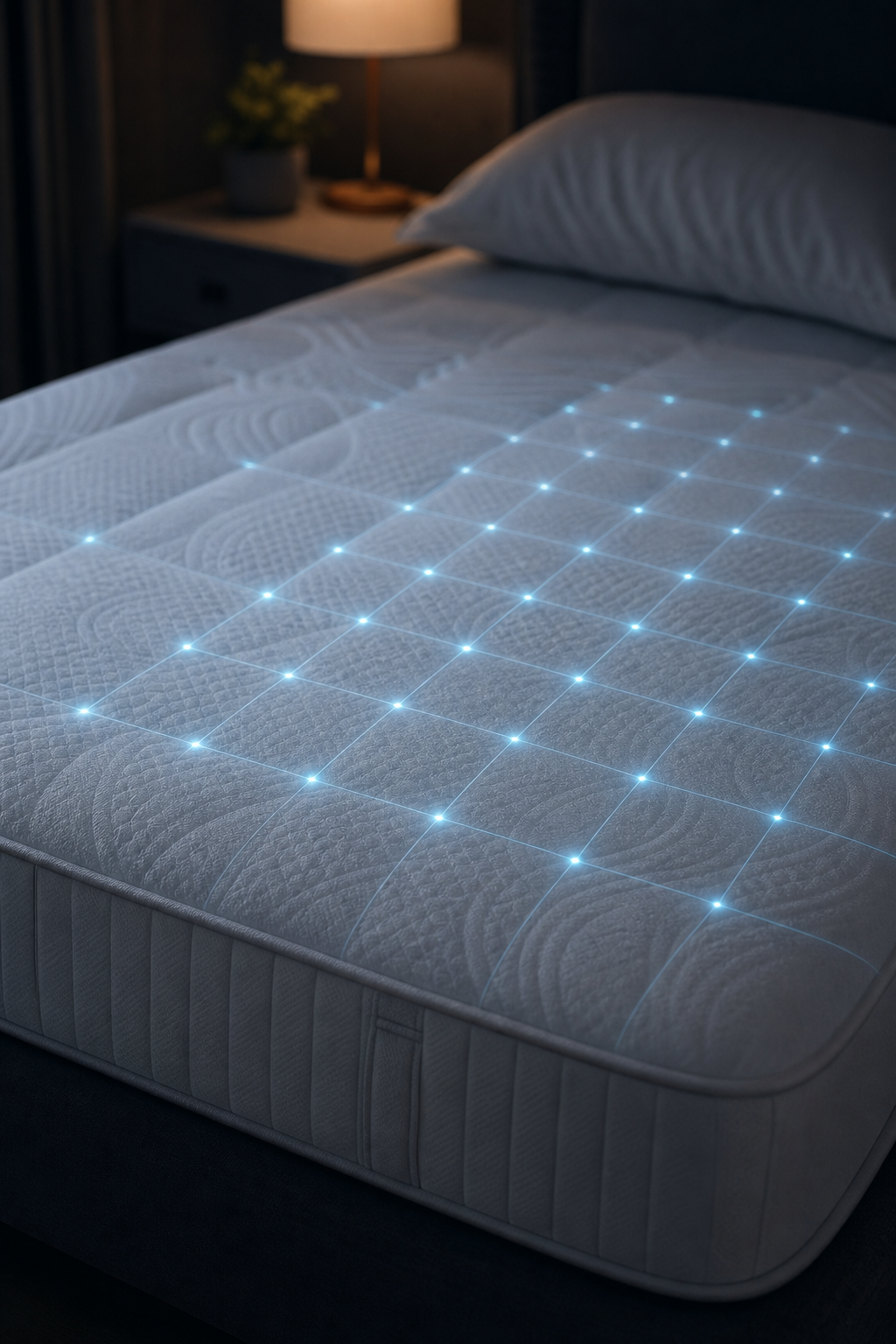
Some studies suggest they can. A feasibility study on air‑cell smart mattresses found they reduced pressure‑induced discomfort and improved sleep posture. That can mean fewer awakenings and more restful nights. Another study from Medical Daily noted that temperature regulation and reduced tossing and turning are common user benefits.
But the real promise of smart beds is personalized sleep health reporting. Sleep Number claims their 360 bed can add 170 hours of more restful sleep per year. Again, that’s not independently confirmed, but it suggests potential.
Beyond comfort, smart beds might help catch health issues early. The same Bed that tracks heart rate can also estimate heart rate variability (HRV). Low HRV can signal stress or illness. One video we saw featured a nurse who said her Eight Sleep pod warned her she was getting sick before she felt symptoms. That’s not a guarantee, but it shows the tech is monitoring more than just sleep.
AI‑driven analytics are also advancing. A study in PMC showed that personalized machine‑learning models improved insomnia risk detection by 60% compared to generic models. That means a bed that knows your baselines can spot when something’s off.
For people with sleep apnea, some smart beds can estimate the apnea‑hypopnea index (AHI). Devices like Sleep Number, Somnox, and Withings Sleep Analyzer can detect moderate‑to‑severe apnea. They aren’t replacements for a sleep study, but they can prompt you to see a doctor sooner.
Bottom line: Smart beds can give you early signals about health changes, but they’re not medical devices. Use the data to start conversations with your doctor, not to self‑diagnose.
Bottom line:While smart beds show promise for early health alerts and personalized sleep improvement, most quantified benefits come from manufacturer claims rather than independent studies.
Customizable Comfort: Firmness, Temperature, and Anti‑Snore Positioning
Beyond tracking, smart beds actively adjust to your needs. That’s where comfort meets technology.
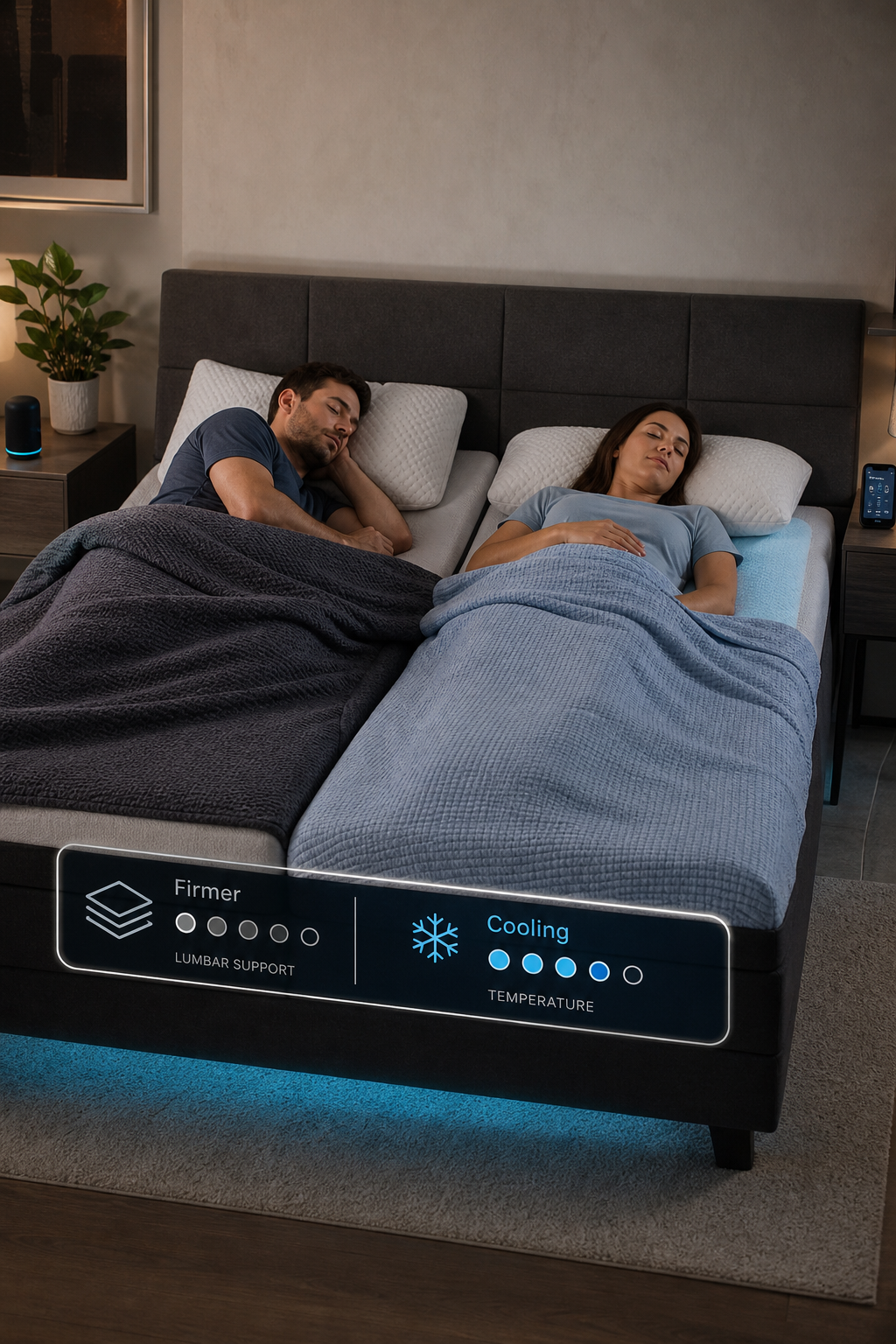
Most high‑end models let you change firmness on each side. Sleep Number uses air chambers that inflate or deflate based on your preference. You can set it to a number , or let the bed auto‑adjust throughout the night. Some models even use pressure mapping to find your ideal support.
Temperature control is another big feature. The Eight Sleep Pod Pro uses water‑cooled and heated active grid. It learns your preference and keeps each side of the bed at a different temperature. Studies show that a cooler bedroom (65‑68°F) helps you fall asleep faster and get deeper sleep. This bed makes that easy.
Anti‑snore positioning is a life‑saver for many couples. When the bed detects snoring, it gently raises your head a few degrees. This can open your airway and reduce snoring. One video mentioned a user’s dad found it a lifesaver. It’s not a cure for sleep apnea, but it helps.
Some beds even have massage features. Reverie’s 3D wave massage uses cycloidal vibrations to improve circulation and reduce stress. University studies (according to their marketing) showed users felt more rested and had more energy the next day.
Voice control is also becoming common. You can ask Alexa to take your bed to zero gravity or adjust the foot elevation. That’s handy if you like reading in bed.
But remember: more features don’t always mean better sleep. Some people prefer a simple mattress without all the tech. Think about what you actually need. If you and your partner argue over the thermostat, dual‑zone temperature control could be a game‑changer. If you never snore, skip the anti‑snore option.
Bottom line:Customizable comfort features address common sleep disruptors like temperature, snoring, and pressure points, making them one of the most practical smart bed benefits for sleep tracking and overall quality.
Data Privacy and Security: Who Owns Your Sleep Data?
Your bed knows when you’re asleep, when you’re awake, your heart rate, your breathing, and even your snoring. Who else has access to that data?
This is a legitimate concern. Smart beds collect intimate health information. According to smart bed statistics, privacy and data security are top worries for consumers. The data is often stored on company servers. Some brands share anonymized data for research. Others might use it for targeted ads.
You need to read the privacy policy before buying. Look for:
- Whether your data is encrypted during transmission and at rest.
- Whether the company can share data with third parties.
- Whether you can delete your data on demand.
Some brands, like Sleep Number, let you opt out of data collection. Others, like Eight Sleep, store the data to improve their algorithms. The 2026 trend is toward more transparency, but it’s still a mixed bag.
One counter‑intuitive insight from our research: only 4 out of 56 benefit items reported any quantified improvement, and the biggest figure came from a press release. That means the industry is heavy on marketing, light on independent validation. So when a company promises the moon with your data, be skeptical.
Bottom line: Your sleep data is valuable and personal. Choose a brand that’s upfront about how they handle it, and always read the fine print.
Bottom line:Smart beds collect sensitive health data, so you should verify each brand’s privacy practices and data retention policies before purchasing.
Cost, Durability, and ROI: Is a Smart Bed Worth the Investment?
Smart beds can cost anywhere from $1,500 for a basic model to over $10,000 for a fully featured one. That’s a lot of money. But if you look at it over 10 years, the daily cost might be lower than a fancy coffee.
Let’s break down the costs and what you get.
| Feature | Basic Smart Bed ($1,500‑$2,500) | Mid‑Range Smart Bed ($3,000‑$5,000) | Premium Smart Bed ($5,000‑$10,000+) |
|---|---|---|---|
| Sleep tracking | Yes (basic metrics) | Yes (detailed stages) | Yes (advanced, dual‑zone) |
| Adjustable firmness | No or limited | Yes (dual‑zone) | Yes (auto‑adjust) |
| Temperature control | No | Passive cooling | Active cooling/heating |
| Anti‑snore | No | Manual incline | Automatic detection |
| Warranty | 10 years | 10‑15 years | 15‑20 years |
| Smart home integration | Basic app | Voice control | Full IoT ecosystem |
Durability is another factor. Most smart beds last 7‑10 years. The foam and air chambers are generally reliable, but the electronics can fail. Look for long warranties on the tech components. Eight Sleep, for example, offers a 10‑year warranty on the foam and 2 years on the electronics.
Is the ROI worth it? It depends on how much you value better sleep. If a smart bed helps you sleep even 30 minutes more per night, that’s 182 hours per year. Over a decade, that’s 1,820 hours. If you value your time at $10/hour, that’s $18,200 worth of extra sleep. But that logic only works if the bed actually improves your sleep.
Consumer reviews suggest many users do see improvements, but they’re modest. The biggest gains come from temperature control and adjustable firmness for couples with different preferences.
If you’re on a budget, consider a smart mattress topper (like Eight Sleep’s Pod Cover) that adds tracking and temperature control to your existing mattress for around $1,000.
Bottom line:Smart beds are a significant investment, but the long‑term benefits in sleep quality and health monitoring can outweigh the upfront cost for many people.
Frequently Asked Questions
How accurate are smart beds for sleep tracking?
Smart beds are reasonably accurate for detecting heart rate, breathing, and sleep‑wake states , often within 85‑90% agreement with lab polysomnography. However, they’re less reliable for precise sleep stage detection (deep, light, REM). Use the data as a trend tool, not a medical diagnosis. A study on Sleep Number showed 0.86 AUC for sleep/wake detection, which is good but not perfect.
Can a smart bed help with sleep apnea?
Some smart beds can estimate the apnea‑hypopnea index (AHI) and detect moderate‑to‑severe sleep apnea. They can also raise your head to reduce snoring and positional apnea. However, they are not a replacement for a medical sleep study or CPAP therapy. If you suspect sleep apnea, see a doctor. The bed can provide helpful data to share with your sleep specialist.
Do smart beds work with existing mattresses?
Yes, some smart bed systems are designed as toppers that fit over your existing mattress. For example, Eight Sleep’s Pod Cover includes sensors and a water‑based temperature control hub. It can turn almost any mattress into a smart bed. This is a cost‑effective way to get the benefits of sleep tracking without buying a whole new mattress.
How does temperature control improve sleep?
Research shows that a cooler sleeping environment (around 65‑68°F) promotes faster sleep onset and deeper sleep. Smart beds with active cooling/heating adjust the bed’s surface temperature to your ideal setting. Some models learn your preference over time and auto‑adjust during the night. This can reduce night sweats and help you stay in deep sleep longer.
Is my sleep data private?
It depends on the brand. Most smart bed companies store your data on their servers and may share anonymized data for research. Some allow you to delete data or opt out of collection. Always read the privacy policy before buying. Look for encryption, third‑party audits, and clear statements about data sharing. Storing sensitive health data locally is rare, so assume your data enters the cloud.
What is the average lifespan of a smart mattress?
A high‑quality smart foam mattress typically lasts 7‑10 years. The electronic components (sensors, pumps, hub) may have a shorter lifespan , around 5‑7 years , depending on usage and maintenance. Warranties vary: foam often gets a 10‑year warranty, while electronics may only get 2 years. Check the fine print to see what’s covered.
Can smart beds be used by couples with different preferences?
Yes, most premium smart beds offer dual‑zone comfort. Each side can have its own firmness level, temperature setting, and anti‑snore positioning. The sensors also track each person independently. This makes them ideal for couples who disagree on mattress feel or temperature. Features like motion isolation also prevent one partner’s movements from disturbing the other.
Do I need Wi‑Fi for a smart bed to work?
Most smart beds require Wi‑Fi or Bluetooth to sync data with the app and receive firmware updates. However, basic comfort functions like adjusting firmness or using the massage feature usually work without an internet connection. The sleep tracking and smart features like auto‑adjust are only available when connected. If you lose internet, the bed continues to provide basic support.
Conclusion
Smart beds offer real promise for improving your sleep through tracking and personalized comfort. But the hype often outpaces the evidence. The biggestsmart bed benefits for sleep trackingcome from features like adjustable firmness, temperature control, and anti‑snore positioning , things that directly reduce sleep disruptions.
Data tracking can give you insights into your patterns and even early health warnings. But it’s not a magic solution. You still need good sleep hygiene: a consistent schedule, limited screen time before bed, and a calm environment.
If you’re considering a smart bed, start by identifying your biggest sleep struggles. Do you wake up hot? Does your partner’s snoring keep you up? Are you curious about your sleep quality? Match those needs to the features. And don’t forget to check privacy policies and warranty terms.
At SmartBeds.net, we believe better sleep is possible for everyone. We hope this guide has helped you see what smart beds can , and can’t , do. For more guidance on specific models, visit our Sleep Number Smart Bed Guide or explore other resources on our site. Sleep well!