Snoring can ruin a night for both of you. It feels like a storm that never ends. You’re tired, you’re annoyed, and you just want quiet. This guide shows how a smart bed for snoring partner can calm the noise, improve breathing, and bring peace back to your bedroom. We’ll walk through how the tech works, what features matter, how to set it up, how to link it to apps, and how to keep it running smooth. By the end, you’ll know exactly what to look for and how to make the most of your new bed.
Step 1: Understand How Smart Beds Address Snoring
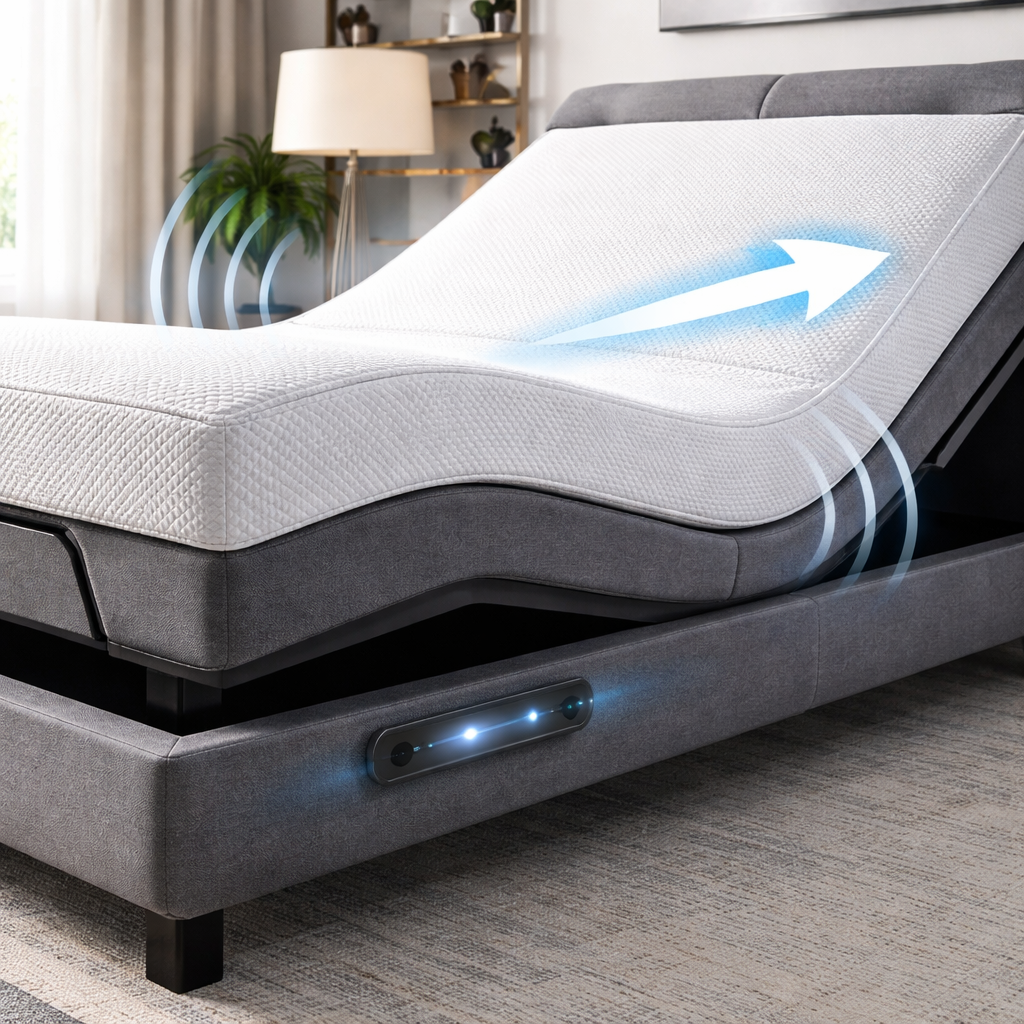
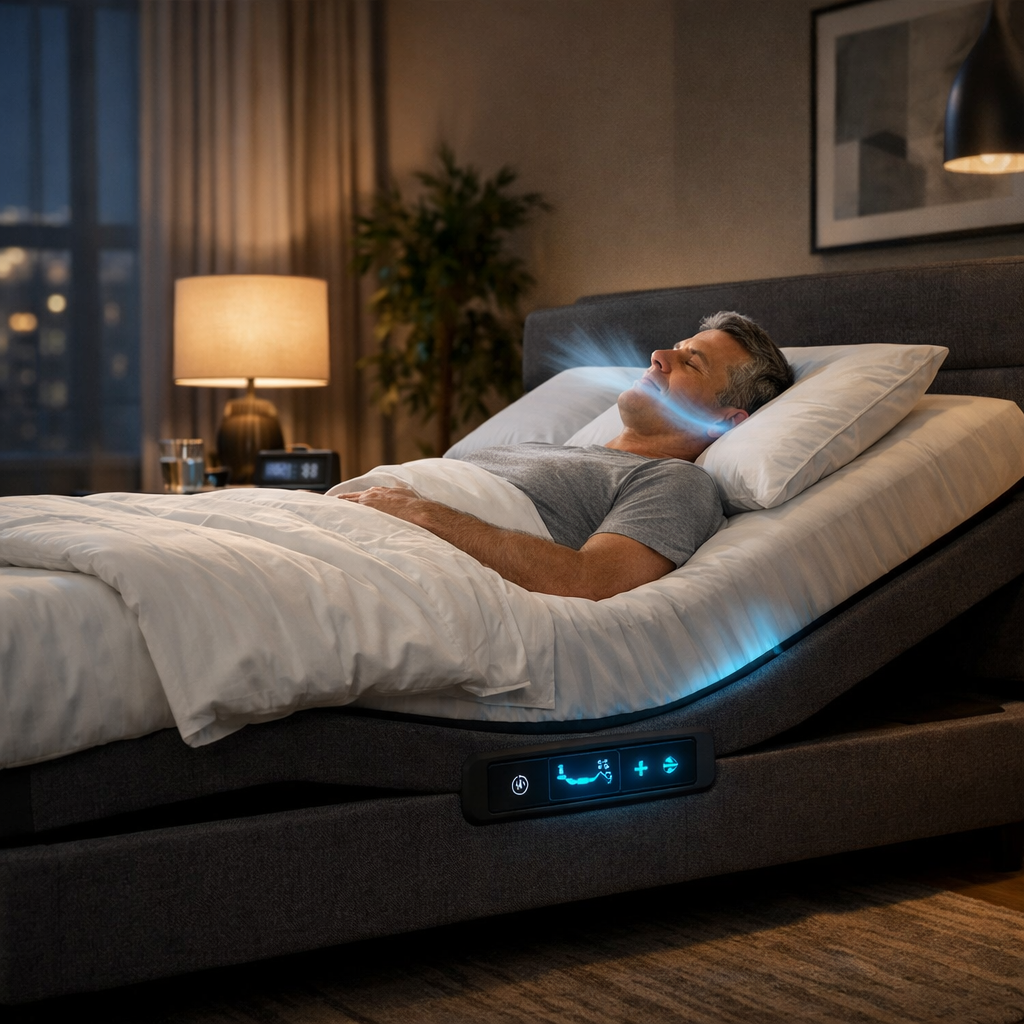
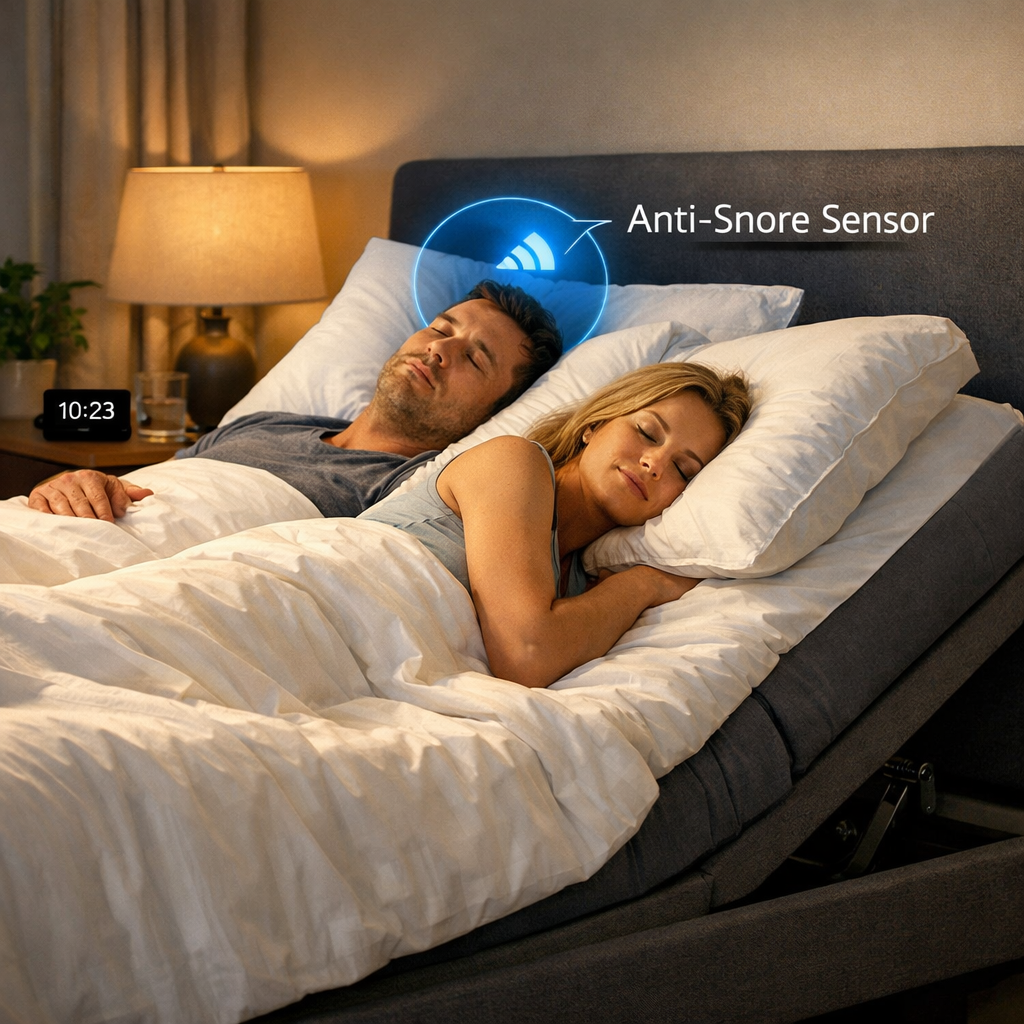
First, know what a smart bed does for snoring. It isn’t magic. It uses sensors, AI, and tiny motors to move the head just enough to open the airway. When the bed hears a snore, it lifts the head about 12 degrees. That angle can stop the vibration that makes the sound.
Tempur‑Ergo® Smart Bases call this Snore Response™. The base detects snoring and raises the head without waking you or your partner. The lift is smooth and quiet, so the snorer often doesn’t notice the move.
And that’s only one model. Research shows that only 10% of smart beds actually track a partner’s sleep or talk to Alexa or Google. Most rely on simple head‑tilt presets. The two that truly track a partner are Tempur‑Ergo Smart Base and Eight Sleep Pod 5. Those use clinical‑grade sensors and auto‑adjust without disturbing anyone.
But why does a small lift help? When you sleep on your back, gravity pulls the tongue and soft tissue toward the throat. This narrows the airway and makes the tissue vibrate. Raising the head changes the angle, lets gravity pull the tongue forward, and opens the airway.
And the technology keeps learning. Some beds have Sleeptracker‑AI® that watches breath rate, snore patterns, and room conditions. Each morning it gives you tips to improve sleep.
“The bed raises once about 12° in response to snoring. This may reduce snoring in otherwise healthy individuals who snore due to body positioning.”
And you’ll notice the difference quickly. One user said the snorer’s sound stopped within seconds. Another said the bed kept the snorer quiet all night, and the partner slept through.
Bottom line: A smart bed for snoring partner works by detecting snore sounds and raising the head just enough to keep the airway open, all without waking anyone.
Step 2: Key Smart Bed Features for Snoring Relief
Now that you know the basic idea, let’s look at the features that really matter when you shop for a smart bed for snoring partner.
Feature #1 , Automatic Head‑Raise. The bed must lift the head when it hears snoring. Look for a lift of at least 10‑12 degrees and a silent motor.
Feature #2 , Partner‑Sleep Tracking. Only a few models can sense both sleepers. This lets the bed know which side is snoring and adjusts only that side.
Feature #3 , Voice‑Assistant Integration. If you use Alexa or Google Home, a bed that talks to them can let you trigger anti‑snore mode with a voice command.
Feature #4 , Custom Presets. Some beds have “Anti‑Snore” presets that set the head to the ideal angle with one tap.
Feature #5 , Sleep Data Analytics. Detailed reports on snore frequency, breath rate, and sleep stages help you see progress over weeks.
And you’ll want a bed that blends into a couple’s routine. Split designs let each side have its own angle. Silent motors prevent you from hearing the adjustment.
| Feature | Why It Helps | What to Look For |
|---|---|---|
| Auto Head‑Raise | Opens airway quickly | 12° lift, < 0.5 s response |
| Partner Tracking | Only moves snorer’s side | Dual sensors, side‑specific lift |
| Voice Integration | Hands‑free control | Alexa & Google support |
| Anti‑Snore Preset | One‑tap set‑up | Preset button or app shortcut |
| Analytics Dashboard | Shows trends, helps adjust | Daily report, mobile app |
And don’t forget health facts. The CDC reports that obstructive sleep apnea affects millions of adults, and snoring is a common warning sign. A bed that can reduce snoring may also lower apnea risk.
Bottom line: Focus on auto head‑raise, partner tracking, voice integration, presets, and data analytics to pick the right smart bed for snoring partner.
Step 3: Setting Up Your Smart Bed for Maximum Snoring Reduction
Got the bed? Great. Now set it up so it works best for you and your snoring partner.
Step 1 , Position the Bed. Place the base on a sturdy floor. Keep it at least a foot away from walls so the motor can breathe.
Step 2 , Attach the Mattress. Follow the manufacturer’s guide. Most smart bases use a low‑profile connector that snaps in.
Step 3 , Connect Power. Plug the base into a grounded outlet. Avoid surge strips that can cut power to the sensors.
Step 4 , Calibrate Sensors. Most apps have a “Calibrate” button. Lie still for 30 seconds while the bed learns your breathing pattern.
Step 5 , Set the Anti‑Snore Angle. In the app, choose the angle you prefer (usually 10‑12°). Test it by breathing loudly; the bed should lift.
Step 6 , Enable Side‑Specific Control. If your bed is split, turn on side detection so only the snorer’s side moves.
Step 7 , Pair with Voice Assistant. If you use Alexa, say, “Alexa, turn on anti‑snore mode.” Follow the app prompts to link accounts.
And remember to keep the firmware updated. Updates often improve sensor accuracy.
Pro tip: Use the “Zero‑Gravity” setting for a short period each night. It can relieve pressure on the lungs and make the snorer more comfortable.
Bottom line: Proper placement, calibration, and angle setting are key steps to get the most snore reduction from your smart bed for snoring partner.
Step 4: Connecting Your Smart Bed with Sleep Tracking Apps
Data is power. When your smart bed talks to an app, you get insight into how well the anti‑snore tricks work.
Step 1 , Download the Official App. Look for the app name on the box or the manufacturer’s site. It will be free on iOS and Android.
Step 2 , Create an Account. Use an email you check often. This lets the app sync data across devices.
Step 3 , Pair the Bed. Turn on Bluetooth, then follow the in‑app steps. The app will show a list of nearby devices; pick yours.
Step 4 , Enable Sleep Data Sharing. Some apps let you share data with health platforms like Apple Health or Google Fit. Turn this on if you track overall wellness.
Step 5 , Set Up Snore Alerts. In the settings, choose to get a push notification when the bed raises the head. You can also get a daily summary.
Step 6 , Review the Dashboard. Look for trends: number of snore events, average angle, sleep stages. If snoring drops over weeks, you’re on the right track.
And you can link the data to a coach or doctor. Many apps let you export a CSV file for a health professional.
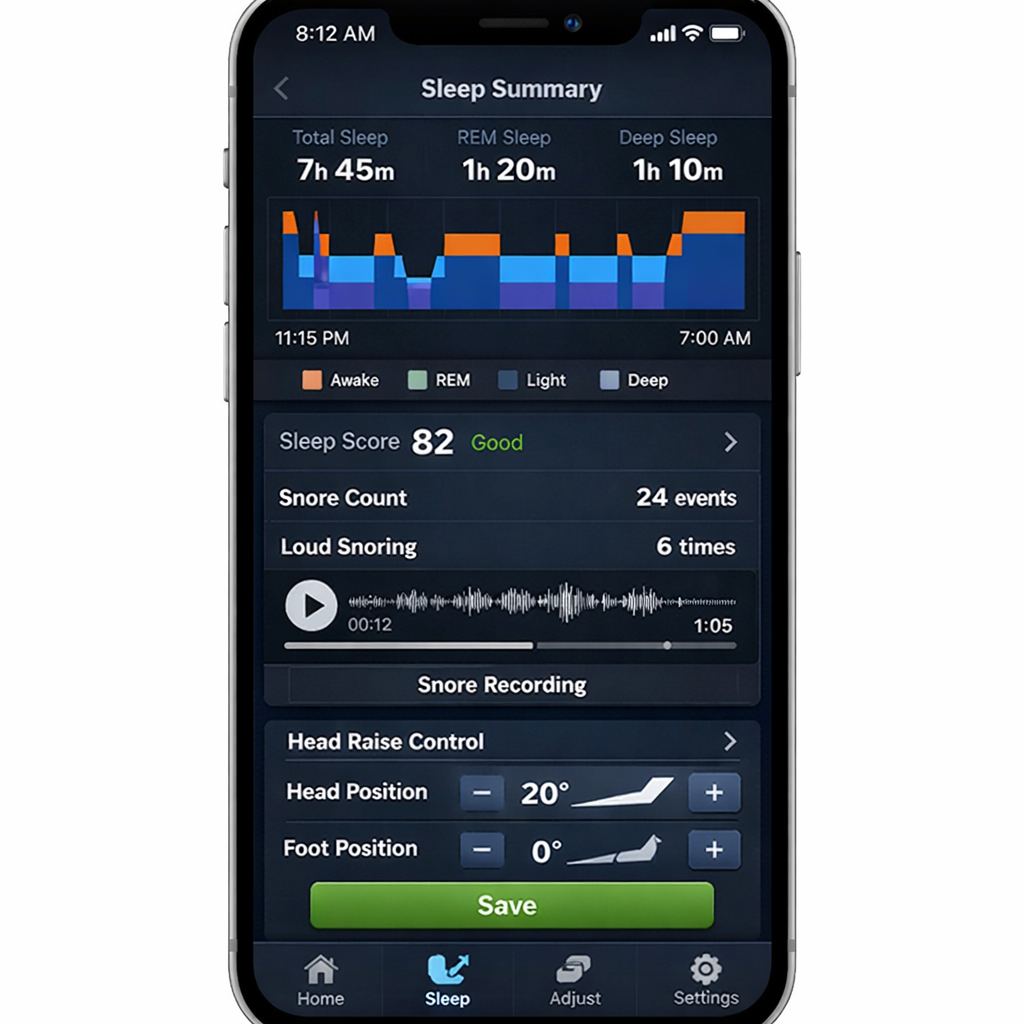
According to the National Heart, Lung, and Blood Institute, tracking sleep metrics can help identify patterns that lead to better health outcomes.
Bottom line: Pair your smart bed with its companion app, enable alerts, and review the data regularly to keep snoring under control.
Step 5: Maintaining Your Smart Bed for Long-Term Results
A smart bed is an investment. Keep it in good shape so it keeps helping your snoring partner.
Routine 1 , Clean the Base. Wipe the motor and sensors with a dry cloth monthly. Avoid liquids.
Routine 2 , Update Firmware. Check the app for updates each month. New versions often fix bugs that affect sensor accuracy.
Routine 3 , Inspect the Mattress. Look for sagging or broken coils that can affect sensor placement.
Routine 4 , Test the Motors. Every few weeks, run the head‑raise and foot‑raise functions. Listen for odd noises.
Routine 5 , Review Privacy Settings. Make sure only you can see the sleep data. Turn off data sharing you don’t need.
And if you notice the bed isn’t responding to snore sounds, run a sensor recalibration. Most apps have a “Reset Sensors” button.
Bottom line: Regular cleaning, firmware updates, and sensor checks keep your smart bed for snoring partner effective for years.
Frequently Asked Questions
Can a smart bed completely stop a partner’s snoring?
A smart bed can reduce snoring a lot, but it may not erase it fully. The auto‑raise feature opens the airway, which helps most people. If the snorer has severe sleep apnea, they may still need a CPAP machine or doctor’s help. Use the bed as part of a broader plan.
Do I need a special mattress for a smart bed?
No, you can use most mattresses that fit the base size. However, a flexible mattress like an organic latex or memory foam works best with the lift motion. It bends with the angle and stays comfortable.
How loud is the motor when it lifts the head?
The best smart beds have whisper‑quiet motors that sound like a soft click. Most users report hearing nothing unless they’re right next to the base. Look for reviews that mention “silent” or “quiet” operation.
Is the data from the smart bed safe?
Most reputable brands encrypt data in transit and let you control who sees it. Check the privacy policy in the app. Turn off cloud syncing if you prefer local storage only.
Can I use the anti‑snore feature without the app?
Yes. Many beds have a physical button or remote that triggers the anti‑snore mode. The app just gives you more fine‑tuning options and reports.
Do both sides of a split smart bed work independently?
When the model supports partner tracking, each side has its own sensor and motor. The bed will only raise the side that detects snoring, leaving the other side flat.
Will the smart bed work with my existing smart home devices?
If the bed lists Alexa or Google Assistant integration, you can add it to your smart home routine. You can set a nightly scene that lowers the lights, starts a soothing sound, and enables anti‑snore mode.
How often should I replace a smart bed?
Smart bases usually last 10‑15 years. The mattress may need replacement sooner, around 8‑10 years depending on wear. Keep an eye on sensor accuracy; if it drops, it may be time for a new base.
Conclusion
Living with a snoring partner can feel endless. A smart bed for snoring partner gives you a tech‑based way to quiet the night without harsh gadgets or awkward pillows. You now know how the tech works, which features truly matter, how to set it up, how to link it to apps, and how to keep it running smooth for years.
SmartBeds.net has spent years testing these beds and we’ve found the Tempur‑Ergo Smart Base and Eight Sleep Pod 5 to be the only truly partner‑aware options. If you want a reliable, quiet, and data‑rich solution, start there. And remember, a good bed works best with healthy habits: keep a steady sleep schedule, stay at a healthy weight, and avoid alcohol before bed.
Ready to try? Check out our Smart Beds That Stop Snoring Automatically , 2026 Guide for a deeper dive into the top picks and how to buy with confidence.
Sleep better. Wake refreshed. Give both you and your partner the quiet night you deserve.