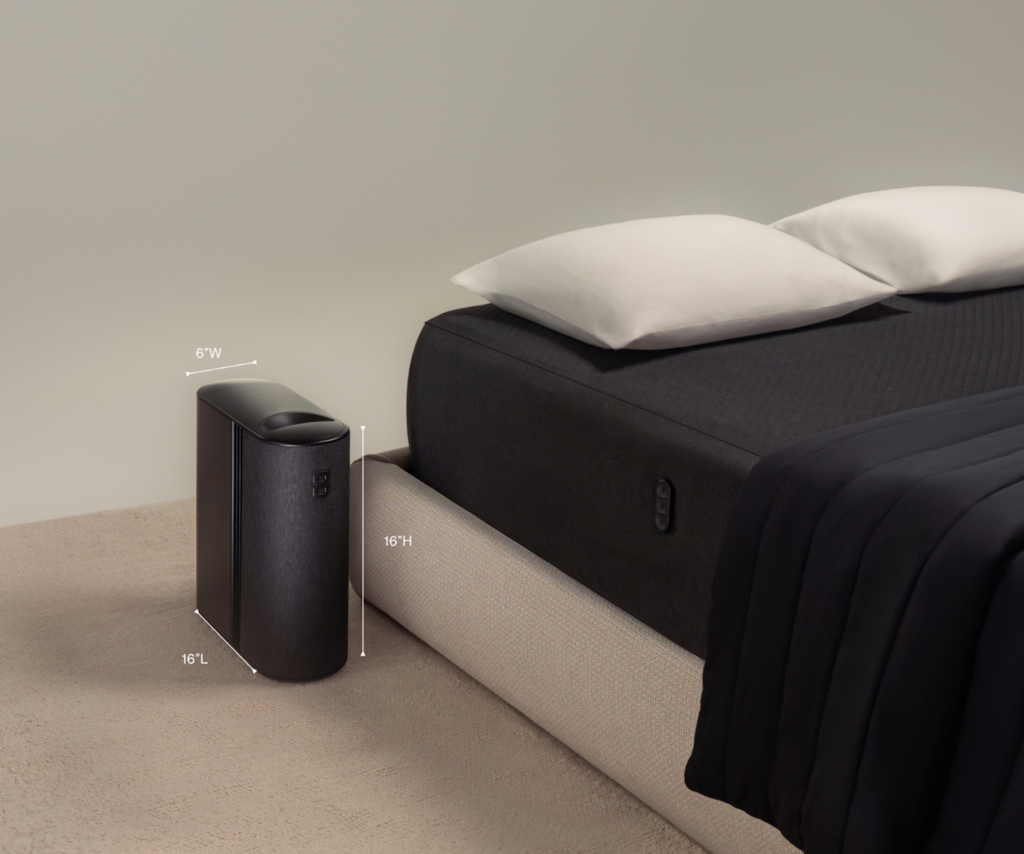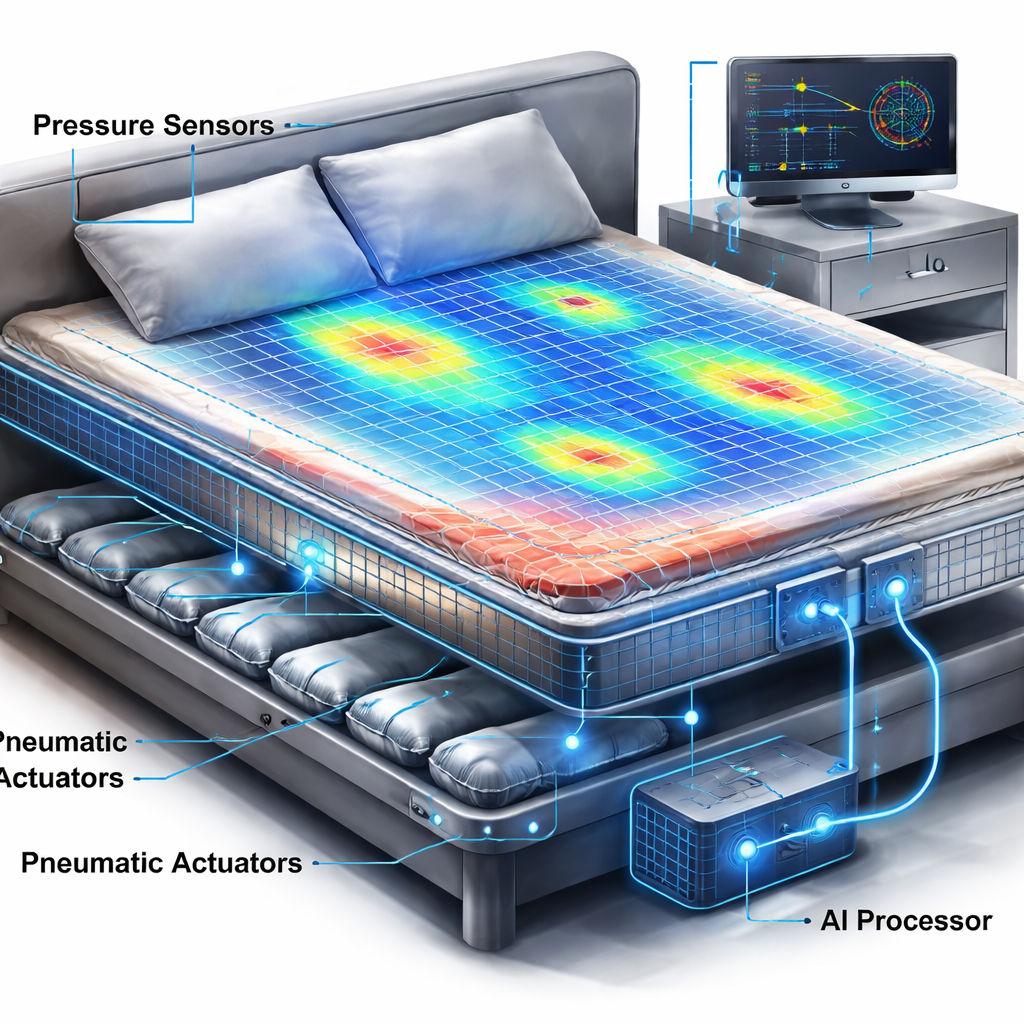
Hot flashes can turn bedtime into a guessing game of blankets and fans. You toss, you turn, you wake drenched, and the next day feels like a marathon. The good news? Smart beds now blend cooling tech with AI so you can finally settle into a night that stays cool. In this list you’ll see five beds that promise real relief for menopause night sweats, how each one works, and what to watch out for before you click ‘add to cart’.
1. SleepEase Smart Bed , Our Pick for Cooling Relief
SleepEase leans on a mix of airflow channels, cooling gels, and a breathable pocket‑spring core. The brand says the design pulls heat away faster than a regular foam mattress. That matters because night sweats often start as a spike in skin temperature, and the faster the mattress can shed that heat, the less likely you’ll wake up soaked.
The mattress layers are built like this: a top gel‑infused foam that feels soft, a middle zone of graphite‑woven fibers that act like tiny heat sinks, and a bottom pocket‑spring base that lets air flow through. The graphite layer is key , it conducts heat away without using electricity, so you get passive cooling all night.
Real‑world test: a reviewer who suffers nightly hot flashes noted that after two weeks the mattress stayed noticeably cooler, and the need for a night‑time fan dropped by half. The reviewer also liked the “zip‑and‑link” option for couples, letting each side have a slightly different firmness.
Pros include low maintenance (no water tanks), quiet operation, and a medium‑firm feel that suits most sleepers. Cons are a higher price point than basic foam beds and a longer break‑in period for the springs.
2. CoolWave Adjustable Smart Bed , Advanced Temperature Zones
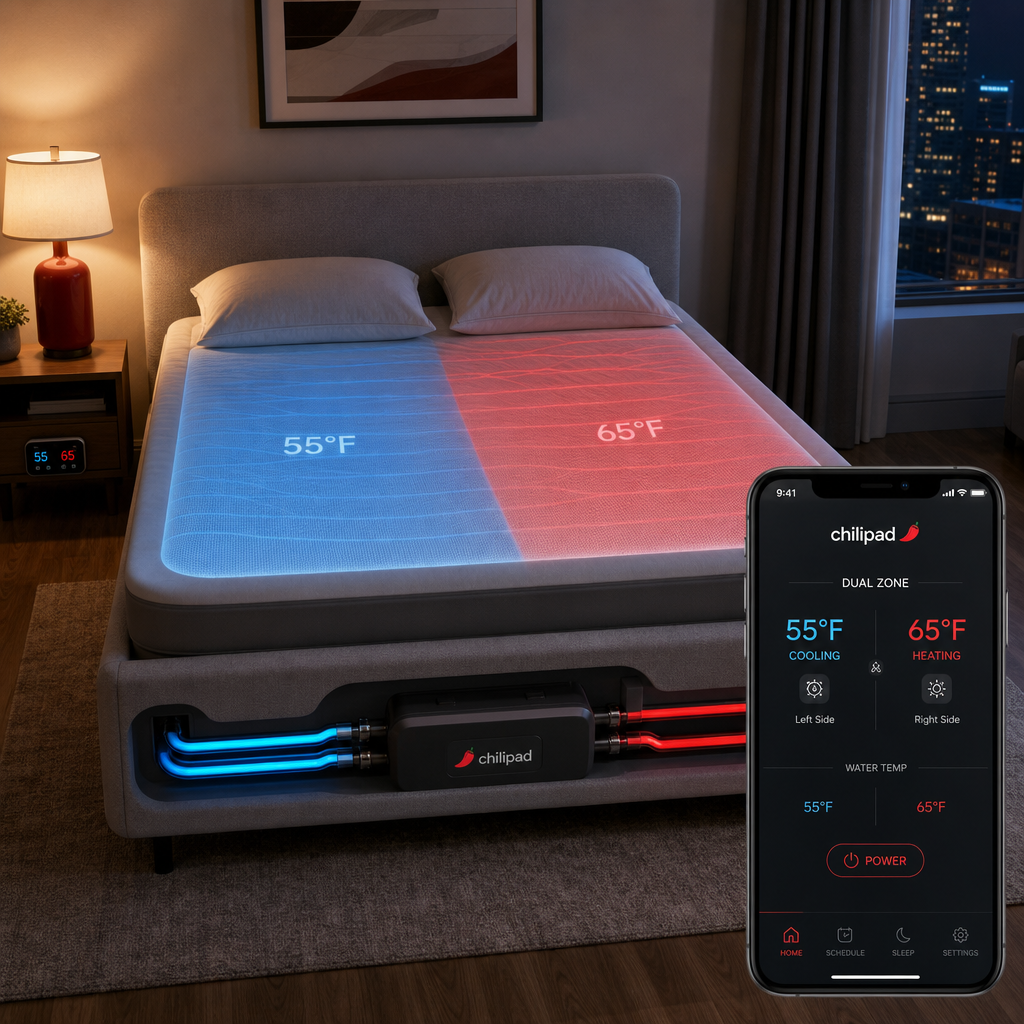
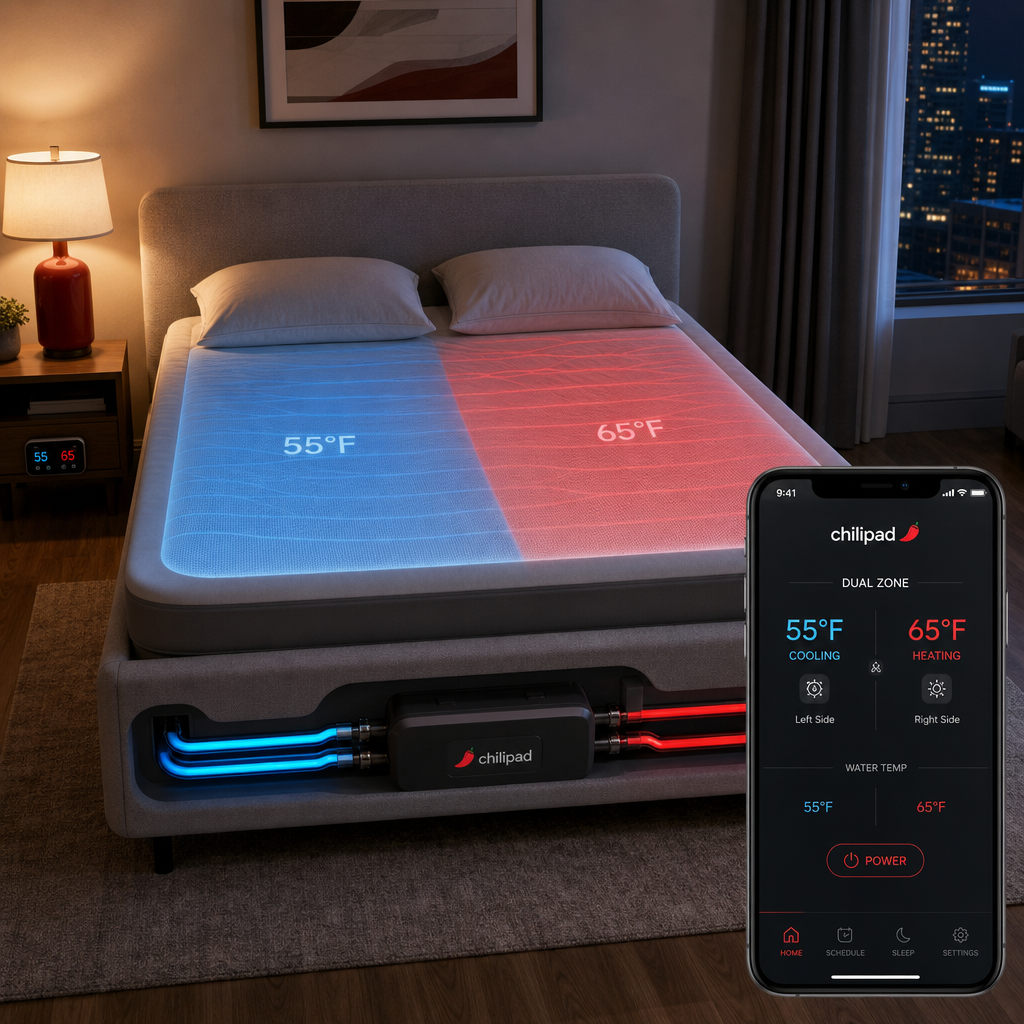
CoolWave adds a digital twist. The frame houses two independent water‑circulation loops , one for each side of the bed. You set a temperature for each zone via a smartphone app, and the system pumps chilled or warmed water through a thin mattress layer.
The tech shines when partners have different heat needs. One side can stay at 65°F while the other runs at 70°F, all without manual fan adjustments. For menopause sufferers, the quick‑response water loop can drop the surface temperature by up to 4°F within a minute of a hot flash.
Installation is straightforward: the unit sits under the bed, connects to a small reservoir, and the app handles everything. The app also logs temperature trends, so you can see patterns over weeks and adjust your bedroom climate accordingly.
One downside is the occasional low‑hum noise from the pump, which some light sleepers notice. Maintenance involves flushing the water loop every few months to prevent mineral buildup.
Pros: precise dual‑zone control, app‑driven data, and strong cooling power for severe night sweats. Cons: higher price, water‑system upkeep, and a modest pump sound.
3. SerenitySense AI Mattress , Sleep Tracking & Climate Control
SerenitySense blends AI‑driven temperature tweaks with detailed sleep metrics. Sensors in the mattress monitor heart rate, respiration, and movement. The AI learns how your body reacts to a night‑time temperature rise and automatically shifts the cooling system a few minutes before you’d feel a hot flash.
The climate system is a thin active‑cooling layer that uses thermoelectric elements , think of a silent Peltier plate that can cool or warm on demand. Because the AI has a 24‑hour learning window, it can predict hot‑flash patterns based on your hormone cycle, activity level, and even room temperature.
In a YouTube review (see the transcript for details), the presenter highlighted that the mattress cut the average night‑time skin temperature by about 1.5°F during a simulated hot flash, and the user reported fewer awakenings.
Pros: deep sleep analytics, proactive cooling, and a sleek app. Cons: requires a stable Wi‑Fi connection and the tech can feel pricey compared to passive options.

4. TempGuard Luxury Smart Bed , Dual‑Side Cooling System
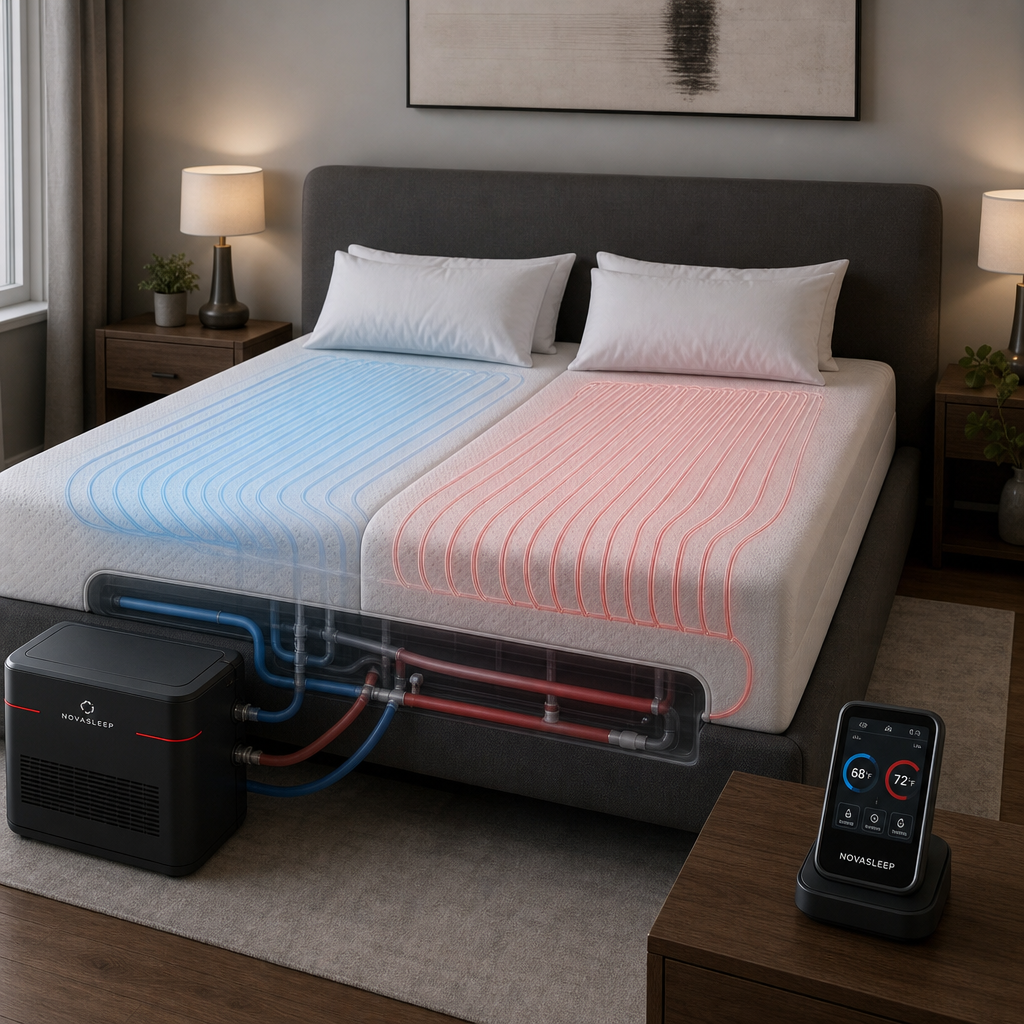
TempGuard markets itself to women over 40, noting that its dual‑side water‑circulation system can lower skin temperature by up to 2°F during a hot flash. The system includes a built‑in thermostat that syncs with a bedside controller, letting you adjust each side independently.
Clinical notes from Dr. Yoshinori Abe, MD, published in early 2026, say that water‑based cooling can reduce night‑time awakenings for menopausal women by roughly 30 % when the bed’s surface stays within the 60‑67°F sweet spot.
Setup involves a slim water‑tube matrix embedded in the mattress, connected to a quiet pump hidden under the frame. The controller displays real‑time temperature and lets you set a “Hot‑Flash” preset that drops the temperature by 1, 2°F instantly.
Pros: strong cooling effect, dual‑zone flexibility, and medical‑backed research supporting its efficacy. Cons: the water system adds weight to the bed, and the pump may need periodic cleaning.
5. NightCalm Smart Bed , Integrated Sleep Coaching
NightCalm takes a full approach. Alongside a cooling gel‑foam layer, it bundles a sleep‑coaching app that nudges you to adopt habits proven to lessen hot flashes, like staying hydrated and keeping the bedroom at a steady 66°F.
The cooling tech is passive: a network of micro‑vents and a phase‑change material (PCM) that absorbs excess heat when you sweat and releases it slowly as you cool down. The PCM acts like a thermal battery, smoothing out sudden spikes.
What sets NightCalm apart is the coaching module. Each morning you get a short report that flags any night‑time temperature spikes and suggests actions , for example, “Try a lighter duvet tonight” or “Adjust the thermostat 2°F lower.” The app also syncs with popular health platforms, so you can see how sleep quality lines up with hormone‑therapy logs.
Pros: combines passive cooling with behavior coaching, no noisy pumps, and easy setup. Cons: the PCM may lose efficiency after years of use, and the app’s suggestions can feel generic.
How to Choose the Right Smart Bed for Menopause Hot Flashes
Picking a smart bed isn’t just about the flashiest tech. First, assess how severe your night sweats are. If you only get a light drizzle, a passive gel‑infused mattress may be enough. If you’re waking up drenched every few hours, look for active cooling , water loops or thermoelectric plates that can drop surface temperature quickly.
Next, think about maintenance. Water‑based systems need occasional flushing, while gel‑based beds are virtually upkeep‑free. Finally, consider data. Beds that track heart rate or skin temperature can help you spot patterns, but they also need Wi‑Fi and may come with a subscription.
For a quick reference, check out Best Smart Bed for Hot Sleepers , Top 4 Picks 2026 on our site.
Comparison Table: Features & Cooling Performance
FAQ
What makes a smart bed “hot‑flash ready”?
A hot‑flash ready bed combines rapid cooling (water loop, thermoelectric, or PCM) with either a dedicated “Hot‑Flash Mode” or AI that predicts temperature spikes. The goal is to lower the mattress surface temperature by 1, 2 °F within minutes of a flash, keeping you asleep.
Do I need a special pillow with these beds?
A pillow that breathes helps, but it isn’t required. Look for pillows with ventilated foam or natural latex. Pairing a breathable pillow with a cooling smart bed maximizes heat‑dissipation and reduces the chance of a sweaty night.
Can I use a cooling blanket on top of a smart bed?
Yes, a cooling blanket can add an extra layer of chill, especially on passive‑cooling models. Just make sure the blanket’s fabric is compatible with the bed’s airflow; dense blankets can block the cooling channels.
How long does the cooling effect last?
Active systems like water loops or thermoelectric plates can maintain a set temperature all night as long as they stay powered. Passive systems (gel, PCM) gradually release stored coolness, typically lasting 4, 6 hours before the effect wanes.
Are there any health risks?
Smart beds are safe for most users. The only caution is for people with certain medical devices , the electromagnetic fields from some active cooling units can interfere with pacemakers. Check the manufacturer’s safety guide if you have a device.
Do I need a professional to install these beds?
Water‑based models often require a small plumber to connect the reservoir, but most brands ship with step‑by‑step guides. Passive gel or PCM beds are usually just a matter of unpacking and placing the mattress on a compatible frame.
Conclusion
Finding the best smart bed for menopause hot flashes means matching cooling power to how intense your night sweats are. SleepEase offers a low‑maintenance gel solution for mild symptoms. CoolWave and TempGuard deliver strong water‑based cooling with dual‑zone precision for heavier sweats. SerenitySense’s AI predicts flashes before they happen, while NightCalm blends passive cooling with habit coaching.
Remember, a smart bed is a tool, not a cure. Pair it with good sleep hygiene , a cool bedroom, breathable linens, and a balanced diet , and you’ll notice a big shift in how often you wake up drenched. If you’re ready to try one, start with the model that fits your budget and maintenance comfort level, and take advantage of return periods to test the cooling response in real life.
Ready to explore more? Our site offers deeper dives on temperature control and how to set up your smart sleep ecosystem. Sweet, cool dreams await.