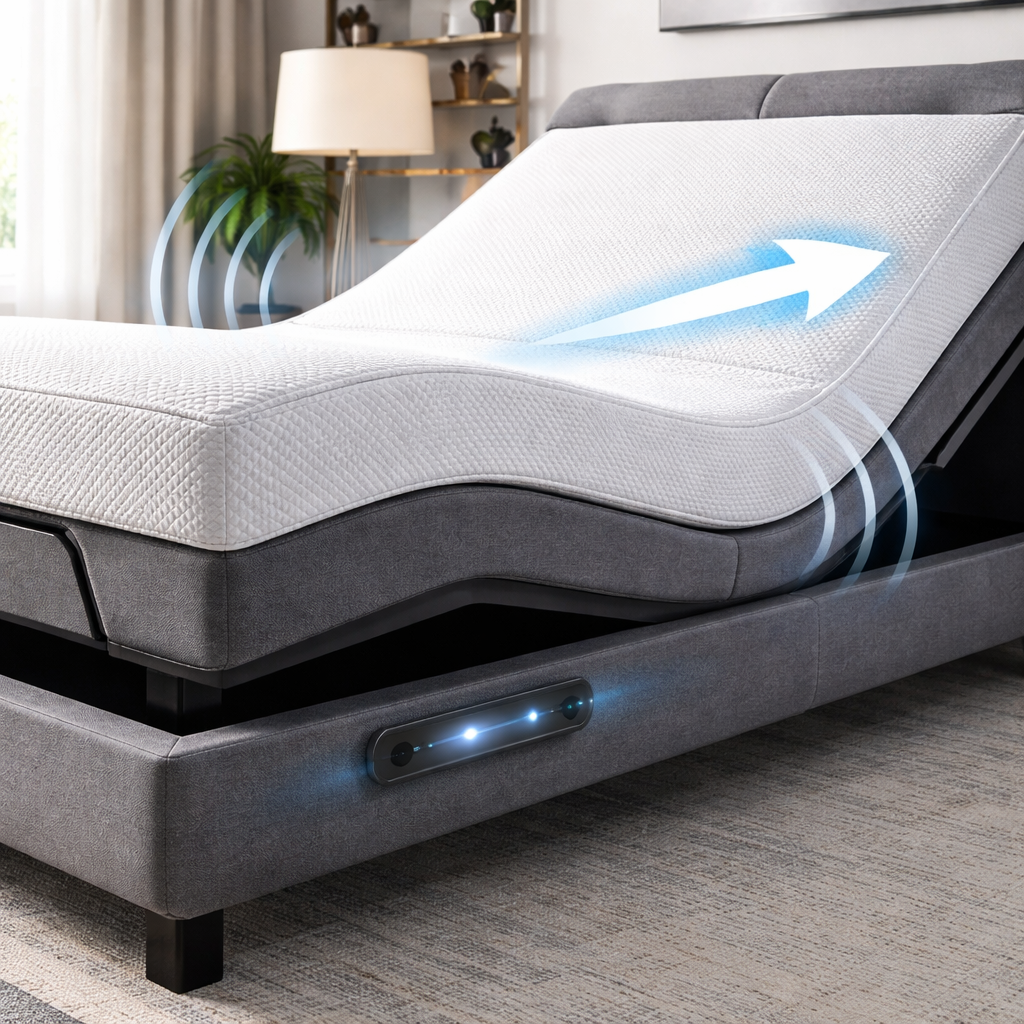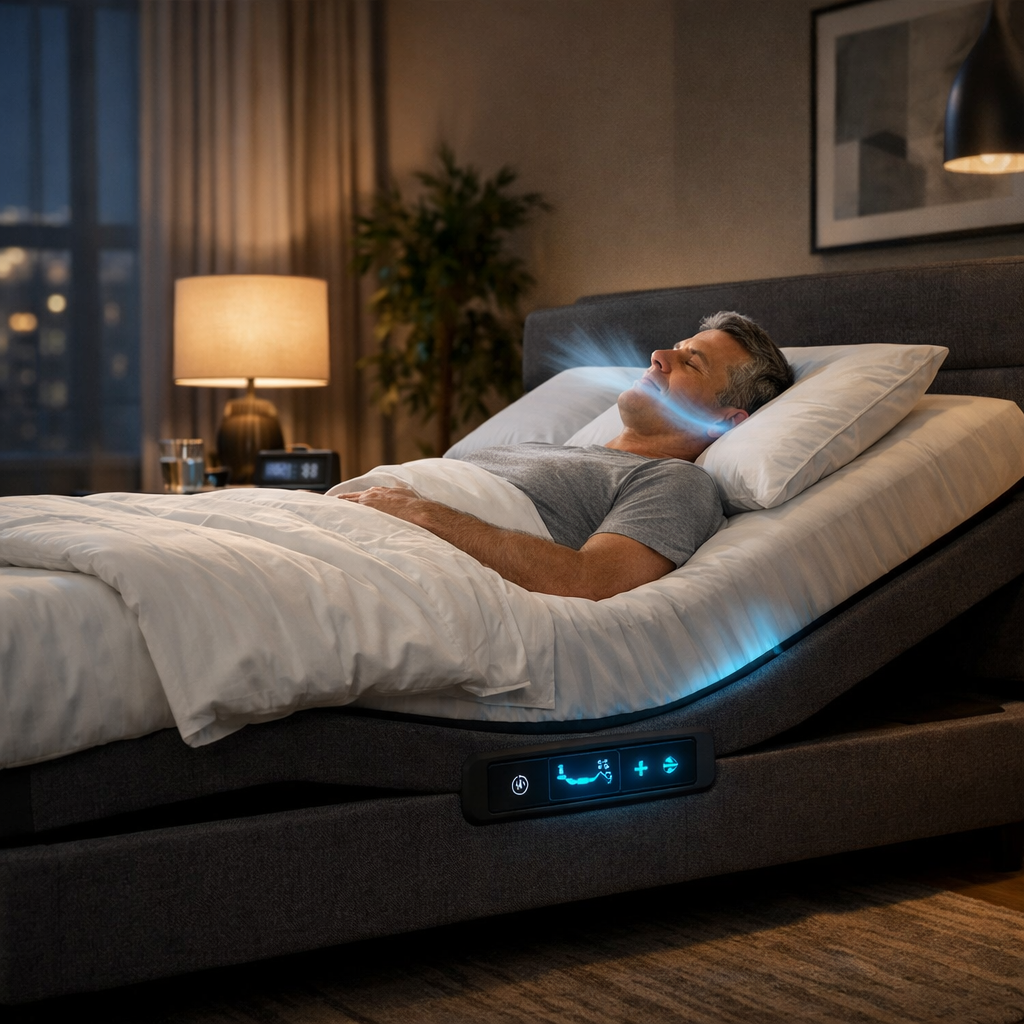
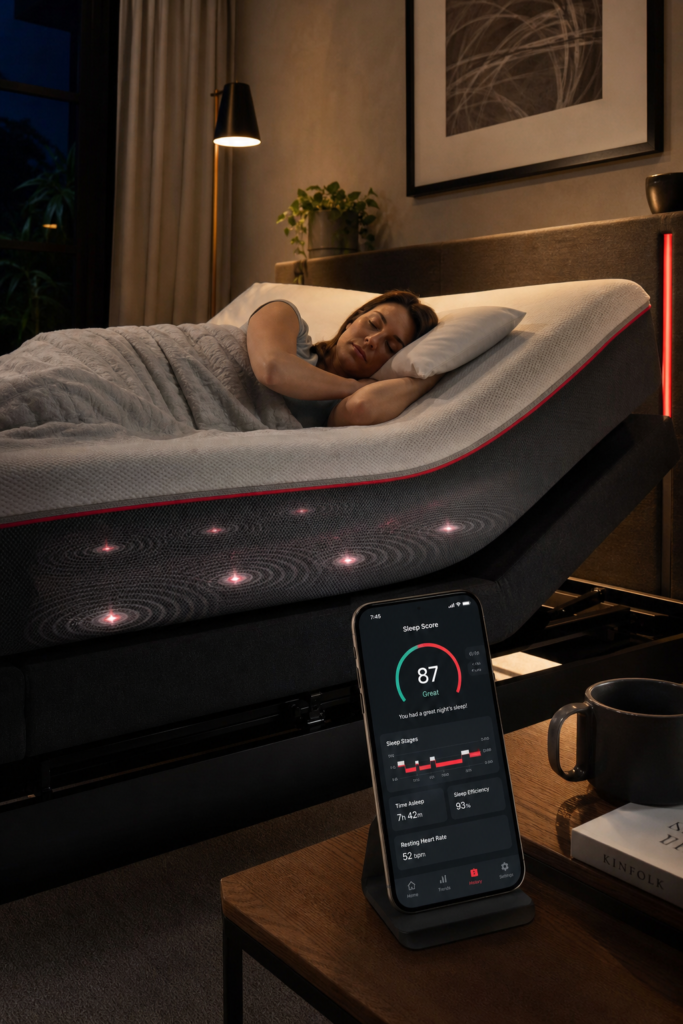
Snoring can wreck a good night’s sleep for you and anyone sharing your room. It’s noisy, it can be a sign of deeper health issues, and it often feels out of your control. The good news? New sleep tech promises to quiet the night without a bulky CPAP machine. In this guide we’ll break down what a smart bed actually does, how it tries to stop snoring, what features really matter, and how to pick a model that fits your life.
What Is a Smart Bed?
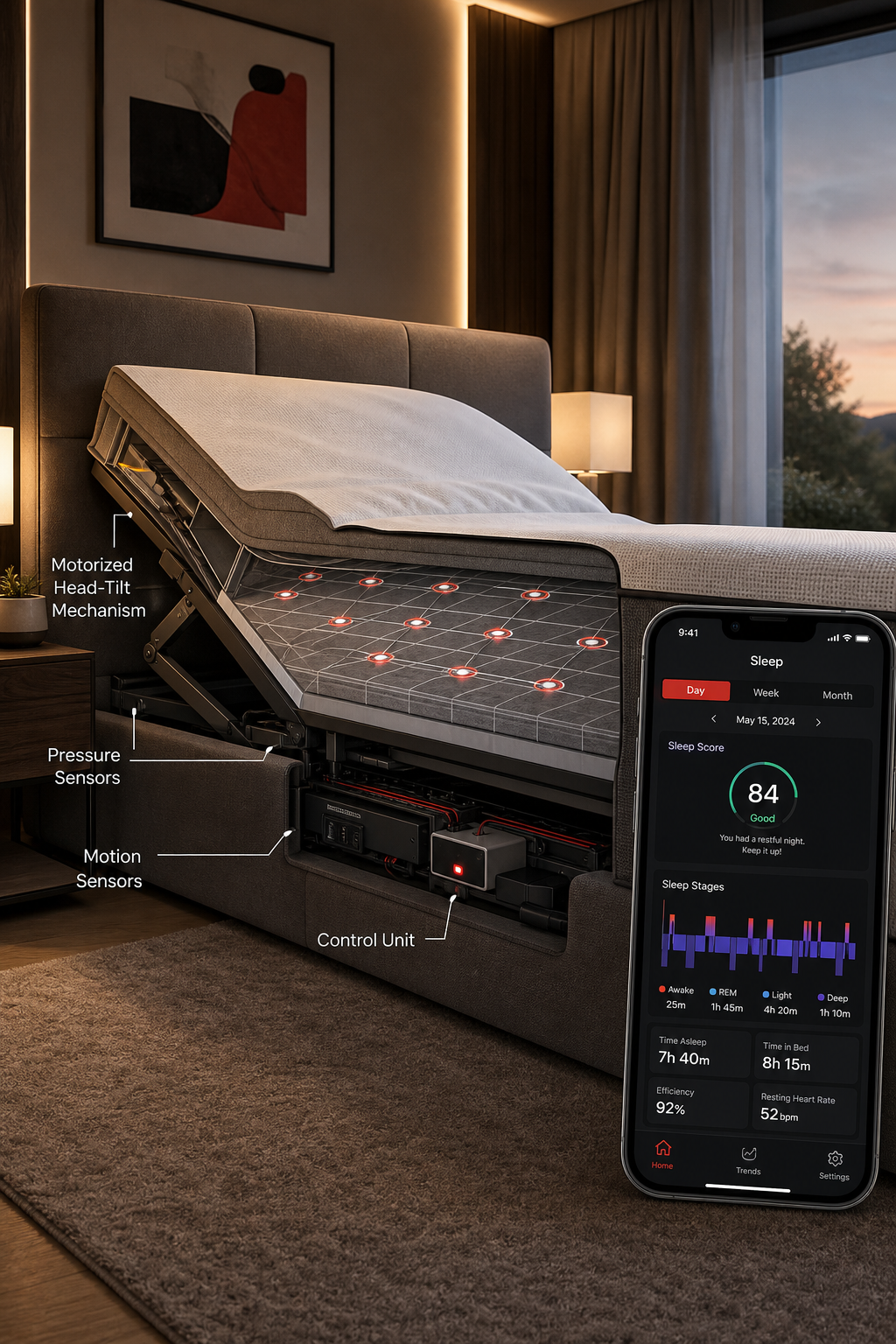
A smart bed is more than a comfy mattress. It blends a regular sleep surface with sensors, actuators, and software that watch how you move, breathe, and rest. The bed then uses that data to make tiny adjustments , like raising the head or changing firmness , while you sleep.
Think of it as a gentle coach that watches your night and nudges you into better positions. In hospitals, smart beds can track heart rate, blood pressure, and even alert staff to emergencies (News‑Medical). At home the same sensor tech can listen for snore sounds, sense your breathing rhythm, and move the base just enough to open the airway.
Most smart beds use a network of pressure mats, microphones, and sometimes infrared cameras. The data streams to an app on your phone, where you can s. Some brands add AI that learns your patterns over weeks and predicts the best angle before you even start snoring.
Here’s where the hype meets reality: a recent market scan found that only six percent of 18 models actually use AI‑driven sleep optimization, and just eleven percent can auto‑adjust position. The rest rely on a fixed 12° head‑tilt when snore is detected. So while the idea sounds futuristic, many beds still use a simple one‑size‑fits‑all approach.
For a deeper look at how these beds tackle snoring, at Top Guide: How a Smart Bed Helps With Snoring Problems in 2026. It walks through the tech step by step, so you know what to expect before you buy.
Snoring itself is caused by the vibration of soft tissue in the throat when airflow is restricted. Wikipedia explains that the louder the sound, the tighter the airway usually is. A smart bed can address this by changing the angle of the head, altering pressure zones, or even delivering gentle vibrations to prompt a shift in position.
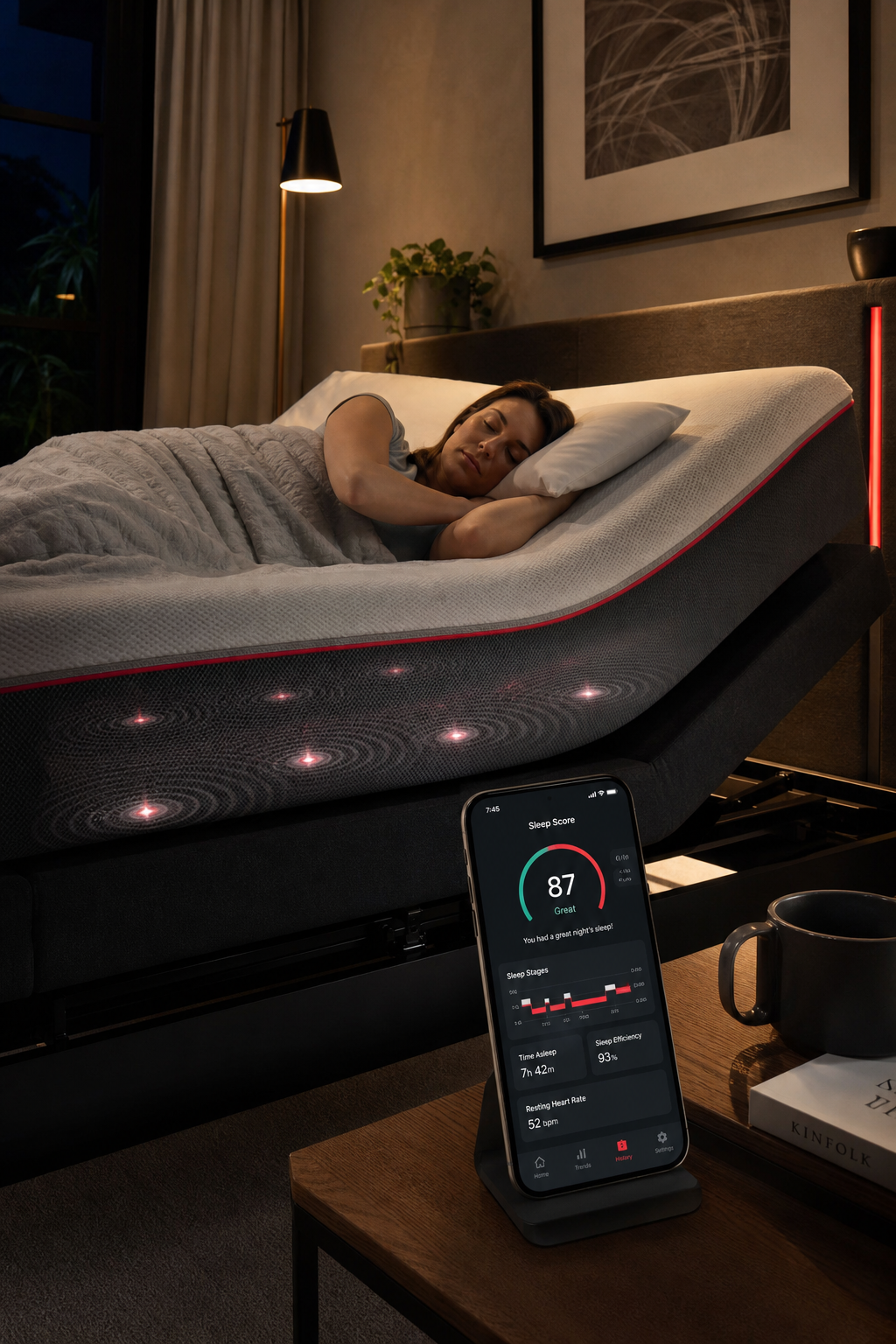
How Smart Beds Detect and Respond to Snoring
Detection starts with a microphone or a pressure sensor built into the base. When the sensor picks up a snore‑like sound pattern, it sends a signal to the bed’s controller. Some higher‑end models also watch breathing rate through a radar‑based sensor, which can tell the difference between a true snore and a simple throat clearing.
Once snore is confirmed, the controller decides how to act. The most common response is a quick head‑tilt , usually about 12 degrees , that opens the airway. A few beds add a short vibration to nudge you into a new position without waking you.
More advanced systems run a lightweight AI model on the edge (the bed itself). The AI looks at past snore events, your preferred sleeping side, and even room temperature. It then predicts the optimal angle and adjusts the base before the snore peaks.
Below is a quick comparison of detection methods and typical responses across popular smart beds.
Because the sensor suite varies, so does the speed of response. A microphone‑only system may take a second or two to register the snore, while a radar sensor can react in under half a second. Faster response usually means less snore spillover into your partner’s sleep.
Most beds also log each adjustment, so the app can show you how often the bed moved and how that correlated with snore reduction. This data helps you fine‑tune settings, such as the tilt angle or vibration strength.
Key Features That Influence Snoring Reduction
Not all smart beds are built the same. Below are the features that actually move the needle on snoring.
1. Adjustable Head‑Tilt Mechanism, The most direct way to open the airway. Look for a motor that can raise the head in small increments (2‑3°) and does so quietly.
2. Snore Detection Sensor, Quality matters. A dual‑microphone array can filter out background noise, while a radar sensor can sense breathing irregularities without sound.
3. AI‑Powered Sleep Tracker, AI can learn your typical snore triggers (e.g., sleeping on your back) and pre‑emptively adjust the base before snoring starts.
4. Vibration or Gentle Pulse, Some beds send a mild pulse through the mattress to encourage a shift without a big movement. This works best for light snorers.
5. Temperature Regulation, A cooler sleeping environment can reduce airway swelling, which in turn lowers snore intensity. Look for built‑in cooling layers or active temperature control.
6. Integrated App Insights, An app that shows nightly snore counts, angle changes, and breathing patterns lets you see what works and what doesn’t.
When you compare models, ask yourself: Does the bed let me customize the tilt angle? Can I turn AI on or off? Is the sensor suite reliable in a noisy bedroom?
One real‑world example comes from a user of the ErgoSportive system. The bed’s Auto Anti‑Snore function lifted the head just enough to stop the partner’s nightly interruptions, and the accompanying app gave a clear graph of snore events before and after the change.
Remember, the best feature is the one you’ll actually use. If you hate fiddling with apps, pick a bed with a simple one‑button tilt. If you love data, choose a model with deep analytics and AI suggestions.
Operational Evidence: Studies and User Experiences
Science is still catching up with the hype. Small pilot studies have begun to measure how smart beds affect snoring and mild sleep apnea. One 2023 pilot study published in the journal Sensors found that an AI‑powered smart bed reduced snore events by about 30% in a group of 20 volunteers (PubMed). The researchers noted that the biggest gains came from beds that could adjust the head angle dynamically rather than using a fixed tilt.
Another clinical evaluation from 2021 looked at a smart‑bed system that combined pressure mapping with automatic elevation. Participants reported fewer awakenings and lower snore intensity, especially when the bed’s AI was enabled (PubMed). The study also warned that for moderate to severe sleep apnea, a smart bed alone isn’t enough , a CPAP device remains the gold standard.
Beyond formal studies, user reviews paint a mixed picture. Heavy snorers often say the 12° lift helps a bit but doesn’t eliminate the problem. Light snorers, or couples where one partner snores occasionally, tend to love the smooth, quiet adjustments.
One reviewer of the Tempur‑Ergo® Smart Base noted, “The bed raised smoothly and quietly, and my husband’s snoring dropped dramatically.” Yet the same brand’s marketing admits the lift is fixed at roughly 12°, matching the industry norm.
When you read user feedback, watch for recurring themes: consistency of sensor detection, noise level of the motor, and how intuitive the app feels. If many users mention “the bed woke me up,” that’s a red flag.
In practice, a smart bed works best as part of a broader sleep‑health plan. Pair it with a good pillow, keep the bedroom cool, and consider lifestyle changes like reducing alcohol before bed. The tech can reduce snore frequency, but habits still play a big role.
Choosing the Right Smart Bed for Your Sleep Needs
Now that you know how the tech works, let’s talk about buying. First, set a budget. Smart beds range from a few hundred dollars for a basic motorized frame to several thousand for full‑AI systems with cooling layers.
Next, list your priorities:
- Snore control, Look for built‑in Snore Response or Auto Anti‑Snore features.
- Customization, Ability to set tilt angles, vibration intensity, and AI settings.
- Data access, Does the app export data? Can you view nightly trends?
- Comfort, Mattress type (memory foam, hybrid, copper‑infused) matters for overall sleep quality.
Try before you buy. Many retailers offer a 30‑day trial with free returns. During the trial, test the snore response by sleeping on your back and see how quickly the bed reacts.
Also, check integration options. If you already use a CPAP machine, see whether the bed can sync with it to coordinate pressure changes. Some models offer voice control via Alexa or Google Assistant, which can be handy if you’re half‑asleep.
Finally, read the warranty. Motors and sensors can wear out. A solid five‑year warranty on the frame and a two‑year warranty on electronics is a good baseline.
Remember, the goal isn’t to buy the flashiest gadget but to find a bed that quietly supports a healthier breathing pattern.
FAQ
Will a smart bed stop snoring completely?
Most smart beds can lower snore frequency and volume, especially for light to moderate snorers. They work by adjusting the head angle or delivering a gentle pulse that prompts a position change. Heavy snorers or those with obstructive sleep apnea often need additional treatment like a CPAP device. Think of a smart bed as a helpful partner, not a cure‑all.
How fast does the bed respond to snoring?
Response time depends on the sensor suite. Microphone‑only systems may take a second or two, while radar‑based breathing sensors can act in under half a second. Faster response means less snore spillover to your partner’s side of the bed.
Can I set my own tilt angle?
Some models let you pick any angle between 0° and 15°. Others lock in a fixed 12° lift. If customization matters, look for a bed that advertises “adjustable head‑tilt” and check the app settings for fine‑tuning.
Do smart beds work with CPAP machines?
A few high‑end beds offer integration with CPAP via Bluetooth or a shared app. This lets the bed coordinate elevation with the CPAP pressure, creating a smoother breathing experience. If you already use CPAP, verify compatibility before buying.
Are there any health risks?
The main risk is relying solely on a smart bed for serious sleep apnea. Medical guidelines still recommend a formal sleep study and, if needed, a CPAP device. For mild snoring, the risk is low, but always consult a doctor if you notice choking, gasping, or daytime fatigue.
How much does a smart bed cost?
Basic motorized frames start around $800. Mid‑range models with sensors and basic app support range from $1,200 to $2,000. Full AI‑driven systems with cooling, massage, and premium mattresses can exceed $3,000. Many brands offer financing or subscription plans to spread the cost.
Do I need a strong Wi‑Fi signal?
Most smart beds use Wi‑Fi to sync data to the cloud and push updates. A stable home network ensures the app stays current and the bed can receive firmware fixes. If your bedroom is far from the router, consider a mesh extender.
What maintenance does a smart bed need?
Keep the sensors clean , a soft brush can remove dust from pressure mats. Update the firmware through the app every few months. Check the motor’s moving parts for any unusual noise and tighten any loose bolts as instructed in the user manual.
Conclusion
Smart beds bring a new level of interactivity to the bedroom. They can detect snoring, adjust the head angle, and even learn your habits over time. The data shows that only a minority of models truly use AI, and most rely on a fixed 12° tilt. That means the promise of “snore‑free nights” is realistic for light snorers but less so for heavy sleepers or those with diagnosed sleep apnea.
When you shop, focus on adjustable tilt, reliable sensors, and an app that gives you clear feedback. Pair the bed with good sleep hygiene , a cool room, a supportive pillow, and lifestyle tweaks , for the best chance at quieter nights. If you’ve tried other solutions and still hear that nightly roar, a smart bed can be a gentle, tech‑enabled next step toward better rest.
Ready to explore options? Visit SmartBeds.net for more calm, step‑by‑step guides that help you cut through the hype and find a bed that truly fits your sleep needs.