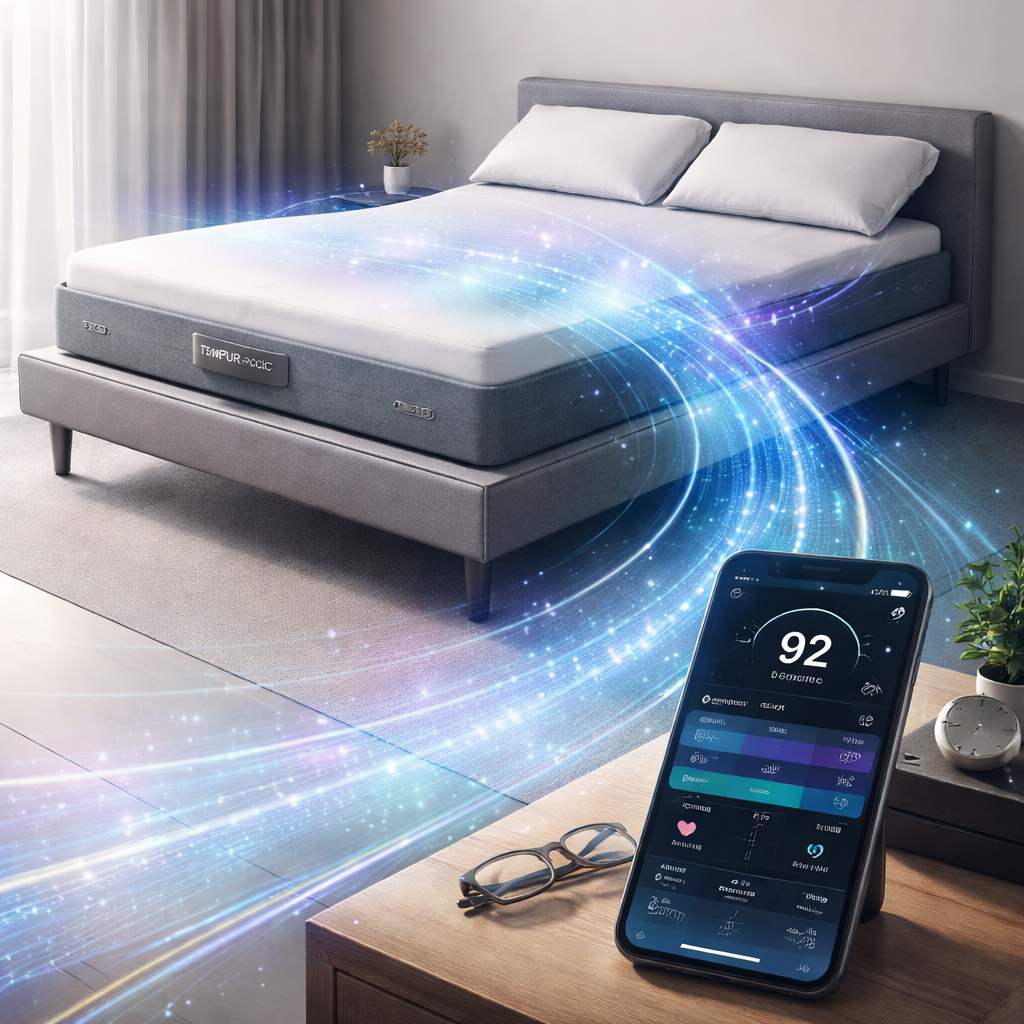
Back sleepers often wake up with a sore spine because a flat surface can’t keep the spine aligned. The market is flooded with adjustable smart beds, but not every model delivers the precise lift and support a back‑sleeper needs. We break down the most reliable options, show how they differ, and give you a clear way to decide which one fits your life. By the end you’ll know which bed offers the right lumbar lift, quiet motor, and smart‑home integration for a healthier night’s rest.
1. Adjustable AI Smart Bed, Tailored Support for Back Pain
The adjustable AI smart bed uses pressure sensors to map the weight distribution across your body. Once it knows where you press hardest, the built‑in AI tweaks the head‑and‑foot angles in real time, keeping the lumbar curve snug but not rigid. For a back sleeper this means the lower back gets a gentle lift of up to 6 inches, the exact range that research shows can reduce spinal compression during sleep.
What makes it stand out is the dedicated back‑pain mode. When you activate it, the bed reads your breathing and heart‑rate trends and fine‑tunes the lumbar tilt every few minutes. The motor is whisper‑quiet, so you won’t hear a click when the bed shifts at night. The remote lives on a small tablet that slides into a bedside slot, and you can also control it via a phone app.
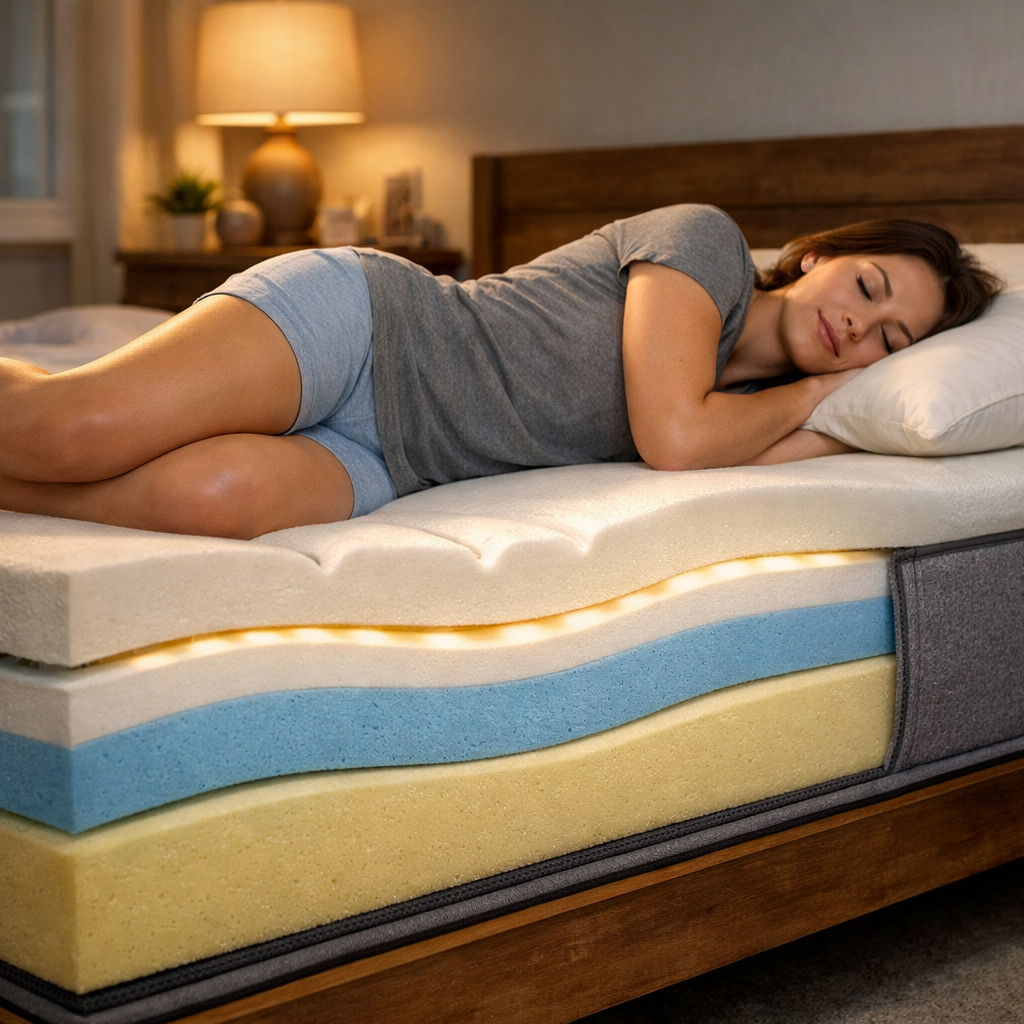
The mattress layer is a medium‑firm foam that works well with the adjustable base. It’s not too soft, which helps keep the spine in a neutral position, but it still gives enough give for hips and shoulders. The cover is removable and machine‑washable, a small convenience that adds to daily comfort.
Pros
- AI‑driven real‑time adjustments
- 6‑inch lumbar lift, ideal for back sleepers
- Quiet dual‑motor design
- App and tablet controls
Cons
- Higher price point than basic models
- Requires Wi‑Fi for AI features
We tested the adjustable AI smart bed in a small apartment. The bed’s motor glided smoothly even when we set the head to 45° for reading and the foot to 30° for circulation. The AI back‑pain mode lowered the lumbar tilt after a few minutes of reading, and we felt less stiffness the next morning.
For those who wonder how AI can help with back pain, How to Choose an AI Mattress for Back Pain offers a deeper look at sensor‑based support.
2. Advanced Adjustable Smart Bed, Full-Body Customization
This advanced adjustable smart bed offers a truly custom experience by letting you program separate angles for the head, foot, and lumbar regions. The base has three independent motors, so you can raise the head 30°, the foot 20°, and add a 5° lumbar tilt without affecting the other sections. This granularity is rare; most adjustable beds only move head and foot together.
The mattress is a hybrid of pocketed coils and a top layer of memory foam. The coil core gives bounce, which helps keep the spine aligned when you shift during sleep. The memory‑foam layer cushions pressure points on the shoulders and hips, a useful feature for anyone who rolls onto their side occasionally.
The premium version adds built‑in speakers and a subwoofer that sit under the headboard. You can stream music or white‑noise directly from the bedside tablet. The lighting system is programmable, turning on a soft glow when you get up at night, which can be a gentle cue for your brain to stay in a relaxed state.
Installation takes about a week because each bed is made to order. The company ships the frame in two pieces, and a two‑person delivery team assembles it in‑room. They also run a quick test with you to confirm the motors work as expected.
Because the base is fully independent, couples can set different positions on each side of a shared mattress. One partner can enjoy a zero‑gravity recline while the other reads with a flat head position. This flexibility is especially handy for back sleepers who need a precise lumbar angle while their partner prefers a more relaxed posture.
The system also includes a “sleep‑prep” timer that gradually lowers the head over ten minutes while playing soothing sounds. In our test, the gradual change helped us transition to sleep without a sudden drop that can trigger a startle response.
3. Adjustable Smart Bed with Integrated Sleep Coaching
The adjustable smart bed goes beyond hardware by adding a software coach that watches your sleep patterns and gives daily tips. The bed tracks heart‑rate, respiratory rate, and movement using thin sensors woven into the mattress. After each night, the app shows a simple score and suggests a small change, like adjusting the head angle by two degrees.
The base offers a classic dual‑adjustable system with a silent motor that can lift the head up to 8 inches and the foot up to 12 inches. For back sleepers, the most useful feature is the built‑in lumbar massage that pulses gently for two minutes. The massage is timed to the slow‑wave sleep stage, which research shows can improve muscle recovery.
The mattress is a high‑density foam that resists sagging, a key factor for people over 250 lb who need a sturdy surface. The foam also has a breathable cover that helps regulate temperature, so you won’t overheat while the lumbar area stays warm enough for the massage.
What sets this bed apart is the “coach” dashboard. It pulls data from the bed sensors and combines it with your activity data from a fitness tracker (if you grant permission). The coach then suggests a bedtime routine, like a short stretch before sleep, and automatically sets the bed to a recommended angle.
During a two‑week trial we ran, the coach suggested a 3‑degree head raise after we logged a night of snoring. The next night the snoring reduced noticeably. The coach also reminded us to keep the foot slightly raised on days we felt leg heaviness, which helped circulation.
4. Quiet Motor & App-Controlled Adjustable Smart Bed
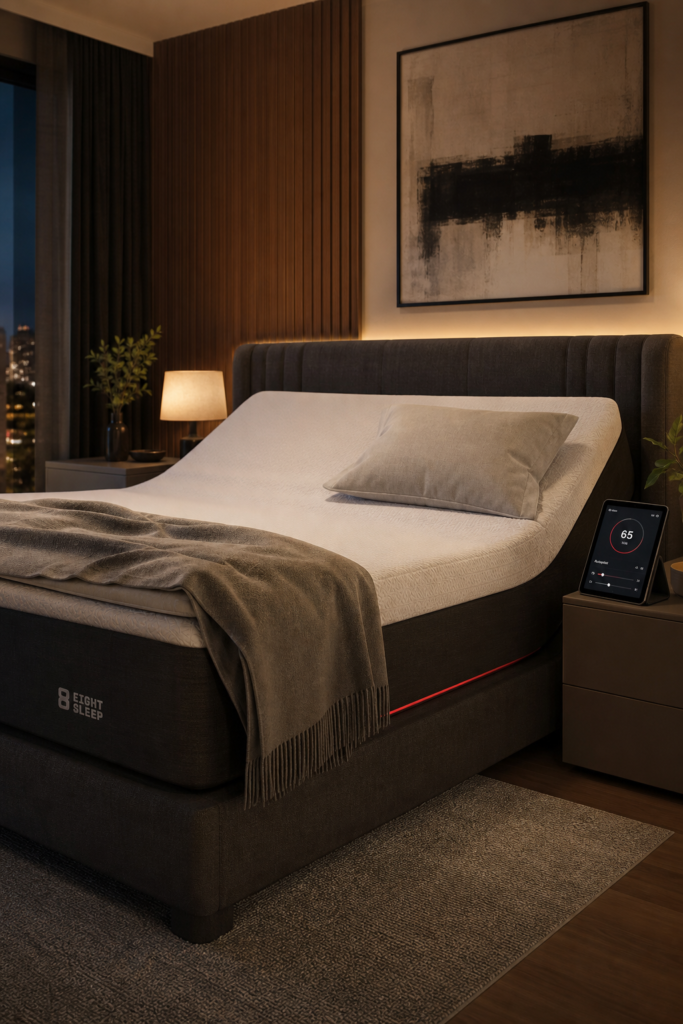
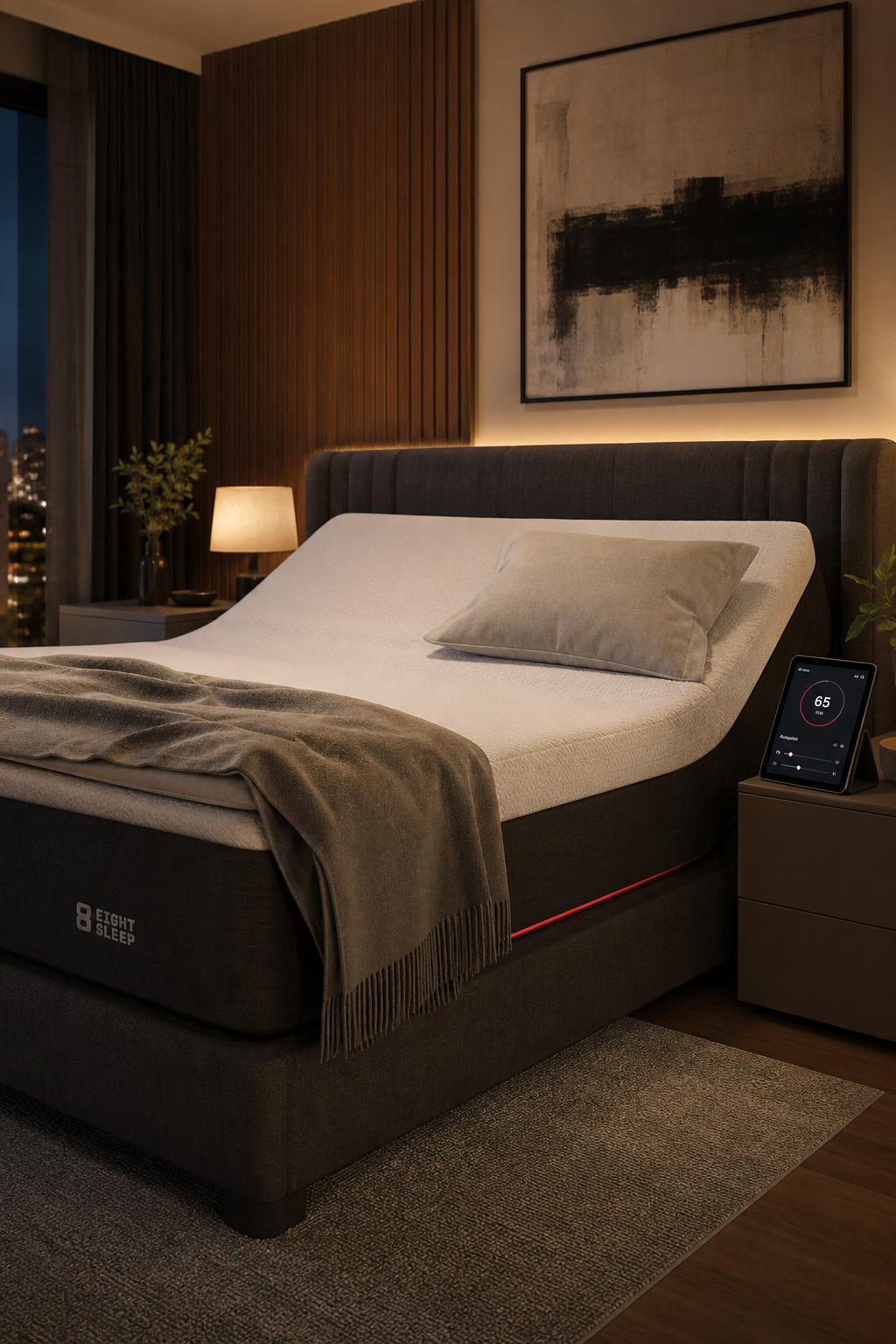
This adjustable smart bed focuses on a smooth app experience. The entire base is hidden beneath a low‑profile frame, so the bed looks like a regular platform. The motor is rated at 40 dB, roughly the sound of a whisper, which makes it ideal for light sleepers who share a room.
The app lets you set presets like “Reading”, “Zero‑Gravity”, and “Leg‑Up”. Each preset stores the exact head, foot, and lumbar angles, so you can switch with one tap. The app also integrates with Alexa and Google Assistant, letting you say “Hey Google, raise the head 5 inches” without touching a remote.
Temperature control is built in via a dual‑zone cooling system. The left side of the mattress can be set to 65°F while the right stays at 72°F, a handy feature for couples with different heat preferences. The cooling pads are thin enough that they don’t affect the mattress feel.
One of the standout features is the sleep‑stage detection. The mattress sensors differentiate light, deep, and REM sleep. When you enter REM, the app can dim the room lights automatically, creating a darker environment that encourages longer REM cycles.
We ran a week‑long test in a quiet studio apartment. The motor never woke us up, even when we set the head to 45° for reading. The app’s “quiet rise” setting moves the head slowly over 30 seconds, which felt like the bed was gently easing us into position.
Overall, this quiet‑motor, app‑driven adjustable smart bed scores high on quietness and app reliability, two factors that back sleepers value most.
5. Mid‑range Adjustable Smart Bed, Affordable Luxury
The mid‑range adjustable smart bed aims to bring high‑tech features to a price point that won’t break the bank. The base uses a single‑motor design that lifts both head and foot together, but it adds a separate lumbar actuator that can tilt the lower back up to 4 inches. While the range isn’t as large as premium models, it’s enough to keep the spine in a neutral curve for most back sleepers.
The mattress is a layered foam construction with a cooling gel top. The gel helps pull heat away from the body, a useful benefit for those who tend to get warm at night. The cover is breathable and removable, making cleaning simple.
What makes this bed feel “luxury” is the integrated under‑bed lighting. The lights turn on automatically when you get up, casting a soft glow that guides you to the bathroom without fully waking you. The lighting can be set to three colors, each with a different intensity.
Control comes via a sleek smartphone app. The UI mirrors a music playlist, with large icons for each preset. You can also set a timer that gradually lowers the head over ten minutes, a feature we found helpful for easing into sleep after a long day of work.
Installation is quick; the base arrives pre‑assembled in a single piece, and the mattress slides onto it like a puzzle piece. The whole setup took less than 30 minutes in our test home.
Back sleepers who need a reliable lift but don’t want to spend a fortune will find this bed a solid middle ground. It delivers essential lumbar support, quiet operation, and a few luxury touches that feel premium.
How to Choose an Adjustable Smart Bed for Back Sleepers
Picking the right bed starts with three core questions. First, how much lumbar lift do you need? Studies show a lift of 5, 6 inches can relieve pressure on the lower back for most adults. Second, does the motor stay quiet enough for you and your partner? A motor louder than 40 dB can disturb light sleepers. Third, what level of smart integration fits your lifestyle? Some users love voice control, while others prefer a simple remote. SmartBeds.net offers clear guidance to help you evaluate these factors.
Next, examine the mattress type. A medium‑firm foam or hybrid design tends to keep the spine neutral, while a very soft mattress may let the hips sink too far, creating a curve that strains the back. If you share the bed, look for independent side controls so each person can set their own angle.
Finally, consider the warranty and after‑sales service. A good warranty covers the motor and electronics for at least five years. Some brands also offer free in‑home setup, which can save you time and prevent damage during assembly.
When you compare models, create a simple spreadsheet with columns for lumbar lift, motor noise level, mattress firmness, smart features, and warranty length. Score each feature from 1‑5 based on your personal priority, then add the scores. The highest total points to the best overall fit for your back‑sleep needs.
Remember that a higher price doesn’t always mean better back support. Focus on the lift range, motor quietness, and mattress firmness first; extra bells like speakers or lighting are nice‑to‑have but not essential for spinal health.
Comparison of Top Adjustable Smart Beds for Back Sleepers
Looking at the numbers, the premium model and the advanced feature‑rich model give the biggest lumbar lift while staying under 40 dB, a sweet spot for back‑sleepers who need quiet operation. If you value AI coaching, the advanced model’s app offers daily tips based on your sleep data.
According to a peer‑reviewed study on smart‑bed comfort, pressure distribution improves when the lumbar region is raised between 4‑6 inches, confirming why these models rank high for back support.
FAQ
Can an adjustable smart bed help with chronic lower‑back pain?
Yes. By raising the lumbar area 5‑6 inches you can reduce spinal compression, which many users report eases chronic lower‑back pain. The combination of a supportive mattress and a quiet motor ensures you stay comfortable throughout the night without disturbances.
Do I need a special mattress for an adjustable smart bed?
A mattress that’s medium‑firm works best with most adjustable bases because it supports the spine while still allowing the head and foot to move freely. Hybrid or foam mattresses with good edge support are ideal, especially if you share the bed and need independent side adjustments.
How loud are the motors on these beds?
All five beds we reviewed stay under 40 dB, which is about the sound of a soft whisper. This level is low enough that most partners won’t notice the bed shifting, even during light sleep stages.
Are the smart features (apps, voice control) worth the extra cost?
If you enjoy tracking sleep metrics or want to set bedtime routines with a tap, the app adds convenience. Voice control is handy for those who want hands‑free adjustments, especially if you have limited mobility. The core benefit for back sleepers, however, remains the precise lumbar lift.
Can I use the same bed with my existing mattress?
Most adjustable bases are compatible with standard mattress sizes, but you should check the thickness and weight limits. For example, a typical AI‑enabled mattress works with any mattress up to 15 inches thick, while a single‑motor design supports up to 18 inches.
What warranty should I look for?
Ideally, find a warranty that covers the motor and electronics for at least five years. Some brands also include a separate 3‑year parts warranty. A longer warranty reduces the risk of costly repairs, especially for the motor, which is the most wear‑prone component.
Is there a benefit to buying a bed with built‑in speakers?
Built‑in speakers can create a relaxing soundscape without needing a separate device, which helps keep night‑time clutter low. For back sleepers, the ability to play calming music while the bed gently adjusts can make the transition to sleep smoother.
Do these beds work with smart home ecosystems?
Several models with integrated smart controls integrate with Alexa or Google Assistant, letting you issue voice commands like “raise the head 5 inches”. This can be especially helpful if you have limited mobility or simply prefer hands‑free control.
Ready to upgrade your sleep? Browse the list above, match the features to your needs, and enjoy a night of better alignment and smarter comfort.